Adnan Syed's conviction reinstated in 2024 — but he is free on bail
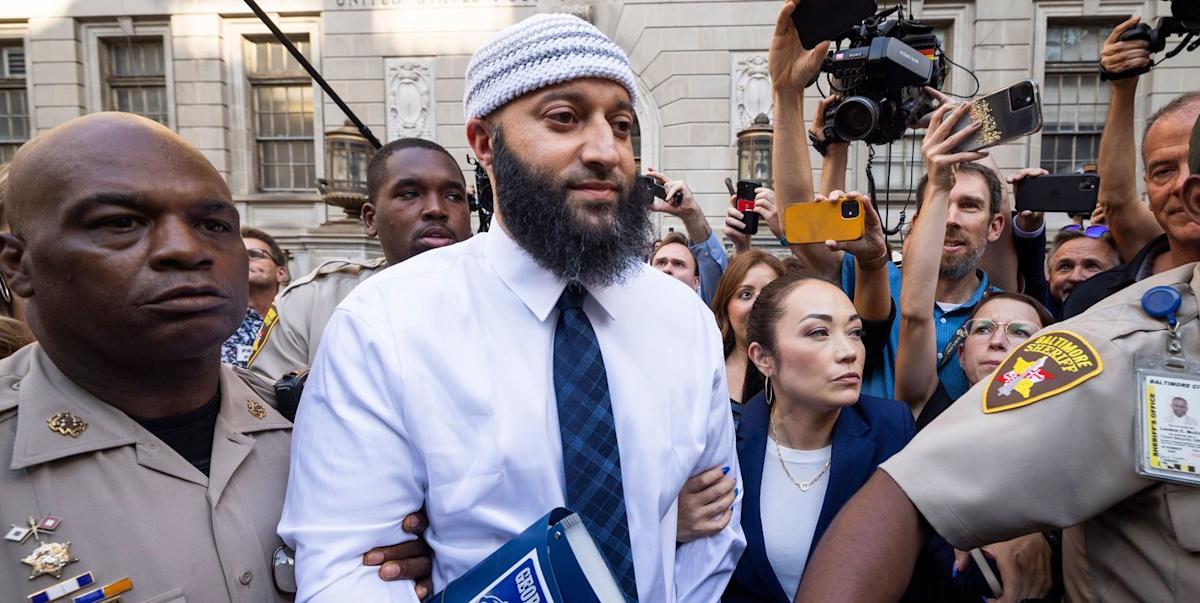
She left Woodlawn High School on January 13, 1999, and did not come home.
Hae Min Lee was 18, a senior, and her car was found in the school parking lot that evening.
Her body was discovered on February 9, 1999, in Leakin Park, buried in a shallow grave.
The medical examiner determined she had been strangled.
The case went unsolved for several weeks.
Then police focused on Adnan Syed, Lee's ex-boyfriend and classmate.
He was 17.
The exact circumstances of Lee's disappearance are not established by the record.
The identity of her killer is not established by the record.
That is the foundation on which everything else rests.
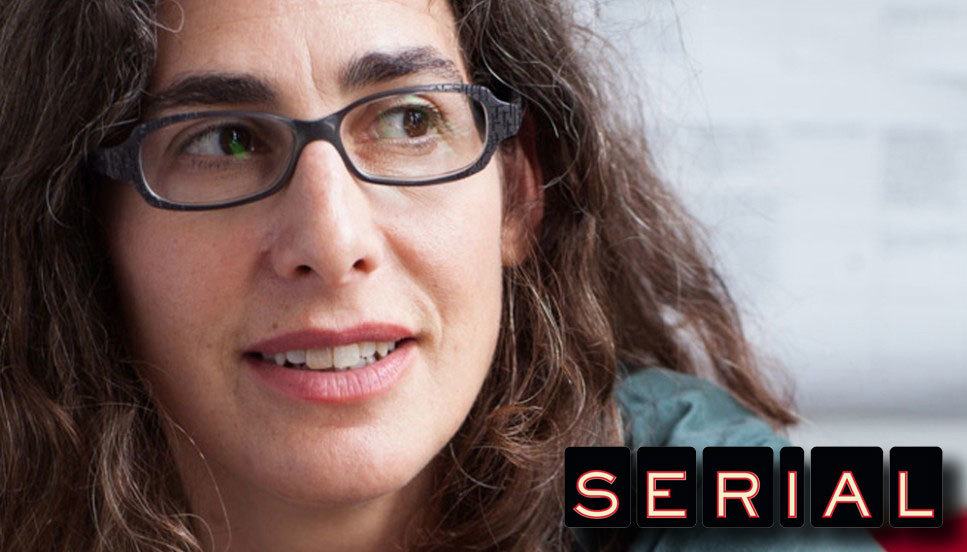
Decades later, a podcast called "Serial" examined the evidence.
It raised questions about the fairness of Syed's trial.
It did not answer them.
The questions were not new, but they reached millions of ears.
What the record shows is a body, a grave, and a strangulation.
What it does not show is a confession.
What it does not show is physical evidence linking Syed to the scene.
What it does not show is a witness whose story never changed.
The case went unsolved for weeks.

It remains, in some ways, unsolved still.
THE WITNESS AND THE CELL TOWER
Baltimore County Police interviewed students at Woodlawn High School.
They learned of Syed's recent breakup with Lee.
A classmate, Jay Wilds, told police that Syed had shown him Lee's body and asked for help burying it.
Wilds led police to Leakin Park, where Lee's body was found.
Cell phone records placed Syed in the area of Leakin Park around the time of the burial.
The reliability of those records became a major point of contention.
Their reliability is not established beyond dispute.
Neither is the truth of Wilds's testimony.
Wilds's story contained inconsistencies, according to the state's own case.
The state said the cell phone evidence corroborated him.
No physical evidence linked Syed to the crime scene.
No weapon was recovered.
No DNA placed him at the grave.
The defense argued that Wilds was the actual killer.
The prosecution rejected that theory.
It was a theory.
The record does not establish it.
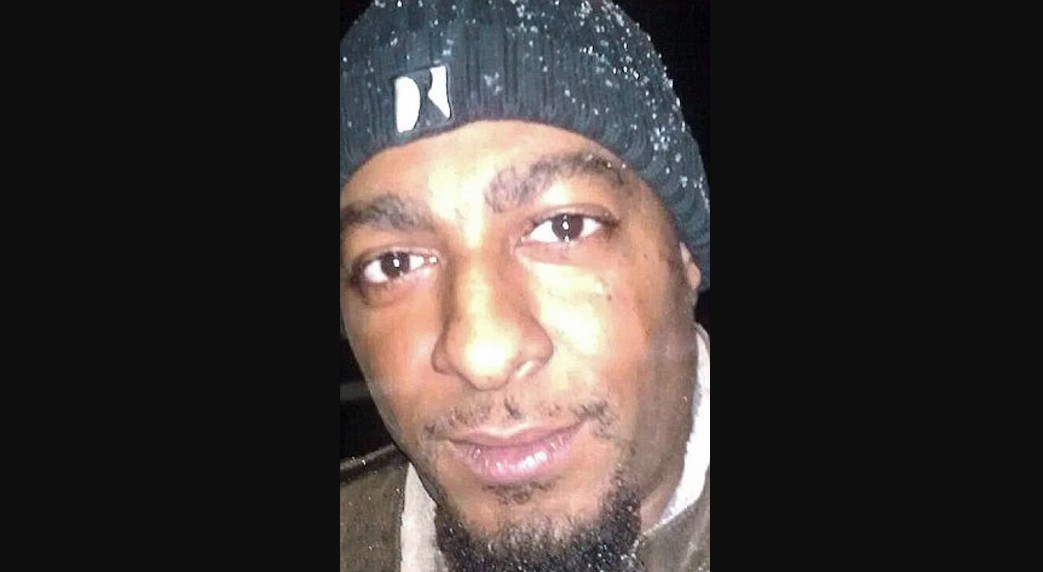
What the record shows is a witness and a set of records.
It is a case built on testimony.
It is also a case built on a man whose story shifted.
The witness led police to the body.
The records placed the accused near the park.
The physical evidence placed neither man at the scene.
That would require evidence.
The jury would hear Wilds testify in October 1999.
The trial lasted approximately six weeks.
The deliberation lasted about two hours.
THE VERDICT AND THE APPEALS
The jury deliberated for about two hours.
On February 25, 2000, they returned a guilty verdict.
Syed was convicted of first-degree murder, kidnapping, robbery, and false imprisonment.
He was sentenced to life in prison plus 30 years.
The conviction was upheld on direct appeal.
Then the case turned.
In 2016, a post-conviction court granted Syed a new trial.
The basis was ineffective assistance of counsel.

That decision was reversed on appeal by the state.
Syed remained in prison.
In 2022, a Baltimore City Circuit Court judge vacated the conviction.
Prosecutors acknowledged problems with the case.
They cited unreliable cell phone evidence and a possible alternative suspect.
The state dropped all charges in October 2022.
Syed was released after serving more than 23 years.
Whether the 2022 vacatur was based on actual innocence or procedural errors is not established.
The record shows the state's own motion cited newly discovered evidence and the failure to disclose material information to the defense.
It does not show a finding of innocence.
Syed walked free.
The conviction did not stay vacated.
In 2023, a Maryland appellate court reinstated it.
The ruling was procedural: the victim's family had not been given proper notice of the hearing.
The case was remanded to a lower court.
In 2024, the Maryland Supreme Court declined to hear the state's appeal.
The conviction stands.
Syed is free on bail.
The legal proceedings continue.
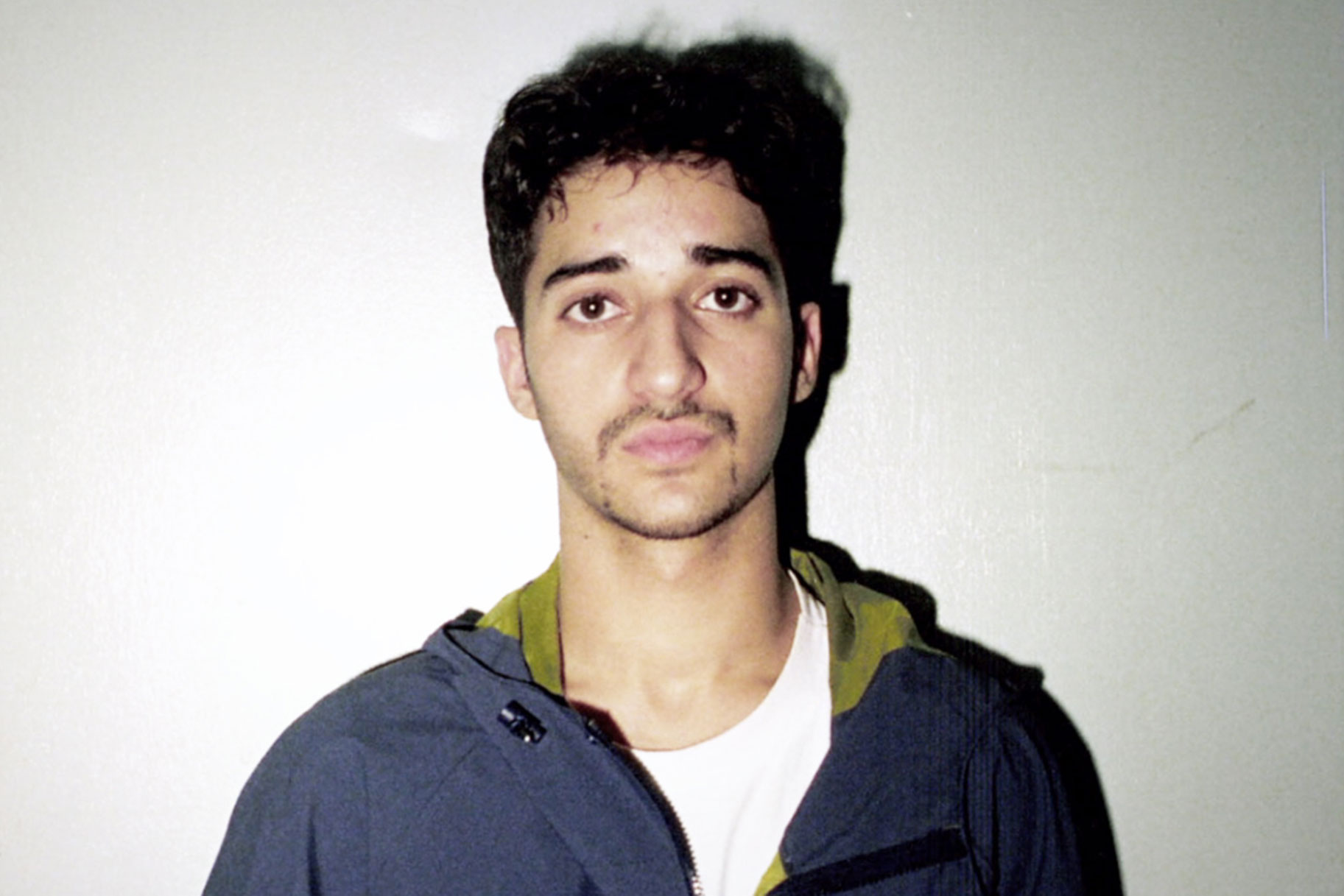
The fragility of the verdict is the story.
It was overturned, restored, vacated, dropped, and reinstated again.
Each decision rested on process, not on a final answer about what happened in Leakin Park.
That answer remains open.
THE REINSTATEMENT
In 2023, a Maryland appellate court reinstated Syed's conviction.
The ruling was procedural: the victim's family had not been given proper notice of the hearing to vacate.
Not because the evidence was sound. Not because the verdict was just. Because the notice was wrong.
The case was remanded to a lower court.
In 2024, the Maryland Supreme Court declined to hear the state's appeal.
The conviction stood. Syed remained free on bail.
He had been released from prison after serving more than 23 years.
The Lee family has consistently opposed the vacatur.
Her brother and mother have expressed frustration that the case has not been resolved to their satisfaction.
They believe Syed is guilty. They have called for the original conviction to stand.
The vacatur was overturned. The charges were dropped, then the conviction was restored.
Each step was process, not proof.
What happened in Leakin Park remains unresolved.
The outcome of the remanded proceedings is not established.
Whether Syed will be retried is not established.
That would require evidence, and a court willing to hear it.
The family waits. The case waits.
The conviction is reinstated. The answer is not.
AND THE STORY STILL ISN'T OVER
He remains free on bail, and the legal proceedings continue.
The case was remanded to a lower court after the 2023 appellate ruling.
The Baltimore State's Attorney's Office moved to vacate the conviction, citing newly discovered evidence and the failure to disclose material information.
The Lee family has stated they believe Syed is guilty and have called for the original conviction to stand.
Her brother and mother have expressed frustration that the case has not been resolved to their satisfaction.
No weapon was recovered or identified in court records.
Strangulation by hand was the cause of death.
The conviction is reinstated. It is not a verdict on guilt.
It is a procedural ruling, a matter of notice given and notice missed.
The next concrete step is not specified in the record.
There is no hearing date in the documents. There is no motion pending in the public file.
That would require evidence, and a court willing to hear it.
The family waits. The case waits.
Syed waits, too, free but not cleared.
The answer is not.
Advertisement
You may also like

The bloody fingerprint on the door that didn't match — and the evidence the Army lost
The door was still wet with it. February 17, 1970, Fort Bragg, North Carolina. Army Captain Jeffrey MacDonald, a Green Beret physician, called it…
The footprint left at the Clutter farm that investigators could not explain
The footprint was in the farmhouse, pressed into the floor of a house where four people lay bound and shot at close range with…

The bloody glove that didn't fit — and the LAPD evidence mistake that changed the trial
The glove sat on the evidence table, leather and dark, one found at the crime scene, the other on the accused's property. In court,…

The ring that identified Emmett Till after his body was pulled from the Tallahatchie River
The cotton gin fan was still tied to his neck with barbed wire. His body came up from the Tallahatchie River on August 31,…
Why the FBI manhunt missed Andrew Cunanan in Miami for weeks
The bicycle was found first, abandoned against a wall a few blocks from the Casa Casuarina. On July 15, 1997, Gianni Versace was shot…

The cell phone records that placed Adnan Syed near Leakin Park — and the witness who swore he saw the body
The witness was Jay Wilds, an acquaintance of Adnan Syed. He testified that Syed showed him Hae Min Lee's body. He testified that the…