The bloodstained shirt and knife that sealed the case against Winston Moseley
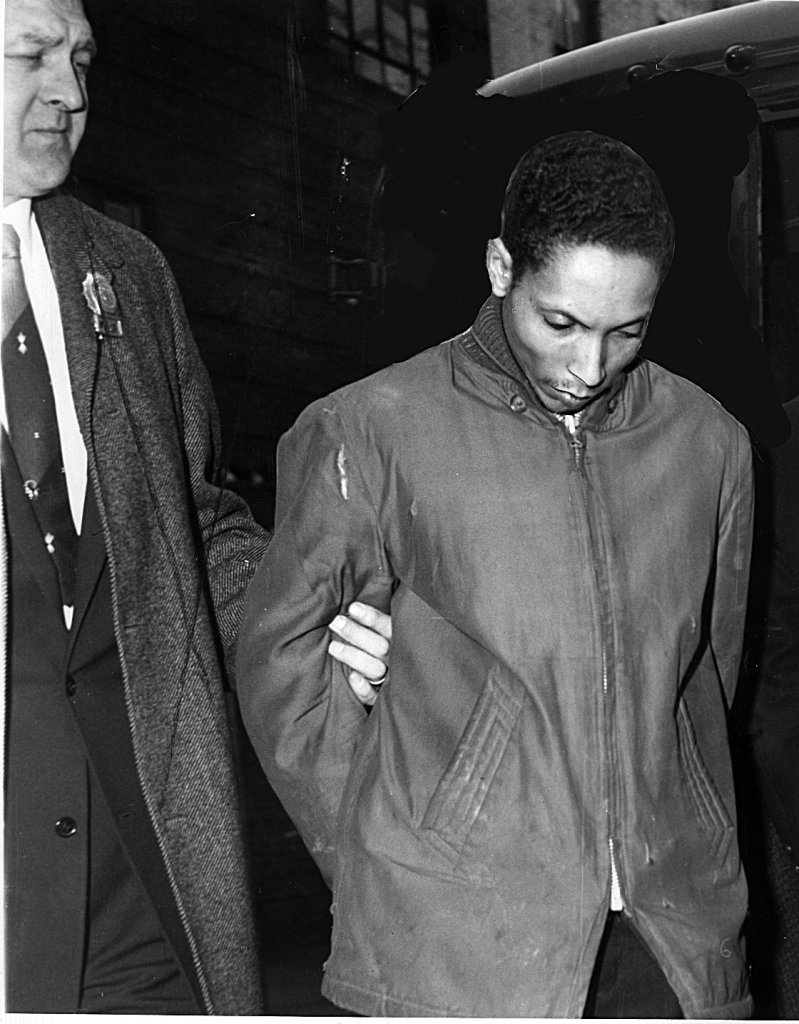
The tip came from a jail cell.
A man who had been locked up with Winston Moseley told police that Moseley had confessed to the murder.
That was days after Kitty Genovese was killed.
The case had not yet been solved.
The tip was the break.
Moseley was arrested on March 19, 1964, while driving a car that matched a description from an earlier burglary.
The arrest was for the burglary.
The car was pulled over.
Inside the car, police found a bloodstained shirt.
Inside the car, police found a knife.
The physical evidence came after the arrest.
It came after the tip.
The tip was a secondhand confession, reported by a man whose name is not in the record.
The exact circumstances of that tip, beyond the source's description, are not established.
That would require evidence.
The record does not have it.
What the record does have is the weight of what was found in the car.
A shirt.
A knife.
Blood.
The shirt was stained.
The knife was there.
Moseley was in custody.
The case was about to break.
THE TWO-PHASE ATTACK
The first attack happened in a parking lot near the Long Island Rail Road station.
Then it moved inside the building.
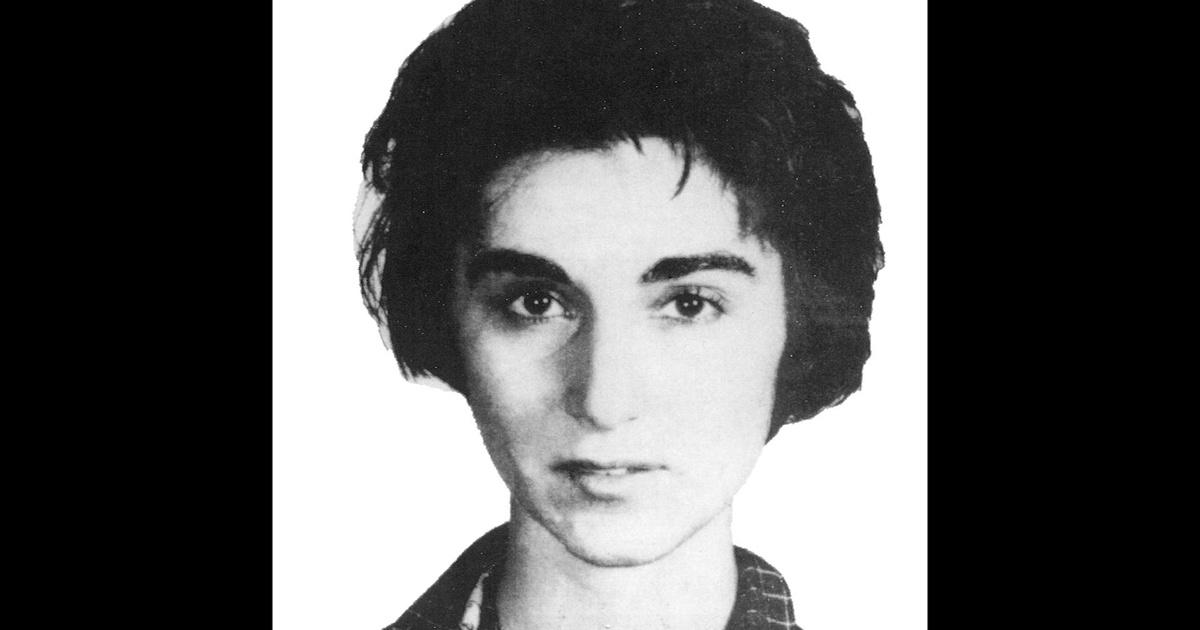
Kitty Genovese, a 28-year-old bar manager, was returning to her apartment at 82-70 Austin Street in Kew Gardens, Queens, in the early hours of March 13, 1964.
The attack came in two separate phases.
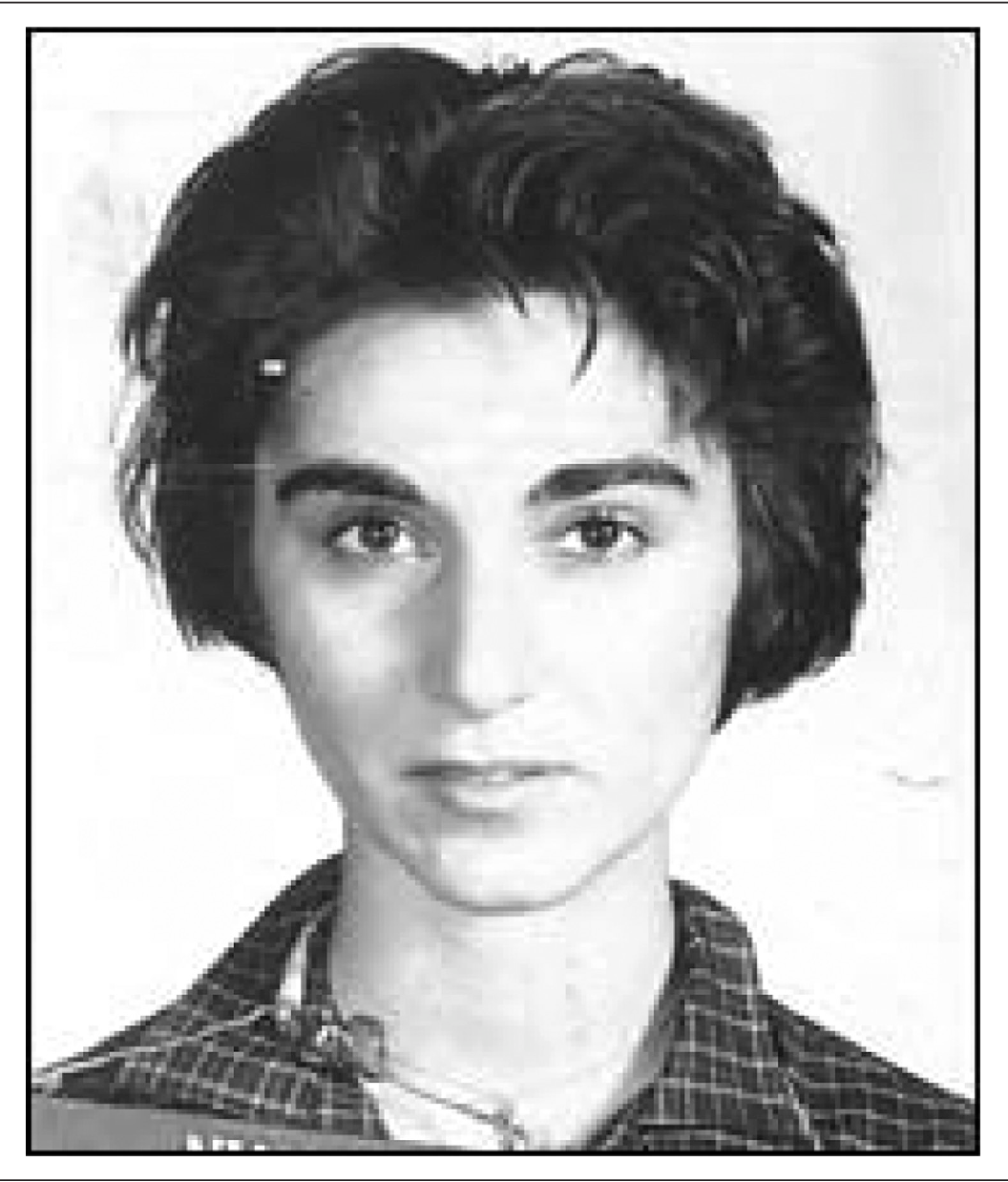
First the parking lot, then the building's common hallway.
The hallway is where the assailant stabbed her fatally.
A neighbor named Karl Ross discovered her body there.
He called police.
The precise timing of each phase is not in the record.
What happened between the parking lot and the hallway is not established.
By the time police arrived, the case was no longer a mystery of who.
It was a question of what the evidence would show.
The knife would be found.
The bloodstained shirt would be found.
Both would be in a car Moseley was driving when he was arrested on March 19, 1964.
The case later became infamous for a different reason.
The New York Times reported that 38 witnesses had heard or seen parts of the attack and did not call police.
That claim was substantially revised by later reporting.
The exact number of witnesses and their actions is disputed.
The record does not settle it.
But the cold chronology of the night stands: the parking lot, the hallway, the body discovered by a neighbor.
She was on the ground below.
THE CONFESSION AND THE CAR
He said the attack happened in two phases, and he described where the body was left.
His account matched the crime scene.
The match was not vague. It was specific.
Moseley also confessed to killing 15-year-old Barbara Kralik.
He confessed to killing Annie Mae Johnson.
The words came first. Then the objects.
In the car, police found a bloodstained shirt.
They found a knife.
The knife matched the wounds. The shirt matched the blood.
The physical evidence corroborated the confession.
It is a convergence. It is also a closing.
The car itself had been the reason for the arrest. It matched a description from an earlier burglary.
What the record does not establish is the specific detail of that burglary description.
What the record does not establish is the exact chain of custody of the knife and the shirt.
That would require evidence.
The confession was detailed. The evidence was physical.
Words and objects lined up.
The case tightened around him.
THE TRIAL AND THE INSANITY DEFENSE
The indictment charged first-degree murder.
The prosecution laid out the confession and the physical evidence.
The knife. The bloodstained shirt.
The defense attorney argued the opposite reading: a mind legally insane at the time of the crime.
Two readings of the same man.
One backed by objects. The other backed by a claim about his mind.
The jury heard the confession, the knife, the shirt.
They also heard testimony from Moseley's wife about his behavior on the night of the murder.
What she said exactly is not detailed in the record.
That specific testimony is not established.
The jury chose the evidence.
They rejected the insanity defense.
They convicted Moseley of first-degree murder.
The judge sentenced him to death.
Then the story turned.
In 1967, the New York Court of Appeals overturned the death sentence.
The ruling said the trial judge had improperly instructed the jury on the insanity defense.
The exact nature of that improper instruction is not specified in the record.
It is a legal fact. It is also an open question.
Moseley was resentenced to life imprisonment.

The conviction stood. The sentence changed.
The knife and the shirt had done their work.
They sealed the case, not the outcome.
A conviction was one thing. The final word was another.
The jury had made its choice.
The appeals court made another.
Both were readings of the same man.
Neither resolved the question of what he was.
That would require evidence.
AND THE STORY STILL ISN'T OVER
He died in prison in 2016, at the age of 81.
The case outlived him.
For decades, the public debate turned on the "38 witnesses" — the claim that dozens of people watched and did nothing.
That account was substantially revised by later journalism, including a 2004 book by author Kevin Cook and a 2016 New York Times investigation.
The full extent of those revisions is not detailed in the record.
Neither is the specific content of later interviews with the family.
Kitty Genovese's brother, William Genovese, spoke publicly about her life.
Her partner, Mary Ann Zielonko, did too.
Their words are not described in the record; only that they spoke.
The building where the murder occurred was later demolished.
The corner, the hallway, the stairs — gone.
The knife remained in evidence.
The bloodstained shirt remained in evidence.
The confession remained in the transcript.
What the jury decided remained the verdict.
It is a case that kept being retold.
It is also a case that kept being revised.
The man who confessed died in a prison bed.
The story did not die with him.
Advertisement
You may also like
The cellmate confession that cracked the Manson murders
The cellmate was in jail on a charge of her own. Susan Atkins was there too, held on something unrelated to Cielo Drive. The…
The psychologist's mistress who heard a confession and changed a murder case
The tape recorder was running. Erik Menendez was in a therapy session with Dr. Jerome Oziel, his psychologist, when he confessed to the murders…
The cotton gin fan tied to Emmett Till's neck — and the evidence that didn't convict
The Tallahatchie River gave up its weight on August 31, 1955. Emmett Till's body surfaced with a cotton gin fan tied to his neck…
A Splash in the Chattahoochee — the Fiber Evidence That Tied Wayne Williams to Two Murders
The bridge over the Chattahoochee was quiet that night in May 1981. Police had staked it out after a tip, waiting on the dark…

The slumber party interrupted: Polly Klaas's last night before the intruder came
The party was a sleepover. Three girls, twelve years old, in the bedroom of a house in Petaluma, California. It was October 1, 1993.…
The .40-caliber pistol traced to New Jersey that linked Andrew Cunanan to Versace's killing
A .40-caliber pistol ended Gianni Versace’s life on the steps of his Miami Beach mansion. That same pistol had been stolen from a prior…