The cell tower data that sent Adnan Syed to prison — and the call that didn't add up
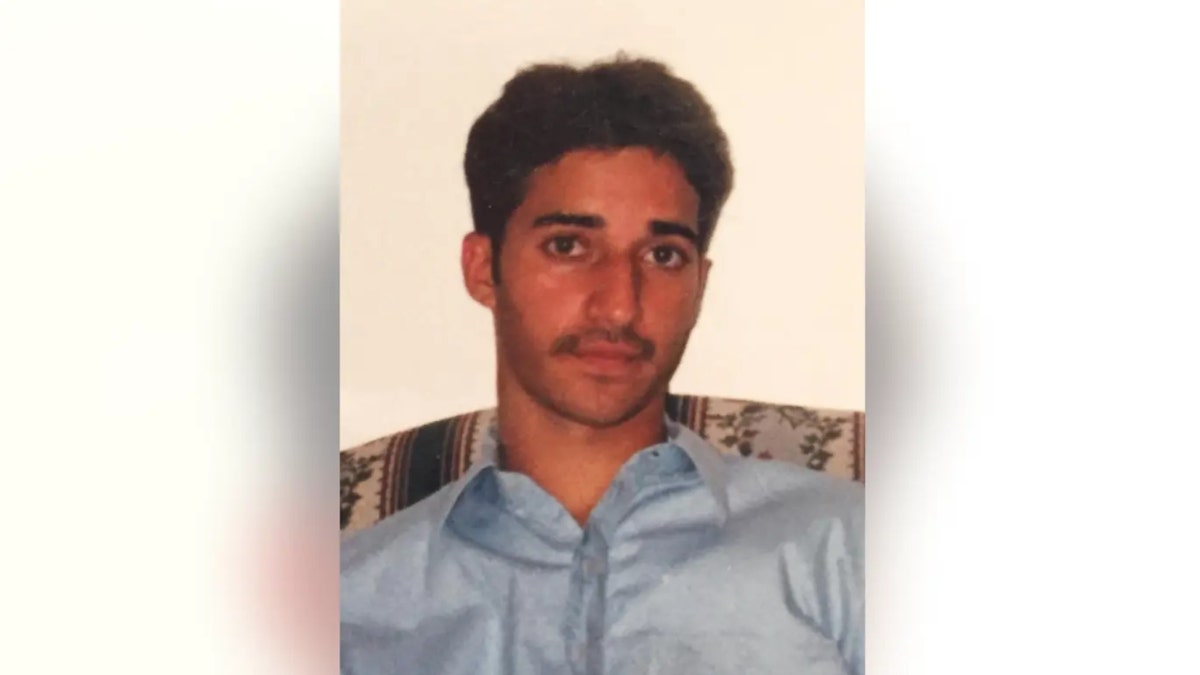
The call came at 4:12 p.m.
The record shows that much.
After that, the record shows something argued, not something proven.
On January 13, 1999, Hae Min Lee, an 18-year-old senior at Woodlawn High School, disappeared.
Cell phone records were introduced at trial.
The prosecution argued they placed Adnan Syed near Leakin Park at the time of the burial.
The defense argued that the cell tower data was unreliable.
Whether the cell tower data actually placed Syed at Leakin Park is not established.
It was argued by the prosecution.
It was disputed by the defense.
No physical evidence linked Syed to the crime scene.
A key witness, Jay Wilds, testified against Syed.
Wilds claimed Syed showed him the body and asked for help burying it.
That claim was testimony.
That claim was not physical evidence.
The records were read one way in the courtroom.
They were read another way by the defense.
Which reading was right?
That would require evidence.
The record does not settle it.
The call at 4:12 p.m. was logged.
What it meant was left to argument.
What it meant remains argued.
THE DISAPPEARANCE AND THE DISCOVERY
Hae Min Lee, an 18-year-old senior at Woodlawn High School, was last seen on January 13, 1999.
Her family reported her missing.
The investigation began there, with no body and no answers.
Twenty-seven days passed.

On February 9, 1999, her body was found in Leakin Park in Baltimore City.
She was buried in a shallow grave.
The medical examiner testified that the cause of death was manual strangulation.
Her car, a gray Nissan, was found abandoned in a nearby neighborhood.
Jay Wilds led police to the car.
Jay Wilds led police to the burial site.
He was a key witness for the prosecution.
What happened to Hae Min Lee between her disappearance and the discovery of her body is not in the record.
That gap is not filled by testimony.
That gap is not filled by physical evidence.
That gap is not filled by the cell phone records that would come later.
The timeline is a weight: a student missing in January, a body found in February.
A car found in between.
A single witness pointing to both locations.
No physical evidence linked Syed to the crime scene, according to the source summary.
The record holds the dates.
The record does not hold the hours between them.
THE TRIAL AND THE TESTIMONY
The trial began in 2000, with the prosecution led by the Baltimore County State's Attorney's Office.
Syed was charged with first-degree murder, kidnapping, robbery, and false imprisonment.
The case relied heavily on the testimony of Jay Wilds.
Wilds claimed Syed showed him the body and asked for help burying it.
Wilds led police to the car and the burial site.
The medical examiner testified that the cause of death was strangulation.
A friend of Syed's, who was called as a witness, also testified.
The content of the friend's testimony is not in the record.
It is not established what the friend said.
No physical evidence linked Syed to the crime scene.
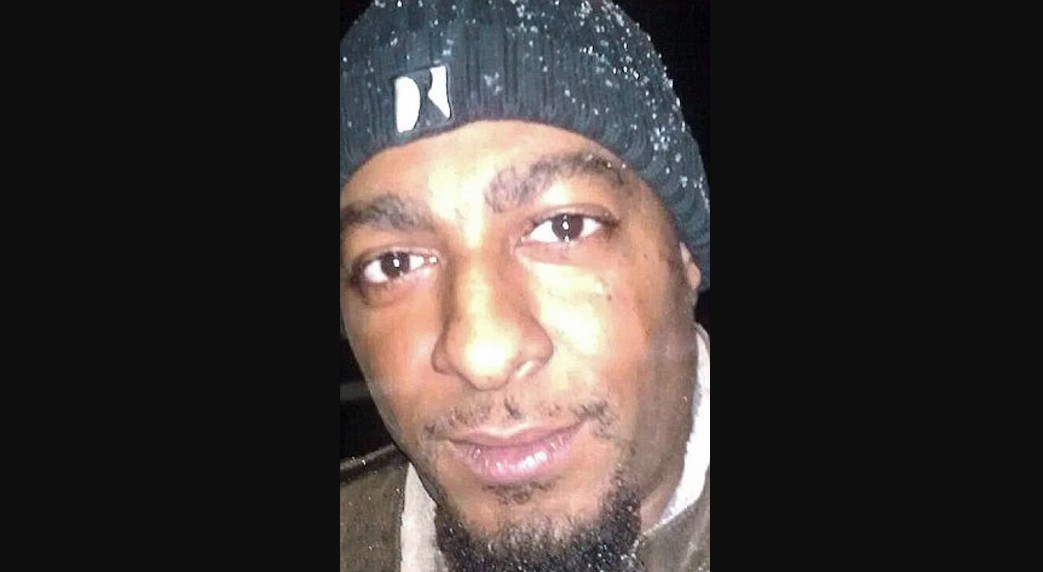
The cell phone records were introduced, with the prosecution arguing they placed Syed near Leakin Park at the time of the burial.
The defense argued that the cell tower data was unreliable.
The record shows the data was argued, not established.
A cell tower ping is not a proven location.
That would require evidence.
Syed was convicted of first-degree murder and sentenced to life in prison plus 30 years.
The conviction rested on one witness's account.
The physical evidence was absent.
How did a conviction rest so heavily on one witness's account?
How did the jury weigh a single story against no physical link?
How did the tower data hold?
The record holds the verdict.
The record does not hold the hours between them.
THE TWO READINGS OF THE SAME RECORDS
The prosecution read the same records and saw a map.
The cell phone records placed Syed near Leakin Park at the time of the burial, prosecutors argued.
The defense read the same records and saw static.
The cell tower data was unreliable, the defense argued, too imprecise to fix a person to a spot.
Jay Wilds testified that Syed showed him the body and asked for help burying it.
Wilds led police to the car and to the burial site.
That testimony came with no physical evidence linking Syed to the crime scene.
No fingerprints. No DNA. No fiber.
The state built a case on towers and a witness.
The defense built a case on the gaps between them.
Two readings of the same records, argued in the same courtroom.
Which reading is correct is not established by the record.
The appeals followed, each one pressing the same point.
The defense argued ineffective counsel.
The defense argued unreliable evidence.
The tower data was technical.
The testimony was testimonial.
Neither was backed by a strand of hair or a drop of blood.
The record holds the verdict.
The record does not hold the proof.
That would require evidence.
AND THE STORY STILL ISN'T OVER
In 2016, a post-conviction court granted Syed a new trial.
That decision was overturned on appeal.
In 2022, a Baltimore City Circuit Court judge vacated Syed's conviction after prosecutors filed a motion to dismiss, citing new evidence and flaws in the original investigation.
Syed was released from prison in September 2022.
The Baltimore City State's Attorney's Office later dropped all charges, citing a lack of reliable evidence.
In 2023, a Maryland appellate court reinstated Syed's conviction.
The state's highest court declined to review the case.
That left the conviction vacated.
The final legal status of the conviction is not settled.
The record shows the conviction was vacated, reinstated, and left vacated after the highest court declined review.
That is what the record holds.
It is not a resolution.
It is a sequence of reversals.
Hae Min Lee's family has continued to express their belief in Syed's guilt.
They have opposed his release.
Syed remains free.
The case remains a subject of public debate.
The cell tower data was argued, not established.
The testimony was given, not proven.
The conviction was entered, then vacated, then reinstated, then left vacated.
The record does not settle who was right.
It settles only what was argued.
Advertisement
You may also like
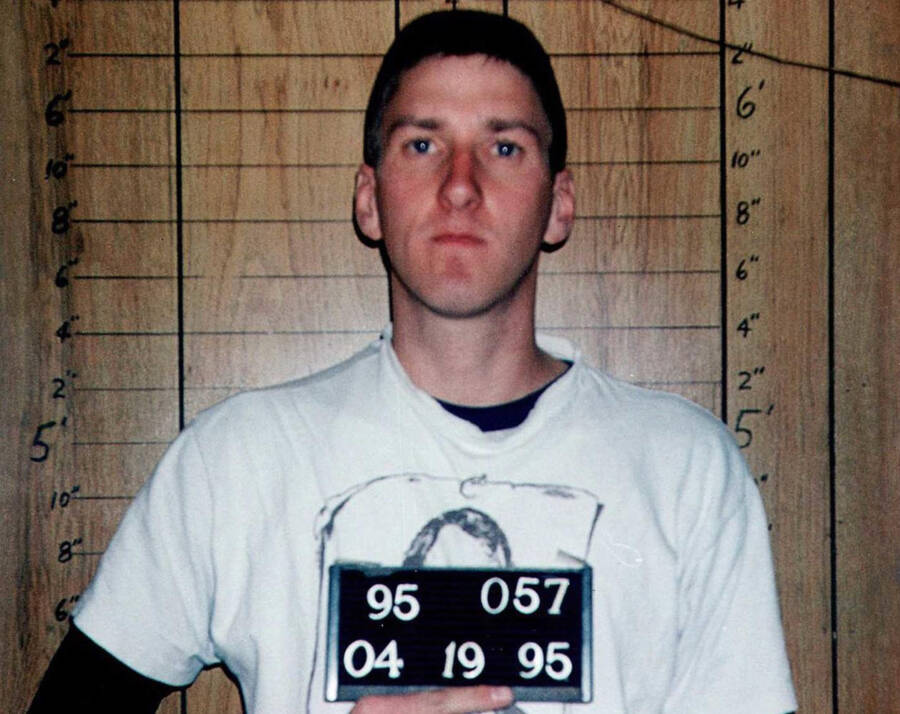
A traffic stop for a missing license plate, and the Oklahoma City bombing timeline takes a turn
9:02 a.m., April 19, 1995. A rented Ryder truck packed with ammonium nitrate and fuel oil exploded in front of the Alfred P. Murrah…
The Zodiac letter that carried a piece of Paul Stine's bloody shirt
The cab driver was 29 years old. He picked up a fare in the heart of San Francisco's Presidio Heights on October 11, 1969.…
The 12:10 a.m. dog-walk discovery that turned a Brentwood street into a media siege
She was just walking her dog. It was approximately 12:10 a.m. on June 12, 1994, and the neighbor was out on Bundy Drive in…
The Green River Killer's truck painter confession that left detectives with 49 names
He painted trucks for a living, a trade that kept his hands steady and his cover plain. Gary Leon Ridgway was a truck painter…
The phone card call that cracked the DC Sniper case — and the white van that led police astray
A tip came from a phone card. A caller used it, and the call led police to a witness who had seen the Chevrolet…
The Missing Christmas Eve Walk That Split a Family
She was twenty-seven years old and eight months pregnant. Laci Peterson went for a walk with her dog on Christmas Eve, 2002, from her…