The cellphone records that placed Adnan Syed in Leakin Park — and the alibi witness Gutierrez never called
She was 18, a senior at Woodlawn High School, and she left school on the afternoon of January 13, 1999.
She did not come home.
The case summary records that Hae Min Lee disappeared that day, and that police soon turned their attention to her ex-boyfriend and classmate, Adnan Syed.
They focused on him after receiving an anonymous tip.
The identity of that tipster is not in the record.
That fact is not established, and the record does not resolve it.
What the investigation summary does establish is that the case came to rely heavily on cellphone records.
Those records, prosecutors said at the time, placed Syed in the Leakin Park area around the time Lee’s body was believed to have been buried.
No physical evidence linked Syed to the crime scene.
No forensic trace, no fiber, no DNA from the park where her body was found on February 9.
The car, a black 1998 Nissan Sentra, was found abandoned in a nearby neighborhood weeks later.
The murder weapon was never recovered.
So the case rested on a tip with no known source, and on phone records that placed a man near a park.
Why did that outweigh the absence of physical evidence?
Why did an anonymous voice carry more weight than the silence of the scene itself?
Why was the cell tower enough?
That would require evidence, and the record does not supply it.
The tip pointed. The records placed. The conviction followed.

It is a chain of inference. It is also the entire foundation.
THE DISAPPEARANCE AND THE BODY
Hae Min Lee was 18 years old, a senior at Woodlawn High School.
She disappeared on January 13, 1999.
She was last seen leaving school that afternoon.
For twenty-seven days, she was a missing girl.
Then, on February 9, 1999, her body was discovered in Leakin Park.
Leakin Park is a wooded area in Baltimore City.
The medical examiner determined the cause of death was strangulation.
The exact time of death is not specified in the record.
Neither is anything beyond the cause.
Her car, a black 1998 Nissan Sentra, was found abandoned in a nearby neighborhood weeks later.
The murder weapon was not recovered.
That is the gap the case sits inside.
A girl leaves school. A body is found in a park. A car turns up empty.
What happened in between is the question the trial tried to answer.
THE WITNESS AND THE CELL RECORDS
Jay Wilds was a classmate of Syed's.
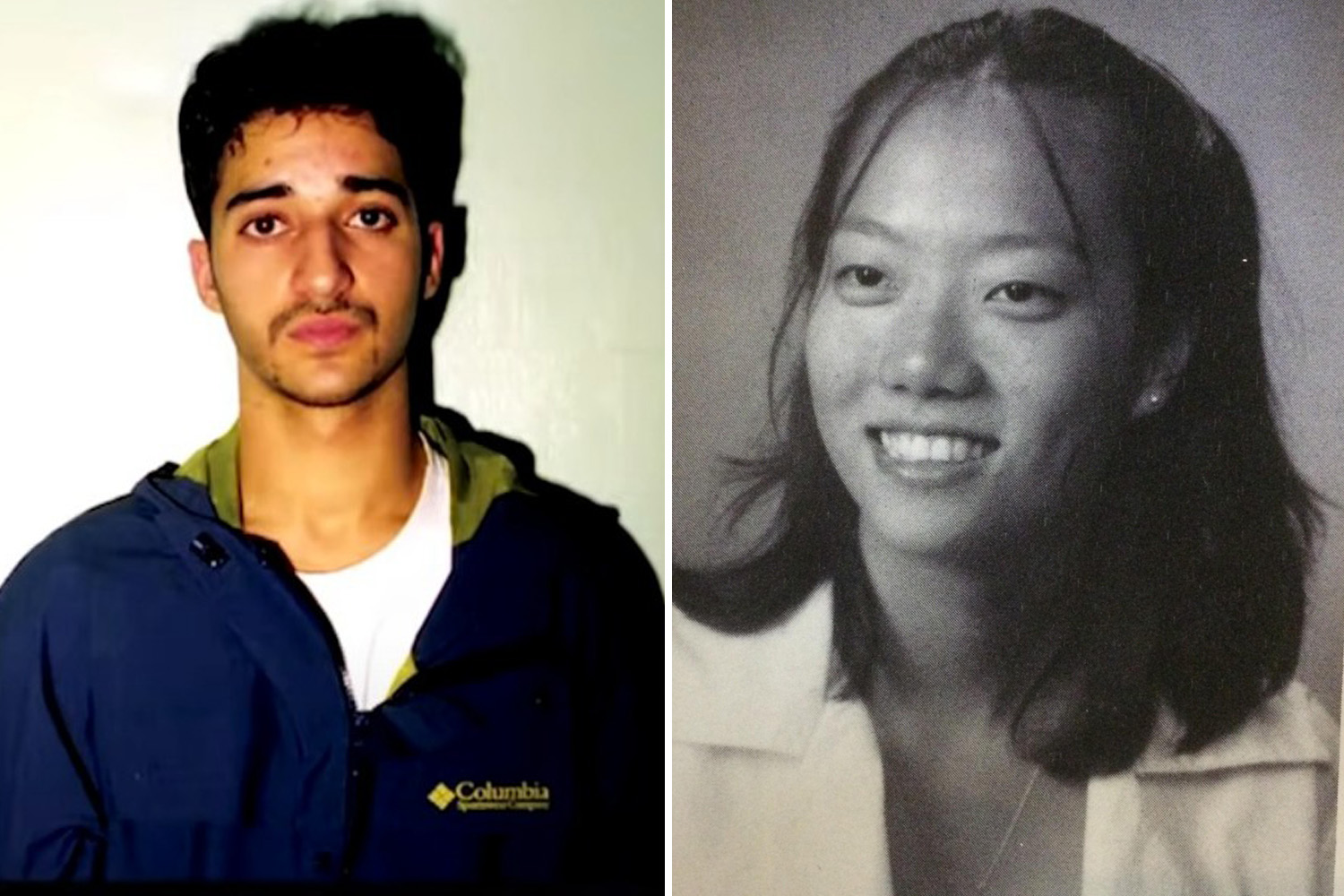
He was the key state witness.
Wilds testified that he helped Syed bury Lee's body in Leakin Park.
His account was the central narrative for the prosecution.
It was a narrative with inconsistencies.
The specific inconsistencies are not detailed in the record.
What the record does show is the cell phone records.
Those records placed Syed in the Leakin Park area around the time the body was believed to have been buried.
That was the hinge.
The prosecution hung its timeline on those calls.
The defense argued Wilds was the actual killer.
The defense argued the cell phone evidence was unreliable.
No physical evidence linked Syed to the crime scene.
The murder weapon was never recovered.
So the case rested on a witness and a record.
It rested on a witness whose story shifted.
It rested on a record that plotted a phone, not a person.
Was Syed in the park?
Was Wilds?
Was either of them where the records said they were?
That would require evidence the record does not supply.
Wilds placed himself at the burial.
He placed Syed there too.
The cell records placed Syed's phone in the area.
A phone is not a person.
A phone can be in one place while its owner is in another.
The jury heard the calls and the testimony.
The jury heard the inconsistencies and the denials.
They weighed a flawed witness against a flawed record.
They convicted.
THE TRIAL AND THE MISSED WITNESS
The trial opened in 2000 in Baltimore County Circuit Court.
Syed was charged with first-degree murder, kidnapping, robbery, and false imprisonment, according to the trial summary.
The jury convicted him of first-degree murder and kidnapping.
He was sentenced to life in prison plus 30 years.
The conviction was upheld on direct appeal.
That should have been the end of it.
It was not.
In 2016, a post-conviction court granted Syed a new trial.
The court cited ineffective assistance of counsel by Cristina Gutierrez, his defense attorney at trial.
The failure was specific: Gutierrez did not contact a potential alibi witness.
One phone call.
One name in a file.
That is what the record establishes, and the record does not go further.
The name and testimony of that potential alibi witness are not specified in the record.
What the witness would have said, what the witness would have changed, what the witness knew — none of that is established.
The higher court later reversed that 2016 decision.
The new trial was taken away.
The conviction stood again.
It is frustrating to read.
It is frustrating because the gap is so small and the stakes were so large.
A defense attorney who never made a call.
A witness who was never asked to speak.
A jury that never heard the question.
That would require evidence, and the record does not provide it.
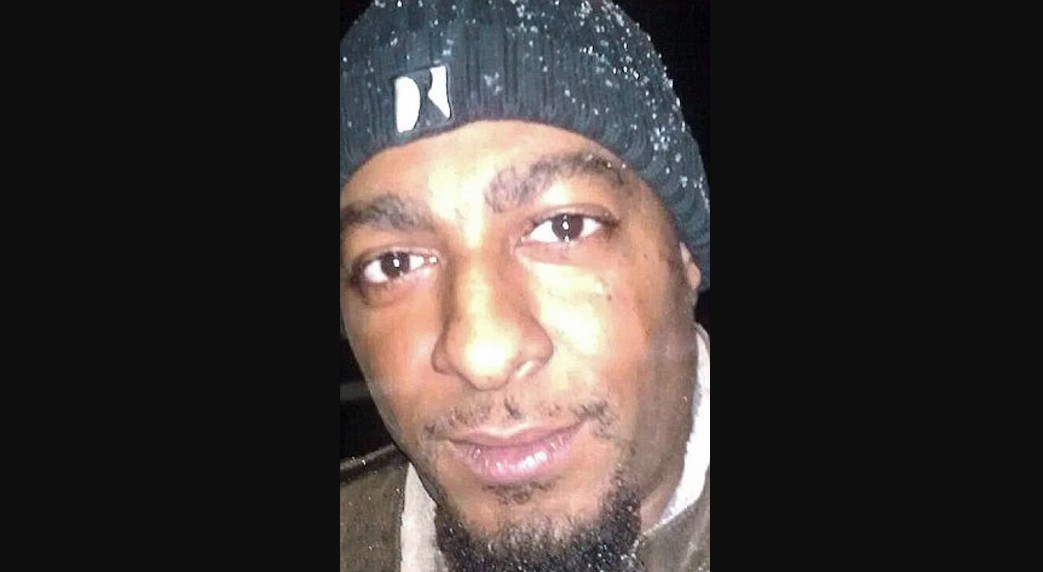
The case moved on, but the missed call stayed in the file.
AND THE STORY STILL ISN'T OVER
In 2022, a Baltimore City Circuit Court judge vacated Syed's conviction after prosecutors filed a motion citing new evidence and unreliable cell phone data, according to the trial summary.
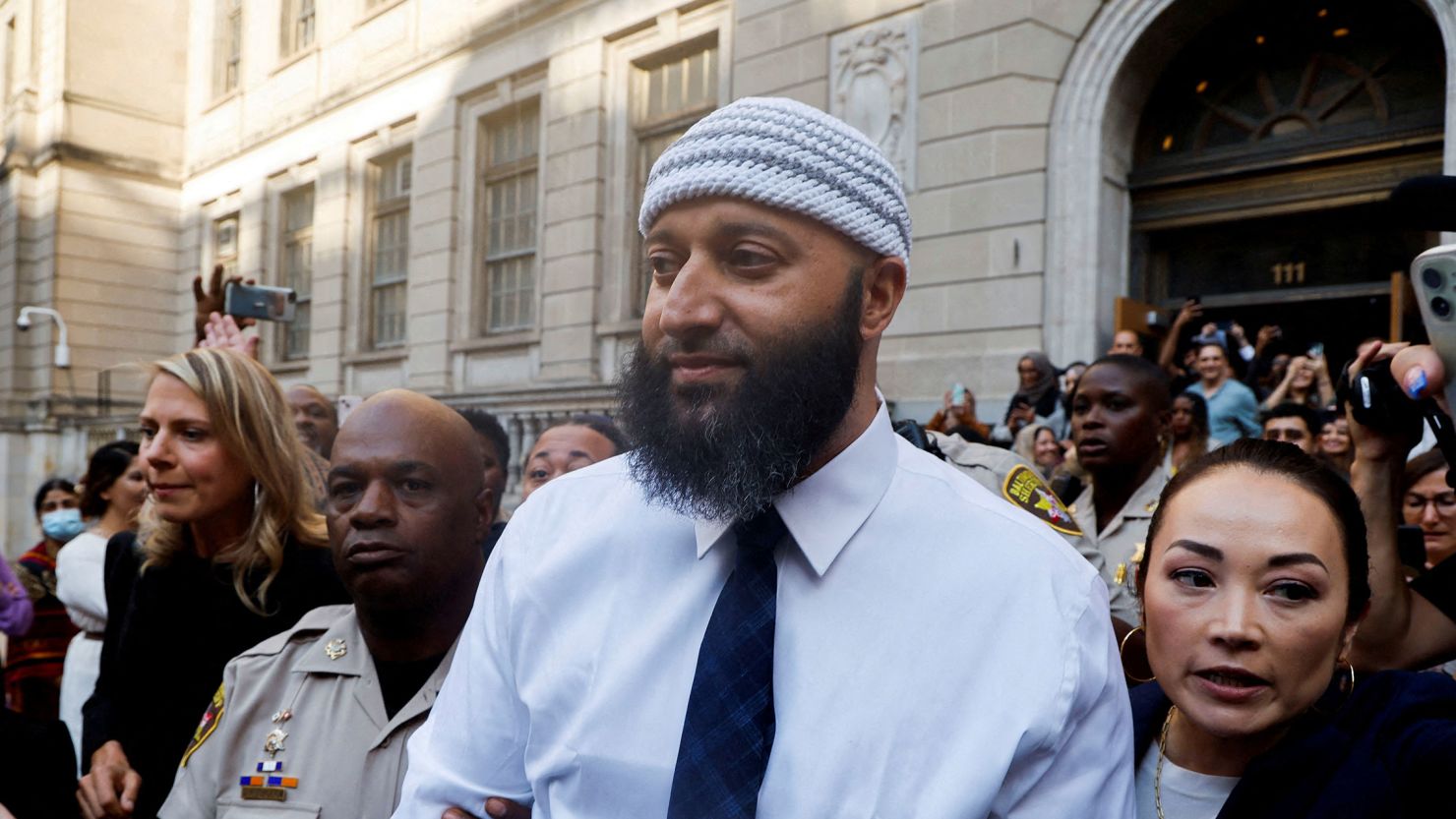
Syed was released from prison in September 2022.
The state later dropped all charges in 2023, and Syed was formally exonerated.
He has maintained his innocence throughout.
Hae Min Lee's family, through her brother Young Lee, opposed the vacatur and appealed, arguing they were not given adequate notice.
The outcome of that appeal is not in the record.
It is a closed case and an open one at the same time.
The exoneration did not settle the argument.
The "Serial" podcast brought national attention to the flaws in the original investigation and trial, and the debate has not quieted.
Was the cellphone data unreliable then or just inconvenient now?
Was the conviction overturned because the evidence failed or because the process failed?
Was justice served in 2022 or was it merely corrected?
That would require evidence, and the record does not provide it.
The family's appeal remains a question mark over the whole resolution.
A conviction was vacated.
A man was freed.
A family still contests the manner of his release.
The state's decision to drop charges was final, but the family's objection was not.
Syed walks free, and the record still holds a missed call, a buried body, and a theory that never became proof.
The story moved on, but the contested justice stayed in the file.
Advertisement
You may also like
The severed head in the canal, the confessed killer who was never charged, and the file police closed twice
The drainage canal ran along the Florida Turnpike near Vero Beach, 120 miles from where the boy had vanished. The head was found on…
The trucker's anonymous letters that named his own victims
The letters arrived unsigned, except for a circle with two dots and a curve. A smiley face. They were sent to the Oregonian and…

The Green River Killer’s confession count is 71. Why are only 48 convictions official?
Gary Leon Ridgway was a truck painter from Auburn, Washington. In November 2001, DNA evidence linked him to several victims, and he was arrested.…
The doctor with a scalpel and a secret that haunted Eliot Ness
The first body was found on September 5, 1934, in Kingsbury Run, a ravine that cut through Cleveland. He was a man, and no…
The slow-motion Bronco chase that began after O.J. Simpson was charged with murder
The Bronco drifted down the freeway at 35 miles an hour, a white speck trailed by a line of police cars. Al Cowlings was…
The Zodiac cipher that took 51 years to crack — and still gave no name
In December 2020, a team of private codebreakers solved the Zodiac's "340 cipher" — a cryptogram mailed to the *San Francisco Chronicle* in 1969.…