The Zodiac cipher that took 51 years to crack — and still gave no name
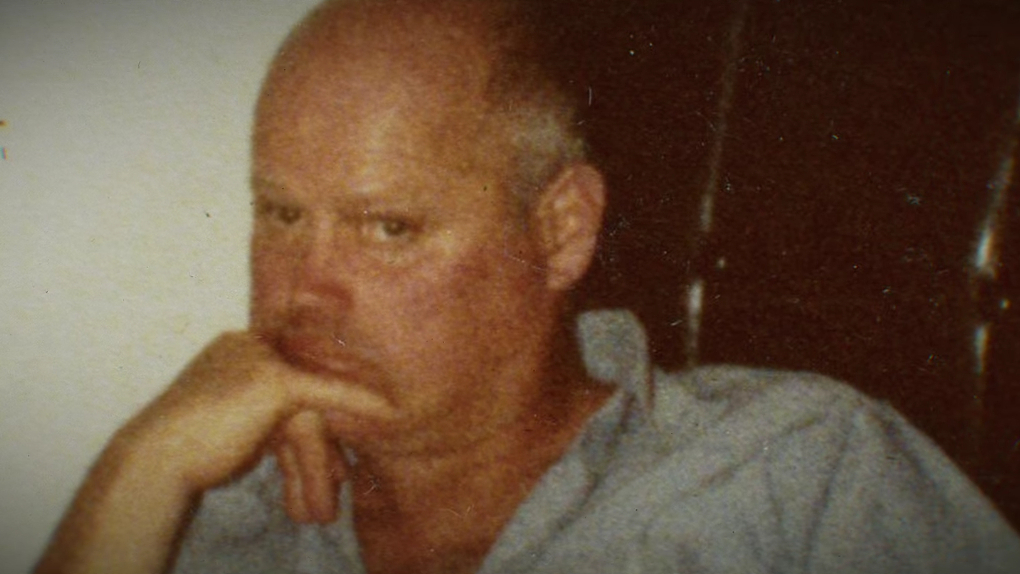
In December 2020, a team of private codebreakers solved the Zodiac's "340 cipher" — a cryptogram mailed to the *San Francisco Chronicle* in 1969.
It had taken 51 years.
The decoded message was a taunt, a complaint, a boast.
It offered no identity.
It did not name the killer.
The cipher was one of several the killer sent to Bay Area newspapers, along with letters that coined the name "Zodiac."
The solution made headlines around the world.
It renewed public interest in a case that had gone cold for half a century.
It produced no suspect.
No arrest followed.
No one was charged.
The record does not establish the identity of the person who wrote the cipher.
That is the shape of the whole case: an enormous puzzle, solved at last, and the answer still hides the name.
Awe at the 51-year feat.
Then the deflating realization.
The code was broken.
The mystery was not.
THE CONFIRMED ATTACKS
The first attack came on December 20, 1968, on a lovers' lane near Vallejo.
Two victims were shot there.
The second came on July 4, 1969, at Blue Rock Springs Park in Vallejo.
One victim died there; another survived.
The third came on September 27, 1969, at Lake Berryessa.
Two victims were stabbed; one died, one survived.
The fourth came on October 11, 1969, when a taxi driver was shot in San Francisco's Presidio Heights.
Between December 1968 and October 1969, a serial killer later known as the Zodiac murdered at least five people in the San Francisco Bay Area.
Those five were the confirmed attacks, according to the case record.
The killer sent cryptograms and letters to the *San Francisco Chronicle*, the *Vallejo Times-Herald*, and the *San Francisco Examiner*.
The name "Zodiac" came from those letters.
Each attack was separate.
Each attack was a distinct horror.
The killer's identity is not established.
The case was never solved.
THE INVESTIGATION'S TWISTS
The investigation was hampered by jurisdictional disputes among Vallejo, Napa County, and San Francisco police.
Each agency held a piece of the puzzle.
None of them held the whole.
A San Francisco patrolman, later identified as Officer Don Fouke, encountered a man matching the killer's description moments after the taxi driver's shooting.
He was not told of the suspect's description.
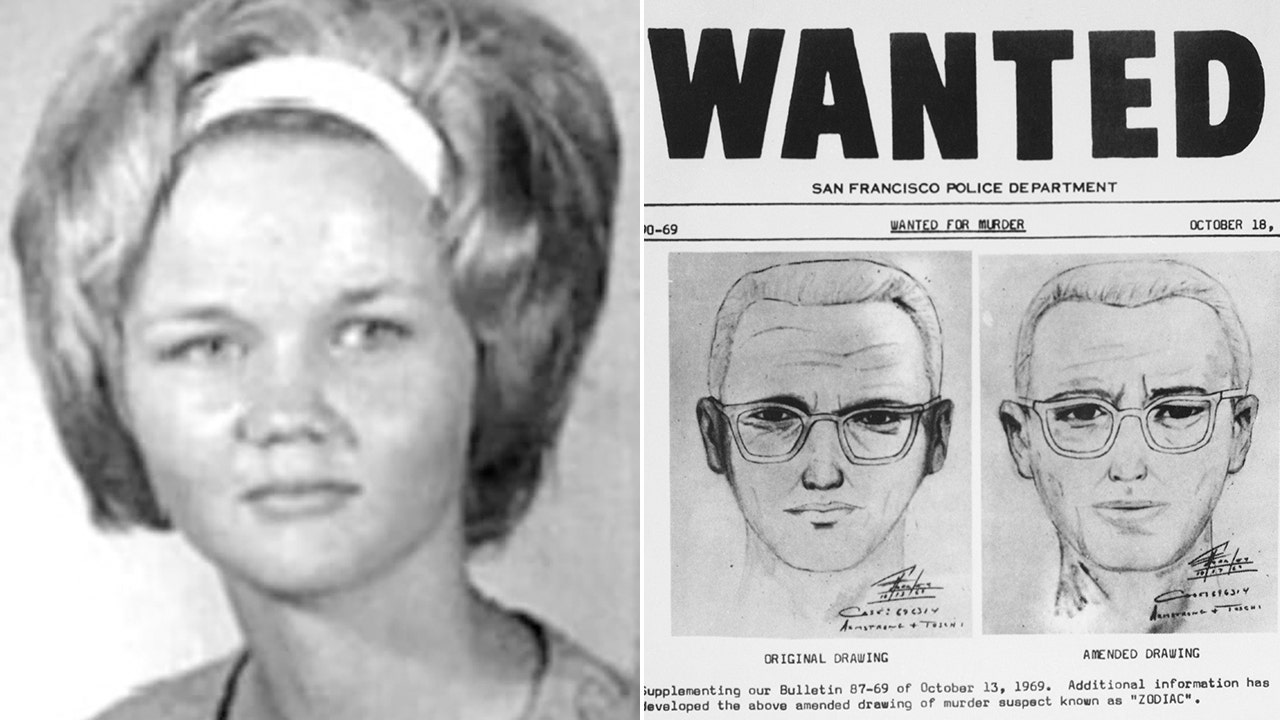
He let the man walk away.
That is a widely reported mistake.
Arthur Leigh Allen, a Vallejo schoolteacher and convicted child molester, was investigated after a former acquaintance told police Allen had made incriminating statements.
He was linked by a bloody fingerprint.
He was linked by eyewitness testimony from a survivor of the July 1969 shooting.
But forensic analysis was inconclusive.
Handwriting analysis was inconclusive.
Allen was never charged.
The record does not establish he was the killer.
Why did the fingerprint match not hold?
Why did the eyewitness identification not stick?
Why did the handwriting never line up?
That would require evidence the case file does not provide.
Inspector David Toschi, the lead investigator, became famous for the case.
He also became its embarrassment.
In 1978, it emerged that Toschi had been disciplined for sending an anonymous Zodiac letter to the press.
The letter was a fake.
The investigation's credibility was damaged.
A man who matched the description was let go on the street.
A suspect with a bloody fingerprint and an eyewitness was never arrested.
The lead detective was caught fabricating evidence from the killer's own pen.
The case was not solved.
THE TWO INTERPRETATIONS
Prosecutors looked at Arthur Leigh Allen twice — in 1971 and again in the early 1990s.
They searched his home under a warrant in 1991.
They concluded there was insufficient evidence.
He was never charged.
The defence would point to the same record.
Allen was a Vallejo schoolteacher and a convicted child molester, the primary suspect publicly named by investigators.
Forensic and handwriting analysis was inconclusive.
Posthumous DNA testing has been inconclusive.
Whether Allen was the killer is not established.
No one was ever charged.
The theory that the cipher would name the killer collapsed in December 2020.
When the 340 cipher was finally solved by a team of private codebreakers, the decoded message offered no identity.
No name.
No suspect.
The case remains officially open.
The FBI and multiple police departments still list it as unsolved.

How close did the investigation come?
A bloody fingerprint and an eyewitness pointed one way.
A lead detective was caught fabricating evidence from the killer's own pen.
That would require evidence.
The tension is not between two suspects.
It is between suspicion and proof.
Allen was investigated.
Allen was searched.
Allen was never arrested.
He died of a heart attack in 1992.
The case could still be prosecuted if new evidence emerged — the statute of limitations does not apply to murder.
It is a case with a primary suspect.
It is also a case with no conviction, no charge, and no name from the decoded message.
AND THE STORY STILL ISN'T OVER
The San Francisco Police Department re-opened the case in 2007.
It re-opened again in 2018, when DNA evidence was submitted for testing.
No match has been publicly announced.
Whether new evidence will emerge, or a match will be announced, is not established.
The statute of limitations does not apply to murder.
The case could still be prosecuted if new evidence emerged.
It is an open case.
It is an unsolved case.
One victim's sister has given interviews expressing frustration at the lack of resolution.
She has lived out her life without closure.
The families have largely lived out their lives without closure.
The case has spawned numerous books.
It has spawned documentaries.
It has spawned films.
No definitive answer has emerged.
The decoded message gave no name.
The primary suspect died in 1992, never charged.
The lead inspector was disciplined for sending an anonymous Zodiac letter to the press.
That fact emerged in 1978 and damaged the investigation's credibility.
The case remains officially open.
The next step is unknown.
A new tip could come.
A DNA match could come.
A confession could come.
That would require evidence.
The families wait.
The case waits.
Advertisement
You may also like
The radio and boots that broke the Clutter case — but the shotgun never surfaced
The radio sat on a table in a Las Vegas apartment, months after four people were bound and shot in a Kansas farmhouse. It…
Two men in police uniforms, one Thompson submachine gun, and a garage wall that gave way to silence
Seven men were dead against the garage wall by the time the echo of the guns stopped. It was February 14, 1929, a little…
The typewriter in a Montana cabin that matched the Unabomber's 35,000-word manifesto
Agents found the typewriter inside a 10-by-14-foot cabin near Lincoln, Montana, in 1996. The machine matched the one used to produce a 35,000-word manifesto.…
The cotton gin fan that pulled a body from the Tallahatchie — and the DNA test that settled it
A cotton gin fan came up with the body on August 31, 1955. It was tied to the neck with barbed wire, and it…
The bullet that tied Sacco to the crime — and the expert who couldn't agree
The bullet came out of a guard's body on a stretcher, passed from hand to hand, and ended up in a courtroom as the…
The missing surgical bag and a bloody footprint that Sam Sheppard's defense said pointed to an intruder
The footprint was one of them. The defense pointed to it as evidence of an intruder. A bloody footprint at the scene, they argued,…