The trucker's anonymous letters that named his own victims
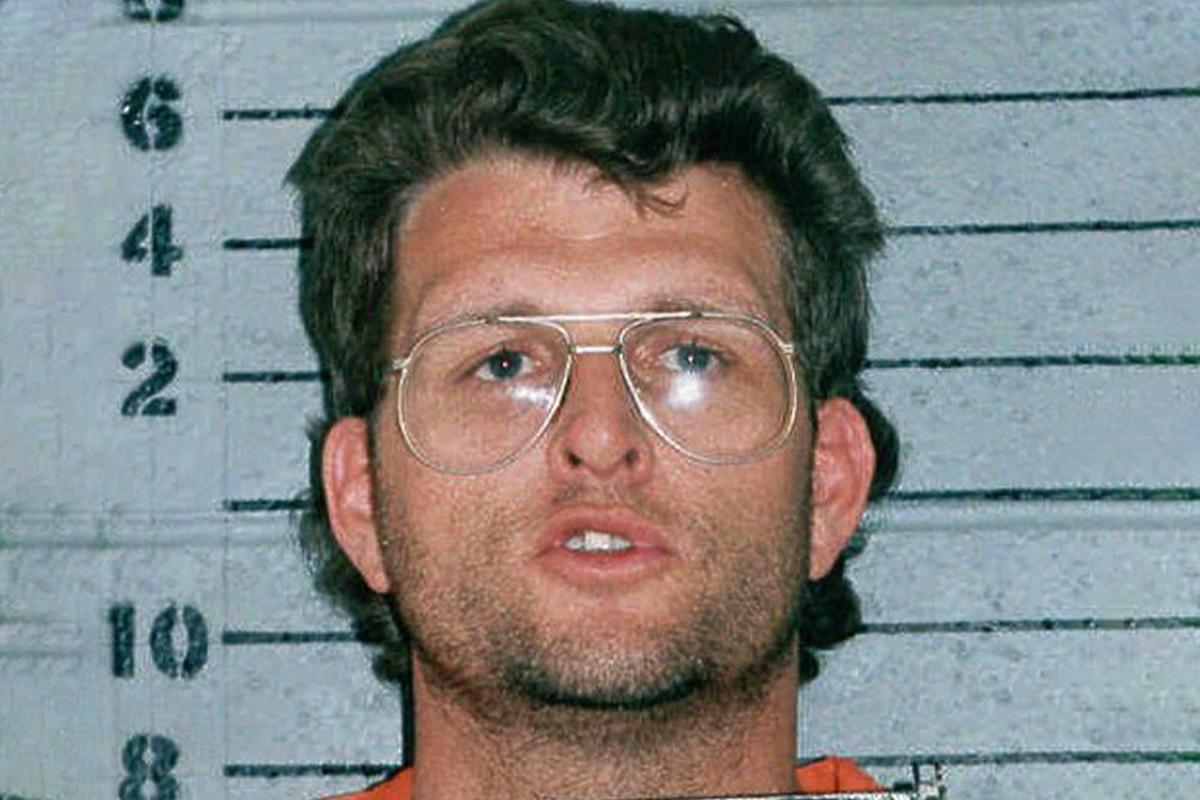
The letters arrived unsigned, except for a circle with two dots and a curve.
A smiley face.
They were sent to the Oregonian and to police, typed and anonymous, claiming responsibility for the murder of Taunja Bennett.
The case file records the claim.
The letters were not general. They named the victim. They described the act. They offered details that had not been released to the public.
Investigation notes say the letters contained details only the killer would know.
A stranger wrote to the paper to say he had strangled a woman and left her body along the Columbia River Gorge.
Then he drew a happy face.
The smiley face became a signature. It was a taunt, a return address for a man who wanted credit for the killing.
Who signs a confession with a smiley face?
Who writes to a newspaper to claim a murder?
Who knows the details that only the killer would know?
The record does not yet say.
The identity of the letter writer is not established in this section.
But the handwriting was kept.
The letters were kept.
And a long-haul trucker's route would eventually cross the paper trail.
THE FIRST KILLING
Taunja Bennett was 23 years old.
She was killed in January 1990 near Portland, Oregon.
The case file says she was strangled.
Her body was dumped along the Columbia River Gorge.
Jesperson was a long-haul truck driver.
His routes crossed the country, and they carried him through Oregon that winter.
He met women in bars or on the road.
He targeted the vulnerable: sex workers, hitchhikers, women who would not be missed quickly.
The investigation into Bennett's death did not find him.
Two people confessed to her murder.
Both were convicted in 1991.
They served years for a killing the case file says Jesperson committed.
Not because the evidence pointed to them.
Because the confessions were there, and the real killer was still driving.
Jesperson kept moving.
His truck took him through states, through years, through more killings.
The letters he would later send were still unwritten.
The smiley face had not yet appeared.
But the pattern was already set: a man on a route, a woman alone, a body left behind.
The two people convicted were later found to have been wrongfully convicted.
The names of those two people are not in the record for this section.
What the record does establish: they confessed, they were convicted, and they were cleared after Jesperson's own words caught up with him.
That would take five more years.
That would take a separate assault in Florida.
That would take a sister who recognized a brother's handwriting.
But in January 1990, none of that had happened.
Bennett was on the ground below the gorge.
Jesperson was back in the cab of his truck.
The innocent were in custody.
The case was closed.
THE LETTERS AND THE ARREST
The letters arrived unsigned, each one closing with a hand-drawn smiley face.
They went to the Oregonian and to police, claiming responsibility for Taunja Bennett's murder and others.
The writer offered details only the killer would know, according to investigation notes.
Detective Jim Byrnes of the Multnomah County Sheriff's Office had already watched two people confess to Bennett's killing and go to prison.
Now the letters suggested they had convicted the wrong pair.
The trail went quiet until March 1995.
Jesperson was arrested in Okaloosa County, Florida, after a separate assault, according to the case file.
In custody, he began to talk.
He confessed to multiple killings, including the murder of a 15-year-old in Washington, the case file states.
His handwriting matched the letters.
DNA and other forensic evidence linked him to more than one victim, according to the case file.
The wrongfully convicted pair were exonerated and released in 1996.
Relief came with the breadth of the confession.
It was a confession that named victims across Oregon, Washington, California, Wyoming, and Florida.
It was a confession that grew with each interview.
How many women did he admit to killing?
The exact number is not fully established.
Reports vary.
He would later plead guilty to eight murders in Oregon, Washington, and Wyoming.
The smiley face had stopped being a taunt.
It had become a signature that matched a man in a truck.
THE CONFESSIONS AND THE TRIAL
He pleaded guilty to eight murders in Oregon, Washington, and Wyoming.
That plea came in exchange for life sentences, and it spared him the death penalty.
In Oregon, the judge handed down three consecutive life terms without parole.
In Washington, he received a life sentence for one murder.
In Wyoming, he received a life sentence for another.
There was also a conviction in California for a separate killing.
The exact number of victims he admitted to is not fully established; reports vary.
The two people convicted for Taunja Bennett's murder had their convictions overturned in 1996.
His confessions were corroborated, and they were released from prison.
He never stood trial for Bennett's murder.
The statute of limitations had expired on the charge of manslaughter.
He had confessed to it.
The record shows the confession.
The record shows the overturned convictions.
The record does not show a trial for that killing, because the law had run out of time.
That is the frustration at the centre of the case: a documented confession, and no courtroom for it.
The smiley-face letters had named his own victims, and they had named him.
The signature matched a man in a truck.
The plea ended the prosecution of the confirmed cases.
It did not end the counting.
Law enforcement believes he may have killed more women than the eight confirmed, but no additional charges have been filed.
So the case closes with a man serving multiple life sentences at Oregon State Penitentiary.
It closes with two people exonerated.
It closes with one killing that the law could no longer reach.
That would require evidence, and the evidence was there.
The statute of limitations was not.
AND THE STORY STILL ISN'T OVER
He is serving multiple life sentences without parole at Oregon State Penitentiary in Salem.
He has given interviews and cooperated with true-crime authors.
He has also recanted some confessions, claiming he confessed to murders he did not commit.
Those recantations are unverified.
Law enforcement believes he may have killed more women than the eight confirmed.
No additional charges have been filed.
Whether he committed more murders is not established.
The smiley face may still have secrets.
The two people wrongfully convicted for the first killing received settlements from the state of Oregon.
Their names were cleared.
His were not.
He sits in a cell in Salem, and the letters sit in evidence files.
The record holds eight confirmed killings, a plea deal, and a signature.
It does not hold a final count.
It does not hold a full accounting.
It does not hold an end.
That would require evidence, and the evidence was there.
The statute of limitations was not.
Advertisement
You may also like
Why a cotton gin fan tied with barbed wire still haunts a Mississippi courtroom 70 years on
The cotton gin fan came up with the body on August 31, 1955, tied to the neck with barbed wire. The fan was a…
The voice that cracked the Smart abduction case open after nine months
The knife was at Elizabeth Smart’s throat, and her younger sister, in the same bed, heard the voice. The sister pretended to sleep. It…
The 31-day delay that hid a child's disappearance and the search that changed everything
The 911 call came on July 15, 2008, from a grandmother in Orlando, Florida. Cindy Anthony told the operator her 2-year-old granddaughter, Caylee Anthony,…
The courtroom chaos that let a convicted doctor walk free
The lake house was unlocked. Inside, on the night of July 4, 1954, Marilyn Sheppard lay bludgeoned to death in the upstairs bedroom. She…
The deleted QuickBooks invoices that placed a business associate at the McStay murders
On the night the McStay family disappeared, someone logged into Joseph McStay’s QuickBooks accounting software. The login deleted invoices and other records. A forensic…
The fiber evidence that tied Wayne Williams to two murders — and the defense's claim it was a setup
The stakeout was on the river, and the river was dark. On May 22, 1981, police heard a splash in the Chattahoochee. They saw…