The Christmas Eve disappearance that left a family waiting 111 days for answers
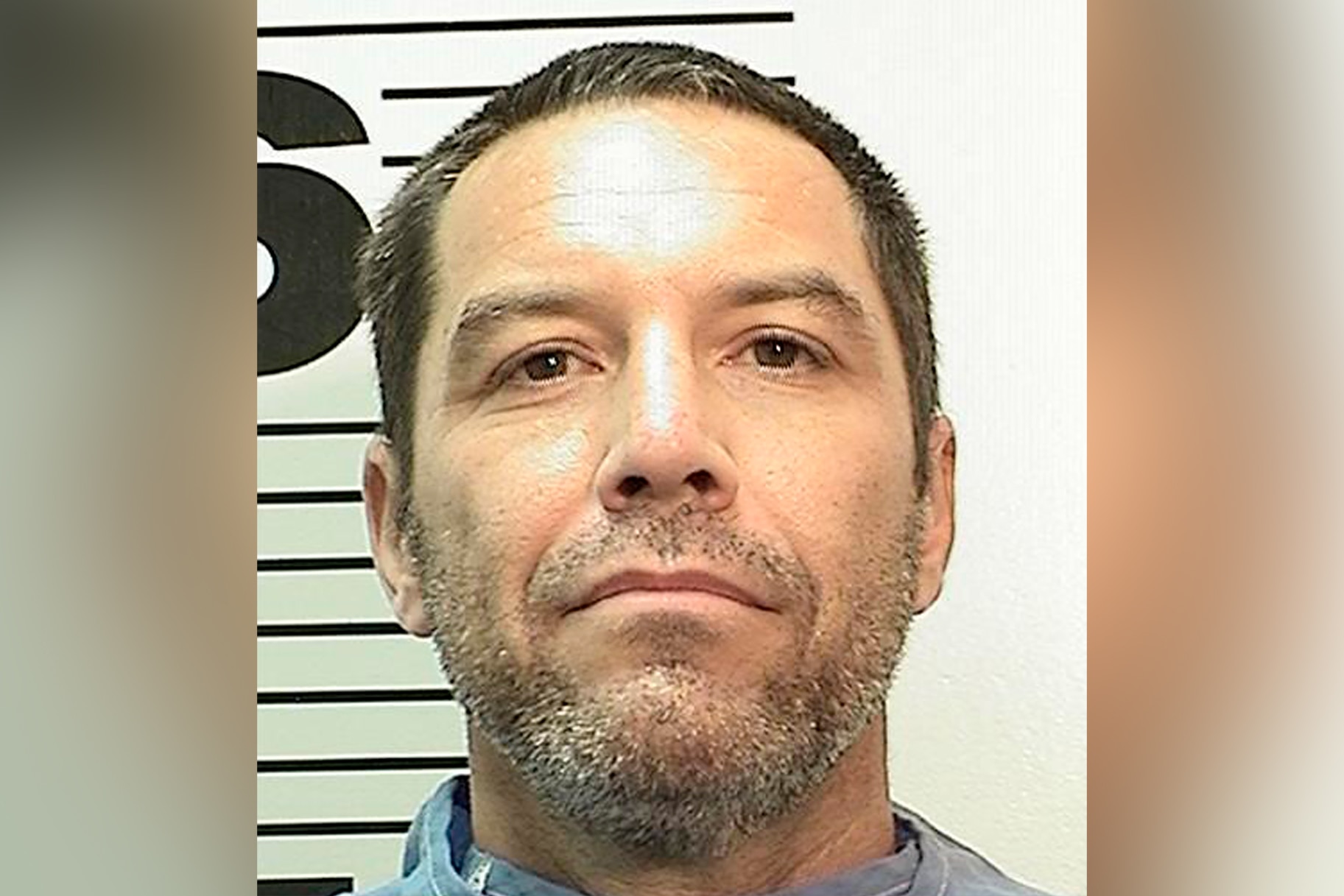
The Christmas Eve call came at 5:45 p.m.
Scott Peterson told police his wife was missing.
Laci Peterson, 27 and eight months pregnant, had last been seen that morning at the Modesto, California home they shared.
By nightfall, the search had begun.
Her mother, Sharon Rocha, would later say the family learned the news on the worst night of the year.
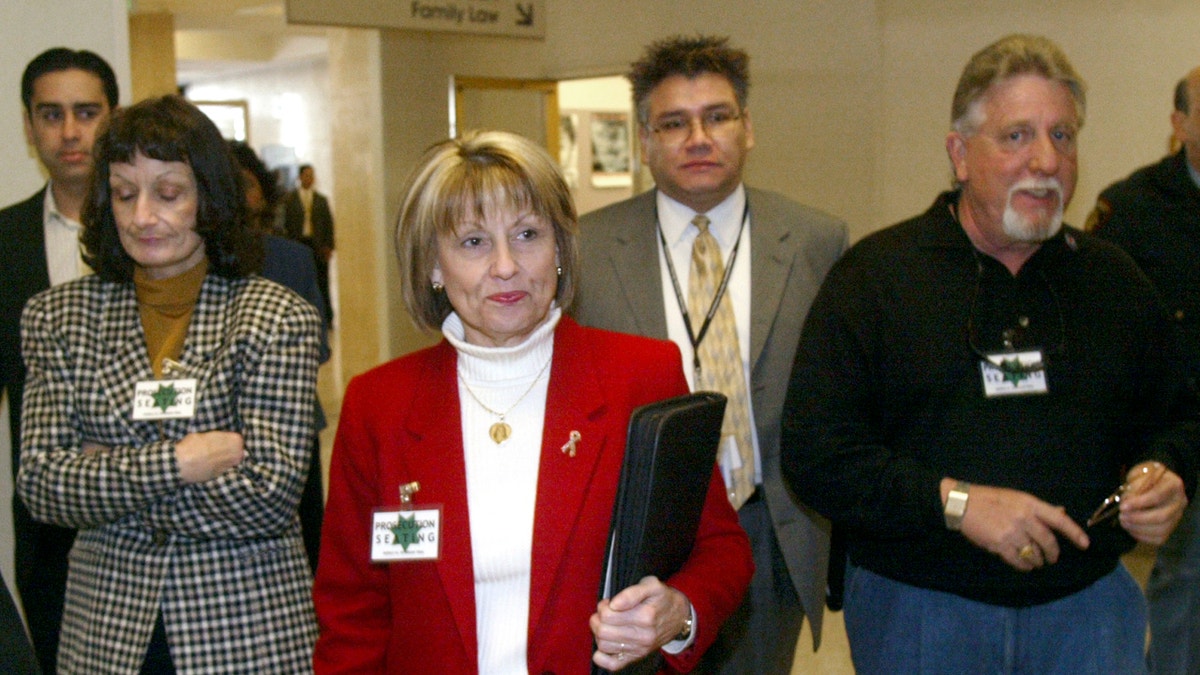
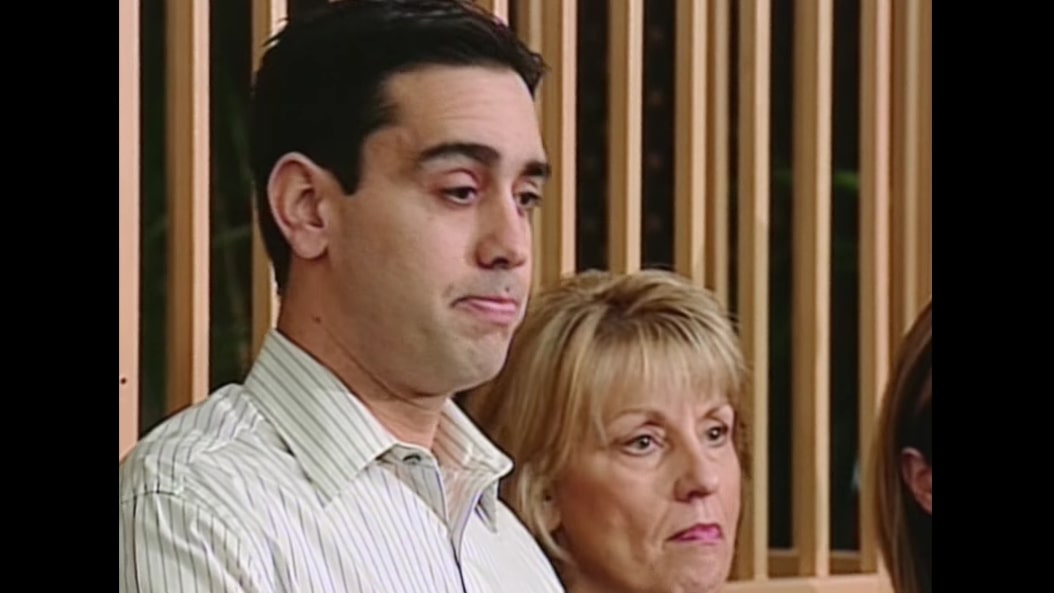
Her stepfather, Ron Grantski, her father, Dennis Rocha, and her brother, Brent Rocha, joined the search.
They stood in the cold and pleaded.
They spoke to cameras. They begged anyone who had seen her to come forward.
A pregnant woman does not vanish on Christmas Eve without someone knowing something.
That was the hope they held.
Online and in the media, a theory took shape: Laci had been taken by strangers.
Strangers in a van. Strangers who saw a pregnant woman walking alone and snatched her.
The theory spread. It was repeated on forums. It was repeated on television.
It was not supported by evidence.
What happened to Laci in the hours before her disappearance is not established by the record.
The record shows a woman who was there in the morning.
The record shows a husband who reported her missing that evening.
The record shows a family that waited.
They waited through Christmas. They waited through New Year's.
They held vigils. They held press conferences. They held onto the idea that she would come home.
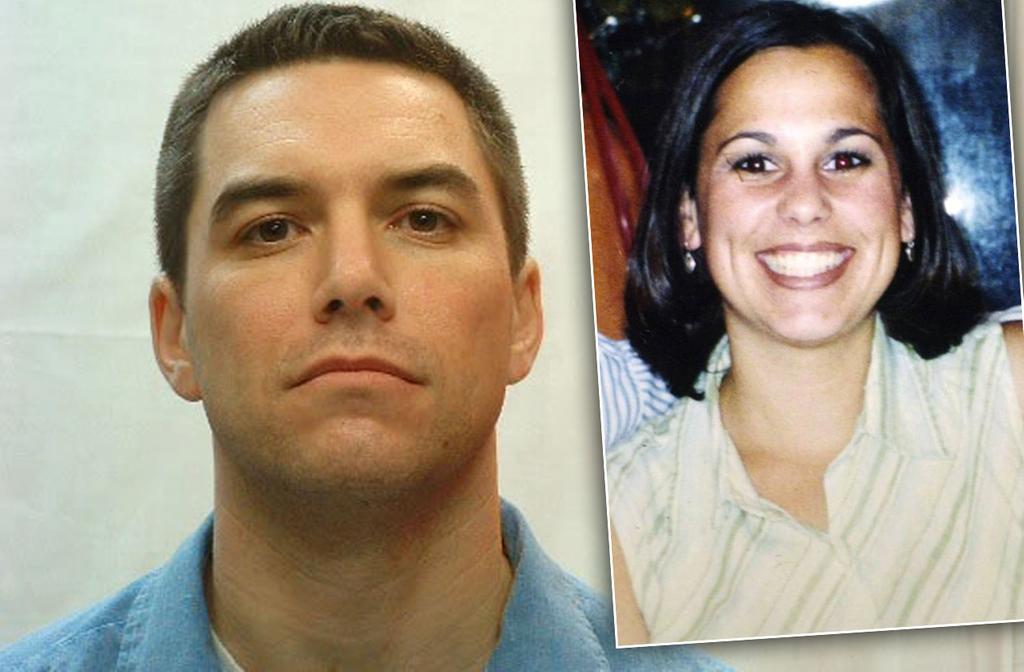
Her mother wore a button with Laci's face on it.
Her brother spoke her name into every microphone offered.
They were not asking for theories.
They were asking for their daughter, their sister, their child.
She was on the ground somewhere, they believed. Or she was alive somewhere, they hoped.
The days passed. The hope did not break. Not yet.
THE 111-DAY WAIT
The family’s appeals were public, and they were desperate.
Sharon Rocha, Laci’s mother, became the voice of the wait.
She stood before cameras and asked for help, for information, for her daughter.
The police had started with a different assumption.
They initially treated the case as a possible abduction, but suspicion quickly fell on Scott Peterson.
Investigators found inconsistencies in his statements about his activities that day.
He claimed to have been fishing at the Berkeley Marina, and that claim became a focal point.
The exact timeline of his movements on December 24 is not fully established beyond his own statements.
In January 2003, detectives learned of Scott’s affair with Amber Frey, a massage therapist.
She began cooperating with police, recording phone calls in which he made incriminating statements.
The calls were played, the words were heard, and the investigation turned.
Not because of a confession. Because of a pattern.
The family kept waiting.

Sharon Rocha kept speaking, kept naming her daughter, kept the story alive in the public eye.
She was asking for a missing woman, eight months pregnant, who had vanished from her own home.
The days turned into weeks.
The weeks turned into months.
The hope did not break, but it began to bend.
The record shows the family’s public pleas, the detective’s growing focus, the affair exposed.
What the record does not show is a stranger, a kidnapper, a random act.
That theory circulated, but it was not supported by evidence.
The investigation was moving, quietly and steadily, toward the husband.
The family did not know that yet.
They were still asking.
THE BODIES IN THE BAY
The water gave them back what the land had taken.
On April 13, 2003, the bodies of Laci and her unborn son, Conner, washed ashore in San Francisco Bay, near the Point Isabel Regional Shoreline.
The remains were identified the following day.
The coroner determined that Conner had been born alive before dying.
That single finding ended the family's 111-day wait, and it began another kind of waiting.
The location was considered significant.
It sat near the Berkeley Marina, the place where Scott Peterson claimed to have been fishing on the day she disappeared.
Not because the record proves what happened there. But because the coincidence demanded an explanation.
No murder weapon was ever found.
What killed them is not detailed in the source. The exact circumstances of their deaths are not established.
The cause and manner remain unstated. The record holds the fact of the discovery, and the fact of the location, and little else.
Sharon Rocha learned her daughter was gone in the way no mother should learn it.
The family had spent those months asking. Now the asking turned to something harder.
Was the bay the scene of the crime, or the place where the water chose to let go?
That would require evidence.
The water kept its own account.
THE TRIAL AND THE TWO STORIES
He was arrested on April 18, 2003, and later charged with two counts of first-degree murder.
The trial began in June 2004 in Redwood City, after a change of venue due to pretrial publicity.
The prosecution argued that Peterson killed his wife to escape impending fatherhood and his relationship with Amber Frey.
The defense, led by Mark Geragos, argued that Laci had been abducted and murdered by others.
Two stories, placed side by side in the same courtroom.
One story had a motive: a man who wanted out of a marriage and a coming child.
The other story had strangers: a woman taken from her home by unknown hands.
The prosecution's motive was not directly proven by the record.
The defense's abduction theory was not supported by evidence.
The record holds both gaps.
That would require evidence.
:max_bytes(150000):strip_icc():focal(999x0:1001x2)/laci-peterson-family-2-d60dbe78a8384fc4b387604161b69e09.jpg)
On November 12, 2004, the jury found Peterson guilty of first-degree murder for Laci's death and second-degree murder for Conner's death.
The jury weighed the two stories and chose.
For Laci's family, the verdict was a name for their loss.
For Peterson's family, it was a name they still refused.
The courtroom held two families, each waiting for the same answer.
The answer came down to which story the twelve believed.
It is a verdict.
It is not a proof of motive, and it is not a proof of strangers.
It is a decision, made on the evidence the record contains.
AND THE STORY STILL ISN'T OVER
In December 2004, the jury recommended the death penalty, and the judge sentenced Peterson to death.
It was a sentence.
It was not the end.
In 2020, the California Supreme Court overturned the death sentence due to juror misconduct during jury selection, but upheld the convictions.
The convictions stood. The sentence did not.
In 2021, Peterson was resentenced to life in prison without the possibility of parole.
He is incarcerated at Mule Creek State Prison.
Sharon Rocha, Laci’s mother, has continued to speak publicly.
She wrote a book about her daughter.
It is a book about a daughter who disappeared on Christmas Eve.
It is a book about a wait that lasted 111 days.
It is a book about a body found in the bay.
In 2024, the Los Angeles Innocence Project filed a motion for new DNA testing.
That motion was later withdrawn in 2025.
The outcome of that withdrawn motion is not detailed in the record.
The current status of any further legal proceedings is not in the record.
Not because the story ended. Because the record does not say.
A theory of stranger abduction circulated widely once.
It was a theory.
The record does not establish it.
What the record establishes is a verdict, a sentence, an overturning, a resentencing.
What the record establishes is a family still waiting.
Not for answers — those were given.
Waiting, perhaps, for the story to stop moving.
It has not stopped moving.
Sharon Rocha wrote a book.
Her daughter is gone.
Her grandson, Conner, was born alive before dying, the coroner determined.
She was on the ground below, and the story rose above her.
It is a verdict.
It is not a proof of motive, and it is not a proof of strangers.
It is a decision, made on the evidence the record contains.
It is also a family, still speaking.
Advertisement
You may also like
The 9-year-old boy whose mother demanded justice for Atlanta's vanished children
Camille Bell’s son was nine years old. His name was Yusuf Bell, and between 1979 and 1981, at least 28 Black children, adolescents, and…
The 31-day gap in a missing-child report that changed a family forever
On July 15, 2008, Cindy Anthony called 911 to report her two-year-old granddaughter missing. She told the dispatcher that her daughter, Casey Anthony, had…
The sister who spent decades correcting the 38-witness myth
The number 38 has been attached to Kitty Genovese's murder for decades. The supposed witnesses who saw or heard the attack and did nothing,…
Pregnant mom and two daughters vanish; husband's truck seen leaving at dawn
The truck is already moving before the street is fully light. A neighbor's security camera caught that image on August 13, 2018: Christopher Watts's…
A boat bought days before a missing wife — the timeline detectives couldn't shake
He reported her missing on December 24, 2002. Laci Peterson was eight months pregnant, and Scott Peterson told police she had vanished from their…
The rear axle that cracked the Oklahoma City bombing case open
The rear axle sat in a crater of broken glass and concrete, blocks from where the Murrah Building's north face used to be. At…