The Christmas Eve fishing trip that changed everything: Scott Peterson's alibi under scrutiny
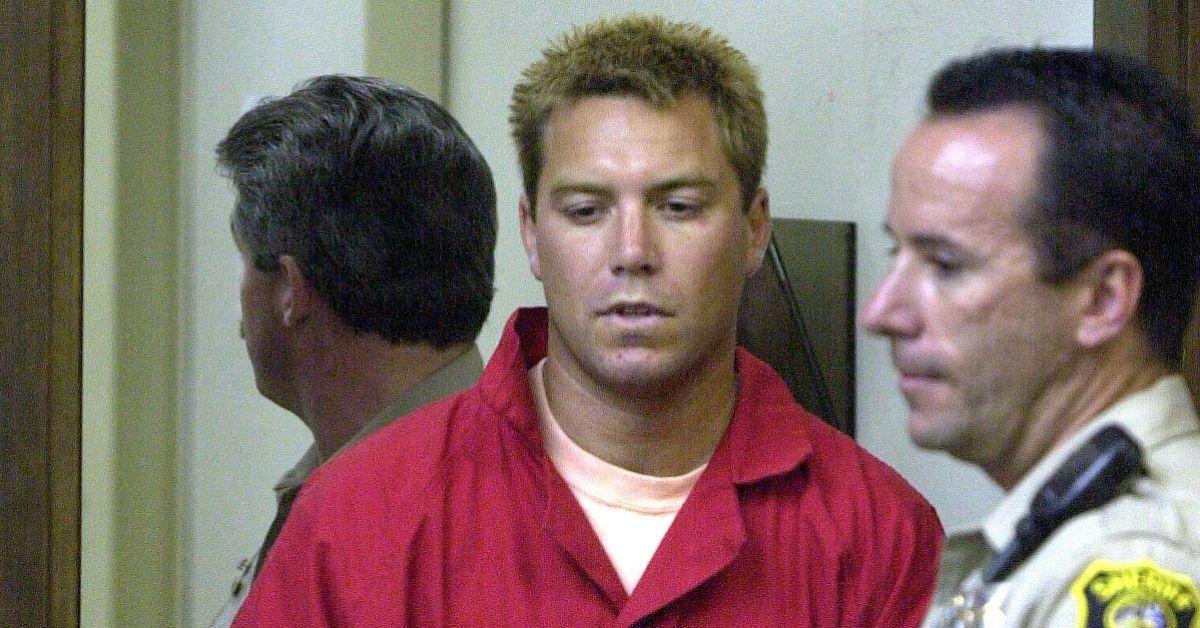
The Berkeley Marina fog burned off late on the morning of December 24, 2002.
Scott Peterson told police he had been fishing there alone since early that day, casting from the shore while his pregnant wife stayed home in Modesto.
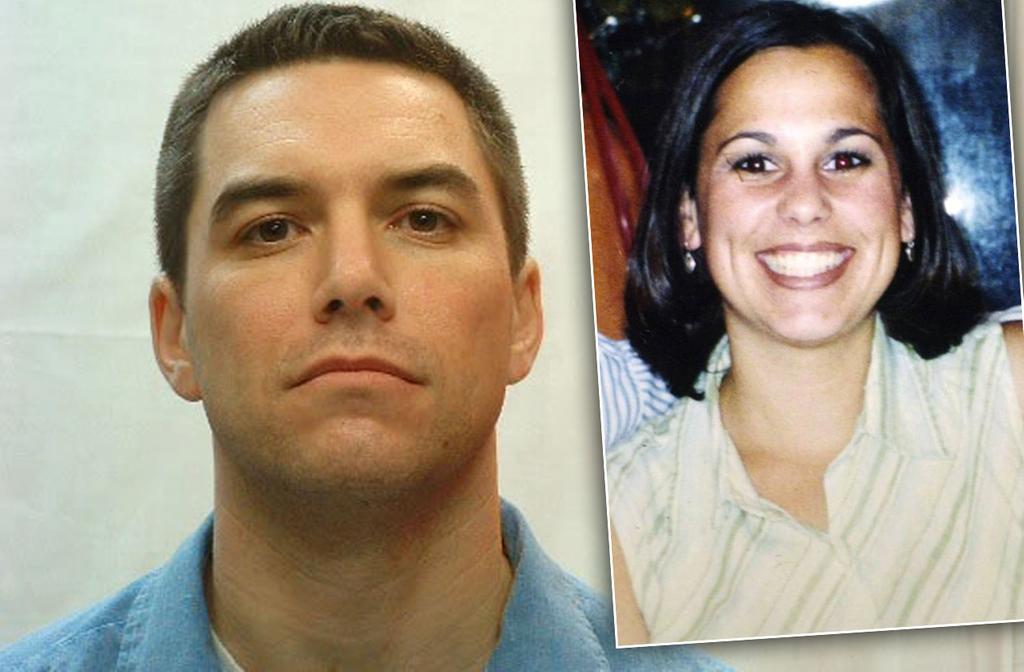
The same day, Laci Peterson, 27 and eight months along, was reported missing from that Modesto home.
One alibi, given on the day she vanished, carried the weight of everything that followed.
The record holds only his statement about the marina.
It is not established what Scott Peterson actually did there that morning, because the record contains only his words.
Police reports note he said he launched a small boat, fished for sturgeon, and returned by mid-afternoon.
No one saw him launch.
No one saw him fish.
No one saw him leave.
The weapon was never recovered.
Prosecutors later argued the murder happened in the home, and that the bodies were taken out on a boat from the marina — the same boat, the same morning, the same unverified trip.
Laci’s remains washed ashore in the San Francisco Bay area in April 2003.
The remains of her unborn son, Conner, came ashore near the same stretch of water.
That discovery turned a missing-person case into something else entirely.
The fishing trip was the hinge.
It was the one thing Scott Peterson said he did that no one could confirm.
How does one unverifiable morning explain the months that followed?
How does a sturgeon story answer a disappearance?
How does an empty boat dock account for two bodies in the Bay?
That would require a witness, a receipt, a sighting — none of which the record provides.
The marina held fog, water, and a man’s claim.
That was all it ever held.
CHRISTMAS EVE TO APRIL
On Christmas Eve 2002, the case opened as a missing-person investigation, not a murder inquiry.
Detectives Al Brocchini and Jon Buehler of the Modesto Police Department led the initial search.
The hour Laci Peterson was last seen is not established in the record.
The record does not specify when she was last seen, only that she was reported missing that day.
Suspicion fell on Scott Peterson quickly.
His account of the fishing trip did not hold together under repeated questioning.
Detective notes record inconsistencies in his story and in his behavior.
He did not act like a man whose pregnant wife had vanished.
In January 2003, Amber Frey came forward.
She testified that she had been in a romantic relationship with Scott Peterson while Laci was missing.
She testified that Peterson had told her he was a widower.
The revelation shifted the investigation's focus.
Phone records and witness statements placed Peterson in the area of the Berkeley Marina around the time of Laci's disappearance.
The marina held fog, water, and a man's claim.
That was all it ever held.
On April 18, 2003, Peterson was arrested in San Diego, near the Mexican border.
The arrest report notes he had dyed hair and a large amount of cash.
Prosecutors characterized this as an attempted flight.
The defense would later argue he was simply heading to the golf course.
That would require evidence.

That would require a ticket stub, a call, a witness.
The record provides none of those things.
THE TWO STORIES
The prosecution’s case was circumstantial, built piece by piece.
Prosecutors Rick Distaso and Dave Harris argued Scott Peterson killed Laci to clear the way for his relationship with Amber Frey.
That was the motive, they said, in their opening statements.
The defense, led by Mark Geragos, told a different story.
Laci had been abducted and murdered by strangers while Scott was fishing, he argued.
Two explanations, built on the same facts.
The same December morning.
The same trip to the Berkeley Marina.
The same missing woman.
The prosecution pointed to the bodies.
Laci’s remains and those of her unborn son washed ashore in the San Francisco Bay in April 2003.
Their location indicated they had been dumped from a boat, prosecutors argued.
A boat consistent with Scott Peterson’s fishing trip.
Forensic analysis supported that reading of the current.
Defense experts challenged it.
The currents could have carried the bodies from elsewhere, they testified.
Not from a boat, but from some other point of entry.
Could a stranger have killed her? Could the Bay have moved her that far?
The record does not settle either question directly.
No eyewitness to the murder is in the record.
The weapon was never recovered.
The prosecution’s theory held that the murder happened in the home, the bodies disposed of from a boat.
The defense’s theory held that strangers took her, and the water did the rest.
Which one holds up under scrutiny?
That would require evidence.
The jury heard both stories.
They chose one.
THE VERDICT AND AFTER
The trial began in June 2004 in Redwood City, California.
The venue had been changed from Modesto because of extensive pretrial publicity, according to court records.
On November 12, 2004, the jury found Scott Peterson guilty of first-degree murder for Laci's death.
The same jury found him guilty of second-degree murder for Conner's death.
In December 2004, the jury recommended the death penalty.
The judge sentenced Peterson to death in March 2005.
The conviction was upheld on appeal in 2012.
In 2020, the California Supreme Court overturned the death sentence due to juror misconduct during jury selection.
The conviction stood.
In December 2021, Peterson was resentenced to life in prison without the possibility of parole.
The motive was never established beyond the prosecution's argument.
The record does not contain a confession.
Prosecutors had argued Peterson killed Laci to pursue his relationship with Amber Frey.

The jury heard that argument.
They chose it.
But the legal record kept moving after that choice.
The verdict was final.
The punishment was not.
What does justice look like after so many years?
That would require evidence.
The evidence that put him there was circumstantial.
It still is.
AND THE STORY STILL ISN'T OVER
He is still at Mule Creek State Prison.
The sentence is life without parole.
The Los Angeles Innocence Project took up his case in 2024, according to legal filings.
They sought DNA testing of evidence.
In 2025, a court granted a motion for further testing, the court order states.
What will the testing show?
What will it clear?
What will it confirm?
That is not in the record yet.
No result is documented.
No new trial has been ordered.
The case is not closed, but it is also not reopened.
:max_bytes(150000):strip_icc():focal(749x0:751x2)/Jackie-Peterson-and-Lee-Peterson-leave-the-San-Mateo-Superior-Courthouse-121625-55846a7459e640d79a1b33bfbc8af4b1.jpg)
Sharon Rocha has continued to speak publicly about her daughter.
She has opposed the efforts to overturn the conviction, her public statements show.
She has said the family wants the verdict to stand.
Amber Frey wrote a book about her experience.
In recent years, she has largely stayed out of the public eye, according to published interviews.
The defense argued the investigation was incomplete.
The prosecution argued the evidence was enough.
The jury agreed in 2004.
The conviction stood on appeal.
The death sentence did not.
That was overturned in 2020.
The resentencing came in December 2021.
Life without parole.
The DNA testing is the next step.
It is a step, not an answer.
The weapon was never found.
The bodies were found in the Bay.
The fishing trip remains the alibi.
The alibi remains disputed.
The record holds the verdict.
The record holds the sentence.
The record does not hold the test results.
That would require evidence.
It is still not in.
Advertisement
You may also like
Three men, one night in Aruba, and a beach sighting that never added up
The beach was near the Kalpoe brothers' home. A witness said they saw Natalee Holloway there with the three men. The record does not…
The ice pick and club that ended a Green Beret's family — and the story he told MPs
The telephone in the bedroom was off the hook. Army Captain Jeffrey MacDonald, a Green Beret physician, was found alive in his home at…
The open letter urging prosecutors to drop a death sentence, and the family behind it
The letter arrived in the spring of 2015. Bill and Denise Richard wrote it. They were the parents of Martin Richard, the 8-year-old boy…
The kennel video that broke a dynasty lawyer's alibi — what did it show?
The video is seven seconds long, and it shows a dog. Paul Murdaugh filmed it on his phone at Moselle, the family's hunting estate…
The love letters scattered beside a choir singer and a pastor's bodies
The crabapple tree stood in De Russey's Lane, near Phillipsburg, New Jersey. Under it, on September 14, 1922, two bodies lay side by side.…
The 31-day gap between Caylee Anthony's last sighting and the 911 call that began it all
Caylee Marie Anthony was two years old. She was last seen by family members on June 16, 2008, in Orlando, Florida. No one reported…