The 31-day gap between Caylee Anthony's last sighting and the 911 call that began it all
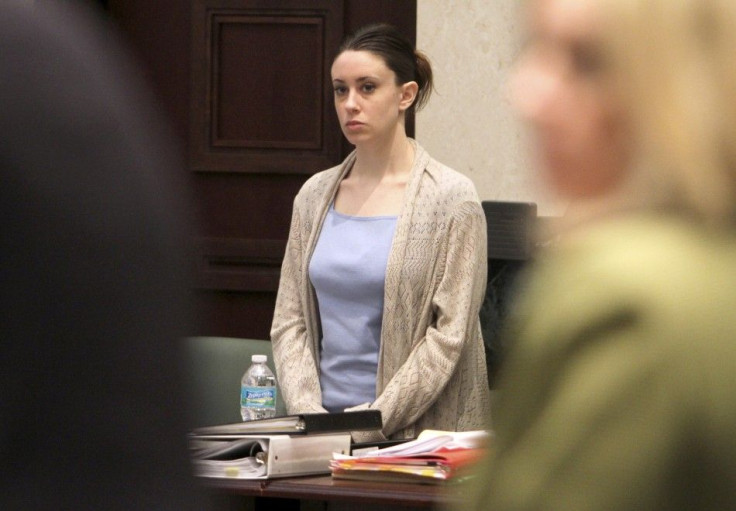
Caylee Marie Anthony was two years old.
She was last seen by family members on June 16, 2008, in Orlando, Florida.
No one reported her missing for 31 days.
The person who finally called 911 was her maternal grandmother, Cindy Anthony, on July 15, 2008.
In that month, the child's mother, Casey Anthony, told investigators a nanny named Zenaida Fernandez-Gonzalez had taken her.
That person did not exist.
The record does not say where Caylee was on June 16, 2008.
The record does not say what happened that day.
The record does not say what happened in the 31 days after.
None of it is established.
Who saw her last?
Why did no one speak?
That would require evidence the record does not contain.
What the record holds is a month of silence, then a grandmother's voice on the line.
It holds a mother's story about a nanny who was never there.
It does not hold the moment of harm.
It does not hold the cause of death.
It holds only the gap — June 16 to July 15 — and the unanswered weight of it.
:max_bytes(150000):strip_icc():focal(623x0:625x2)/George-Anthony-Cindy-Anthony-010424-3-9f1c1549a75741468dc8eddbec6fa69c.jpg)
THE 911 CALL AND THE SEARCH
Cindy Anthony called 911 on July 15, 2008, to report her granddaughter missing.
The call came 31 days after the child was last seen.
Lead detective Yuri Melich of the Orange County Sheriff's Office took the case.
Casey Anthony gave investigators multiple false leads.
She named a nanny, Zenaida Fernandez-Gonzalez, who had taken the child.
The nanny did not exist.
What Casey Anthony did during those 31 days is not in the record.
That gap is not established.
It is simply absent from the documented timeline.
George Anthony, the child's grandfather, joined the early search efforts.
He searched the neighborhood, the woods, the places a family would look.
The search went on for months.
It went on through the summer heat of Orlando.
It went on without finding the child.
Detectives pressed the mother's story.
Each false lead cost time.
Each false lead pointed away from the child.
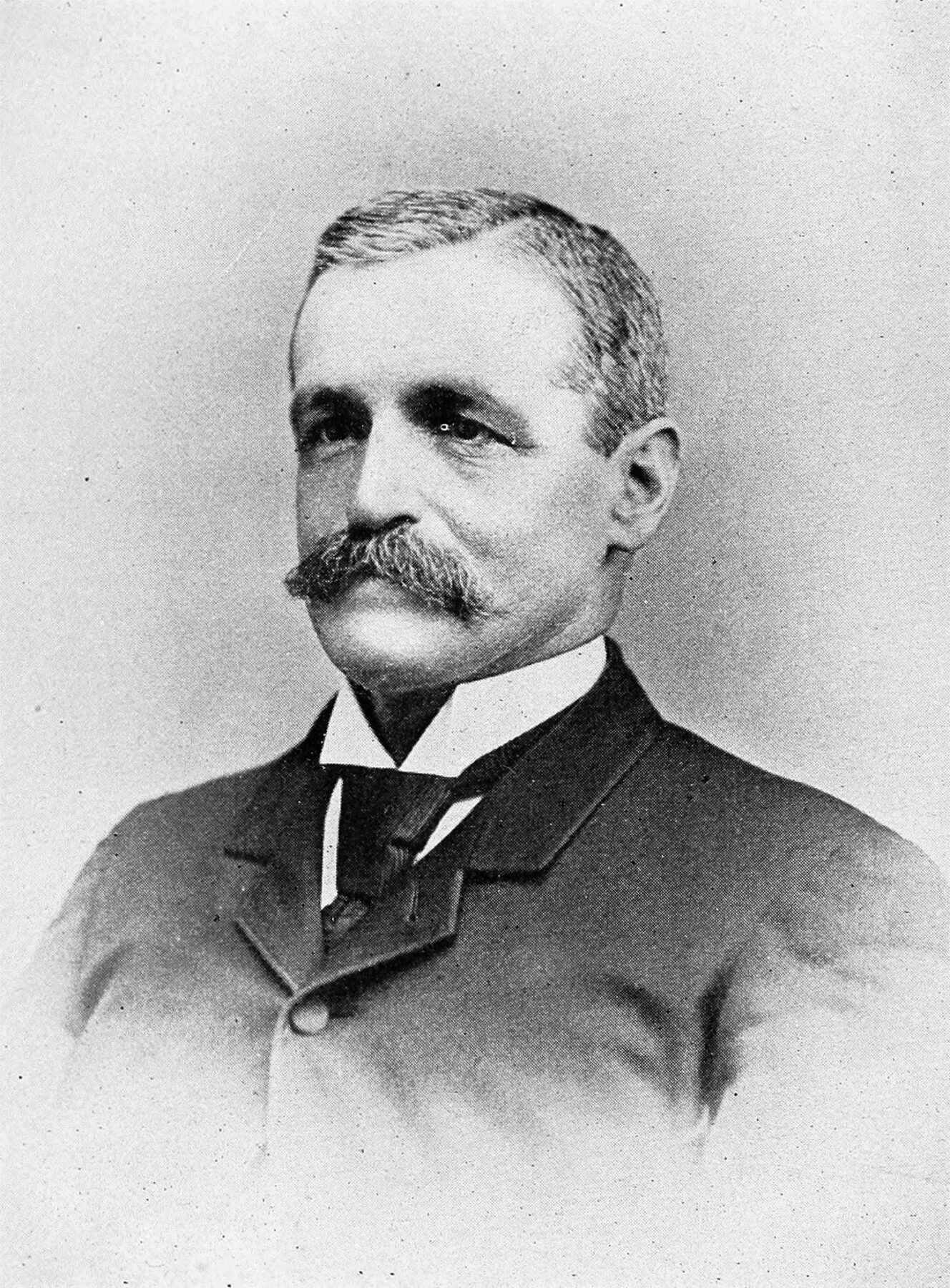
The family searched while the mother's account shifted.
The grandfather searched.
The grandmother had made the call.
The child remained missing.
Investigators checked the car.
They checked the trunk.
They found a decomposition odor.
An FBI forensic examiner later testified about chloroform and decomposition byproducts in the car.
That was evidence.
It was not a location.
The search continued through the fall.
Neighbors searched.
Volunteers searched.
The woods near the family home were searched.
Nothing was found there in the early months.
The child was not found in the first search.
She was not found in the second.
The record holds the search, the false leads, the 31-day silence.
It does not hold what happened in that time.
That would require evidence.
THE REMAINS AND THE FORENSICS
The utility worker found the bones in a wooded area near the Anthony home.
That was December 11, 2008.
The remains were identified as Caylee Anthony on December 19, 2008.
The shift happened there. The case stopped being a missing child and became a homicide.
The medical examiner ruled the death a homicide.
The cause of death could not be determined.
Not because the science failed quietly. Because the body did not say how she died.
That fact stayed with the case. It stayed with the jury. It stayed with anyone who followed the trial.
Forensic evidence did speak to other things. An FBI forensic examiner testified about the decomposition odor in Casey's car trunk.
He testified about chloroform. He testified about decomposition byproducts.
Those findings were documented. They were presented in court.
What they did not do was establish when the remains reached the woods.
The defense argued the remains had been placed there after the initial search of the area.
That claim was disputed. The record does not resolve it.
So the timeline holds a gap before the 911 call. It holds a second gap after the discovery.

She was last seen on June 16. She was reported missing on July 15. Her remains were found on December 11.
Between the last sighting and the call, 31 days. Between the search and the discovery, months.
The science narrowed things. It did not close them.
The cause of death is not determined. When the remains were placed in the woods is disputed.
That is where the documented record stops.
TWO STORIES, ONE CHILD
The prosecution told a story of a mother who wanted her child gone. That story relied on a car trunk that smelled of death, on computer searches, on a lie about a nanny who did not exist.
The cause of death could not be determined. So the prosecution's case was largely circumstantial.
The defense told a different story. Caylee had accidentally drowned in the family pool, the defense argued, and the Anthony family had covered it up.
The defense also introduced evidence suggesting that George Anthony had made internet searches for chloroform. That evidence was disputed.
Casey Anthony was charged with first-degree murder, aggravated child abuse, aggravated manslaughter of a child, and four counts of providing false information to law enforcement. The trial began in May 2011.
It was widely televised. A family sat in the courtroom and watched two versions of its own tragedy.
Which story is true is not established by the record. The cause of death remains undetermined.
The grandmother said the two-year-old was missing. The mother said a kidnapper took her. The grandfather searched the woods.
There was a child. There was a pool. There was a car trunk. There was a lie about a nanny.
All of it points somewhere. None of it points to a single, certain end.
That would require evidence the record does not contain. So the stories remain two, and the child remains one.
AND THE STORY STILL ISN'T OVER
/jose-baez-1-c5cc5e9bf1ef40618009a54f4c07593e.jpg)
On July 5, 2011, the jury acquitted Casey Anthony of the murder, aggravated child abuse, and aggravated manslaughter charges.
The prosecution had sought the death penalty.
She was convicted only of four misdemeanor counts of providing false information to law enforcement.
She was sentenced to time served and a fine, and was released from jail on July 17, 2011.
The verdict was widely criticized by the public and legal commentators.
Some called it a failure of justice. Some called it a failure of evidence.
But the evidence is what it is: no cause of death, no witness to the moment, no certain end.
What happened to Caylee on June 16, 2008, is not established.
The jury did not decide that. No one has.
The case has been the subject of numerous documentaries and books.
Each one asks the same question. Each one answers it differently.
No new criminal proceedings have occurred.
There was a child. There was a pool. There was a car trunk. There was a lie about a nanny.
All of it points somewhere. None of it points to a single, certain end.
That would require evidence the record does not contain.
So the story remains open.
The verdict was delivered. The fine was paid. The jail door opened.
And the story still isn't over.
Advertisement
You may also like
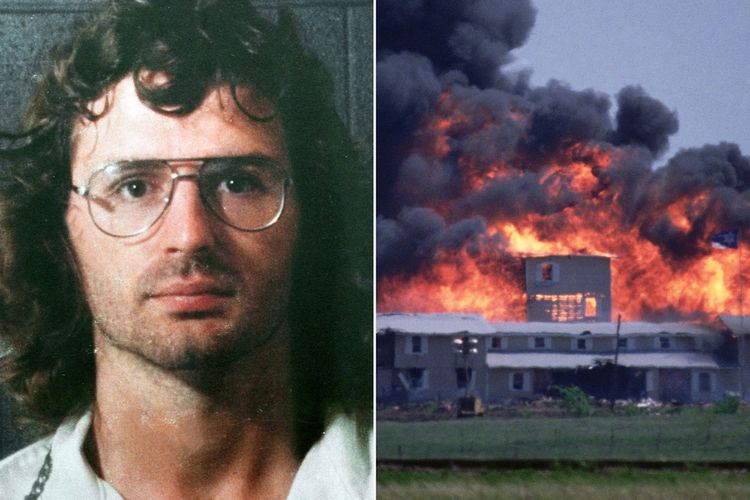
The 51-day standoff that ended with 76 deaths, including more than 20 children
The search warrant was signed, and the plan was to arrest David Koresh. The raid was meant to be a routine execution of that…
The fishing trip alone at the marina that unraveled Scott Peterson's alibi
He told police he had gone fishing alone at the Berkeley Marina that morning. December 24, 2002. That evening, Laci Peterson, his 27-year-old pregnant…
The 1981 mall abduction that ended with a severed head in a canal — and a confession that kept changing
The drainage canal ran beside the Florida Turnpike in Vero Beach, a hundred miles north of where the boy vanished. On August 10, 1981,…
The ransom gold certificate that led police to a Bronx gas station — and a carpenter's door
A man stopped for gasoline in the Bronx in September 1934. He paid with a gold certificate, a bill the U.S. Treasury Department had…
Three men, one night in Aruba, and a beach sighting that never added up
The beach was near the Kalpoe brothers' home. A witness said they saw Natalee Holloway there with the three men. The record does not…
The ice pick and club that ended a Green Beret's family — and the story he told MPs
The telephone in the bedroom was off the hook. Army Captain Jeffrey MacDonald, a Green Beret physician, was found alive in his home at…