The 1981 mall abduction that ended with a severed head in a canal — and a confession that kept changing
The drainage canal ran beside the Florida Turnpike in Vero Beach, a hundred miles north of where the boy vanished.
On August 10, 1981, a severed head was found in that water.
Dental records identified it as Adam Walsh.
He was six years old.
The rest of his body was never recovered.
The canal was ordinary. The Turnpike was ordinary. The head was not.
How did a child's head travel a hundred miles from the Hollywood Mall?
Who put it in the water?
How long had it been there?
That would require evidence, and for years the case had none.
The medical examiner confirmed the identity through the teeth. That was the one certainty.
Everything else was open country.
The case remained unsolved for over a decade. No charges. No named suspect. No body beyond that single part.
The canal gave back one piece of Adam Walsh. It kept the rest.
It is not established who placed the head in the canal or how it got there. The record does not answer that.
It only says where the head was found, and when, and whose it was.
The rest of the story would have to come from somewhere else.
THE MALL AND THE MISSING MINUTES
It was July 27, 1981, and six-year-old Adam Walsh was at the Hollywood Mall with his mother, Revé Walsh.
She was shopping nearby.
He was gone.
She reported him missing within minutes.
A search of the mall and its surrounding area found nothing.
Police interviewed witnesses and employees, but no one had seen Adam being taken.
The initial investigation focused on the Hollywood Mall and its immediate surroundings.
It was a public place, full of people, and still no one saw anything.
The exact moment of the abduction is not in the record.
The method is not in the record.
What the record does show is the frantic minutes between a mother noticing her son was gone and the report she made.
Minutes lost.
Minutes that produced no witness, no description, no clue.
Officers swept the mall, the parking lots, the streets around it.
They questioned shoppers, store clerks, security staff.
No one had seen a struggle.
No one had seen a child led away.
No one had seen a car leaving in a hurry.
The absence of a witness in a crowded place was its own kind of evidence, though it pointed nowhere.
The investigation stayed local for days, rooted in the belief that someone at the mall must have seen something.
That belief did not hold.
The record does not answer how Adam left the mall, or with whom, or at what precise minute.
It only says he was there, and then he was not.
The search of the mall and surrounding area found nothing.
THE CONFESSIONS THAT CHANGED
In the mid-1980s, a man already in prison for other murders confessed to killing Adam Walsh.
His name was Ottis Toole.
He gave details that some investigators found credible.
He later recanted.
The confessions were inconsistent.
Not because the record says what those inconsistencies were.
But because the record does not say.
The specific inconsistencies in Toole's confessions are not detailed in the record.
That is what the record establishes.
Toole was never charged with Adam's murder.
In 1996, the Hollywood Police Department reopened the case.
The lead detective reviewed the evidence.
He reviewed Toole's confessions.
He reviewed statements from Toole's associates.
What did the associates say?
What did the confessions contain that matched?
What did they contain that did not?
That would require evidence.
The record does not provide it.
Toole died of a heart attack in prison on September 15, 1996.
He was never charged.
The confessions had shifted shape for years.
Recanted, then repeated.
Repeated, then recanted.
A confession that changes is a confession that cannot be fixed in place.
It is a statement.
It is also a question.
The case was reopened in 1996.
It would not be closed for another twelve years.
Toole was gone by then.
The confession remained.
THE 2008 DECLARATION
The declaration came in 2008.
Police announced that they were certain Ottis Toole had killed Adam Walsh.
They cited Toole’s confessions.
They cited corroborating details.
The record does not specify what those details were.
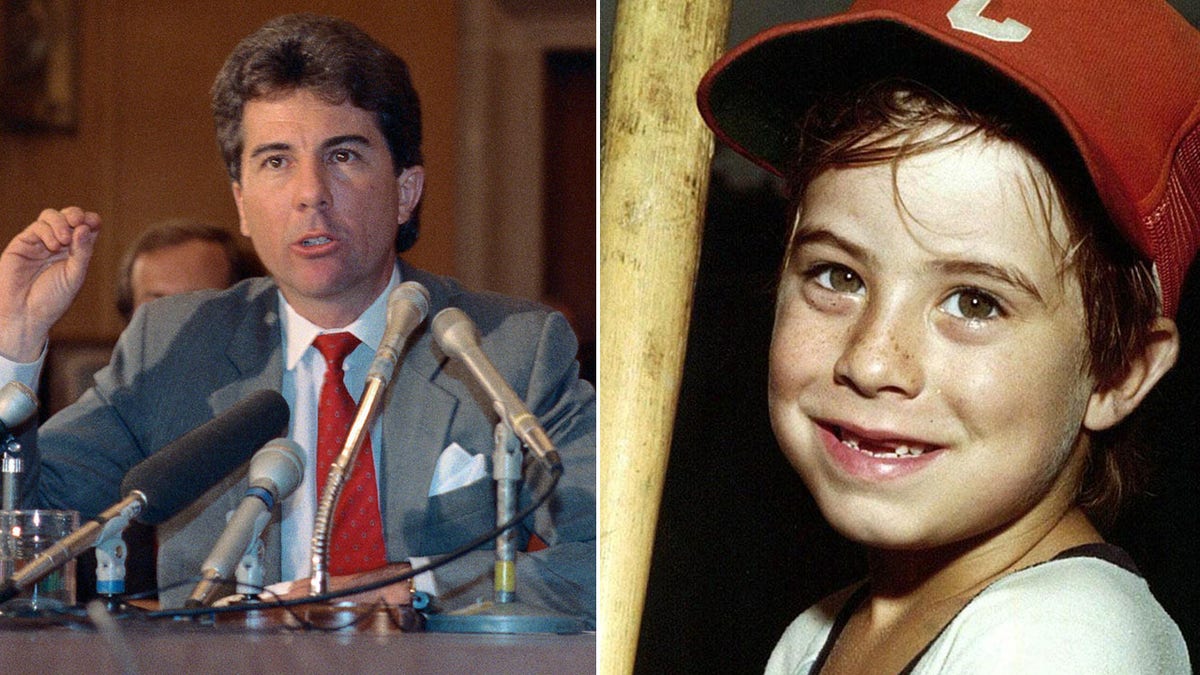
:max_bytes(150000):strip_icc():focal(999x0:1001x2)/john-walsh-kids-adam-4724f94175504a3bb0cc17dff22fced9.jpg)
That is not established.
What is established is this: no physical evidence ever linked Toole to the crime.
No fingerprints.
No DNA.
No witness placing Adam with Toole.
The case was closed without charges because Toole was dead.
He had died in prison in 1996, of a heart attack, while serving life sentences for other murders.
No one else was ever charged.
There was no trial.
There could not be.
Certainty was declared, but the evidence that would have been tested in a courtroom was never tested.
The confessions had changed over the years.
Toole confessed.
He recanted.
He confessed again.
The investigators in 2008 weighed those words and found them sufficient.
It is a case closed on words alone.
It is also a case closed with a named killer and no physical proof.
The question is whether certainty without physical evidence is enough.
That would require evidence.
AND THE STORY STILL ISN'T OVER
The case was officially closed in 2008.
Police announced they were certain Ottis Toole had killed Adam Walsh.
They cited Toole's confessions and corroborating details.
No physical evidence linked him to the crime.
No charges were filed because Toole was dead.
Toole died of a heart attack in prison on September 15, 1996.
He was serving multiple life sentences for other murders.
No one else was ever charged.
There was no trial.
There could be no trial.
There can be no trial.
That would require a defendant.
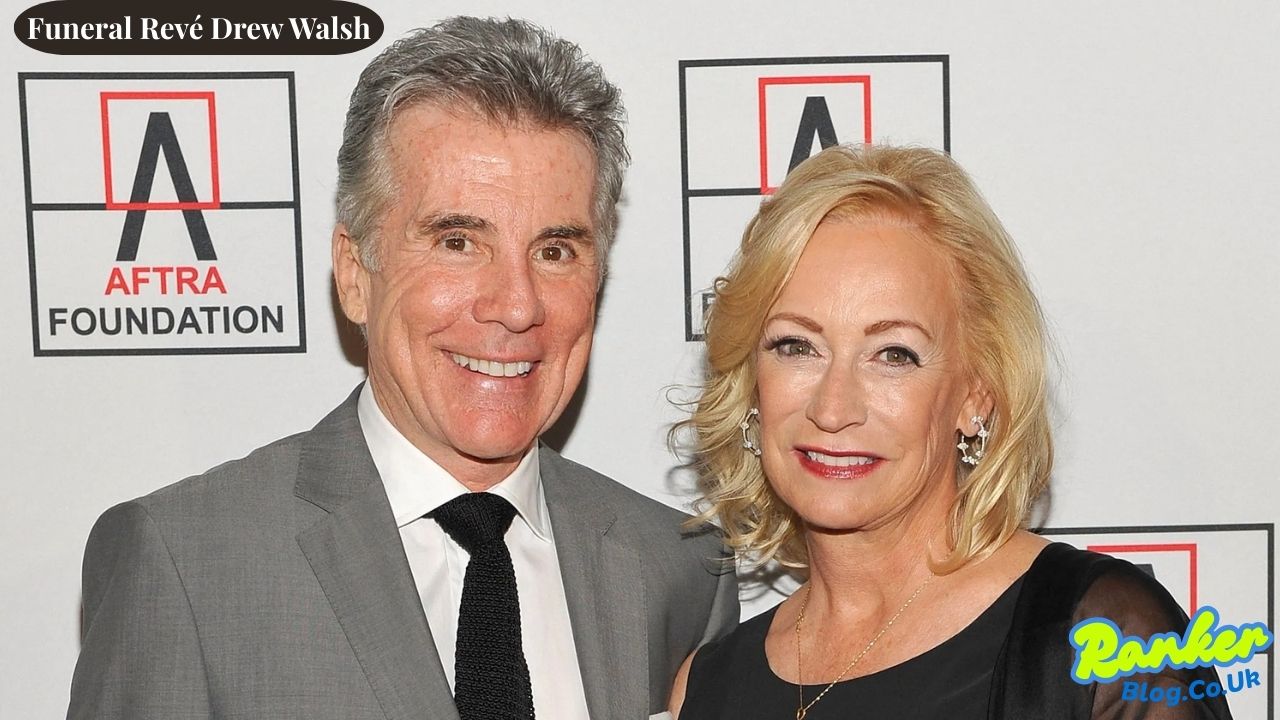
John Walsh and Revé Walsh have continued their advocacy work for missing and exploited children.
John Walsh hosted "America's Most Wanted" from 1988 to 2013.
He has remained a prominent victims' rights advocate.
The Adam Walsh Child Protection and Safety Act, a federal law, was signed in 2006.
A child's name is on a federal law.
A child's body was never recovered.
The case is closed.
The story is not over.
Advertisement
You may also like
The phone calls a mistress recorded that shattered a husband's alibi
She was eight months pregnant, and she was reported missing from her home in Modesto, California, on December 24, 2002. Her husband, Scott Peterson,…
The confession that cracked the case: What Moseley told detectives about the night Kitty Genovese died
He was arrested for burglary. Winston Moseley was a 29-year-old business machine operator when police picked him up on March 19, 1964 — six…
The memoir admission that revived a 27-year-old murder case
It starts with a book. In 2018, Duane "Keffe D" Davis — a self-described gang member — published a memoir and gave interviews describing…
The Ryder truck VIN that led FBI agents to a rental clerk — and a name
The first report came within minutes. Not as an explosion. As a gas leak, a utility accident, something breaking. At 9:02 a.m. on April…
The friend who called police because Shanann Watts missed her OB-GYN appointment
The appointment was a checkup, the kind that fills a Tuesday morning and is forgotten by lunch. Shanann Watts, 34, was fifteen weeks pregnant…
The surgical cut that pointed LAPD to a doctor's skill — but never to a name
The morning of January 15, 1947, began with a child’s walk through a vacant lot in Leimert Park, Los Angeles. The nude body of…