The 51-day standoff that ended with 76 deaths, including more than 20 children
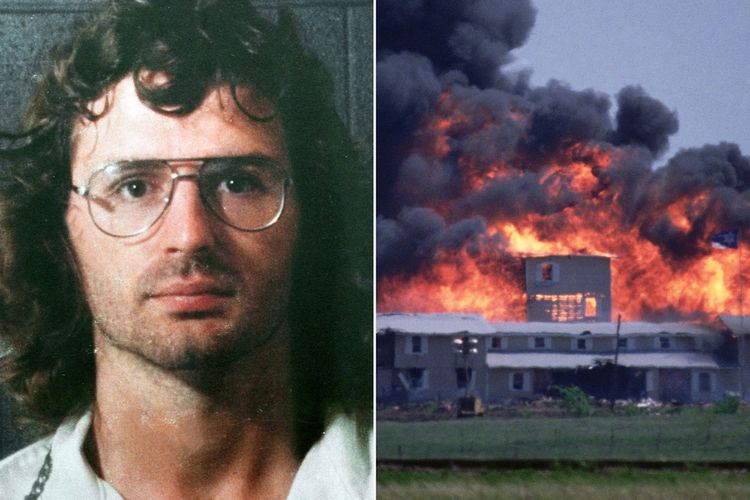
The search warrant was signed, and the plan was to arrest David Koresh.
The raid was meant to be a routine execution of that warrant, a morning that would end with Koresh in handcuffs and a cache of illegal weapons seized.
The ATF had built its case on undercover work and informant testimony, alleging the Branch Davidians were stockpiling converted semi-automatic weapons.
Texas Rangers and local law enforcement were part of the operation.
The warrant gave them the authority to search the Mount Carmel Center ranch near Waco, Texas.
It did not give them a script for what happened next.
A gun battle erupted.
Four ATF agents were dead.
Six Branch Davidians were dead.
Who fired the first shot?
Was it an agent reacting to a warning?
Was it a Davidian who saw the agents closing in?
The record does not establish it.
The record establishes that the raid began on February 28, 1993, with a warrant.
It establishes that the ATF intended to arrest Koresh on firearms charges.
It establishes that the operation ended in a firefight that left ten people dead before the standoff even began.
Not because the warrant was wrong.
Because the execution of it collapsed into gunfire.
The families of the dead agents would ask how this happened.
The families of the dead Davidians would ask the same question.
The answer would take 51 days to unfold.
51 DAYS OF NEGOTIATION
The FBI took over negotiations the day after the raid.
The standoff lasted 51 days, from February 28 to April 19, 1993.
The compound sat under floodlights at night.
Loud music blared from speakers, a psychological tactic the FBI deployed to wear down those inside.
Attorney Dick DeGuerin represented David Koresh during the standoff.
He spoke to reporters, to the FBI, to anyone who would listen.
Koresh's wife, Rachel Koresh, was inside the compound.
She would die in the fire.
The negotiations dragged.
They stalled.
They resumed.
What was said in those negotiations is not detailed in the record.
The content of the talks between the FBI and Koresh is not established.
Families gathered outside the police lines.
They watched the compound from a distance.
They waited.
Several relatives of the Branch Davidians publicly criticized the government's handling of the siege.
They asked why the FBI had not waited longer.
They asked why the music had to play so loud.
They asked what was being said inside.
That would require evidence.
The days passed in a rhythm of rumor and silence.
The FBI said Koresh was stalling.
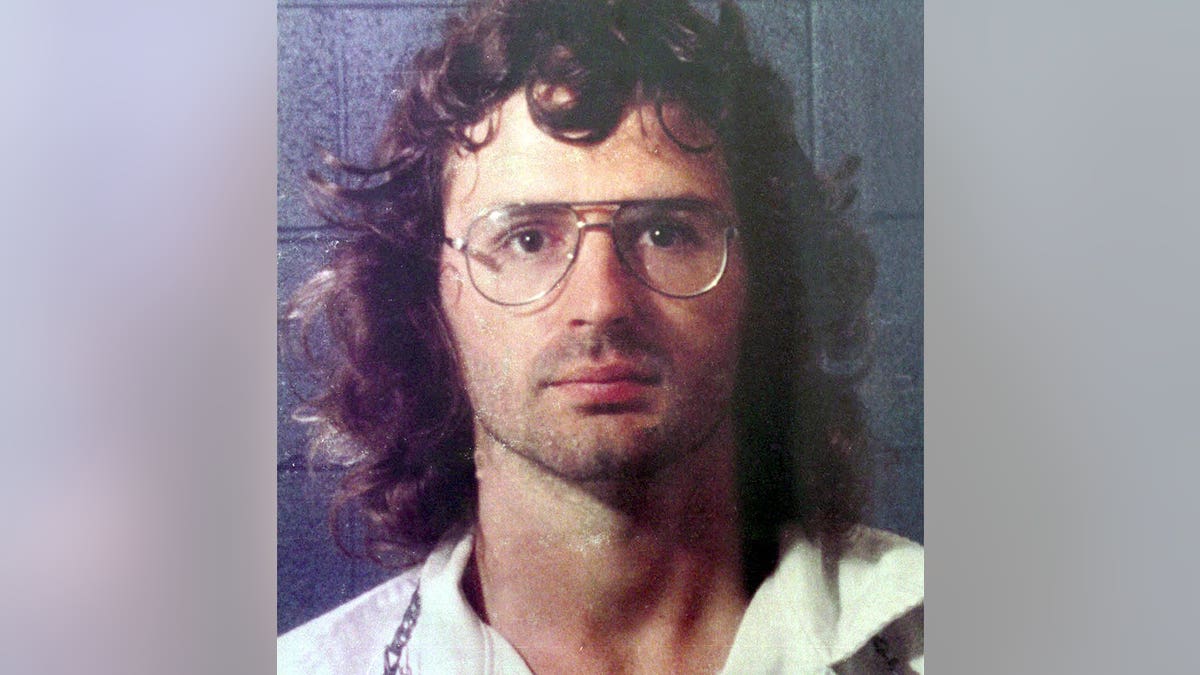
The families said the FBI was pushing.
Rachel Koresh remained inside, unseen.
DeGuerin remained outside, speaking.
The standoff ground on, a waiting game with no clock but the calendar.
The families grew more desperate.
The compound grew quieter.
The night lights stayed on.
THE TEAR GAS ASSAULT
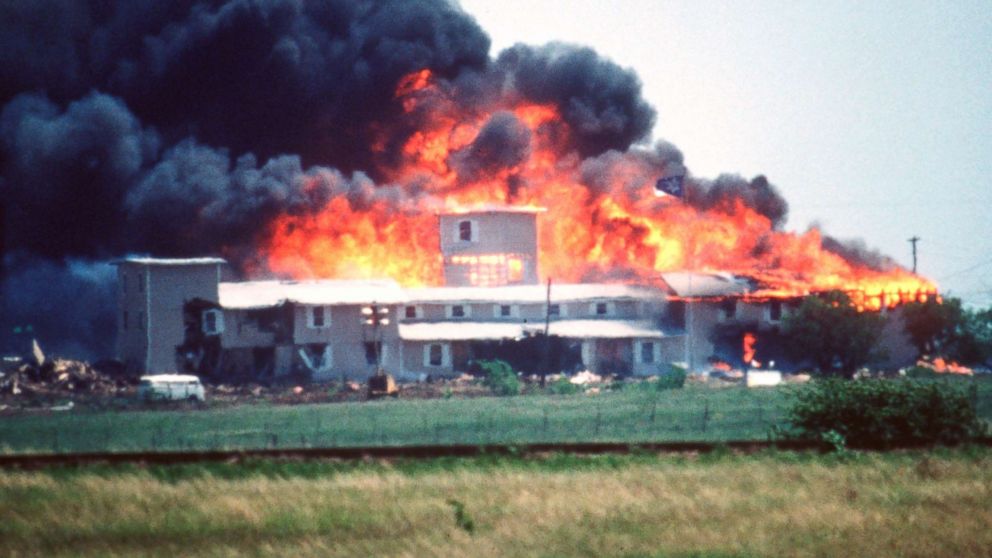
On April 19, 1993, the FBI launched a tear gas assault on the compound.
A fire broke out.
Seventy-six people inside died, including more than 20 children.
The siege ended in the deaths of a total of 86 people, including Koresh.
The cause of the fire was disputed from the first hour.
The government argued it was started by the Branch Davidians.
Survivors and families claimed it was accidental or caused by the FBI's actions.
Neither side could prove it then.
Neither side has proven it since.
The Department of Justice's Office of the Inspector General later concluded that the FBI did not intentionally start the fire.
That same investigation criticized the agency's tactics.
It did not establish the fire's origin.
The definitive cause of the fire is not established.
The families of the dead asked their own questions.
They asked who put the gas in.
They asked who lit the match.
They asked why the children could not get out.
That would require evidence the record does not provide.
Koresh's body was cremated.
His remains were reportedly scattered.
The compound itself was later demolished.
A memorial now stands on the site.
The fire's question remains open.
It is a question of fact.
It is also a question of grief.
THE TRIAL AND THE TWO STORIES
Eleven surviving Branch Davidians stood trial in 1994 in federal court in San Antonio.
The charges included voluntary manslaughter, conspiracy to murder federal officers, and weapons charges.
The prosecution's case rested on the deaths of the four ATF agents who died in the February raid.
The defense attorneys argued the defendants had acted in self-defense against an aggressive government assault.
It was the government's story: a sect that armed itself and fired first.
It was the defense's story: a raid that came in heavy and forced a response.
The jury heard both.
The jury acquitted all defendants of the most serious charges, including murder and conspiracy to murder.
Five defendants were convicted of voluntary manslaughter.
Several others were convicted on weapons charges.
Sentences ranged from probation to 40 years in prison.
The verdict was a partial one.
It was not a full acquittal. It was not a full conviction.
The jury's reasoning for acquitting on the most serious charges is not in the record.
That reasoning remains unstated.
No juror's deliberation was published. No note explained the split.
The families of the dead ATF agents saw manslaughter convictions, not murder.
The surviving Branch Davidians saw prison time, but not the government's central claim.
The trial gave the country a courtroom version of the fire's disputed cause.
The government said the Branch Davidians started it.
The defense said the government's assault caused it.
The jury did not settle the fire.
It settled only what it could prove.
The fire's question remained open when the gavel fell.
It remains open now.
AND THE STORY STILL ISN'T OVER
The Mount Carmel Center was demolished.
A memorial now stands on the site.
Several surviving Branch Davidians have since been released from prison.
The families of victims have continued to seek further investigation into the government's actions.
Some filed civil lawsuits against the federal government.
In 1999, a federal jury in a civil case found the government liable for wrongful deaths.
The jury awarded damages to some families.
The amounts were later reduced.
The families wanted answers.
They wanted the record to show what happened on April 19.
They wanted the fire's cause settled in a way the criminal trial never settled it.
The civil verdict did not resolve the fire's origin.
It found liability, but not a cause.
That would require evidence.
The case remains a subject of intense public debate.
It has been the focus of numerous documentaries and books.
The siege has had a lasting impact on federal law enforcement policies regarding standoffs and raids.
Agencies changed their tactics.
They studied what went wrong.
They wrote new rules for negotiation and force.
The families still ask whether any further investigation will occur.
That is not established in the record.
No new inquiry has been announced.
The memorial stands.
The released survivors live quietly.
The documentaries keep coming.
The books keep selling.
The question of the fire remains open.
The families keep asking.
The debate continues.
Advertisement
You may also like
The phone calls a mistress recorded that shattered a husband's alibi
She was eight months pregnant, and she was reported missing from her home in Modesto, California, on December 24, 2002. Her husband, Scott Peterson,…
The confession that cracked the case: What Moseley told detectives about the night Kitty Genovese died
He was arrested for burglary. Winston Moseley was a 29-year-old business machine operator when police picked him up on March 19, 1964 — six…
The memoir admission that revived a 27-year-old murder case
It starts with a book. In 2018, Duane "Keffe D" Davis — a self-described gang member — published a memoir and gave interviews describing…
The Ryder truck VIN that led FBI agents to a rental clerk — and a name
The first report came within minutes. Not as an explosion. As a gas leak, a utility accident, something breaking. At 9:02 a.m. on April…
The friend who called police because Shanann Watts missed her OB-GYN appointment
The appointment was a checkup, the kind that fills a Tuesday morning and is forgotten by lunch. Shanann Watts, 34, was fifteen weeks pregnant…
The surgical cut that pointed LAPD to a doctor's skill — but never to a name
The morning of January 15, 1947, began with a child’s walk through a vacant lot in Leimert Park, Los Angeles. The nude body of…