The courtroom outburst that silenced Polly Klaas's killer trial
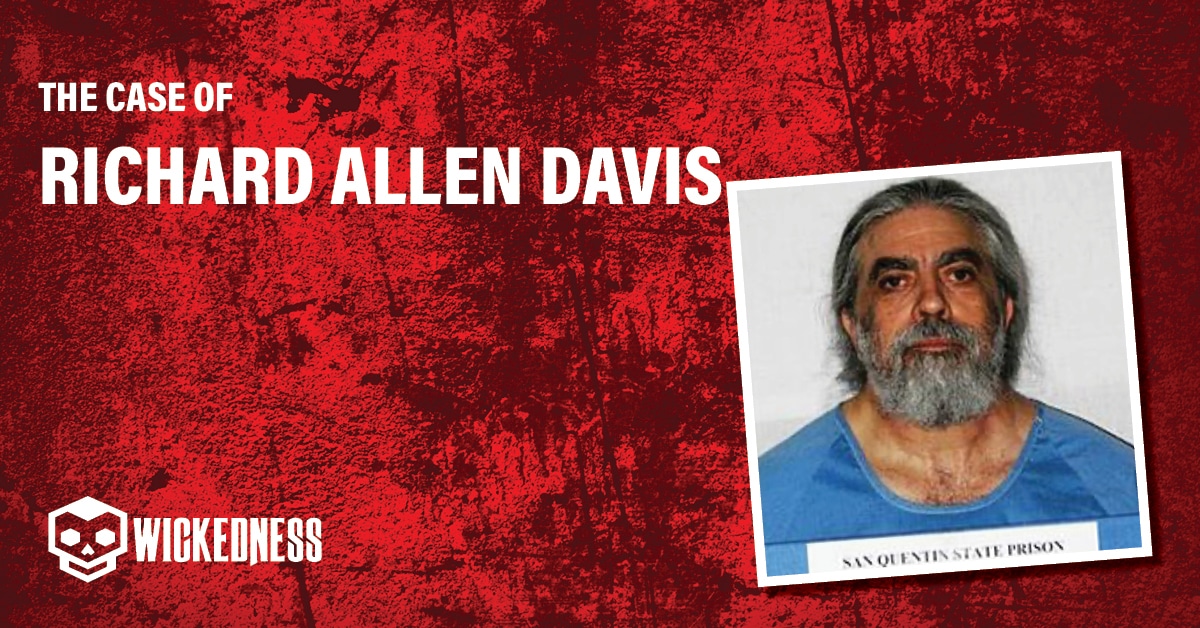
The jury had already said guilty on every count.
Then Richard Allen Davis stood up in the penalty phase and turned toward the victim's family.
The trial record says he taunted them.
That is what the record says: an outburst, a taunt, aimed at the people Polly Klaas left behind.
What he actually said is not in the source.
The precise content of the outburst is not established.
Not the words. Not the length. Not the tone.
The court stenographer was there. The bailiffs were there. The family was there.
The record preserves the moment as a fact, then goes quiet.
What did he say?
Was it one line or a torrent?
Was it about her, or about them, or about himself?
That would require evidence.
What the trial record does fix is the sequence.
The conviction came first, on all counts.
The outburst came after, in the penalty phase, when the question was no longer whether he had done it.
The question was whether he should die for it.
He was already convicted of first-degree murder with special circumstances.
Kidnapping. Burglary. Use of a deadly weapon.
The jury had weighed the fiber evidence, the DNA, the testimony of the two girls from the slumber party.
They had heard about his prior convictions for kidnapping and assault.
They had been told the defense's argument: the forensic evidence was circumstantial, he was being framed.
They convicted him anyway.
Then he stood up.
The record says he taunted the family.
It does not say what he said.
THE KIDNAPPING
October 1, 1993.
Twelve years old, a slumber party, a house in Petaluma.
An intruder came in through the door.
He tied up the girls.
He took Polly at knifepoint.
The two girls who were there later testified.
They described the intruder.
They described his clothing.
The search began that night.
Petaluma police started the manhunt.
The FBI joined them.
Hundreds of volunteers came out.
The case record says the search was massive.
The intruder's identity was not known at the time of the kidnapping.
That is not established anywhere in the record.
The girls' testimony placed a man in that room.
It did not place a name on him.
Not yet.
The search went on for weeks.
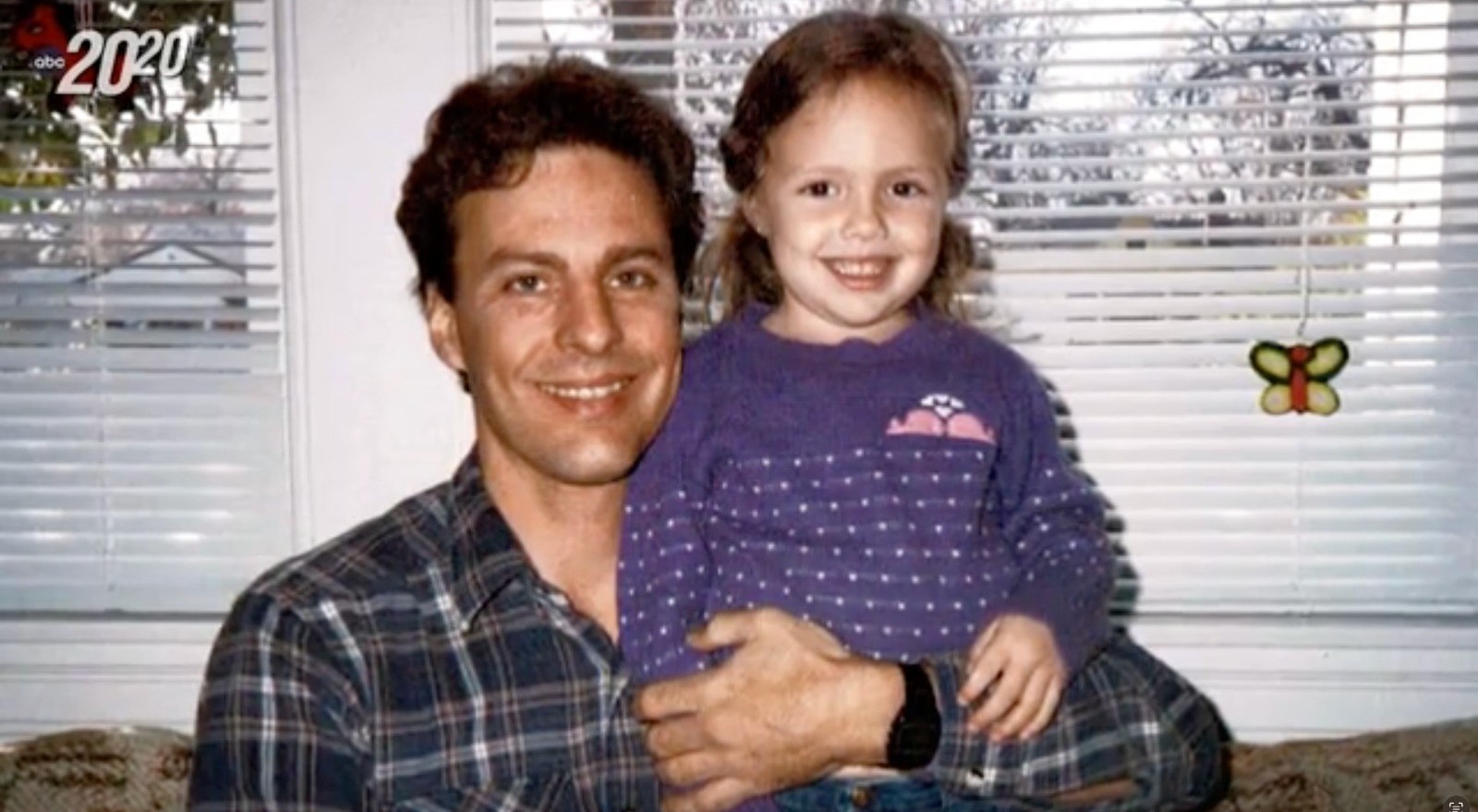
Flyers went up.
News cameras arrived.
The house on that street became a landmark of dread.
The girls' testimony was the first hard thing the investigation had.
It was also the only eyewitness account.
They told the court what they saw.
They told the court what he wore.
They could not tell the court who he was.
No one could.
The manhunt moved through the county.
It moved through the state.
It kept moving.
The record holds the timeline: October 1, the kidnapping.
It holds the description: a man, a knife, the dark.
What it does not hold is a name for that night.
That came later.
That came from somewhere else.
THE ARREST AND THE EVIDENCE
The name came from an informant who had been in jail with Davis.
The informant reported that Davis had bragged about kidnapping a girl, according to the investigation record.
Davis was already in custody on an unrelated parole violation when he became a suspect.
That made the arrest quiet. No chase. No standoff. A man already behind bars, suddenly looked at differently.
Then the forensic testimony began.
Fibers from Davis's clothing and vehicle matched fibers found at the crime scene and on Polly's body, the forensic expert testified.
DNA testing also linked Davis to the scene, according to the same testimony.
The evidence was physical. It was specific. It was also, the defense argued, circumstantial.
Davis's prior criminal record — including kidnapping and assault convictions — was introduced at trial to show a pattern of violent behavior, the trial record shows.
The prosecution built its case on those fibers, that DNA, that history.
The defense built its case on what was missing.
No confession was presented at trial.
The defense argued Davis had been coerced into confessing, but the record does not establish that any confession existed to coerce.
What the jury heard instead was a chain of small connections: a fiber here, a match there, a record that stretched back years.
The two girls from the slumber party testified, describing the intruder and his clothing.
Their descriptions aligned with the physical evidence.
It was a case assembled piece by piece.
It was also a case the defense said could point at anyone with the wrong jacket and the wrong car.
The informant's word started it. The fibers held it together. The DNA gave it weight.
What the record does not hold is a confession.
That absence ran through the trial like a gap in the floor.
The jury would have to step over it.
THE TRIAL AND THE DEFENCE
The prosecution, led by the Sonoma County District Attorney's Office, built its case on fibers, testimony, and a criminal history.
Not a confession.
The forensic expert testified about DNA and fiber evidence linking Davis to the crime.
The two girls from the slumber party testified, describing the intruder and his clothing.
Davis's prior convictions for kidnapping and assault were introduced to show a pattern.
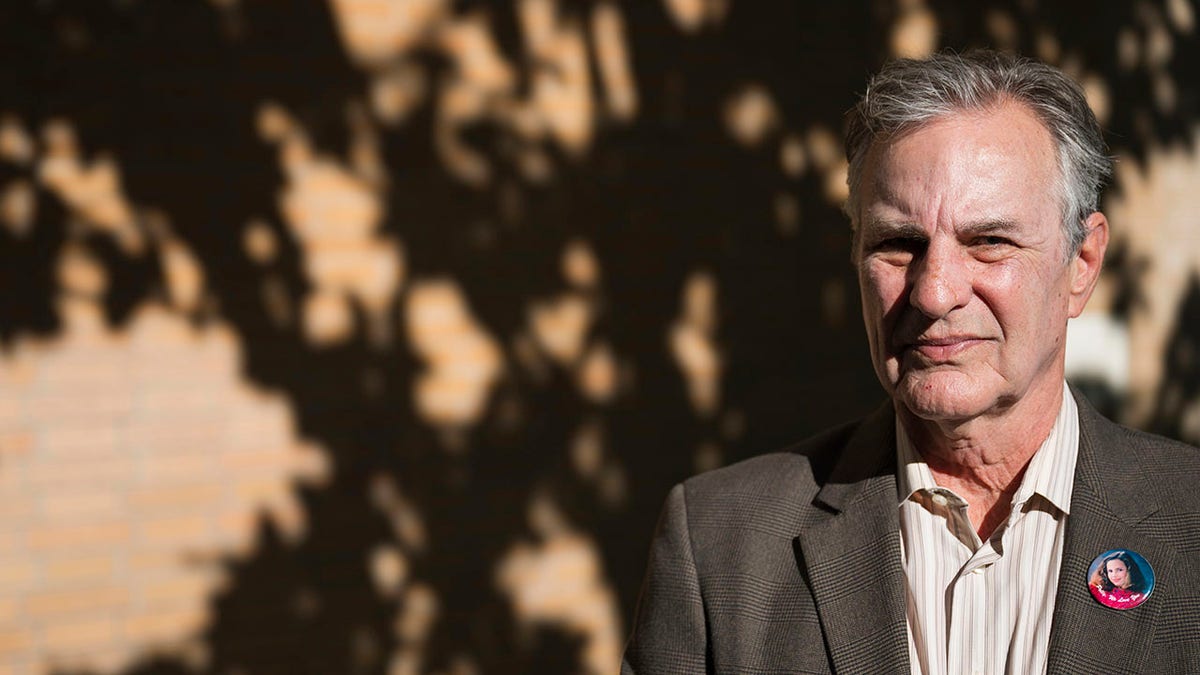
The defense argued the forensic evidence was circumstantial.
The defense argued Davis was being framed.
That framing claim was not supported by evidence presented at trial.
The defense also claimed Davis had been coerced into confessing.
No confession was presented at trial.
The jury heard two narratives over the same facts.
One narrative said the fibers matched, the witnesses described him, the record showed who he was.
The other narrative said it was all circumstance, a setup, a story forced out of a man.
The prosecution called it a strong circumstantial case.
The defense called it insufficient.
The jury convicted Davis on all counts.
First-degree murder with special circumstances.
Kidnapping.
Burglary.
Use of a deadly weapon.
Every count.
The gap in the floor was still there.
The jury stepped over it anyway.
AND THE STORY STILL ISN'T OVER
The jury recommended the death penalty.
The judge sentenced Davis to death.
The California Supreme Court upheld the conviction and the sentence on appeal in 2009.
Davis remains on death row at San Quentin State Prison.
His appeals have been exhausted.
He has not been executed.
California has a moratorium on the death penalty.
A future execution date is not established.
The moratorium remains in effect.
The case did not end in the courtroom.
It became law.
California passed its "Three Strikes" legislation in the wake of the case.
The Amber Alert system for missing children was shaped by it.
Marc Klaas, the victim's father, founded the KlaasKids Foundation.
He became a national advocate for children's safety.
Her mother largely stayed out of the public eye.
The trial record is closed.
The story is not.
The gap in the floor is still there.
The verdict is still there.
The sentence is still there.
The man is still there.
San Quentin holds him.
The state holds the law.
The families hold the years.
What remains is a waiting.
It is a waiting without a date.
That is the record.
The record does not say when it ends.
Advertisement
You may also like
The bloody shirt scrap mailed to a newspaper that proved a killer's boast
A scrap of shirt arrived at a newspaper, stiff with dried blood. It was mailed as proof. Proof that the writer was the killer.…
The 2007 deal that kept Epstein's federal case secret — and the phone records that broke it open
In 2005, a mother walked into a Palm Beach police station and told officers her 14-year-old stepdaughter had been sexually abused at a mansion.…
The $5,800 bundle of cash a boy found along a riverbank in 1980
The boy was eight years old, playing along the Columbia River near Vancouver, Washington, in 1980. He found a rotting bundle of cash half-buried…
Why did Susan Atkins confess to a cellmate — and what did Kasabian see?
Virginia Graham had a cellmate who talked. Susan Atkins was in jail in October 1969 on unrelated charges when she told Graham about the…
The palm print on a rifle that sealed a president's fate
Dealey Plaza, 12:30 p.m. Central Standard Time, November 22, 1963. President John F. Kennedy was fatally shot while riding in the motorcade. Within hours,…
The glove that did not fit: how one courtroom moment shook a murder case
He pulled on the glove. Not easily. Not smoothly. In the courtroom, O.J. Simpson struggled to put on a pair of leather gloves —…