The discarded .35 caliber Marlin that linked one survivor to six shots in Amityville
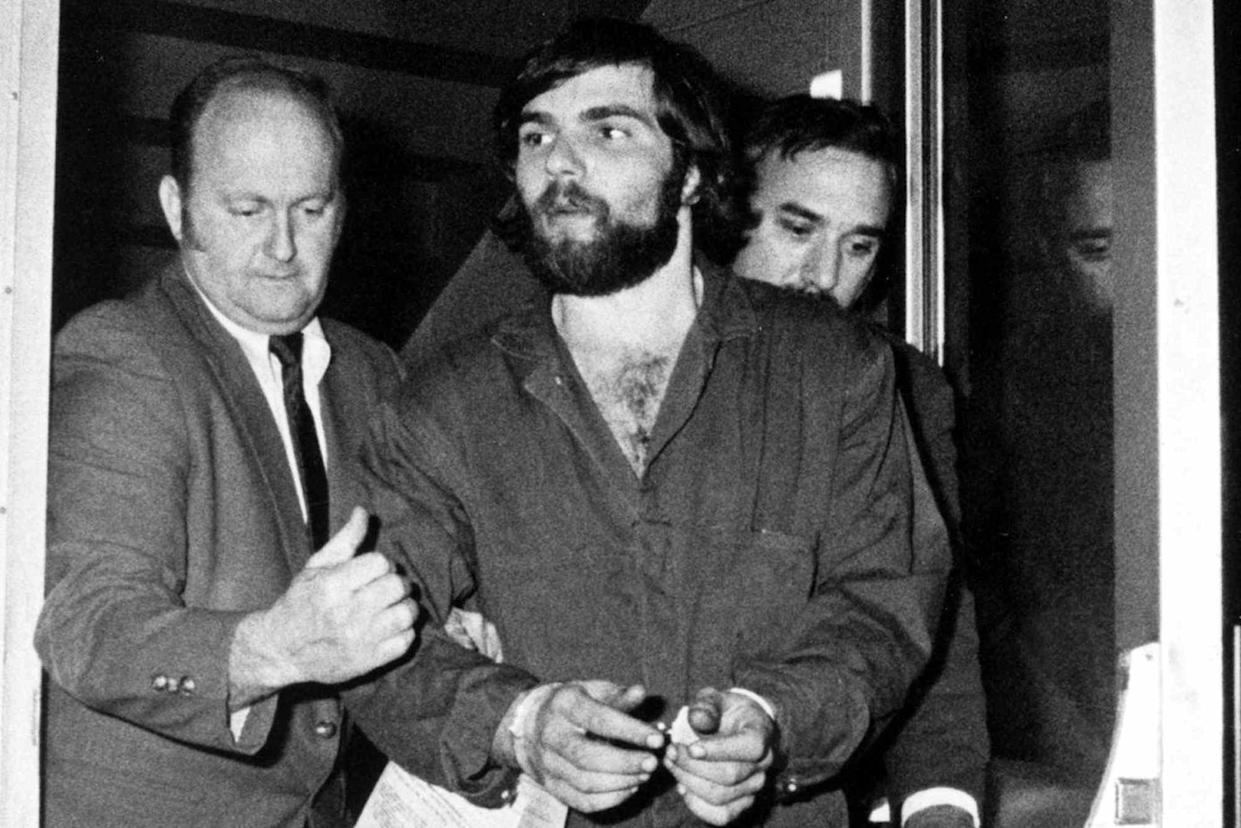
The call came in on November 13, 1974, after a neighbor reported a shooting at 112 Ocean Avenue in Amityville, New York.
Inside, officers found six members of the DeFeo family dead in their beds.
All had been shot with a .35 caliber Marlin rifle at close range.
All but one were found face-down.
The sole survivor of the household, 23-year-old Ronald DeFeo Jr., was taken to a local police station for questioning.
The rifle was found discarded in the house.
It sat there, a plain object, waiting to be picked up and logged into evidence.
It is the kind of detail that anchors a case: a weapon, a room, a body count.
But the rifle does not speak.
It does not say who pulled the trigger.
It does not say whether the young man at the station was a witness, a victim of circumstance, or something else entirely.
Those answers were not yet established on that November morning.
The rifle was there, and so was the survivor.
That was all the record showed.
THE CONFESSION
He told police he had come home from work and found the bodies.
That story did not last long.
Police learned he had not been at his job that morning.
The alibi collapsed.
Under interrogation at the Fifth Precinct in Suffolk County, he confessed.
The confession came within hours.
That speed was notable.
First, he said he had killed his family in a fit of rage.
Then he said he had heard voices urging him to kill them.
Which version was true?
Which version was the lie?
That would require evidence.
The record does not detail the exact content of the confession.
The record does not fix the timing of his later recantation.
He did recant, claiming he had been insane at the time.
But the physical evidence did not shift with his story.
All six victims had been shot with the same rifle.
The rifle, a .35 caliber Marlin, was found discarded in the house.
Ballistics matched it to the bullets recovered from the bodies.
The victims had been shot while sleeping.
The shooter had moved methodically from room to room.
His confession was detailed and consistent with the crime scene.
It was also consistent with the evidence that would decide the case.
The rage and the voices were his explanations.
The rifle was the investigators' fact.
THE BALLISTICS
The rifle was a .35 caliber Marlin, and police found it discarded in the house.
It was the physical evidence that was straightforward.
All six victims had been shot with that same rifle.
Ballistics confirmed the weapon matched the bullets recovered from the bodies.
The victims had been shot while sleeping.
The positioning of the bodies suggested the shooter had moved methodically from room to room.
The exact sequence of that movement from room to room is not specified in the record.
What is specified is the confession.
DeFeo's confession was detailed and consistent with the crime scene.
It matched the positions of the bodies.
It matched the weapon.
It matched the calm, methodical nature of the shots.
The prosecution pointed to his calm demeanor.
They pointed to the fact that he had attempted to blame an unknown intruder before confessing.
He had claimed he came home from work to find the bodies.
Police learned he had not been at his job that morning.
The alibi collapsed.
The confession came within hours.
It was a confession that would not survive the trial intact.
He later recanted, claiming he had been insane at the time.
But the rifle was the investigators' fact.
The ballistics were the certainty.
The confession was the detail.
The method was the pattern.
The rage and the voices were his explanations.
The rifle was the evidence that tied him to all six shots.
THE TRIAL AND THE CLAIM
The rifle was in the room, discarded, and the ballistics matched.
DeFeo was charged with six counts of first-degree murder.
His defense, led by William Weber, argued insanity.
Weber claimed DeFeo suffered from paranoid schizophrenia and was not responsible for his actions.
The prosecution, led by Gerard Sullivan, countered with the rifle.
Sullivan pointed to the planning, the methodical movement from room to room, the calm demeanor afterward.
He argued DeFeo was legally sane.
The jury rejected the insanity defense.
They found DeFeo guilty on all six counts.
He was sentenced to six consecutive life terms.

That meant a minimum of 25 years before parole eligibility.
The legal record closed on the evidence: the rifle, the bullets, the confession.
Then the house changed hands.
The Lutz family bought it in December 1975.
They claimed they were driven out by paranormal phenomena.
That story became the book and the film *The Amityville Horror*.
The truth of those claims is not established.
They remain disputed.
Weber himself said the Lutz story was fabricated, invented over a bottle of wine.
Not because the rifle was in dispute.
But because the rifle was never in dispute.
The verdict rested on what was found.
The fame rested on what was claimed.
What was claimed has no ballistics.
What was claimed has no discarded weapon.
What was claimed has no confession.
That would require evidence.
AND THE STORY STILL ISN'T OVER
DeFeo remained in prison for the rest of his life.
He died on March 12, 2021, at the age of 69, while serving his sentence at a New York correctional facility.
The exact circumstances of his death are not established in the record.
The house at 112 Ocean Avenue was sold multiple times and became a tourist attraction.
The address was later changed to 108 Ocean Avenue to discourage visitors.
The house still stands. The rifle is gone.
No one else was ever charged in the murders.
The Lutz family's paranormal claims were widely disputed.
William Weber, DeFeo's own defense attorney, later said the story was invented over a bottle of wine.
That claim is a story told by a lawyer. It is not a finding of any court.
The full truth of the Lutz claims is not established in the record.
What brought the house its fame was not the trial. What brought the house its fame was a story.
What the record shows is a discarded .35 caliber Marlin, six bullets, and a confession.
What the record shows is a conviction on six counts of first-degree murder.
What the record does not show is anything paranormal.
That would require evidence.
DeFeo never denied committing the murders. He maintained he had heard voices and was under the influence of drugs.
The jury rejected the insanity defense. He was guilty on all six counts.
He was sentenced to six consecutive life terms. He served them until the end.
The story still isn't over. It never really was.
The house changed address. The victims did not change back.
What happened in that house on November 13, 1974, has a documented answer. What happened in that house afterward does not.
Advertisement
You may also like
The kennel video that placed Alex Murdaugh at the scene minutes before the murders
On June 7, 2021, Paul Murdaugh’s phone recorded video at the dog kennels on the family estate. The timestamp on that video placed Alex…
The bite marks on Lisa Levy that tied Ted Bundy to the Chi Omega murders
The bite marks were on the buttocks of Lisa Levy. They were found at the Chi Omega crime scene, in the sorority house where…

The smiley-face confession letter that exposed a truck driver's killings
In March 1995, the body of a woman was found near a rest stop in Oregon. She had been strangled. Her body was left…

The discarded coffee cup that unmasked the Golden State Killer after 40 years
In April 2018, investigators picked up a coffee cup a man had thrown away. They took it, bagged it, and ran the DNA against…
The cellphone confession found in the boat where Dzhokhar Tsarnaev hid
The boat sat in a Watertown backyard, under a tarp, on the morning of April 19, 2013. The city had been locked down. The…
The ladder plank in Hauptmann's attic that sealed his fate
The plank had a name, or at least a number, before it had a story. In September 1934, police searched Bruno Richard Hauptmann's home…