The false confession that sent two innocent people to prison for Taunja Bennett's murder
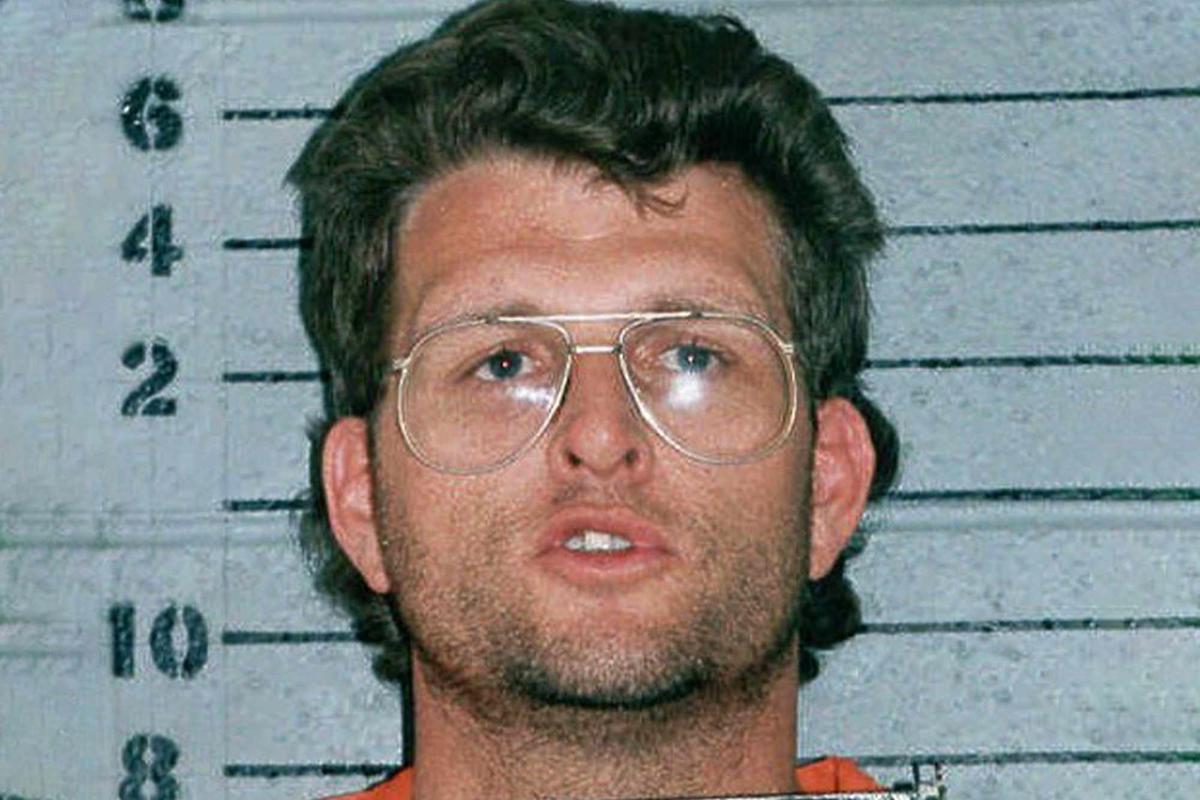
A postcard arrived at the Oregonian newspaper, signed with a single smiley face.
It was a taunt, not a confession.
The smiley face became the nickname for the man who sent it: Keith Hunter Jesperson, the Happy Face Killer.
For years, the public knew the smiley face, not the name behind it.
Taunja Bennett was 23 years old.
She was strangled in January 1990 near Portland, Oregon.
Her body was dumped along the Columbia River Gorge.
The postcard was one of several letters and postcards Jesperson sent to media outlets and authorities, each signed with that same curved line and two dots.
Who draws a smiley face after a murder?
Who mails it to a newspaper?
The record does not establish with certainty who mailed that specific postcard.
What is established is that the symbol stuck, and the man who used it was convicted of multiple murders.
But the smiley face came first.
It was the public's first name for the killer, a cartoon mark on paper, long before the real name had any meaning to anyone outside the investigation.
THE FALSE CONFESSION
In January 1990, Taunja Bennett was killed near Portland, Oregon.
She was 23 years old.
The investigation initially focused on a woman who had come forward with a story.
That woman gave a detailed confession.
She implicated herself.
She implicated her boyfriend.
The confession was detailed. It was a fabrication.
The record does not establish the specific details of that false confession.
What is established is that both were convicted in 1991 of Taunja Bennett's murder.
The investigation focused on the confession, not on the truck driver who was the real killer.
How could a detailed confession be false?
How could it hold up through a trial?
How could it hold up for years?
That would require evidence the record does not provide.
The victim's family heard a confession, a conviction, and a story that closed.
The real killer was still out there, signing his letters with a smiley face.
THE TRUCKER'S CONFESSION
In March 1995, Keith Hunter Jesperson was arrested in Washington state for a separate assault.
He confessed to Taunja Bennett's murder.
He provided details only the killer would know, according to the record.

The exact details are not specified in the source.
It is enough that they were enough.
His trucking logs and travel records linked him to victims' locations.
His routes were long-haul. His stops were documented.
DNA evidence later confirmed his involvement in other murders.
He pleaded guilty to eight murders in Oregon, Washington, California, and Wyoming.
He avoided the death penalty in exchange for life sentences.
He received three consecutive life terms in Oregon. Additional life sentences followed in other states.
For Taunja Bennett's family, the confession came after years of a closed story.
They had heard a conviction. They had heard a resolution.
The real killer was a man they had never been told about.
He was a long-haul truck driver. He was signing letters with a smiley face.
The family's relief was real. So was the frustration.
Jesperson remains incarcerated. He remains the man who killed her.
The record does not specify what he said that only the killer would know.
It only shows that he said it, and that it mattered.
The family was left with a name, a plea, and the years in between.
THE EXONERATION
It happened in 1998.
Their convictions were vacated, and they were released from prison.
They were formally exonerated.
The record shows the relief, and it shows the frustration.
Taunja Bennett's family, including her mother and siblings, expressed relief at the exonerations.
They also expressed frustration over the initial wrongful convictions.
The specific reactions are not detailed beyond that.
The record does not establish what else they said, or how they said it.
What the record does not establish is any further account of their words.
That would require evidence.
The family was left with the years they had spent waiting.
They were left with a name, a plea, and the years in between.
Jesperson remains incarcerated.
He is serving multiple life sentences without the possibility of parole.
He pleaded guilty to eight murders across four states.
Oregon sentenced him to three consecutive life terms.
Other states added their own sentences.
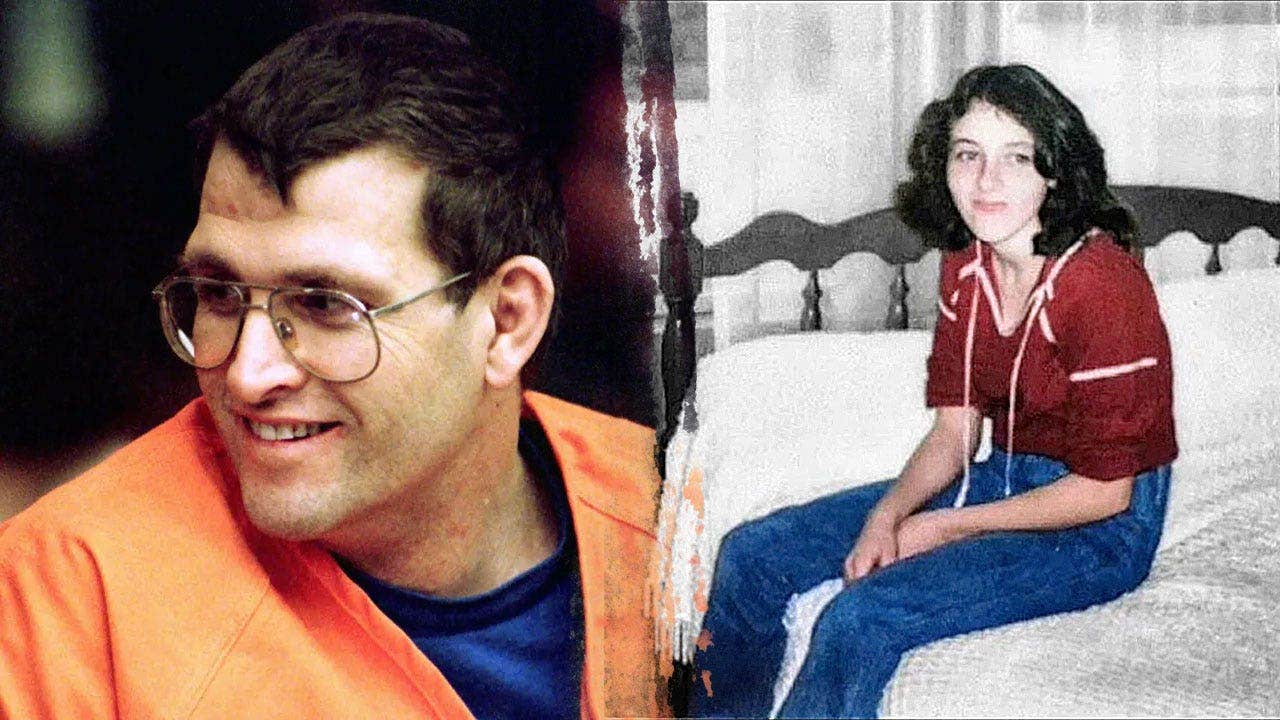
He stays in prison.
The family still carries the loss.
It is justice for the wrongfully convicted.
It is also a loss that was never undone.
The exonerations came in 1998.
The murder was in 1990.
Eight years passed between the false confession and the release.
The family had those eight years.
They had them, and they do not get them back.
AND THE STORY STILL ISN'T OVER
Jesperson is still in prison, serving life without parole.
He gives occasional interviews from inside.
He talks about the murders, about the smiley face, about the highways.
Taunja Bennett's family keeps speaking too.
Her mother and siblings have told reporters what those eight years cost.
They have described relief at the exonerations.
They have described frustration at the wrongful convictions that came first.
They have described a daughter, a sister, who was 23 years old.
Jesperson's sister has also spoken publicly.
She has talked about what it is like to carry that name in a family.
She has talked about the aftermath that does not end.
The case has become documentaries and books.
Strangers study the confession, the postcard, the trucking logs.
No journalist or author became a central figure in the investigation itself.
The record was made by detectives, by prosecutors, by Jesperson's own words.
That is what the record shows.
What it does not show is any pending motion, any future legal step.
The source mentions no such thing.
So the story sits where it sits.
A man in prison.
A family that had eight years taken and never given back.
A sister who speaks.
A name that keeps being written.
The smiley face is still a signature.
The grief is still unmarked by any verdict.
Advertisement
You may also like
The police call that sent a bleeding boy back to Dahmer's apartment
Two Milwaukee police officers answered a call in May 1991 about a naked, bleeding boy. The boy was Konerak Sinthasomphone, 14 years old. They…
The 1988 letter cited in the Menendez brothers' 2018 habeas petition — and the question it still raises
A letter surfaces in 2018, cited in a habeas corpus petition filed by two brothers serving life without parole. The petition calls it new…
The 2019 memoir that placed Keffe D in the Cadillac — now a Nevada judge must decide
The white Cadillac appears in print before it appears in court. In 2019, Duane "Keffe D" Davis published a memoir describing himself inside that…
Two confessions, one shotgun — and the detail that never matched in the Clutter case
The night was November 15, 1959. Four members of the Clutter family were murdered in their farmhouse in Holcomb, Kansas. Herbert Clutter. His wife,…
The $1 million extortion letter that named the Tylenol killer — and the suspect who was never charged
The letter arrived at Johnson & Johnson in 1982, typed and demanding $1 million to "stop the killings." The killings were the Tylenol poisonings…
The Green Beret doctor who told police four intruders killed his family — then changed his story
The call came in the early hours of February 17, 1970. Military police arrived at the off-post apartment of Army Captain Jeffrey MacDonald at…