The father who spent 26 years fighting for justice in his daughter's murder
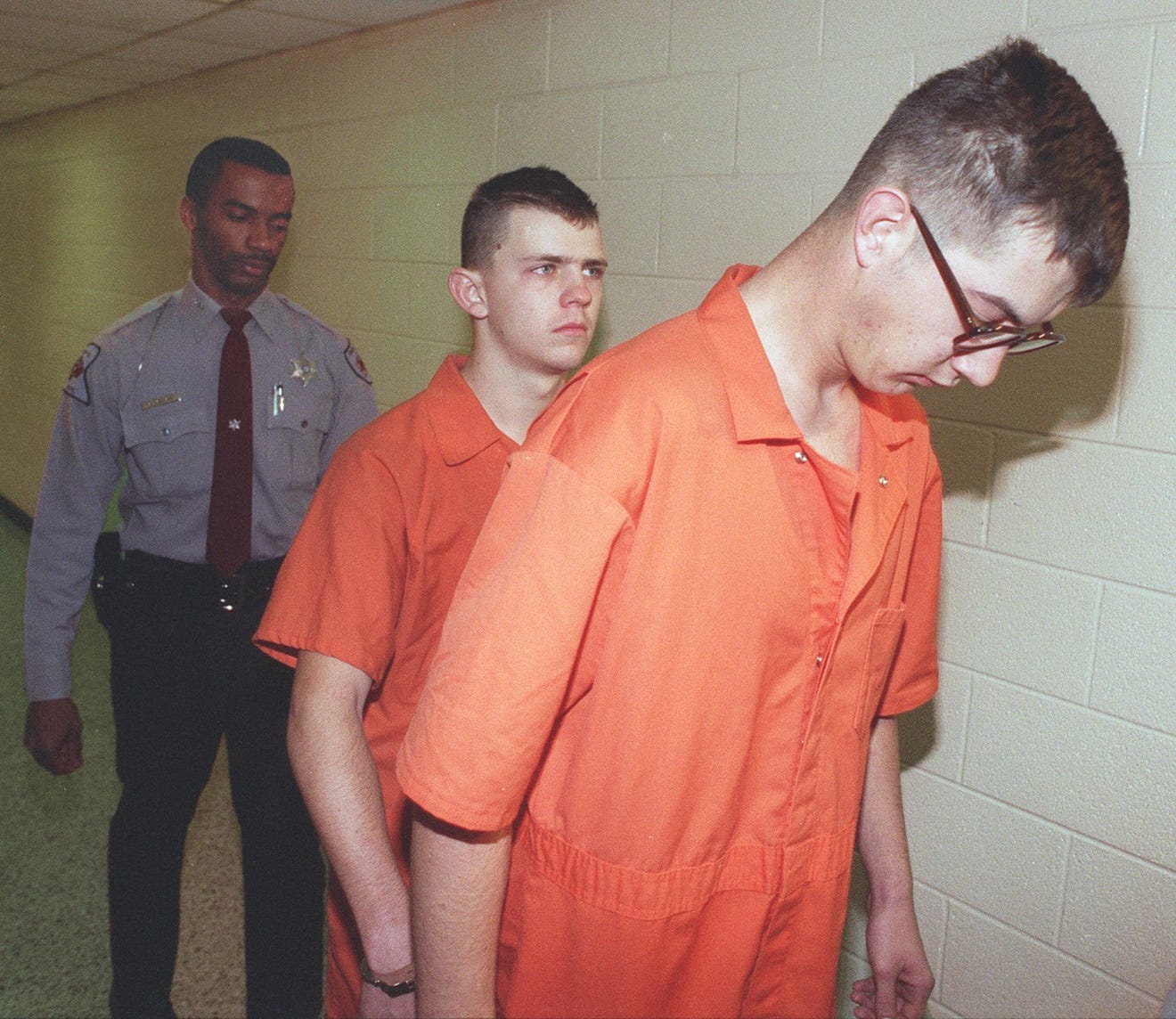
The military police arrived at the off-base apartment on February 17, 1970, after a call to Fort Bragg, North Carolina.
Inside, they found Colette MacDonald on the floor, beaten and stabbed repeatedly.
Her daughters were there too: five-year-old Kimberly and two-year-old Kristen, both stabbed.
Army Captain Jeffrey MacDonald was alive, injured, and talking.
He told the police that a group of drug-addled hippies had attacked the family, chanting "acid is groovy" and "kill the pigs."
He was taken to a hospital with wounds that included a collapsed lung.
Who could have done this?
Why does the survivor's story already feel thin?
What exactly happened inside the apartment before police arrived is not established by the record.
Only the aftermath is documented — the bodies, the injuries, and MacDonald's account.
The scene was brutal; the surviving witness was the father.
He was a physician, an Army captain, a man trained to respond to trauma.
The family's life in that apartment ended that night, and the explanation offered by the man who walked out of it would carry the weight of everything that followed.
The shock of the scene is the record; the truth of the night is not.
THE INCONSISTENCIES
The Army treated him as a victim first.
The inconsistency was quiet at first.
The supposed intruders left no clear evidence of forced entry.
MacDonald's injuries were relatively minor compared to the brutality inflicted on his family.
The Army's Article 32 hearing in July 1970 concluded there was insufficient evidence to charge him.
He was released from the Army.
Colette's parents were outraged.
They lobbied Congress and the Department of Justice for years.
They pushed, and the pressure built.
A federal grand jury investigation followed.
In 1974, MacDonald was indicted.
The prosecution's case leaned on physical evidence.
Blood spatter analysis suggested the attacks occurred in a sequence inconsistent with his account.
That sequence is the prosecution's interpretation, not a documented fact.
Fibers from a pajama top were found near Colette's body.
The exact order of the attacks is not established.
The record shows the injuries; it does not show the order.
The parents' grief became a force.
They wanted an answer the Army would not give.
They wanted a trial the Army would not hold.
They got one.
The evidence was slow, deliberate, physical.
The man once seen as a victim was now the man accused.
The weight of the case shifted.
It shifted onto him.
THE WITNESS WHO WASN'T
She told the court she had been there that night.
Helena Stoeckley, a woman with a history of drug use, took the stand in Raleigh, North Carolina.
The trial had begun in July 1979.
She said she had been at the apartment on the night of the murders.
She said she had no memory of the events.
Her testimony was largely discredited.
What she claimed was not corroborated by the record.
What she claimed remains unestablished: whether she was actually there.
The prosecution argued that MacDonald had killed his family in a rage.
He staged the scene, they said, to look like an intruder attack.
The defense maintained he was innocent.
The physical evidence was misinterpreted, they argued.
The jury heard the blood spatter analysis.
The jury heard about the fibers from the pajama top.
The jury heard the only outside witness collapse under scrutiny.
In August 1979, the jury found MacDonald guilty of three counts of first-degree murder.
He was sentenced to three consecutive life terms.
The verdict was final.
The man once seen as a victim was now the man convicted.
The weight of the case had settled.
It settled on him.
THE APPEALS AND THE BOOKS
The conviction was appealed multiple times.
MacDonald argued the government had withheld evidence, including statements from Stoeckley.
Whether the government actually withheld evidence is not established; it is MacDonald's argument, not a finding of any court.
The Fourth Circuit Court of Appeals upheld the conviction in 1982.
The Supreme Court declined to hear the case.
The legal fight turned into a public one.
The case became books.
Joe McGinniss's "Fatal Vision" concluded MacDonald was guilty.
Janet Malcolm's "The Journalist and the Murderer" examined the ethics of McGinniss's relationship with MacDonald.
She asked what it meant for a journalist to befriend a man he believed was a killer.
That question outlived the verdict.
MacDonald has continued to maintain his innocence.
He has filed numerous appeals.
All unsuccessful.
Colette's parents remained convinced of his guilt until their deaths.
The father died in 1996.
The mother died in 2007.
They spent decades pushing for the prosecution that the Army initially refused.
They got the trial.

They got the conviction.
They did not get their daughter back.
The case settled into a strange afterlife, argued over in courts and in print.
The verdict stood.
The books argued.
The man in prison kept writing.
The family in the ground kept their silence.
What remains is the record.
What remains is the blood-spatter testimony and the pajama fibers.
What remains is a conviction the appeals could not move.
The theory of the hippies was a story.
The conviction was a fact.
That line never blurred for the courts.
It only blurred in the books.
AND THE STORY STILL ISN'T OVER
Jeffrey MacDonald has been incarcerated since his conviction.
He has filed numerous appeals.
All of them unsuccessful.
He still maintains his innocence.
The record does not state what his next legal step would be, if any.
MacDonald remains in federal prison as of recent reports.
The case refuses to fade.
It lives on in books.
Joe McGinniss wrote “Fatal Vision,” which concluded MacDonald was guilty.
Janet Malcolm wrote “The Journalist and the Murderer,” which examined the ethics of McGinniss’s relationship with MacDonald.
The books argue with each other.
The courts never did.
Colette’s parents pressed for prosecution when the Army cleared him.
They lobbied Congress.
They lobbied the Department of Justice.
They got the federal grand jury.
The father died in 1996, convinced of the guilt.
The mother died in 2007.
They died without seeing any change in the conviction.
The conviction stood.
It stands.
A man remains in prison.
A family remains without closure.
The story still is not over.
It is only over where the record ends.
That is where the books begin.
Advertisement
You may also like
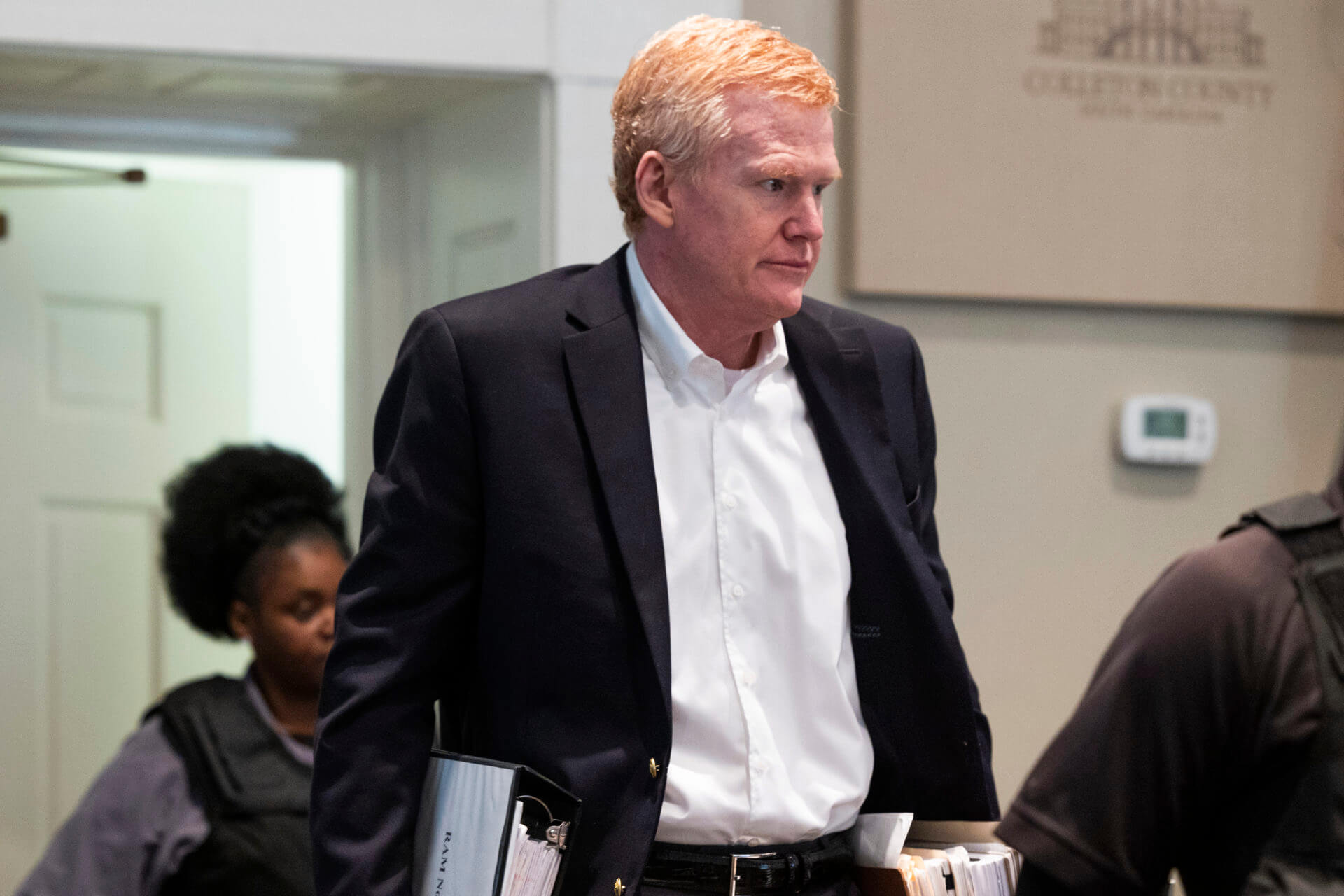
The kennel video that placed Alex Murdaugh at the scene minutes before the murders
On June 7, 2021, Paul Murdaugh’s phone recorded video at the dog kennels on the family estate. The timestamp on that video placed Alex…
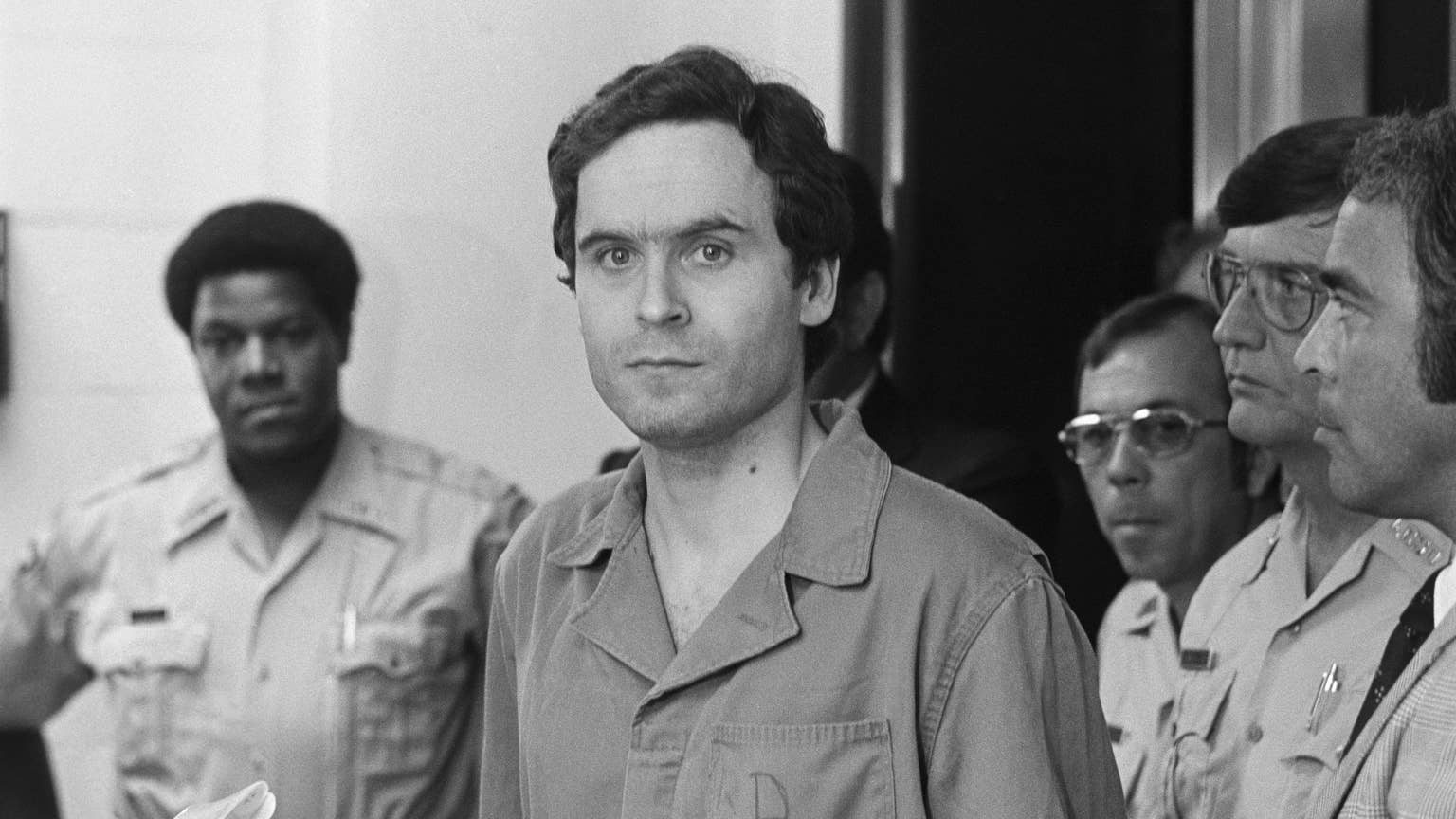
The bite marks on Lisa Levy that tied Ted Bundy to the Chi Omega murders
The bite marks were on the buttocks of Lisa Levy. They were found at the Chi Omega crime scene, in the sorority house where…
The smiley-face confession letter that exposed a truck driver's killings
In March 1995, the body of a woman was found near a rest stop in Oregon. She had been strangled. Her body was left…
The discarded coffee cup that unmasked the Golden State Killer after 40 years
In April 2018, investigators picked up a coffee cup a man had thrown away. They took it, bagged it, and ran the DNA against…
The cellphone confession found in the boat where Dzhokhar Tsarnaev hid
The boat sat in a Watertown backyard, under a tarp, on the morning of April 19, 2013. The city had been locked down. The…
The ladder plank in Hauptmann's attic that sealed his fate
The plank had a name, or at least a number, before it had a story. In September 1934, police searched Bruno Richard Hauptmann's home…