The FBI released photos of two suspects, but first they had the wrong men
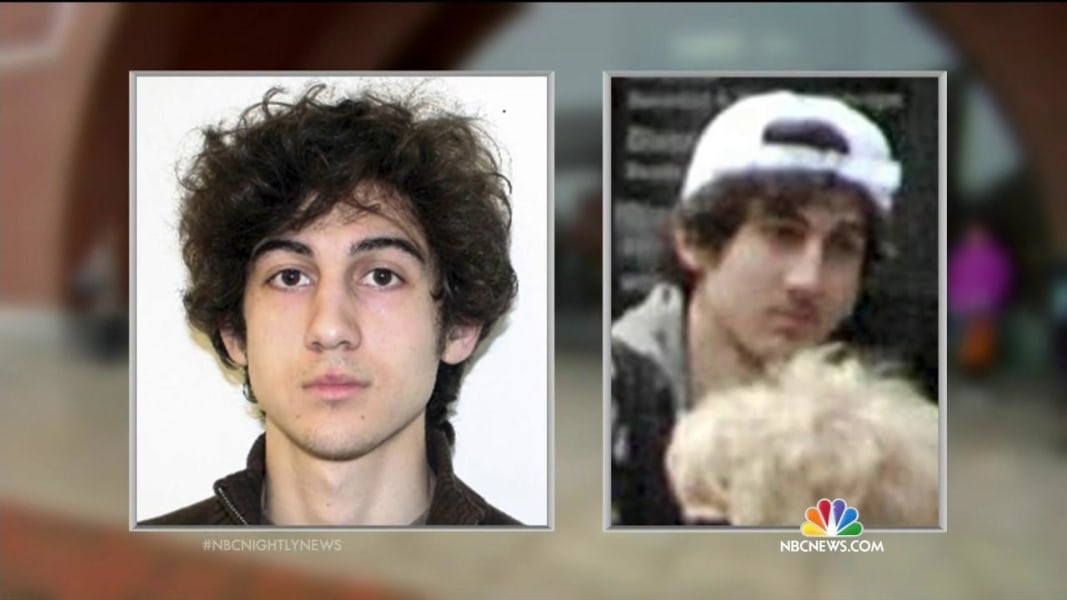
The FBI released two photographs on April 18, 2013.
The images showed two men suspected in the Boston Marathon bombing.
One was a man in a white cap. The other wore a dark hat.
The photos went out across the country within minutes.
News outlets put them on every screen. Social media users shared them faster than the FBI could correct anything.
Neither man in those photographs had planted a bomb.
The FBI cleared both of them. They were not involved.
The record does not name them, and this account will not either.
What the FBI released was wrong. What it believed at that hour was wrong.
The real suspects were two brothers, and the FBI found them later through surveillance footage from a department store and a Lord & Taylor camera.
But on April 18, the public did not know that.
The public saw two faces and assumed the case was solved.
They were not the men. The proof came too late for the moment.
The images had already spread. The damage had already begun.
It is a documented error, not a theory.
It is what the FBI itself walked back when the correct suspects emerged.
The public reaction was immediate and intense.
What the public believed was false.
What the record shows is this: two innocent men were shown to the world as suspects.
They were cleared.
That is all the record establishes.
APRIL 15 — THE BOMBS
It was 2:49 in the afternoon on Boylston Street.
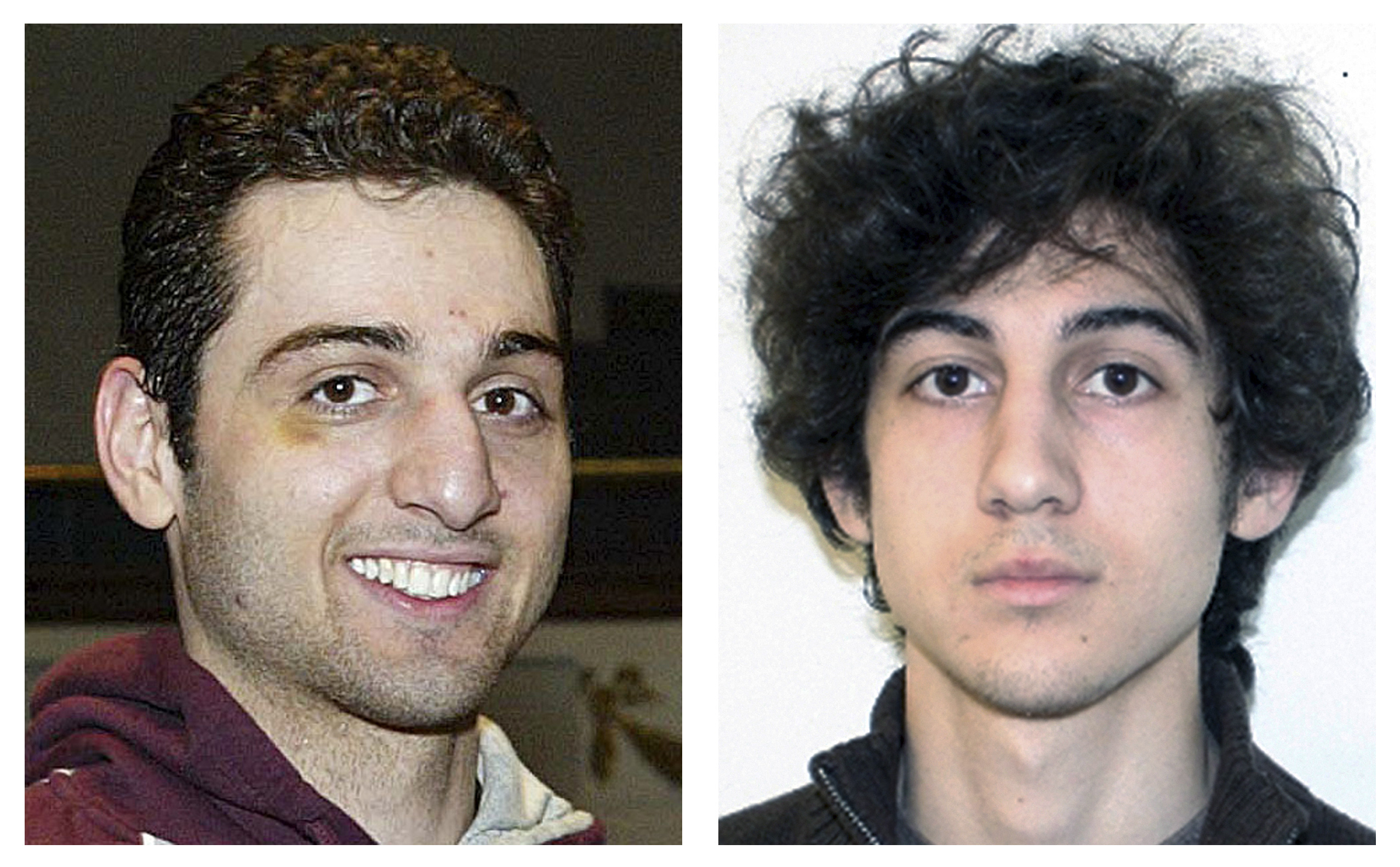
Two pressure-cooker bombs exploded near the finish line of the Boston Marathon, according to the official incident report.
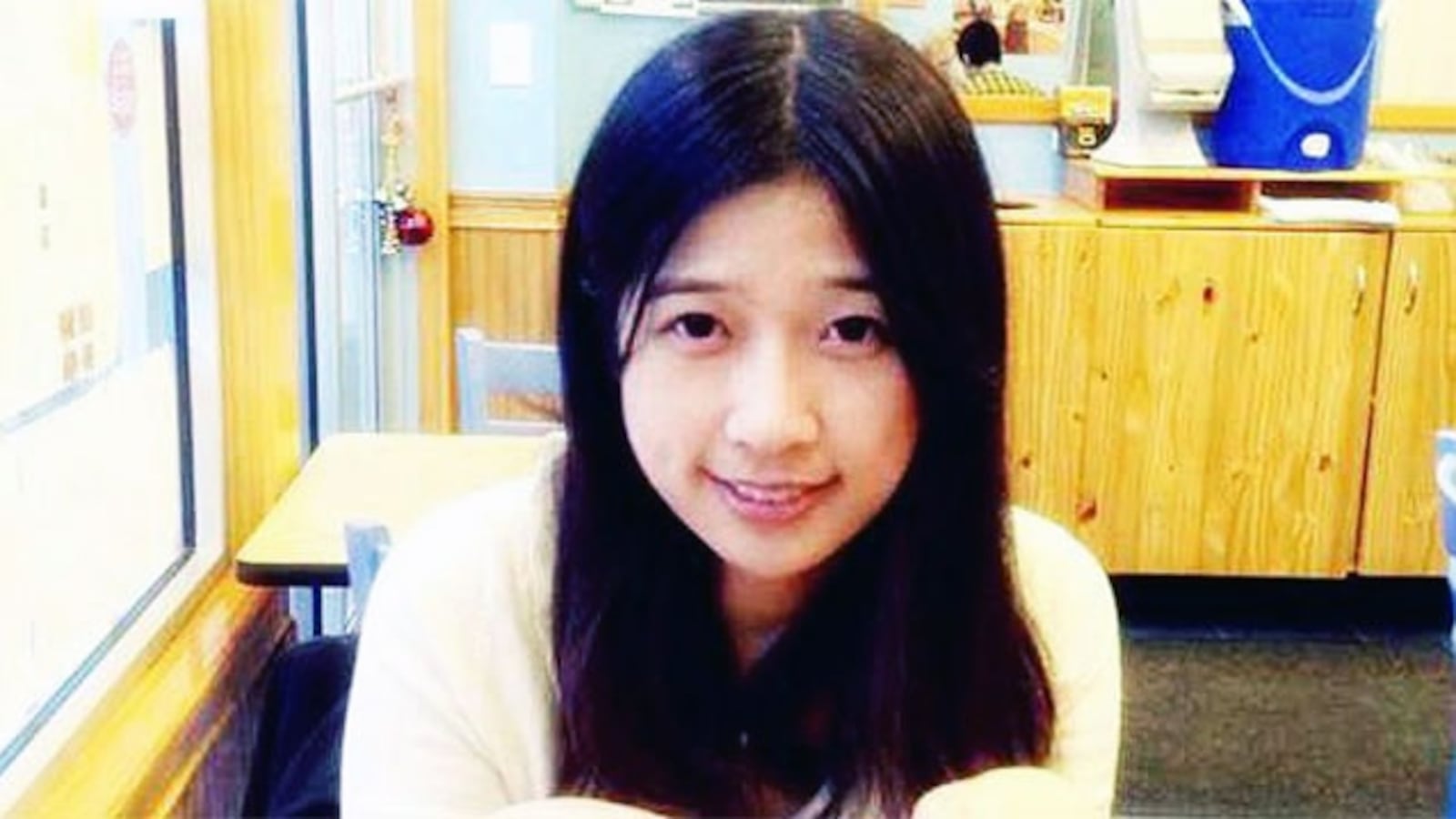
The blasts killed three people: Krystle Campbell, Lingzi Lu, and Martin Richard, an 8-year-old boy.
More than 260 others were injured.
The bombs were inside backpacks, the investigation evidence showed, and they were detonated remotely.
The exact contents of those backpacks beyond the pressure cookers are not specified in the record.
That detail is not established.
What is established is the sudden, violent stop of a public celebration.
Runners who had trained for months were stopped mid-stride.
Spectators who had lined the street were caught in the blast.
The city went silent.
The nation watched the smoke rise from a television screen.
Reporters on the scene described chaos, not clarity.
No one knew yet who had done this, or why.
The Boston Marathon has since held a moment of silence each year on April 15.
That is a public record of grief.
It is also a measure of how the day is remembered: not for the finish line, but for the pause.
Before the FBI released any photographs, before any suspects were named, there were just the bombs, the dead, and the wounded.
The human cost came first.
The investigation would follow.
APRIL 18–19 — THE MANHUNT
The FBI’s April 18 release named two men as suspects in the bombing.
The images went out in a late-afternoon press conference, and the news cycle swallowed them whole.
Newsrooms ran the photos front and center.

Social media did what social media does: it spread the faces faster than the FBI could correct them.
Within hours, the two men came forward.
They were cleared.
They were not involved.
The FBI announcement had been a documented error, not a theory.
The real suspects were still moving.
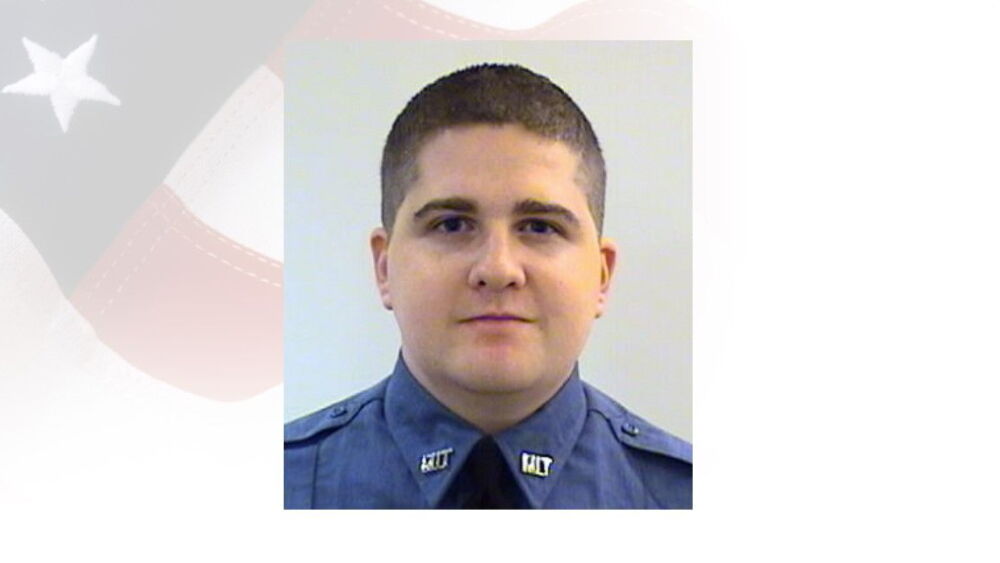
In the early hours of April 19, the two brothers killed a Massachusetts Institute of Technology police officer, Sean Collier, according to the police report.
Then they carjacked a vehicle.
The carjacking victim escaped.
He provided crucial information to police, the investigation record states.
A massive manhunt shut down the Boston area.
The city locked itself down.
The first suspect was killed in a shootout with police in Watertown, according to the police account.
The second suspect was captured later that day hiding in a boat in a Watertown backyard, the police account states.
The exact sequence of events inside the shootout is not fully detailed in the record.
What is documented is the pace: wrong photos on Thursday, a dead officer before dawn Friday, a city frozen, a brother dead, a brother in custody.
The media had shown the wrong faces.
The public had shared them.
The record shows the mistake.
It does not show who made it stick.
THE TRIAL AND THE TWO STORIES
The trial began in January 2015, and the courtroom held two competing stories.
The defense, led by Judy Clarke, admitted his involvement.
She argued he was influenced by his older brother, Tamerlan.
The prosecution, led by U.S. Attorney Carmen Ortiz, sought the death penalty.
Dzhokhar Tsarnaev was charged with 30 federal counts, including conspiracy and use of a weapon of mass destruction resulting in death.
The media crowded the gallery, and the public followed every word.
In April 2015, the jury convicted him on all 30 counts.
In May 2015, the jury sentenced him to death.
The trial judge formally imposed the sentence in June.
The coverage split into two camps.
One camp saw a monster; the other saw a manipulated younger brother.
Which story was true?
That would require a mind the record does not open.
The death sentence was later overturned on appeal in 2020.
The U.S. Supreme Court reinstated it in 2022.
The verdict stood; the sentence stood; the appeals did not stop.
What the public debated then, they debate now.
Not because the evidence changed.
But because the two stories never merged into one.
AND THE STORY STILL ISN'T OVER
He remains on federal death row.
His appeals continue.
The Supreme Court reinstated the death penalty in March 2022.
The next specific hearing date is not in the record.
The Tsarnaev family's parents have returned to Russia.
The Richard family, through the Martin Richard Foundation, has advocated for community building and peace.
The Boston Marathon continues annually, with enhanced security.
The city holds a moment of silence each year on April 15.
The marathon returns every Patriots' Day.
The security is heavier now.
The backpacks are checked, the barriers are higher, the crowds are watched.
And every April 15, the city stops.
A moment of silence, then the runners move again.
What the public debated then, they debate now.
Not because the evidence changed.
But because the two stories never merged into one.
The wrong men were cleared.
The right men were convicted.
The file is closed, and it is not closed.
One brother is buried.
One brother is on death row.
The parents are in Russia.
The foundation builds playgrounds.
The city runs.
The moment of silence passes.
And the question of what justice looks like remains open.
That would require evidence.
That would require a verdict that ends the argument.
The verdict came.
The argument did not.
Advertisement
You may also like
The cell tower records that placed Adnan Syed near Leakin Park — and the defense that tore them apart
The note was found in Hae Min Lee's car, and it read "I'm going to kill." Prosecutors argued Adnan Syed wrote it. The defense…
The 2002 fishing trip that Scott Peterson said explained everything — and the boat anchor that didn't match
December 24, 2002, and Scott Peterson reports his eight-months-pregnant wife Laci missing from their Modesto home. He says he spent that morning fishing at…
The 3:15 a.m. attack that 38 neighbors reportedly heard — but the timeline has a hole
She was almost home. Catherine "Kitty" Genovese, 28, had walked from her job at Ev's 11th Hour Bar to her apartment building at 82-70…
The white Cadillac witness said he was inside — 27 years later, one man faces trial
A white Cadillac pulled alongside a BMW sedan on the Las Vegas Strip. It was September 7, 1996, and gunfire erupted. The BMW carried…
The phone call that made a friend dial police — and the interview that followed
The missed appointment was a doctor’s appointment, and the phone went unanswered. On August 13, 2018, in Frederick, Colorado, a friend called police to…
The smiley-face confession that made a sister call the police
The note was found in March 1995, near a woman's body in Oregon. It was handwritten, a confession. It was signed with a smiley…