The fingerprint on a pillowcase that sealed a killer's fate — and the appeals that keep him alive
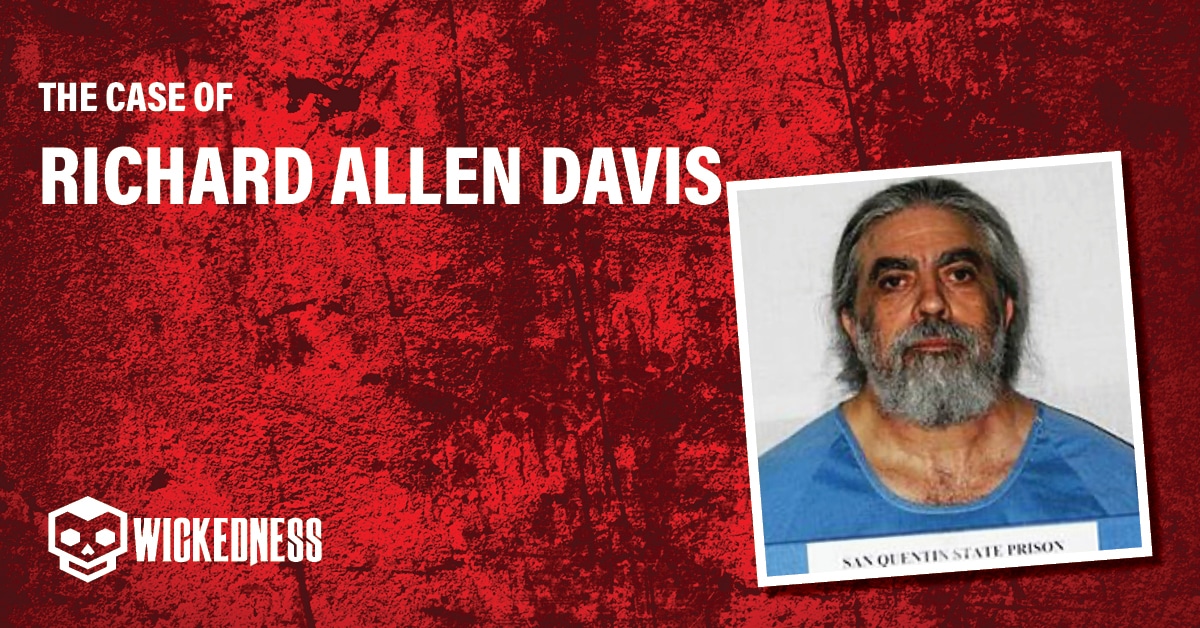
The pillowcase was ordinary.
It sat in Polly Klaas's mother's home in Petaluma, California, on the night of October 1, 1993.
Twelve-year-old Polly was hosting a slumber party.
An intruder entered the house.
He tied up Polly's mother and two friends.
He took Polly at knifepoint.
He left the pillowcase behind.
On it, investigators found his fingerprints.
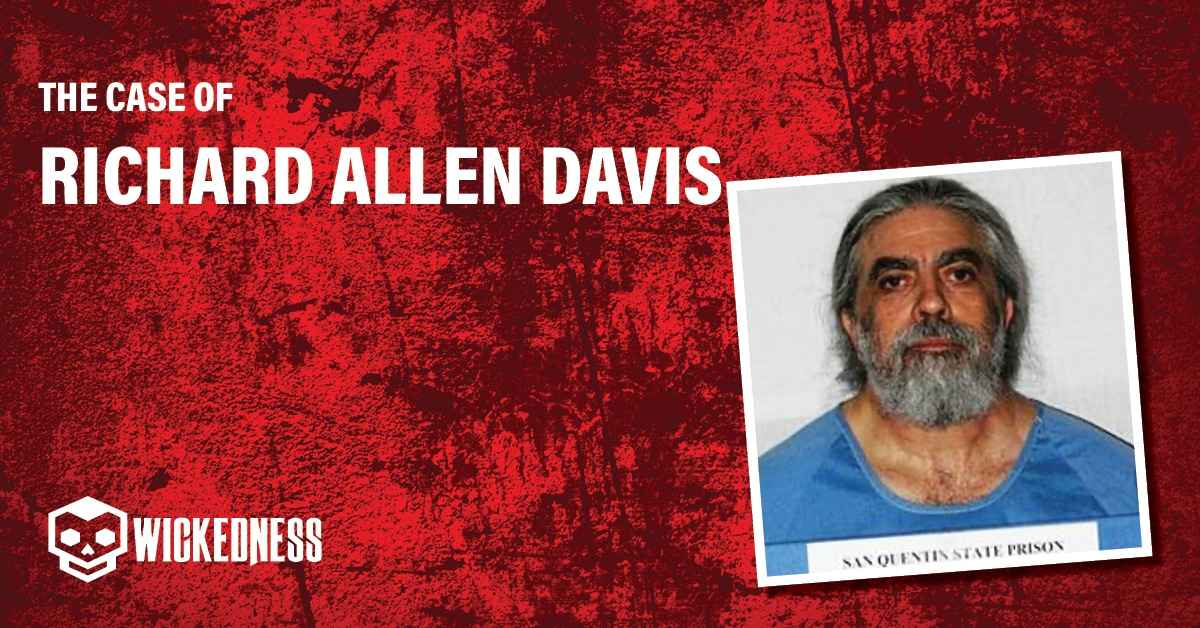
Those prints belonged to Richard Allen Davis.
Davis was already on parole for a prior kidnapping.
His history included violent crimes.
A woman reported seeing his car near the Klaas home.
That tip led police to him.
His car matched witness descriptions.
The pillowcase matched Davis.
The record does not detail what exactly Davis did inside the house beyond the abduction.
That part is not established.
But the trace was there, on the fabric, in the room where a child slept.
One object held the link.
One object unraveled his story.
It is a fact of the case.
It is also the thing that makes you look twice at your own laundry.
The pillowcase was evidence.
It was also the last ordinary thing in that room.
THE SEARCH AND THE FIND
The search was a machine of its own.
Local police ran it. The FBI ran it. Thousands of volunteers walked the hills and the roads and the ditches.
They looked for a girl, and for a while they looked for a girl who might still be alive.
They found her on December 4, 1993.
The place was a wooded area near Cloverdale, about 60 miles from the house in Petaluma.
She had been strangled.
The search ended there, in a clearing that no volunteer had reached in time.
The identification came after the arrest.
Richard Allen Davis was already in custody, and he led authorities to the location of Polly’s body.
That was documented.
Later, he would claim he had only been involved in disposing of the body.
He would say he found her after the fact, that he was a cleaner, not a killer.
The jury heard another version.
A cellmate testified that Davis had confessed to the crime.
He described details, the record says, only the killer would know.
That testimony was documented.
It was also contested, as testimony often is.
What is documented: the search, the find, the confession, the conviction.
What is not established: the exact circumstances of Polly’s death.
Whether Davis acted alone or with others is not established beyond the conviction.
The record does not resolve it.
The clearing does not speak.
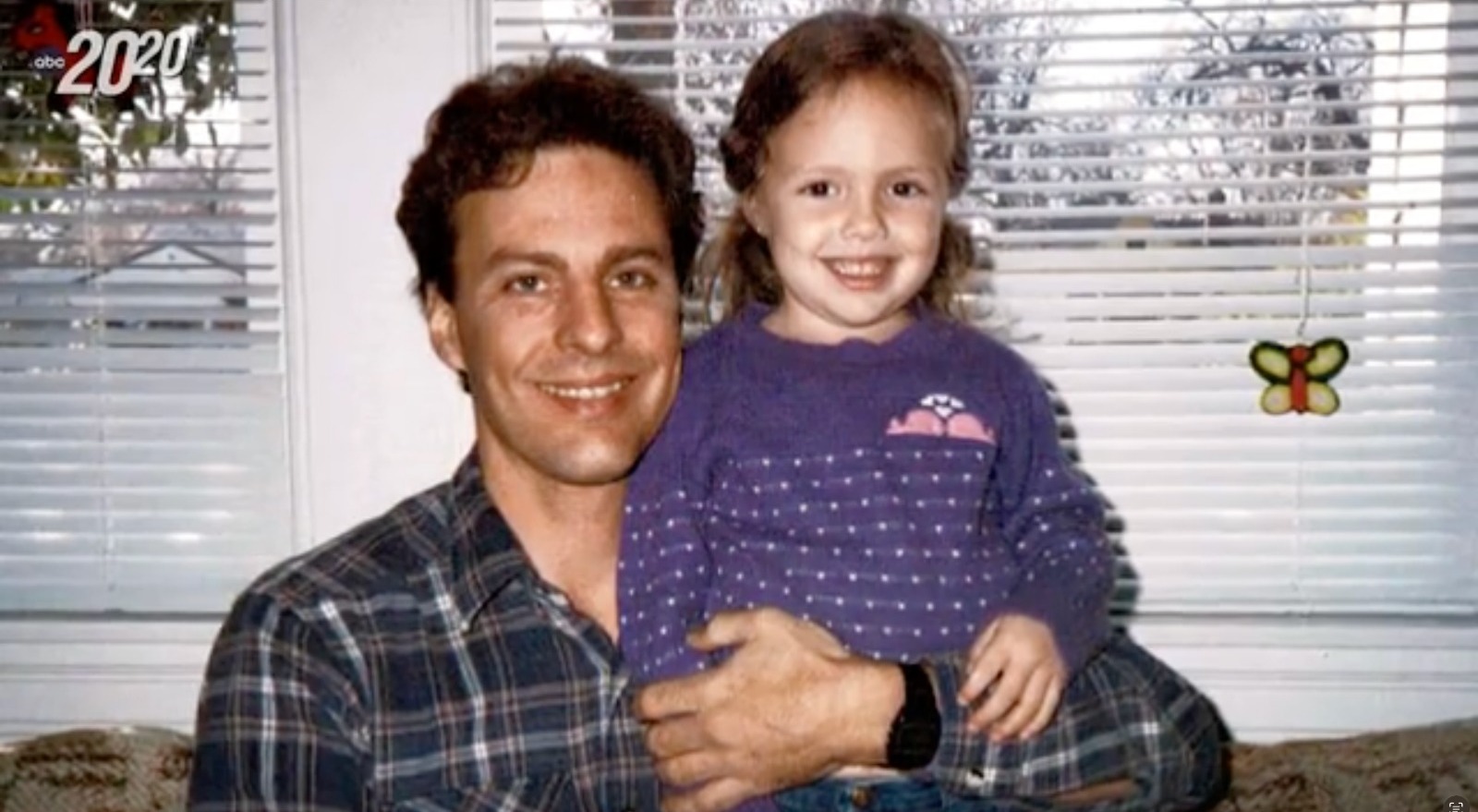
The pillowcase was evidence.
The body was evidence.
The confession was evidence.
The case was solved through forensic evidence and witness cooperation, the source material says.
That is the documented line.
The rest is the silence after a search that failed.
THE TRIAL AND THE OUTBURST
The trial opened in Sonoma County in 1996.
Richard Allen Davis was charged with first-degree murder with special circumstances, kidnapping, and burglary.
Prosecutors said he was a repeat offender on parole who broke in, abducted the girl at knifepoint, and strangled her.
The defense argued Davis was only involved in disposing of the body, not the murder itself.
The jury rejected that version.
They convicted Davis on all counts.
The same jury recommended the death penalty.
Judge Thomas Hastings—the record names him—sentenced Davis to death in September 1996.
Then came the outburst.
At sentencing, Davis taunted the court and the victim's family.
It drew widespread condemnation.
The exact words of that outburst are not quoted in the record.
What is documented is that it was shocking and taunting.
That is the line the record draws.
The conviction and sentence have been upheld through multiple appeals.
Davis remains on death row at San Quentin State Prison.
Executions in California have been halted since 2006 over legal challenges to the state's lethal injection protocol.
His appeals have been repeatedly denied.
He has exhausted many of his legal options.
No execution date has been set.
The family has continued to advocate for victims' rights, particularly around parole and repeat offenders.
The case helped drive California's "Three Strikes" law, passed in 1994.
A foundation created to search for the girl still operates, focusing on missing children and safety education.
The sentence stands.
The appeals stand.
The waiting stands.
TWO STORIES OF THE SAME FACTS
The prosecution told a story of a repeat offender.
Davis was on parole for a prior kidnapping.
He broke in, the prosecution said, abducted Polly at knifepoint, and murdered her.
The fingerprint on the pillowcase sealed it.
The cellmate's testimony sealed it too.
The cellmate testified that Davis described details only the killer would know.
The defense told a different story.
Davis claimed he was only involved in disposing of the body, not the murder itself.
He said he led authorities to the location of Polly's body after his arrest.
Whether that claim has any support beyond his own statement is not established.
The record does not establish it.
The jury heard both versions.
The jury rejected the defense's version, convicting on all counts.
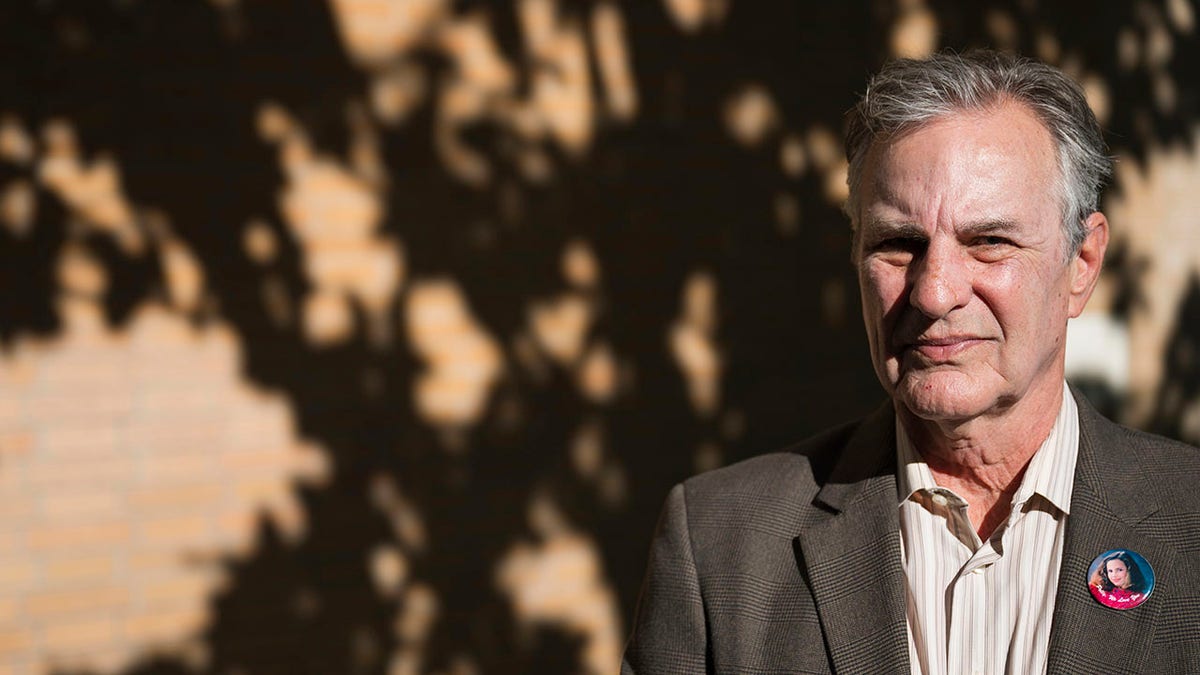
It was a tug-of-war over the same facts.
One fingerprint.
Two irreconcilable narratives.
The case reached beyond the courtroom.
California passed its "Three Strikes" law in 1994, partly in response to Davis's criminal history.
A repeat offender on parole had been the prosecution's opening line.
The law became the state's answer.
The conviction stood.
The sentence stood.
AND THE STORY STILL ISN'T OVER
Richard Allen Davis remains on death row at San Quentin State Prison.
Executions have been halted in California since 2006, the result of legal challenges to the state's lethal injection protocol.
His appeals have been repeatedly denied.
He has exhausted many of his legal options.
No execution date has been set.
When or whether an execution will ever be scheduled is not known; the record does not state a next hearing date.
The state's machinery stalls.
The convicted man waits.
Marc Klaas founded the KlaasKids Foundation, which works to prevent child abduction and violence.
Eve Nichol has largely stayed out of the public eye.
She has spoken about the impact of her daughter's death.
The Polly Klaas Foundation, created to search for her, continues to operate, focusing on missing children and safety education.
The advocacy continues.
It is steady.
It is public.
It is private.
It is a mother's grief spoken in measured words.
It is a father's cause built from a name.
The case helped bring California's "Three Strikes" law, passed in 1994, partly in response to Davis's criminal history.
That law remains.
The sentence remains.
The appeals have been denied, one after another, each time the record reviewed and upheld.
The conviction stood.
The sentence stood.
The waiting has no date attached to it.
Not because the law has forgotten.
But because the machinery has stopped.
Does the family measure time in hearings?
Does the convicted man count the years?
Does the state ever schedule what it cannot carry out?
That would require evidence.
What remains is documented: a fingerprint on a pillowcase, a cellmate's testimony, a sentence of death.
What remains is a father's foundation and a mother's silence.
What remains is a prison cell at San Quentin.
She was on the ground below, sixty miles away, and the law answered with a verdict.
The verdict is not the end.
The end is not scheduled.
Advertisement
You may also like
The floppy disk trace that unmasked a church leader as BTK after 30 years
A floppy disk arrived at a Wichita newspaper in 2004, sent by someone claiming to be the BTK killer. It was a taunt, a…
The notebook found beside Brian Laundrie's remains that changed the Gabby Petito case
On October 20, 2021, Brian Laundrie's remains were found in the Carlton Reserve in Florida. A notebook lay nearby. Inside that notebook was a…

The anonymous call that shifted the Hae Min Lee case toward Adnan Syed
She was 18. Hae Min Lee left Woodlawn High School on January 13, 1999, and never arrived at the daycare to pick up her…
A parolee's palm print on a bedpost — and the 64-day search that followed
The bedpost stood in a twelve-year-old's room. On the night of October 1, 1993, Polly Klaas was having a slumber party with two friends…
Why 48 life sentences followed a plea deal that spared Gary Ridgway the death penalty
The number stunned even seasoned court observers. In 2003, Gary Ridgway, a truck painter from Auburn, Washington, pleaded guilty to 48 counts of aggravated…
The bloody glove found at O.J. Simpson’s estate that split a nation
A single glove lay on the walk outside Nicole Brown Simpson’s condominium on Bundy Drive. Police found it on the night of June 12,…