From first report to verdict: the Trayvon Martin case timeline
🚨 THE VOICE ON THE 911 CALL…
A voice cries for help on a 911 call.
The sound is thin, distant, swallowed by the static of a February night in Sanford, Florida.
Experts listened to that voice.
They disagreed over whose it was.
The crying voice comes from the struggle between Trayvon Martin and George Zimmerman, captured on a call placed moments before the shot.
The defense heard Zimmerman.
The prosecution's experts heard Martin.
The record does not establish whose voice it was.
That is the fact the trial could not settle: the audio exists, the experts testified, and the identification was never definitive.
It is a key piece of evidence.
It is also unresolved.
The call became a turning point in public discussion, played and replayed on news channels, dissected in courtrooms, argued over by strangers who were not there.
The voice is the hinge of the case.
The case itself began quietly, with a teenager walking back from a convenience store carrying iced tea and candy.
It drew national attention only after Martin's parents, Sybrina Fulton and Tracy Martin, and their attorney Benjamin Crump publicized it, alleging racial profiling.
But before the protests, before the special prosecutor, before the verdict, there was that call.
A voice crying for help.
Whose voice?
That would require evidence the record does not provide.
Experts disagreed.
The record ended there.
FEBRUARY 26, 2012 — THE ERRAND
February 26, 2012, was a Sunday.
Trayvon Martin, 17, was visiting his father's fiancée at The Retreat at Twin Lakes in Sanford, Florida, according to the case summary.
He walked to a nearby convenience store.
He was returning with iced tea and candy, the case summary states.
George Zimmerman, 28, was a neighborhood watch volunteer in the same gated community.
Zimmerman called police to report a suspicious person, according to the case summary.
What exactly Zimmerman said in that first call is not detailed in the source.
The record does not establish his exact words.
It was an errand.
Iced tea and candy.
A bag from a store, carried in the dark.
Zimmerman's call placed a young man in the neighborhood as suspicious.
Martin kept walking.
Zimmerman was on the phone with a dispatcher.
The dispatcher told him not to follow, according to later testimony at trial, though the source material does not detail that exchange.
The errand ended before the confrontation began.
The case summary places the altercation shortly after the call.
Martin was still holding the iced tea and candy when the police arrived, according to the case summary.
He was pronounced dead at the scene.
The mundane errand is the starting point.
It is the fact the record fixes with certainty: a boy, a store, a walk home.
Everything after that is disputed.
What Zimmerman said on the call is not established.
What Martin did between the store and the encounter is not established.
The errand is the one clean fact.
THE 911 CALL AND THE CONFRONTATION
Zimmerman’s call ended.
What happened next is a matter of seconds and a single shot.
Shortly after the call, a physical altercation took place, according to the case summary.
Zimmerman shot Martin once in the chest with a 9mm handgun.
The weapon was a Kel-Tec PF-9 semiautomatic handgun, which Zimmerman legally carried.
Martin was pronounced dead at the scene.
Zimmerman told police he acted in self-defense.
The exact sequence of the struggle is not established in the source.
Who was on top, who threw the first blow, whose hands were where—the record does not resolve it.
It is a gap the trial would circle for weeks.
But the turn is fast.
A report of a suspicious person.
A voice on a phone line.
A gunshot.
A body on the ground.
That is the documented arc: report, struggle, shot, death.
Zimmerman said Martin attacked him, slammed his head on the sidewalk, and reached for the gun.
Police noted Zimmerman had a bloody nose and head injuries.
Those injuries corroborated his account, the defense would argue.
The prosecution would argue he was the aggressor.
Neither story is established here.
Only the outcome is clean.
Martin was dead.
Zimmerman was alive, and he said it was self-defense.
THE NIGHT OF NO ARREST
Sanford police responded to Zimmerman's call and found Martin dead.
Zimmerman was not arrested that night.
The reason given was Florida's "Stand Your Ground" law, which allows deadly force when a person reasonably believes it is necessary to prevent death or great bodily harm.
Police noted Zimmerman had a bloody nose and head injuries.
The initial investigation relied heavily on Zimmerman's account.
He said Martin attacked him, slammed his head on the sidewalk, and reached for Zimmerman's gun.
)
That account was the backbone of the night's report.
The record does not establish whether Zimmerman's injuries were consistent with his story.
It was not independently verified.
The police report carried his version forward.
The absence of an arrest is what the family would later call the beginning of the fight.
Martin's parents and their attorney argued the investigation was not thorough.
They argued Zimmerman had profiled Martin and followed him.
The police said nothing that night to contradict Zimmerman's words.
The case went quiet.
Then it went viral.
THE FAMILY'S FIGHT FOR ATTENTION
The first report was Zimmerman's.
Then the case went quiet.
Then it went viral.
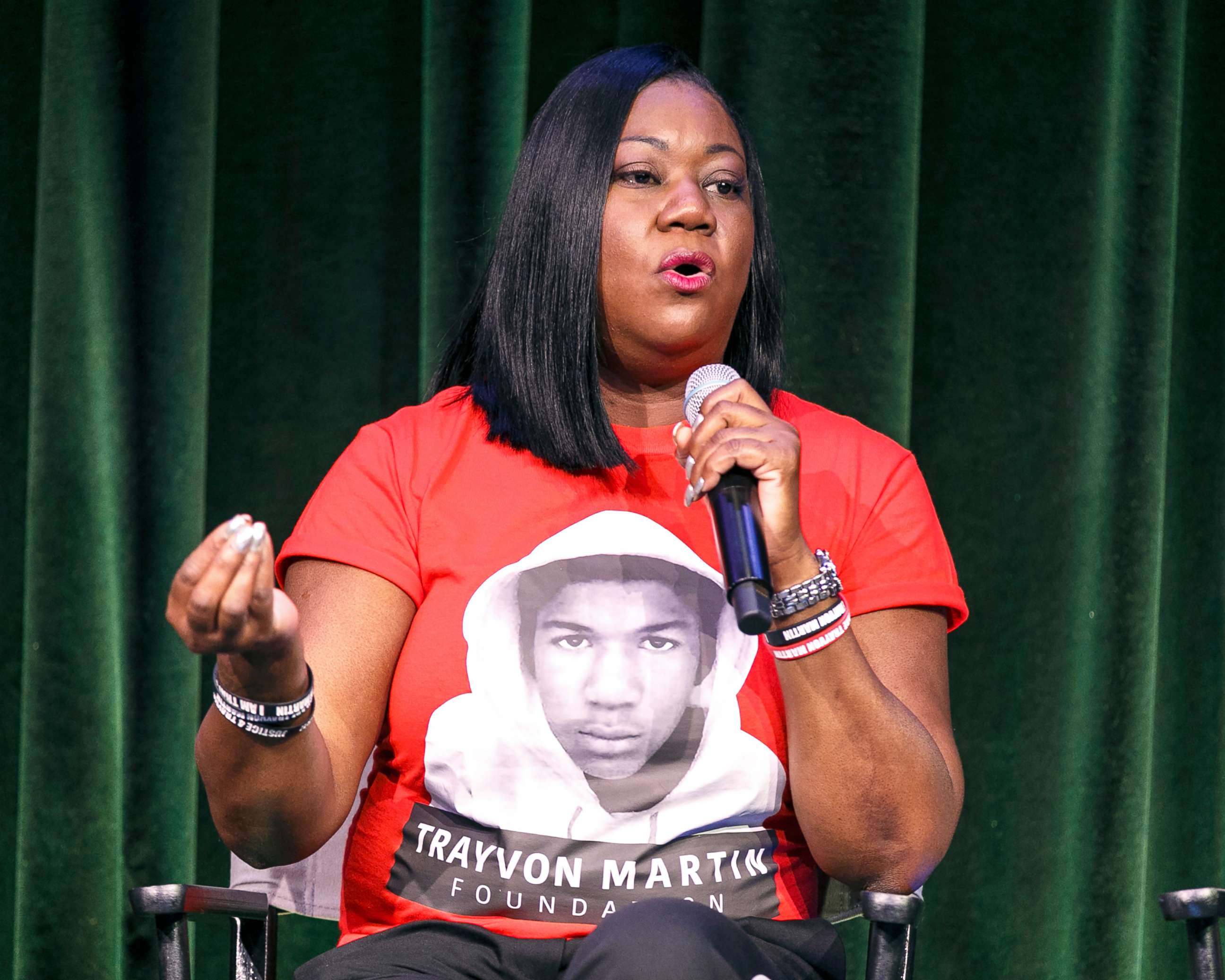
Trayvon Martin's parents, Sybrina Fulton and Tracy Martin, and their attorney Benjamin Crump publicized the case, alleging racial profiling, according to the case summary.
Civil rights activists argued Zimmerman had profiled and followed Martin, and that police had not conducted a thorough investigation, the case summary states.
The specific evidence of profiling is not detailed in the source.
It is a claim. It is also a question the record leaves open.
The case gained national traction after the Sanford Police Department's initial refusal to charge Zimmerman, according to the case summary.
That refusal became the story.
Not because of what police found that night. Because of what they did not do.
No arrest. No charge. No public accounting beyond Zimmerman's account.
The parents spoke. The activists spoke. The footage of a teenager's death was not footage at all—only a timeline, a convenience store run, a walk home.
They asked why the police accepted one man's word over a dead boy's silence.
They asked why the neighborhood watch volunteer walked free.
They asked what the investigation actually examined.
The record does not answer all of it.
What the record shows is traction: protests, pressure, and a case that would not stay local.
The family's fight moved the story from a police report to a national one.
APRIL 2012 — THE SPECIAL PROSECUTOR
Protests moved the story from the Sanford Police Department's refusal to charge Zimmerman to the governor's office.
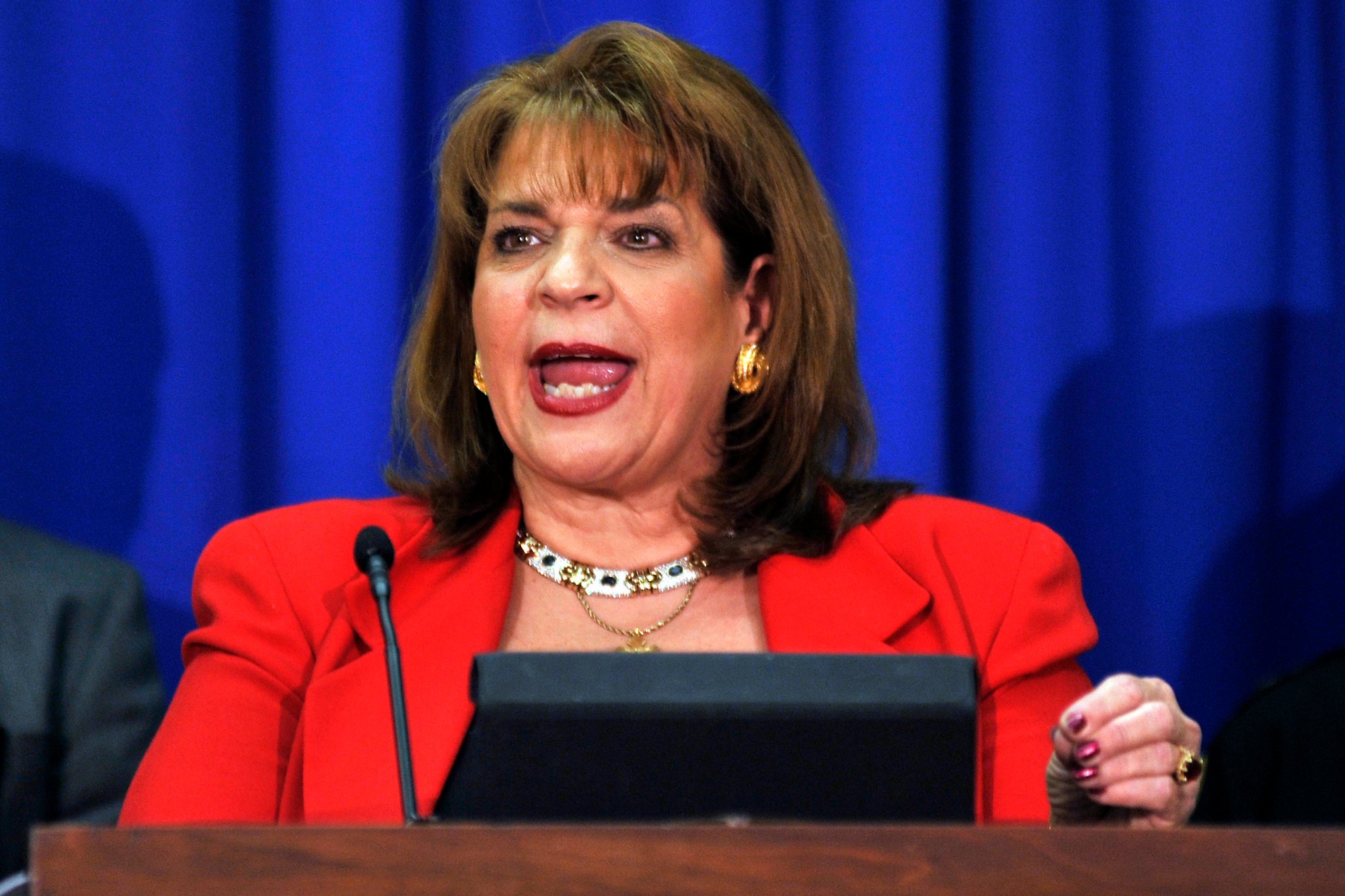
The governor appointed Angela Corey as special prosecutor, according to the case summary.
Corey charged Zimmerman with second-degree murder in April 2012.
She also charged him with manslaughter, according to the trial outcome.
Zimmerman pleaded not guilty, claiming self-defense.
The charges arrived roughly two months after the shooting.
The record does not detail the specific evidence that led Corey to charge him.
That is not established in the source.
What is established is the shift: a local refusal became a formal prosecution.
The case moved from a police report to a charging document.

It moved from "no arrest" to "second-degree murder."
It moved from a family's fight to a prosecutor's decision.
The specific weight of the 911 call in that decision is not in the record.
Neither is the exact role of the protests in the governor's choice.
The timeline records the appointment.
The timeline records the charges.
The timeline records the plea.
The reasoning behind each step remains unstated in the source.
That would require evidence the record does not provide.
The formal charges arrived in April 2012.
The trial would come later.
The verdict would come later still.
For now, the case had a name, a charge, and a defendant who said he acted in self-defense.
THE TRIAL — TWO STORIES, ONE STRUGGLE
The prosecution opened with a story of a man who decided to be the police.
Zimmerman profiled Martin, the prosecution argued, followed him against the dispatcher's advice, and instigated the confrontation that ended in a single gunshot.
The defense opened with a story of a man who was attacked.
Zimmerman acted in self-defense, the defense argued, after Martin knocked him down and slammed his head on the sidewalk.
Two stories, one struggle, and the trial came down to a single physical question.
Who was on top?
The timeline mattered because the struggle mattered.
The defense cited Zimmerman's injuries, the bloody nose and head wounds the police noted that night.
The prosecution cited his role as aggressor, the man who left his vehicle with a gun.
Witnesses testified. Forensic experts testified. The lead investigator, Chris Serino, testified.
Each side built a sequence of seconds, trying to place the two men in a particular position at the fatal moment.
Was Martin on top, raining blows, reaching for the gun?
Or was Zimmerman on top, pinning the teenager down, firing at close range?
The record does not establish who was on top during the struggle.
It is not in the source material. It is not in the verdict.
The jury heard the two stories, weighed the injuries against the accusation, and was instructed on self-defense law.
In the end, they believed one story over the other.
That is what a verdict is—a choice between stories, not a resolution of every fact.
THE VOICE EXPERTS COULDN'T AGREE ON
The 911 call lasts just over two minutes.
In it, a voice cries for help.
The struggle is audible. The shot is audible. Then the line goes quiet.
Experts listened to that voice and disagreed over whose it was.
The prosecution's experts said it was Trayvon Martin.
The defense's experts said it was George Zimmerman.
The source material notes this disagreement plainly: experts disagreed over whose voice it was.
It became a significant turning point in public discussion.
The audio was released, and the public heard what the experts heard—a cry, a struggle, a shot.
People played it over and over.
Some heard a teenager. Some heard a man. Some heard fear. Some heard a trick.
The record does not establish whose voice was on that call.
That is the fact the investigation evidence leaves open.
Not because the audio was unclear.
But because the experts who analyzed it could not agree, and the court did not resolve the question.
The jury heard the tape, of course.
They heard the same cry, the same struggle, the same shot.
They were not asked to decide whose voice it was.
They were asked to decide whether Zimmerman acted in self-defense.
That verdict came down on July 13, 2013.
But the voice on the call was never assigned to anyone by the record.
It remains a sound without a confirmed owner.
A cry that fueled a national debate.
A detail that made the case feel personal to millions.
It is a mystery the case does not solve.
That would require evidence the investigation did not produce.
JULY 13, 2013 — THE VERDICT
The trial began in June 2013 in Sanford, Florida, before Judge Debra Nelson.
The prosecution argued that Zimmerman had profiled Martin, followed him against police advice, and instigated the confrontation.
The defense argued Zimmerman acted in self-defense after Martin attacked him.
The jury of six women acquitted Zimmerman of all charges on July 13, 2013.
Zimmerman was not sentenced and was released.
The verdict sparked nationwide protests and debates about race, gun laws, and self-defense.
What the jury weighed is not in the record.
The jury's specific reasoning was never documented.
That would require evidence the investigation did not produce.
The acquittal was complete.
All charges, second-degree murder and manslaughter, were gone.
Zimmerman walked out of the courtroom a free man.
The protests came anyway.
They came in Sanford, in New York, in Los Angeles, in cities that had followed the case for months.
They carried signs with Martin's name.
They argued about profiling.
They argued about Stand Your Ground.
They argued about who had cried for help on that 911 call.
The record does not answer that question.
It never did.
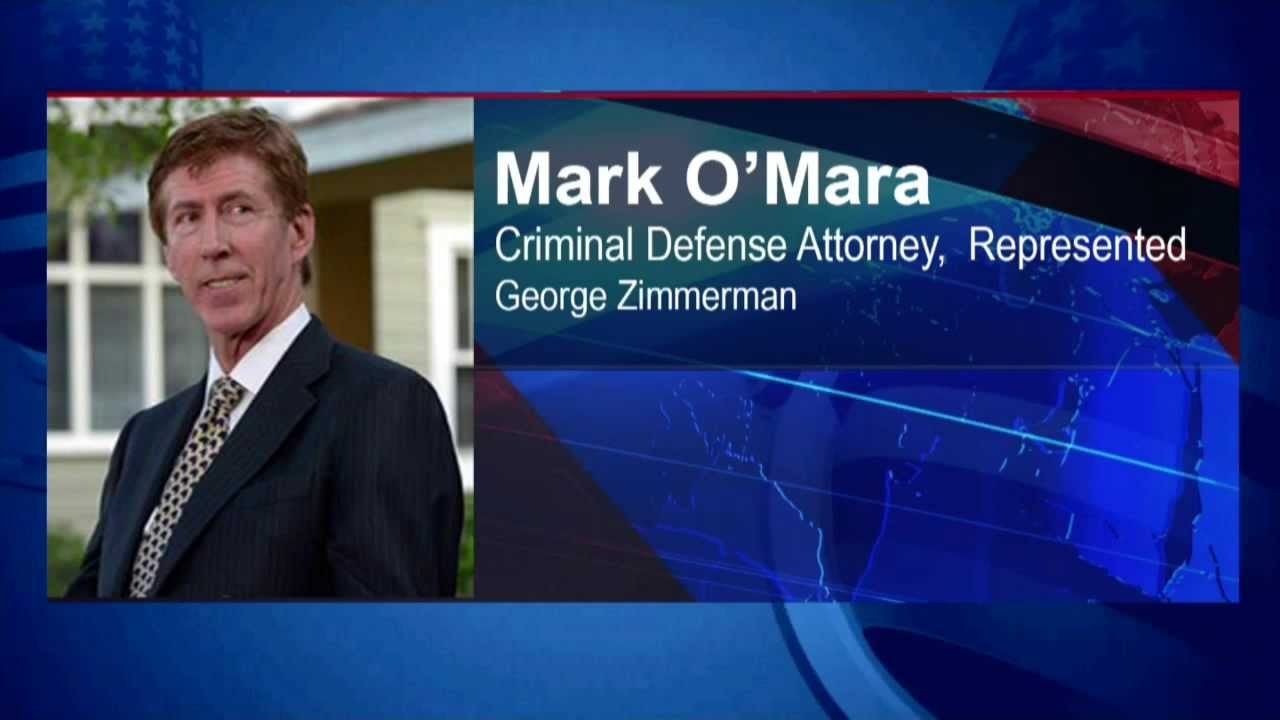
The case had begun with a report of a suspicious person.
It ended with a jury's verdict.
No sentencing followed.
No further punishment was imposed.
Zimmerman was released.
The trial had lasted three weeks.
The jury deliberated for more than sixteen hours.
The verdict came on a Saturday.
It was July 13, 2013.
The date is in the record.
So is the acquittal.
So is the release.
What the jury decided behind closed doors is not in the record.
That remains unresolved.
AND THE STORY STILL ISN'T OVER
The Justice Department looked at federal hate-crime charges.
It announced in February 2015 that it would not prosecute.
That door closed.
Zimmerman had another arrest in 2015, for aggravated assault.
The charge was later dropped after the accuser recanted.
That case is also not in the record as anything more than an arrest.
In 2016, he auctioned the gun used in the shooting.
The sale drew criticism.
The gun is a piece of the evidence now in private hands.
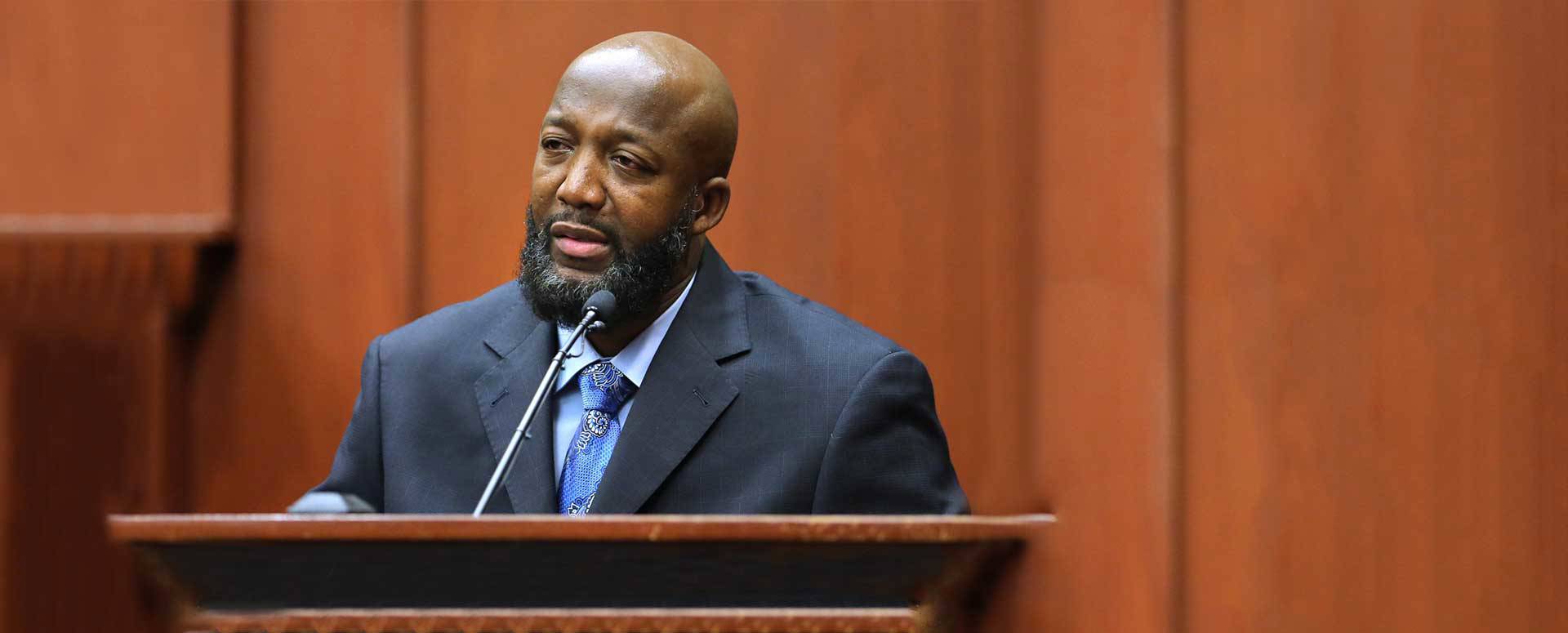
Martin's parents founded the Trayvon Martin Foundation.
They became advocates for gun reform and racial justice.
Their work is documented; their grief is not a legal matter.
No further criminal charges have been filed against Zimmerman in connection with Martin's death.
That is where the record stops.
What comes next? A retrial? A civil suit? A confession?
None of that is in the record.
That would require evidence.
The voice on the 911 call remains unidentified.
The struggle remains reconstructed from testimony.
The verdict remains what it was.
The case is closed in court.
It is not closed in public memory.
It is a timeline with an ending, but not a resolution.
The story is over.
The story is not over.
Advertisement
You may also like
The DNA under her fingernails that cracked a 17-year cold case — but left one question open
🚨 THE NEIGHBOR'S CALL THAT OPENED A 17-YEAR WAIT… A neighbor in Bellaire, Texas, called police about a break-in at a home on June…
The 4-day gap between a 5-year-old's abduction and a suspect's arrest in her murder
🚨 THE 4-DAY GAP July 15, 2002, in Stanton, California: a man asks a five-year-old for help finding a lost dog. The friend runs…
The grandmother's 911 call that started it all — and the family story that never fit
🚨 THE 911 CALL THAT DIDN'T MATCH THE FAMILY'S STORY The 911 call came on July 15, 2008, from a grandmother named Cindy Anthony.…
The missing boy's ring found in a crawl space — 27 bodies later
🚨 THE RING IN THE CRAWL SPACE The ring was small, gold, and it belonged to a missing 15-year-old boy. Police found it on…
The 2005 Aruba nightclub exit that left three men with stories that never matched
🚨 THE EXIT THAT STARTED EVERYTHING The club was called Carlos'n Charlie's, a bar and nightclub in Oranjestad, Aruba. Natalee Holloway, 18, from Mountain…
The tarot card message that turned a random killing spree into a hunt for 'God'
🚨 THE TAROT CARD THAT READ 'CALL ME GOD' The card was a piece of evidence, found at a crime scene during the investigation…