The Glasgow smile and the letters that named no killer
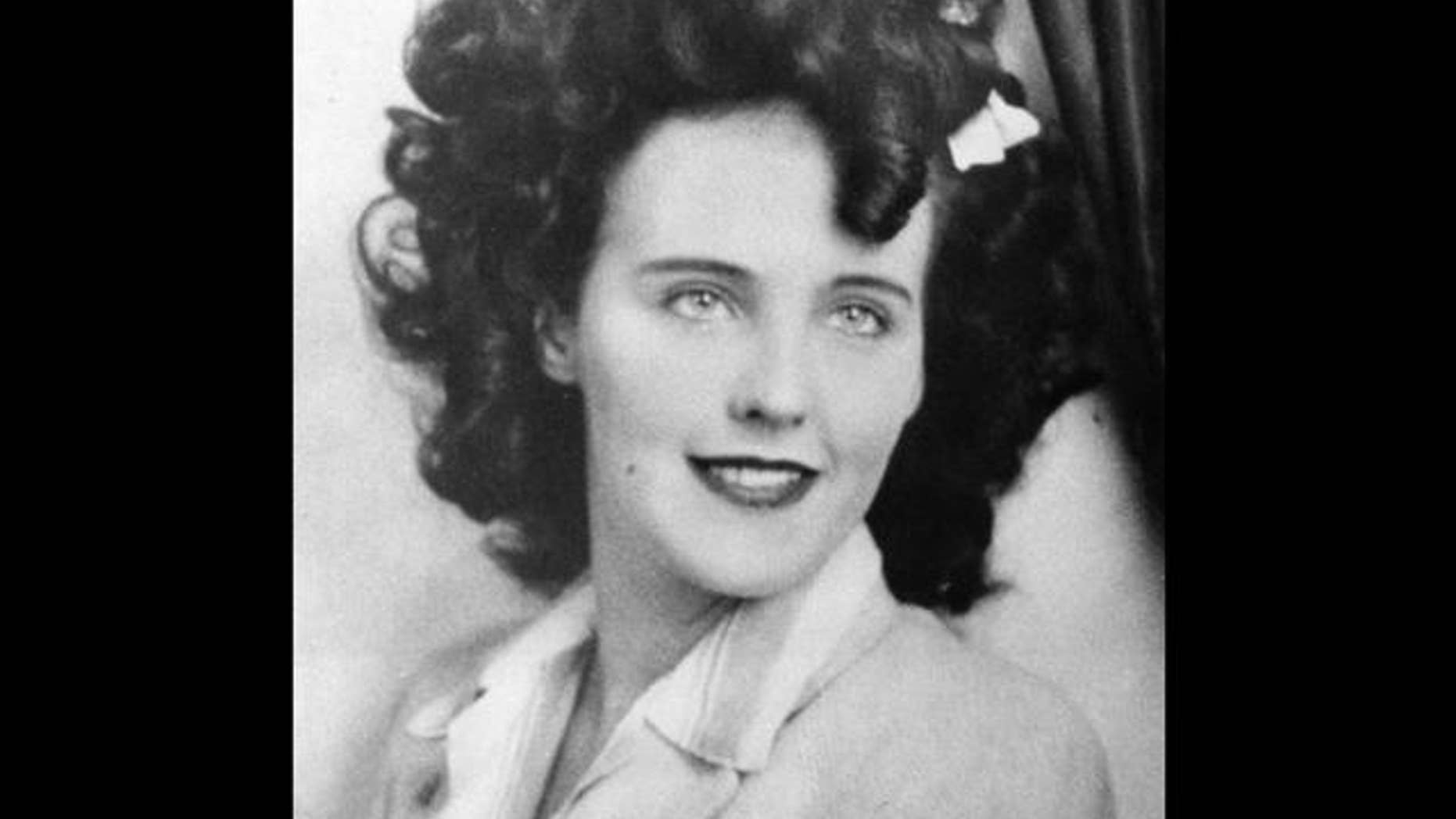
The letters came to the Los Angeles Herald-Express in the weeks after the body was found.
They claimed responsibility for the murder.
The envelope, the handwriting, the postmark — all of it promised a name inside.
Some letters contained pieces of Elizabeth Short's life: her birth certificate, her address book.
The address book held a salesman's name, and the salesman was questioned for days before being cleared.
The letters held effects.
They held no killer.
The identity of the letter writer is not established.
No one was ever charged.
The body had been found on January 15, 1947, in a vacant lot in Leimert Park, severed at the waist.
The face was slashed from the corners of the mouth toward the ears.
The medical examiner's report called it what it was.
It is a shape that reads as a smile.
It is not a smile.
The letters bragged about a murder the writer could not name.
They carried the victim's papers and nothing else.
Whoever mailed them knew things.
What they knew, the record does not say.
The bravado filled the pages.
The answer stayed empty.
That would require evidence.
The case file holds the letters, the effects, and the silence.
The gap between what the letters promised and what they delivered is the whole story.
She was on the ground below.
The writer stayed above, anonymous, holding a pen and her birth certificate.
JANUARY 9 — THE BILTMORE
She had last been seen alive on January 9, 1947, at the Biltmore Hotel in downtown Los Angeles.
According to police records, that was the date, and that was the place.
Elizabeth Short was 22 years old.
She was an aspiring actress, known to friends as "Beth" or "Betty," according to witness statements.
She liked to wear black clothing.
Contemporary news reports said the nickname "Black Dahlia" came from a film called *The Blue Dahlia* and that habit of wearing black.
Her mother, Phoebe Short, lived in Massachusetts.
Police notification records show she was told of the murder.
Her father was estranged from the family, according to family statements.
The hotel was downtown, busy, ordinary.
A young woman passes through a lobby on a Thursday evening.
No one reported her missing in the days that followed.
What Short did between January 9 and the discovery of her body is not in the record.
That gap exists in the file, and it has never been filled.

She was not seen again, not by anyone who came forward.
Not at the hotel. Not on the street.
Not anywhere the police could trace.
A week later, the papers would carry a different name for her.
But on January 9, she was just Beth, or Betty, a girl in a lobby.
The record holds the date. The record holds the place.
It holds no step beyond that door.
JANUARY 15 — THE LOT
On the morning of January 15, 1947, the nude body of a woman was found severed at the waist in a vacant lot in Leimert Park.
The police report records the lot. It records the position of the body.
The medical examiner's findings record something else: the body had been drained of blood and washed clean.
Not cut and left. Cut and cleaned.
The face was slashed from the corners of the mouth toward the ears, creating what became known as the "Glasgow smile."
A precise cut. A deliberate shape.
The body was identified through fingerprints taken from a prior arrest of Short for underage drinking.
Not through a wallet. Not through a witness. Through a fingerprint card.
The murder weapon was never identified.
The record does not establish the weapon. The record does not establish the killer.
Who could do this?
Who could wash a body clean?
Who could cut a smile into a face?
The record holds no answer. That would require evidence.
She was on the ground below, in a vacant lot, on a January morning.
The precision suggests control. The cleanliness suggests time.
The lot suggests a display.
It is a crime scene. It is also a message.
The medical examiner's report names the cuts. The case file names no killer.
THE CONFESSIONS AND THE CLEARED
More than sixty people came forward claiming responsibility.
They arrived by phone, by telegram, by walking into the station.
Each one said they did it. Each one had a story.
Whether any of the confessions were genuine is not established; investigators deemed them all false.
The noise was the problem.
Robert "Red" Manley, the salesman who drove Short to Los Angeles and was the last known person to see her alive, was questioned for days.
He passed his polygraph tests.
His alibi held consistent.
Police reports show he was cleared.
A physician who lived near the lot was investigated after a tip.
His medical records were checked. His alibi was verified.
He was cleared too.
The flood of false leads did not stop.
Contemporary commentary criticized the investigation for how it handled the confessions.
It criticized the media attention as well.
Some believed the press compromised the case.
The letters kept coming to the Herald-Express, but they named no killer.
The address book named Manley. The letters named no one.
Detectives chased tips that dissolved on contact.
Each cleared suspect left the case where it was.
Stuck.
No one was ever arrested.
No one was ever charged.
The record holds a line of cleared names and a single open question.
The lot suggests a display. The confessions suggest a crowd.
Neither suggests a killer.
AND THE STORY STILL ISN'T OVER
The LAPD closed the case in the 1990s.
It reopened it in 2003 to review new evidence.
It closed it again without resolution.
The case remains officially unsolved.
Over the decades, several individuals have been named as suspects in books and documentaries.
One of them was a doctor whose son, a former LAPD detective, wrote a book in 2003 claiming his father was the killer.
That claim was never substantiated in court.
No charges were ever filed.
The identity of the killer remains unestablished.
The reopened review produced no charges.
That is what the record holds.
Elizabeth Short was buried at Mountain View Cemetery in Oakland, California, in 1947.
Her mother died in 1982 without seeing the case solved.
The obituary said she had waited thirty-five years.
She waited.
The case waited with her.
The letters named no killer.
The confessions named no killer.
The books named a killer, but the court never did.
The record does not establish who killed Elizabeth Short.
It establishes the lot, the body, the cut, the crowd of confessors.
It establishes the closed file and the reopened file and the closed file again.
It establishes a mother who died waiting.
The case is open but inactive, the LAPD says.
That is where it sits.
A wound that never closed.
A question with no answer in the record.
Advertisement
You may also like
A tip from a truck driver led police to a parked Chevrolet Caprice — what they found inside
A truck driver made a call on October 24, 2002. The tip led police to a rest stop on Interstate 70 near Myersville, Maryland.…
The cellphone pings that placed Adnan Syed near Leakin Park — and the defense that never called one key witness
The cellphone records put Adnan Syed near Leakin Park around the time of the burial, according to the prosecution's case. A ping, a tower,…
The 1993 slumber party abduction that would take 64 days to resolve
The window was unlocked. On the night of October 1, 1993, an intruder entered through it at a home in Petaluma, California. Inside, twelve-year-old…
The cell tower data and Jay Wilds's story that freed Adnan Syed
She left Woodlawn High School on January 13, 1999, and never came home. Hae Min Lee was 18, a senior, and her body was…
The tip from a cellmate that sent two ex-cons to a Kansas farmhouse — but the safe was a lie
In 1959, a man in a prison cell told Richard Hickock about a safe. The man said he had once worked for Herbert Clutter,…
The 31-day gap and the nanny who never existed: Casey Anthony's first lie
She had a name before she had a body. On July 15, 2008, a two-year-old girl named Caylee Anthony was reported missing by her…