The glove that didn't fit: inside the trial that split a nation over O.J. Simpson
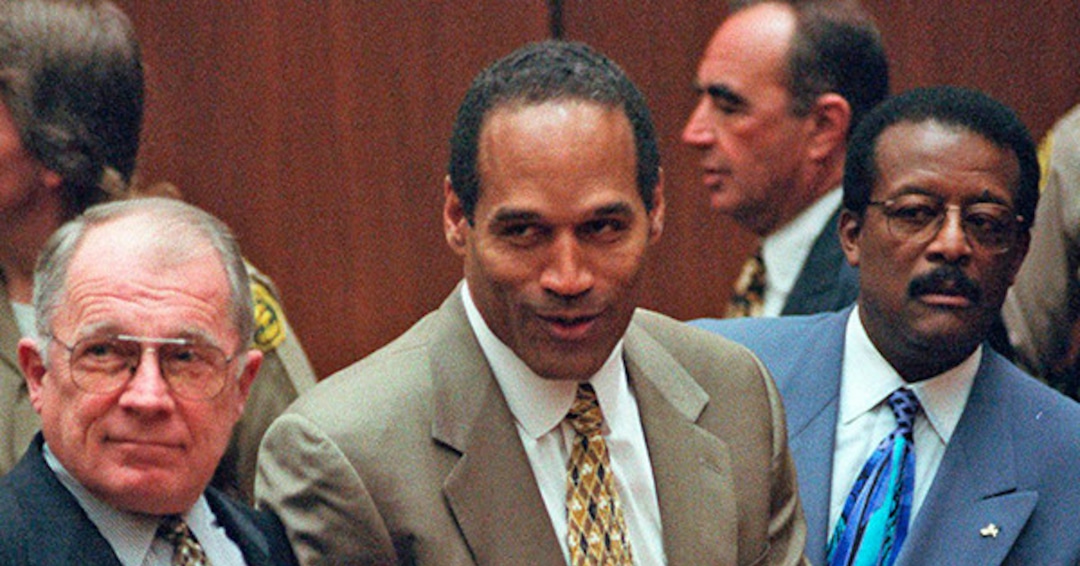
Judge Lance Ito allowed the jury to view O.J. Simpson trying on the gloves found at the crime scene and his estate.
They appeared not to fit.
The defense exploited the moment, and the image stuck.
It became a defining image of the trial.
Its significance is debated.
Whether the gloves truly did not fit or were manipulated is not established by the record.
The moment was real.
The meaning was not.
Prosecutors Marcia Clark and Christopher Darden built their case on DNA evidence.
That evidence linked Simpson to the victims, prosecutors said.
The defense attacked how it was collected and tested.
LAPD criminalist Dennis Fung testified about handling the evidence.
The defense argued contamination and mishandling.
Not because the science was wrong.
But because the chain of custody was broken, they argued.
Detective Mark Fuhrman's testimony was undermined by recordings of him using racial slurs.
The defense used those recordings to argue police misconduct.
A glove that didn't fit.
A detective who lied.
A criminalist who fumbled the evidence.
That would require evidence.
The jury watched Simpson struggle with the leather.
He pulled at the fingers.
He held the glove up for them to see.
It looked small.
It looked like it could not have been his.
The courtroom was silent.
Then the defense had its line.
Prosecutors countered that the gloves had shrunk from blood and weather.
That the latex gloves Simpson wore underneath made the fit tighter.
That the moment proved nothing about guilt.
The record does not settle the dispute.
What remains is the image.
A former football star, standing before a jury, holding a glove that did not fit.
It is a fact of the trial.
It is not a fact of the crime.
THE NIGHT OF JUNE 12, 1994
The neighbor was walking her dog on Bundy Drive.
It was around midnight when she saw the bodies.
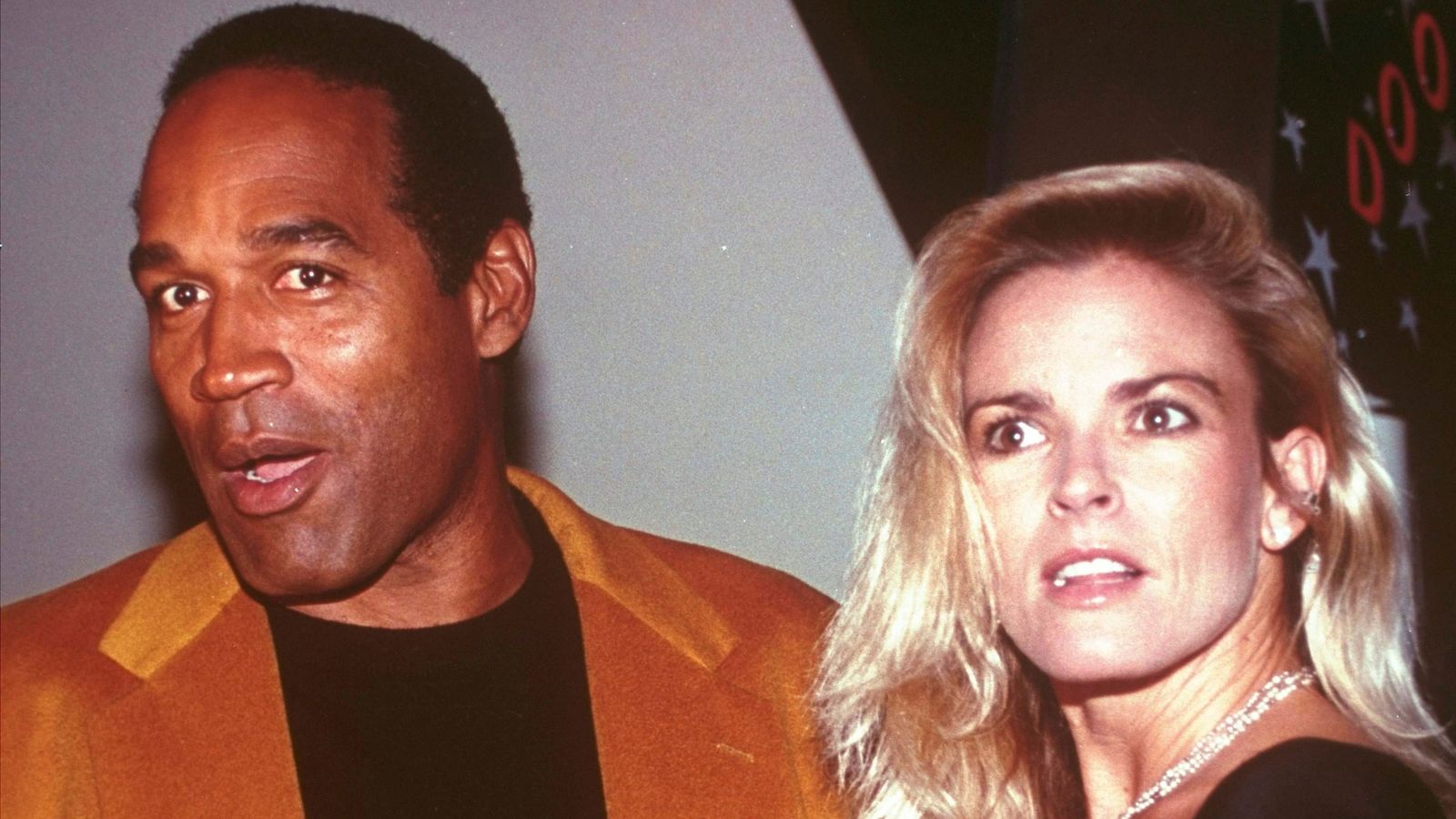
Nicole Brown Simpson and Ronald Goldman were on the ground outside her condominium, stabbed to death.
Goldman was a waiter at a nearby restaurant.
He had been returning a pair of eyeglasses Nicole's mother left behind.
Both had been killed with a knife.
The murder weapon was never recovered.
Police arrived after the neighbor's call.
They found a bloody glove at Simpson's estate on Rockingham.
They found a matching glove at the crime scene.
The lead detectives, Philip Vannatter and Tom Lange, began building the case.
O.J. Simpson was Nicole's ex-husband.
He was a former NFL running back and actor.
He was charged with two counts of first-degree murder.
The charge came days after the bodies were found.
The exact timeline of Simpson's whereabouts that night is disputed.
That is not established.
What is established is the scene on Bundy Drive.
What is established is the glove at the estate.
What is established is the charge.
The suspicion fell on a celebrity before the trial began.
It was a violent crime in a quiet neighborhood.
It was a story that would not stay local.
THE PROSECUTION AND THE DEFENSE
The prosecution’s case rested on science.
Prosecutors Marcia Clark and Christopher Darden presented DNA evidence linking Simpson to the victims.
The genetic material was precise, they argued.
It was the kind of proof that should end a case.
The defense did not fight the science on its own terms.

Attorneys including F. Lee Bailey and Alan Dershowitz argued the blood evidence was contaminated and mishandled by LAPD criminalist Dennis Fung.
The collection was sloppy, they said.
The testing was compromised.
The story they told was one of police corruption, not just a single bad day at a crime scene.
Detective Mark Fuhrman’s testimony was undermined by recordings of him using racial slurs.
The defense used those recordings to argue police misconduct.
They pointed to Simpson’s cut hand and disputed the timeline of his whereabouts that night.
Two narratives sat in the courtroom.
One: solid, dispassionate science.
The other: a pattern of bias and error.
Judge Lance Ito allowed the jury to view Simpson trying on the gloves found at his estate and the crime scene.
The gloves appeared not to fit.
The defense exploited that moment.
Whether the blood evidence was truly contaminated or the police were truly biased is not definitively established.
The record shows the arguments were made.
The record does not show which story was true.
THE VERDICT AND AFTERMATH
The trial began in January 1995.
It lasted nearly nine months.
The jury heard from the criminalist, the detectives, the medical examiner.
They heard the defense argue contamination and misconduct.
They watched Simpson try on the gloves.

After deliberating for less than four hours, the jury acquitted Simpson on October 3, 1995.
The verdict was widely watched.
It was controversial.
It was not the end of the legal record.
In 1997, a civil jury found Simpson liable for the wrongful deaths of Nicole Brown Simpson and Ronald Goldman.
That jury ordered him to pay $33.5 million in damages.
The criminal case was closed.
The civil judgment was a different finding, on a different standard.
Simpson was later convicted of armed robbery and kidnapping in 2008.
He served nine years in prison.
He was released on parole in 2017.
The acquittal did not resolve the question of who killed Nicole Brown Simpson and Ronald Goldman.
The murders remain officially unsolved in the criminal sense.
No one else was charged.
The record shows the acquittal.
The record shows the civil verdict.
The record does not show a conviction for the murders.
That would require evidence.
AND THE STORY STILL ISN'T OVER
He died of cancer on April 10, 2024, in Las Vegas.
The criminal case was closed long before that.
The civil case was not.

Fred Goldman and Kim Goldman kept pursuing the $33.5 million judgment against Simpson's assets.
They kept at it after his death.
The murder weapon—a knife—was never recovered.
That remains in the record.
Whether anyone else was involved in the murders is not established.
That would require evidence.
The glove that didn't fit remains a symbol.
It is a symbol of a trial that split the nation.
It is also a symbol of a case without final closure.
Simpson was acquitted in the criminal trial.
A civil jury found him liable for the wrongful deaths.
Both things are true.
The public debate continues.
The DNA evidence was argued over.
The contamination was argued over.
The timeline was argued over.
The glove was argued over.
None of it produced a conviction.
None of it produced a weapon.
None of it produced a second name.
The record shows a verdict.
The record shows a judgment.
The record does not show who else, if anyone, was there.
The glove sits in the archive of the argument.
The argument goes on.
Advertisement
You may also like
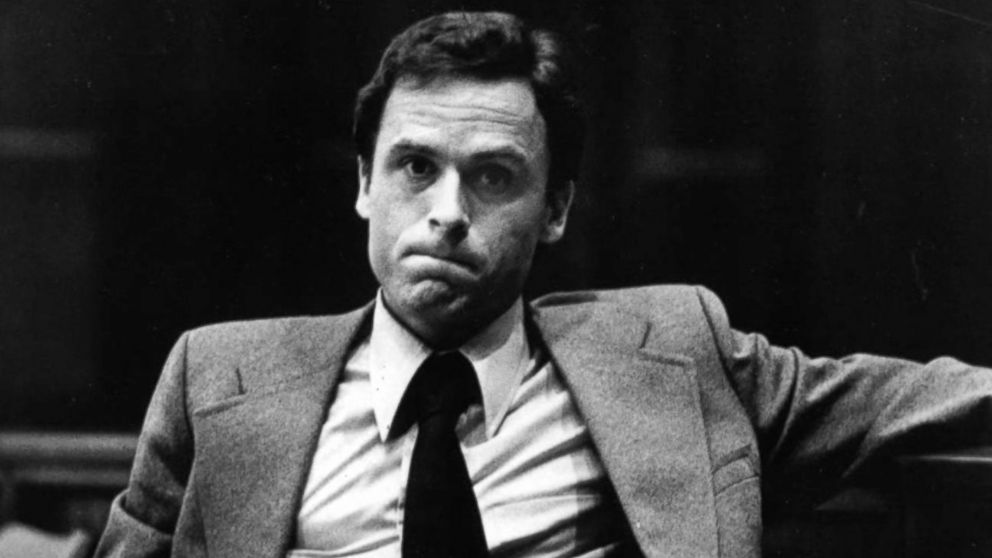
The bite mark on Lisa Levy that tied Ted Bundy to the Chi Omega murders
She was on the ground below. On the body of the second victim, investigators found something the blunt instrument had not made: a bite…
The ransom money that led detectives to a carpenter's door — but what did the jury hear?
The gold certificate was a twenty-dollar bill. In September 1934, it surfaced at a gas station in New York City. The attendant, Walter Lyle,…
Manson jury deliberated nine days — one witness told all from the driver's seat
She drove to Cielo Drive. She drove away from it. Linda Kasabian drove the car to both crime scenes on the nights of August…
The alibi that hung on a 14-foot boat and one cold morning
The 14-foot aluminum boat sat low in the water at the Berkeley Marina. It was December 24, 2002, and the morning was cold. Scott…
The $10 million note and the call that cracked the D.C. sniper case
The phone rang, and the priest answered. Father Michael Smargiassi was a priest in Montgomery County. Police had asked him to relay a message.…
The math professor in a Montana cabin who mailed bombs for 17 years — what made him do it?
The cabin sat on a half-acre of scrub and pine outside Lincoln, Montana, population roughly one thousand. Inside, a former mathematics professor lived alone,…