The hidden note inside a backyard boat that ended a citywide manhunt
The boat sat in a Watertown backyard, covered in a tarp, its hull smeared with something dark.
For hours the city had been locked down — trains stopped, stores shut, doors bolted.
Then law enforcement found the boat, and inside it, a figure.
The manhunt had narrowed to one backyard on one quiet street.
Inside that boat, according to the FBI's evidence record, was a handwritten confession.
A confession scrawled in pen, on the boat's interior, by the man hiding there.
This is a documented fact from the investigation.
It is not a theory circulating online.
The viral image of a bloodied figure inside a boat was real — but the confession is what the record holds.
The exact wording of that confession is not in the record.
The boat's owner is not in the record either.
Law enforcement made the discovery during the search; no owner is named in the source material.
What was written inside?
What did he say, in his own hand, as the city searched for him?
That would require evidence.
The evidence exists — the FBI recorded it — but its full text is not public in the source.
So the boat remains a fact, and the words remain a gap.
The tarp came off on April 19, 2013.
The city had been shut down for hours before that.
Then the discovery was made, and the manhunt ended.
What he wrote is not established.
What he did is in the record.
The boat is where the two meet.
2:49 P.M. — THE FIRST BOMB
The first explosion came at 2:49 p.m. on April 15, 2013.
It happened near the finish line of the Boston Marathon on Boylston Street.
A second bomb exploded seconds later.
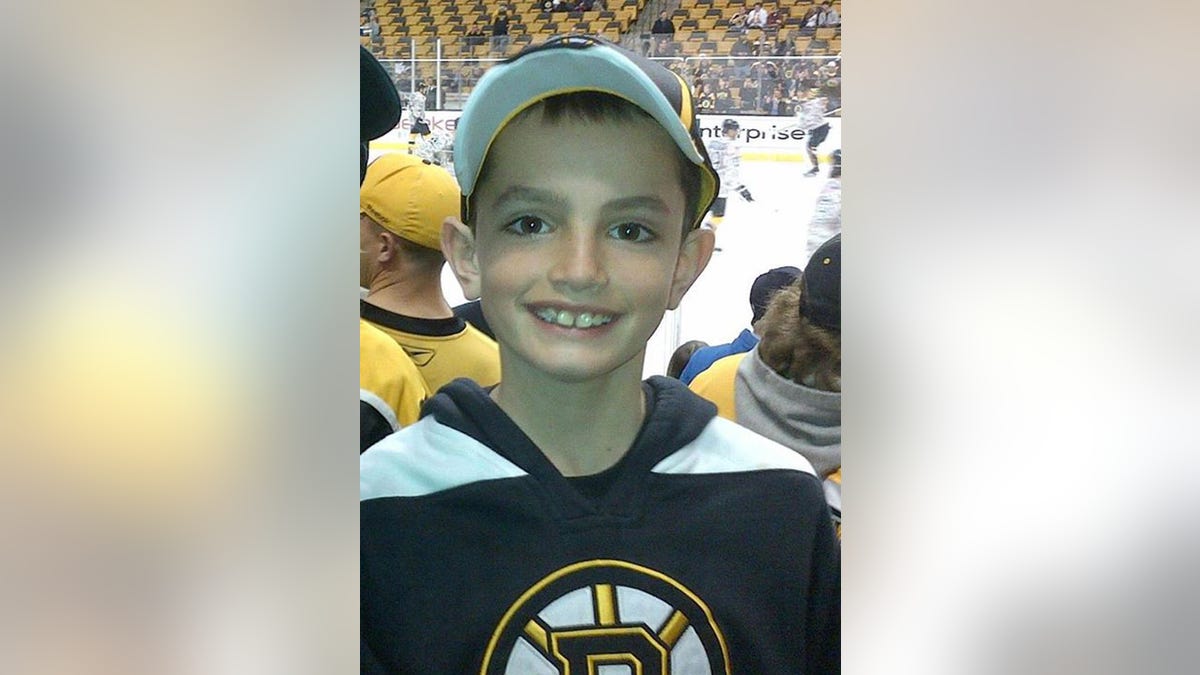
Three people were killed: Krystle Campbell, 29, of Medford; Lingzi Lu, 23, a Boston University graduate student; and Martin Richard, 8, of Dorchester.
More than 260 were injured.
The exact number beyond that is not specified in the record.
The bombs were pressure cookers packed with shrapnel, hidden in backpacks.
First responders and race officials discovered the attack in real time.
The FBI took over the investigation within hours.
Investigators documented the bombs' construction from recovered fragments.
The fragments told them what the devices were made of.
The fragments told them how they were packed.

The fragments told them where they had been placed.
The finish line was supposed to be a celebration.
It was a scene of chaos instead.
The injured were everywhere.
The dead were on the ground.
The attack triggered everything that followed: the images, the manhunt, the shootout, the boat.
It began with two backpacks left near a crowd.
That is what the record shows.
FOUR DAYS — FROM IMAGES TO A SHOOTOUT
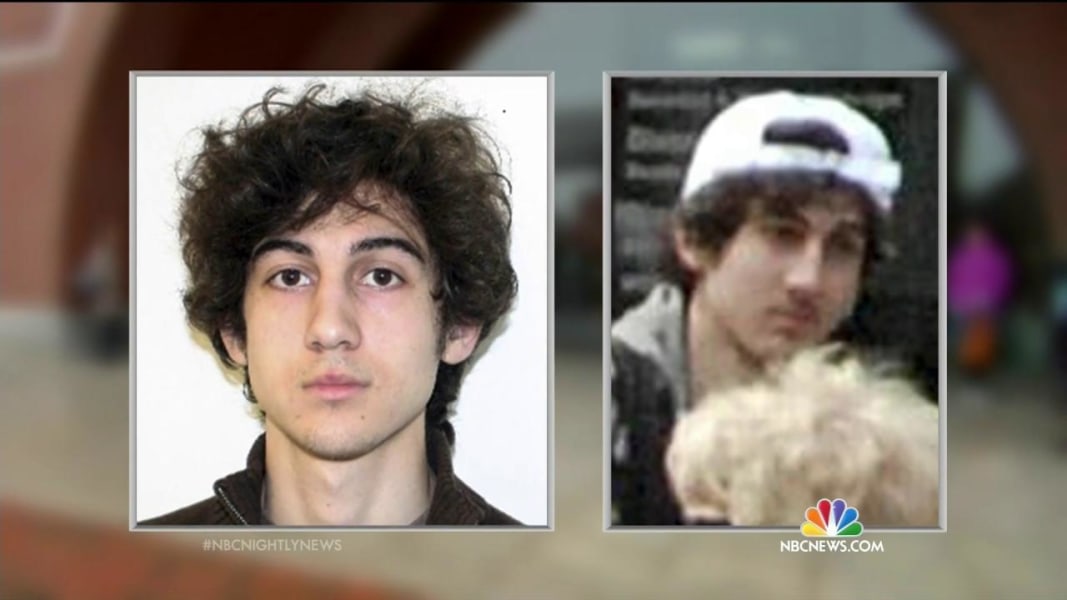
The FBI identified the brothers within days using surveillance footage from department stores and security cameras near the finish line.
On April 18, 2013, the FBI released images of two suspects.
That night, the brothers killed Sean Collier, 27, an MIT police officer, during their attempted escape.
They carjacked a man, who later escaped and alerted police.
The name of the carjacked man is not in the record.
The name of the wounded MIT officer from the same incident is not in the record either.
A shootout in Watertown followed.
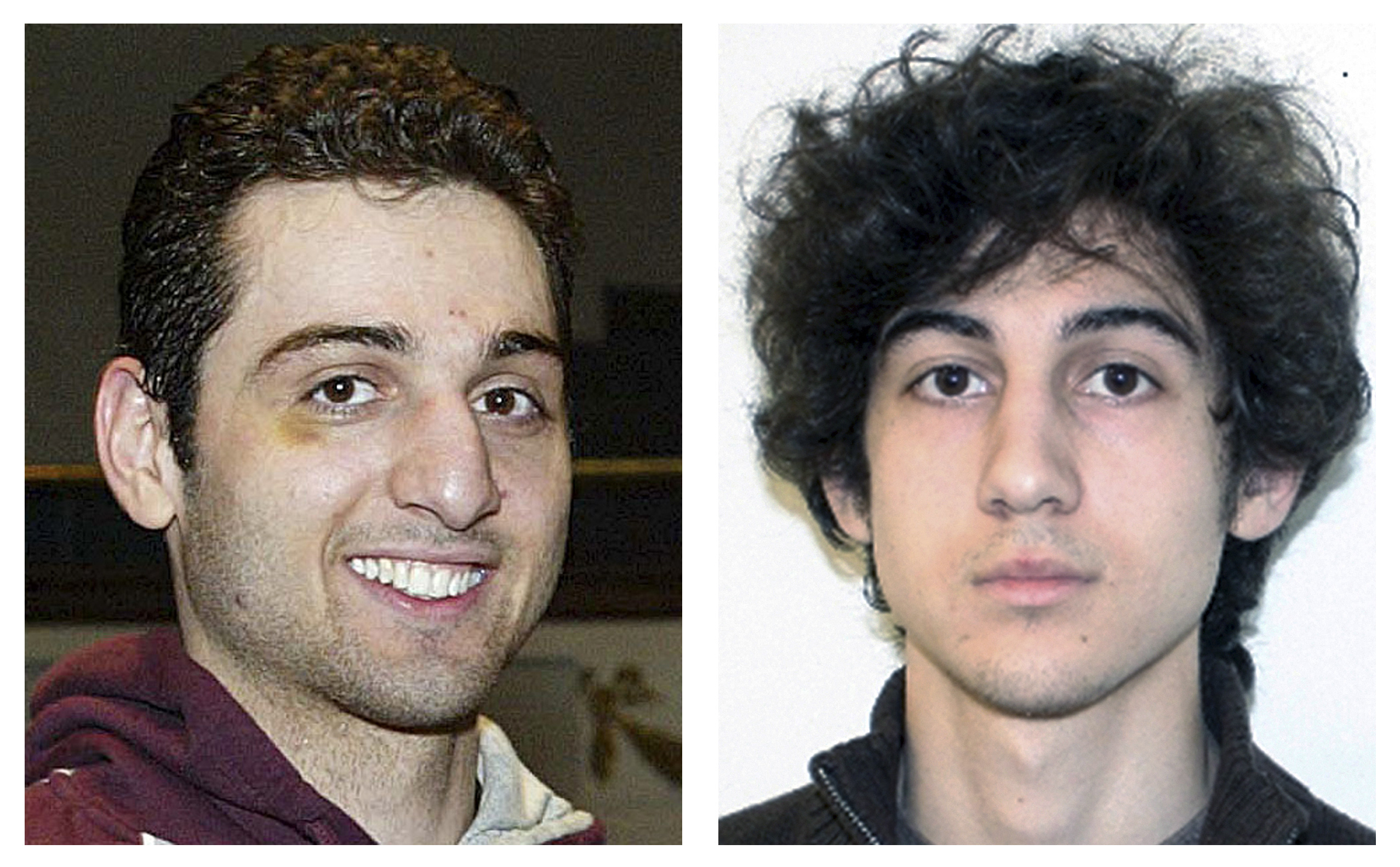
During that shootout, Tamerlan Tsarnaev, 26, was killed.
Dzhokhar Tsarnaev, then 19, escaped.

He hid in a boat parked in a backyard.
He was found there and arrested on April 19.
The window narrowed.
From images to a killing to a shootout, the manhunt accelerated.
The boat held him.
The record holds that sequence: the images, the killing, the shootout, the arrest.
What the boat also held came later.
THE CONFESSION AND THE TWO STORIES
The boat held a handwritten confession, according to the FBI's evidence record.
That confession is a documented fact from the investigation.
The exact content of the confession beyond "handwritten confession" is not in the record.
What the record does establish is a list of items: pressure-cooker bomb fragments, a cellphone found near the scene, and Dzhokhar Tsarnaev's confession scrawled inside the boat.
The trial in federal court in Boston put two stories against each other.
The defense, led by attorney Judy Clarke, argued that Dzhokhar was influenced by his older brother, Tamerlan.
Prosecutors, led by U.S. Attorney Carmen Ortiz, presented evidence that Dzhokhar acted independently.
Influence versus independence.
Which does the evidence support?
That is the question the jury had to answer, and on April 8, 2015, they answered it.
Dzhokhar Tsarnaev was found guilty of all 30 counts.
The counts included conspiracy to use a weapon of mass destruction, bombing a public place, and murder.
The verdict did not resolve the two stories.
It resolved the legal question of guilt.
The handwritten confession sat at the center of that decision.
It is a fact established by the FBI, not by online speculation.
What the confession said, word for word, remains outside the record.
The fragments, the phone, the confession — these were the physical anchors.
The two stories were the interpretations built on them.
AND THE STORY STILL ISN'T OVER
The penalty phase ended with a death sentence, imposed on June 24, 2015.
Judge O'Toole handed it down in federal court in Boston.
The defense appealed.
In 2020, a federal appeals court overturned the death sentence, citing insufficient juror screening.
Not because the conviction failed. Because the jury selection process did.
In 2022, the U.S. Supreme Court reinstated the death sentence.
The case went back up. The sentence came back down.
Dzhokhar Tsarnaev is currently on federal death row at U.S. Penitentiary, Florence, Colorado.

His appeals continue.
Was there a next hearing date? A pending motion?
That would require evidence.
The Richard family has advocated for the death sentence to be carried out.
Some survivors have opposed it.
The two stories from the boat — they never fully merged into one ending.
What the confession said, word for word, remains outside the record.
The fragments, the phone, the confession — these were the physical anchors.
The two stories were the interpretations built on them.
And the legal saga is still built on them.
A death sentence that has been overturned and reinstated.
Appeals that keep moving.
The line between the viral image and the documented record holds here, too.
A conviction stands. A sentence shifts. A family waits.
Some survivors wait differently.
The record does not say when the next motion will come.
It does not say what the next argument will be.
It says only this: the case is not closed.
Advertisement
You may also like
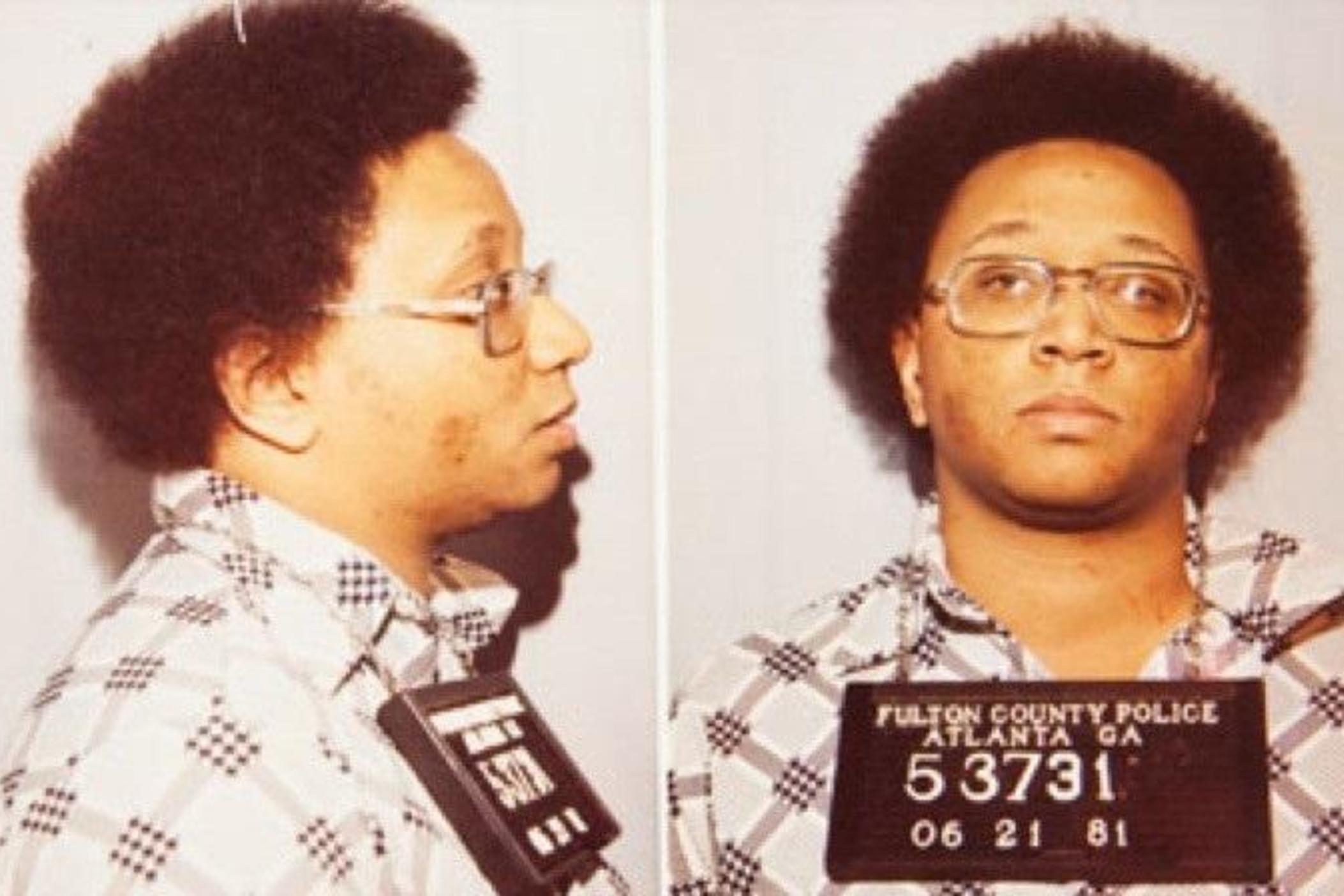
The 9-year-old boy whose mother demanded justice for Atlanta's vanished children
Camille Bell’s son was nine years old. His name was Yusuf Bell, and between 1979 and 1981, at least 28 Black children, adolescents, and…
The 31-day gap in a missing-child report that changed a family forever
On July 15, 2008, Cindy Anthony called 911 to report her two-year-old granddaughter missing. She told the dispatcher that her daughter, Casey Anthony, had…
The sister who spent decades correcting the 38-witness myth
The number 38 has been attached to Kitty Genovese's murder for decades. The supposed witnesses who saw or heard the attack and did nothing,…
Pregnant mom and two daughters vanish; husband's truck seen leaving at dawn
The truck is already moving before the street is fully light. A neighbor's security camera caught that image on August 13, 2018: Christopher Watts's…
A boat bought days before a missing wife — the timeline detectives couldn't shake
He reported her missing on December 24, 2002. Laci Peterson was eight months pregnant, and Scott Peterson told police she had vanished from their…
The rear axle that cracked the Oklahoma City bombing case open
The rear axle sat in a crater of broken glass and concrete, blocks from where the Murrah Building's north face used to be. At…