The jailhouse confession that cracked the Manson case open — but only after the bodies were found
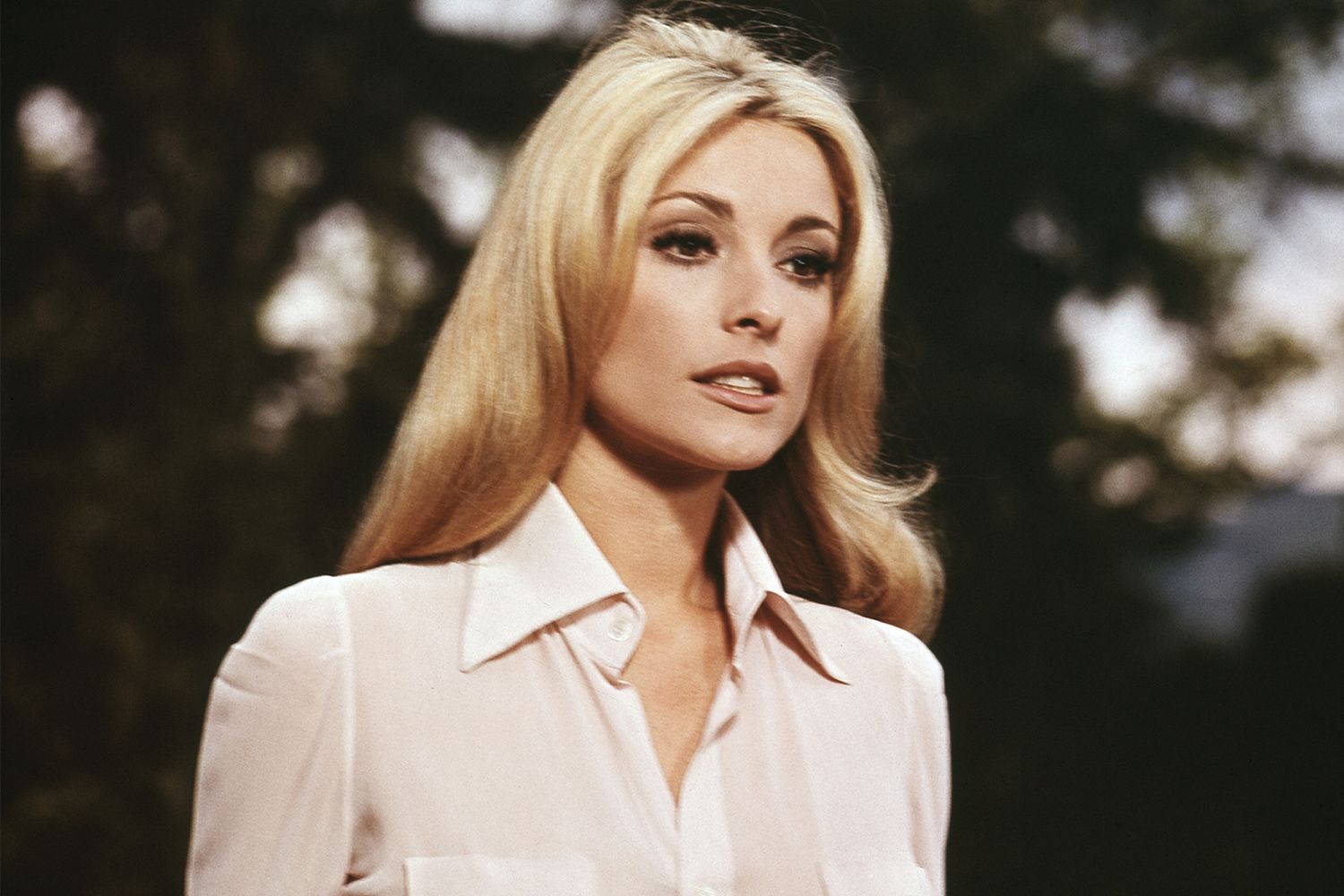
On the night of August 9, 1969, five people were murdered at 10050 Cielo Drive in Benedict Canyon, Los Angeles.
Among them was actress Sharon Tate, eight and a half months pregnant.
The following night, August 10, 1969, Leno LaBianca and his wife Rosemary LaBianca were murdered in their Los Feliz home.
Seven dead in two nights.
The Tate housekeeper found the bodies on the morning of August 9.
The LaBiancas' son found their bodies on the evening of August 10.
The killings were committed by members of a group led by Charles Manson.
He was not present at either scene.
That is the documented record.
A theory circulating online claims the confession came before the bodies were found.
The documented record places it months later.
What came first, the confession or the discovery?
The exact timing of the online theory's origin is not in the record.
Only that it circulates.
Two nights, two scenes, seven dead.
And a nagging question about what came next.
THE STRUGGLE TO CONNECT
The Los Angeles Police Department investigation, led by Lt. Earl Deemer, struggled to connect the two sets of murders.
It was August 1969, and the city had two scenes and seven dead.
The Tate house on Cielo Drive showed a rope and a gun.
The LaBianca home in Los Feliz showed a different kind of violence.

The evidence was physical, but it did not speak.
The rope was later linked to the group, according to the record.
The gun was found at the Tate scene.
Neither item pointed anywhere on its own.
The investigation was hampered by early missteps, including a focus on other suspects.
The specific nature of those missteps is not established in the record.
That would require evidence.
Lt. Deemer had no thread between the nights.
He had a car, driven by Linda Kasabian, who did not enter either house.
She was a witness to what happened, but she was not talking yet.
Tate’s husband, director Roman Polanski, was in Europe at the time.
He was not there to identify the scene or the people in it.
The police had a pregnant actress, a coffee heiress, a hairstylist, and two other victims at one house.
They had a businessman and his wife at the other.
The dates were consecutive.
The methods were familiar.
The motive was unknown.
The record shows a rope, a gun, a car, and a detective without a connection.
It shows two nights that did not yet fit together.
That would come later, in October, when a jailed woman began to talk.
THE JAILHOUSE CONFESSION
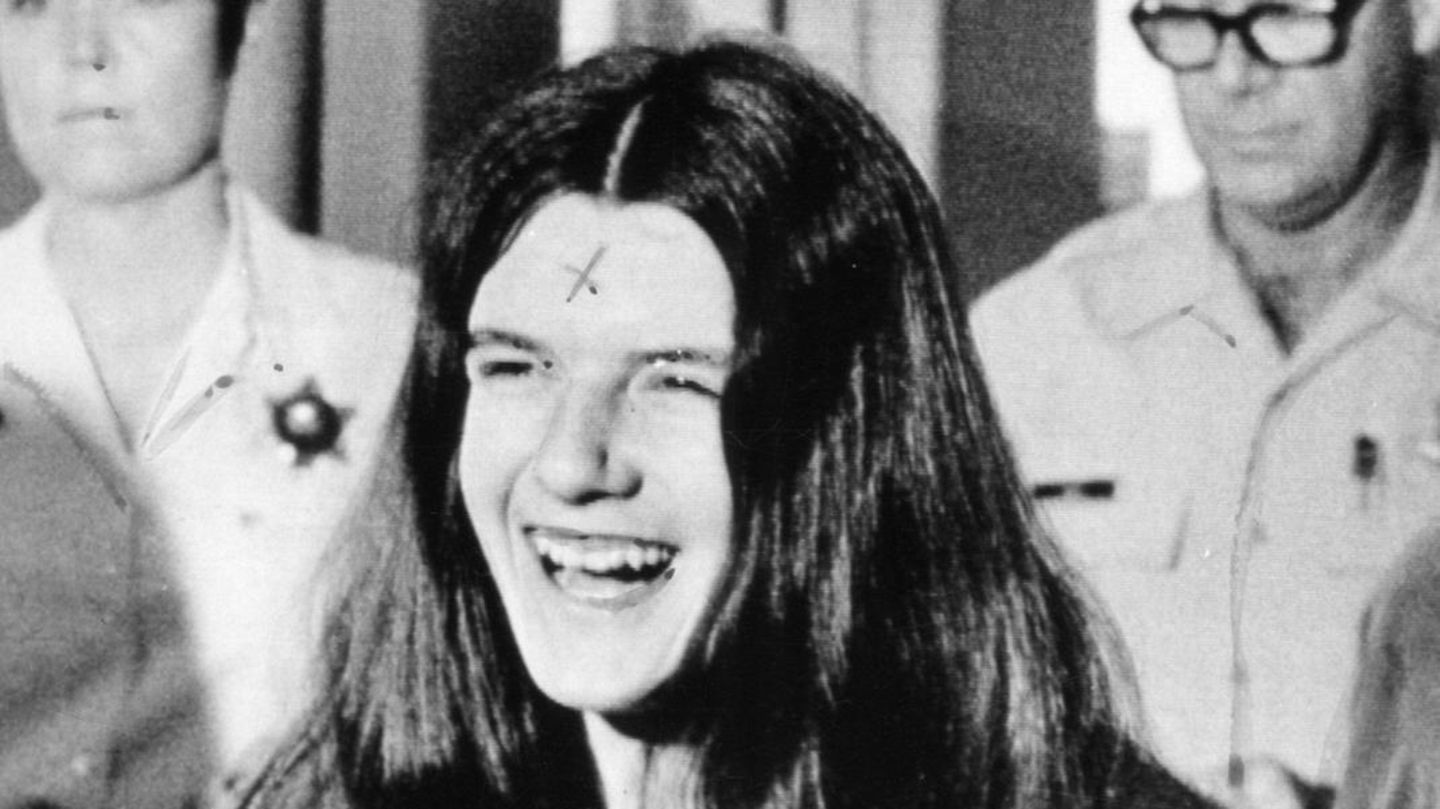
The break came in October 1969, when Susan Atkins, jailed on unrelated charges, told cellmates about the killings.
Her statements reached prosecutors.
The case was built around her testimony.
The record does not quote the exact content of what Atkins told her cellmates.
That is not established.
Linda Kasabian, granted immunity, testified for the prosecution.
She described the events in detail.
She drove the car and did not enter either house.
The prosecution argued that Manson orchestrated the murders to incite a race war.
He called it "Helter Skelter."
The theory was based largely on the Beatles' song of that name and the group's statements.
The defense contended that Manson was not present.
The defense contended that the killings were drug-related.
Two accounts of the same nights.
They could not both be true.
Which one the jury believed would decide the case.
Atkins was a perpetrator at the Tate house.
Kasabian was the getaway driver with immunity.
Both pointed to Manson as the orchestrator.
Neither account placed Manson at either scene.
The prosecution said he did not need to be there.

The defense said that absence was the point.
The jailhouse informant testimony proved decisive.
The case moved from two disconnected nights to one trial.
THE TRIAL AND THE VERDICT
The trial began in June 1970.
Manson, Atkins, Krenwinkel, and Van Houten were tried together for the Tate and LaBianca murders.
Kasabian testified for the prosecution under immunity.
The trial was marked by disruptions.
The record does not describe the specific courtroom disruptions in detail.
Manson attempted to represent himself, according to trial coverage.
The defendants’ courtroom behavior was part of the proceedings.
In January 1971, all four were convicted of first-degree murder and conspiracy.
They were sentenced to death.
In 1972, the California Supreme Court abolished the death penalty.
Their sentences were commuted to life in prison.
Watson was tried separately.
He was convicted in 1971 and sentenced to death.
His sentence was also later commuted to life.
Van Houten’s first trial ended in a hung mistrial.
She was retried and convicted in 1978.
The verdicts rested on the jailhouse testimony.

It was the testimony that moved the case from two disconnected nights to one trial.
The defense argued Manson was not present.
The prosecution argued he orchestrated the murders.
The jury found the conspiracy.
The convictions stood.
The death sentences did not.
AND THE STORY STILL ISN'T OVER
They all remained in prison for decades.
Charles Manson died of natural causes in November 2017 at age 83.
Susan Atkins died in prison in 2009.
Tex Watson remains incarcerated.
Patricia Krenwinkel remains incarcerated.
Leslie Van Houten remains incarcerated.
Her parole was repeatedly denied.
She was granted parole in 2023.
The decision was subject to review.
The outcome of that review is not in the record.
No new evidence has changed the convictions.
The case has been told in books, documentaries, and films.
The verdicts have not moved.
It is a closed record.
It is also an open question — what the parole review decided, the record does not say.
That would require evidence.
Advertisement
You may also like
The Zodiac letter that carried a piece of Paul Stine's bloody shirt
The cab driver was 29 years old. He picked up a fare in the heart of San Francisco's Presidio Heights on October 11, 1969.…
The 12:10 a.m. dog-walk discovery that turned a Brentwood street into a media siege
She was just walking her dog. It was approximately 12:10 a.m. on June 12, 1994, and the neighbor was out on Bundy Drive in…
The Green River Killer's truck painter confession that left detectives with 49 names
He painted trucks for a living, a trade that kept his hands steady and his cover plain. Gary Leon Ridgway was a truck painter…
The phone card call that cracked the DC Sniper case — and the white van that led police astray
A tip came from a phone card. A caller used it, and the call led police to a witness who had seen the Chevrolet…
The Missing Christmas Eve Walk That Split a Family
She was twenty-seven years old and eight months pregnant. Laci Peterson went for a walk with her dog on Christmas Eve, 2002, from her…
The 51 days between the ATF raid and the fire that ended the Waco siege
The warrant was for the Mount Carmel Center ranch near Waco, Texas. February 28, 1993. Agents of the Bureau of Alcohol, Tobacco, and Firearms…