The jailhouse confession that cracked the Manson Family case
The word "PIG" in blood on the front door at 10050 Cielo Drive was the only clue investigators had tied to the Tate murders.
It suggested drugs, or ritual, or something else entirely.
It did not suggest a name.
The LaBianca murders, two nights later and a few miles away, were treated as a separate case.
No one linked the scenes for weeks.
In October 1969, Susan Atkins sat in jail on an unrelated charge.
She confessed to her cellmate, Virginia Graham.
Graham reported the confession to authorities.
That report set off the investigation's breakthrough.
The confession named Manson, Watson, Krenwinkel, and Van Houten.
The exact content of Graham's report is not in the record.
The record shows only that she reported the confession.
No physical evidence existed at that moment.
No fingerprint matched. No knife was tied to the scene. No witness had placed any of them at Cielo Drive.
What existed was a conversation between two women in a cell.
Words alone.
Was that enough to trust?
A word written in blood had pointed nowhere.

A word spoken in jail pointed everywhere.
The LaBianca case sat unopened beside the Tate case, two investigations that had not yet become one.
The weight of the whole case rested on what one inmate said she heard.
That would require evidence.
TWO NIGHTS, TWO SCENES
On the night of August 9, 1969, five people were murdered at 10050 Cielo Drive in the Benedict Canyon area of Los Angeles.
The dead included actress Sharon Tate, who was eight and a half months pregnant; coffee heiress Abigail Folger; and hairstylist Jay Sebring.
Two others were also killed that night.
The specific identities of those two other victims are not in the record; only that five people were murdered.
The killers wrote "PIG" in blood on the front door.
The following night, August 10, Leno LaBianca and his wife Rosemary LaBianca were murdered in their Los Feliz home.
"DEATH TO PIGS" and "RISE" were written in blood on the walls and refrigerator.
The Tate bodies were discovered the following morning by the housekeeper and a friend.
The LaBianca murders were discovered by the victims' son and stepson.
Two scenes. Two mornings. Two sets of bodies found by people who knew them.
The LAPD failed to connect the two crime scenes for several weeks.
That failure delayed the investigation.
The initial Tate investigation found few leads.
:max_bytes(150000):strip_icc()/Susan-Atkins-030525-eaa8484463b84c80803b4a1e3bcc9cfe.jpg)
The blood writing suggested a drug-related or ritualistic crime.
It did not suggest a connection to the LaBianca house.
It did not suggest a group of people living in the desert.
It did not suggest a name.
The LaBianca case sat unopened beside the Tate case, two investigations that had not yet become one.
The weight of the whole case rested on what one inmate said she heard.
That would require evidence.
THE CONFESSION TAKES SHAPE
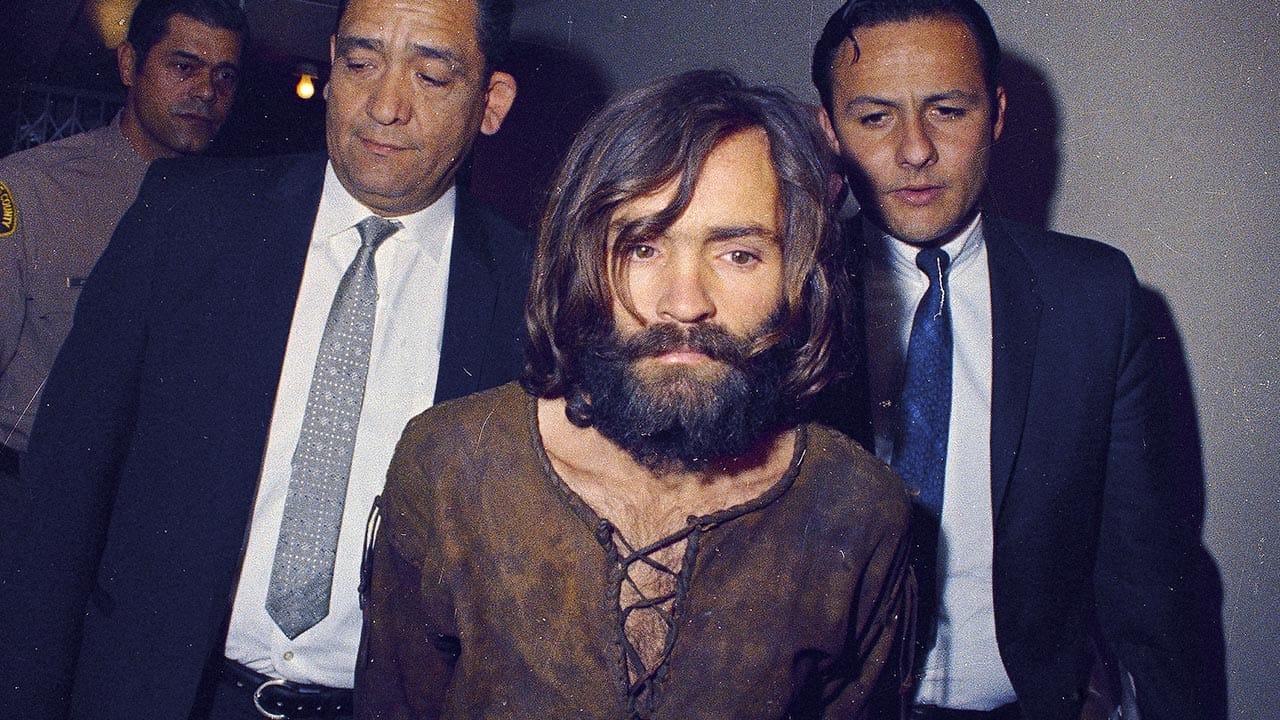
After Graham reported the confession, Atkins gave a detailed statement to prosecutors.
The exact date of that statement is not in the record.
Neither is its full content.
What is in the record is the list of names Atkins gave: Manson, Watson, Krenwinkel, and Van Houten.
Kasabian, who had been present during the Tate murders as a lookout, was granted immunity.
She became the prosecution's key witness.
The confession was a story.
Then the evidence arrived.
Fingerprints from the LaBianca scene matched Krenwinkel.
A knife found by a child was linked to the Family.
A .22-caliber pistol was linked to the Tate murders.
The specific weapons were never conclusively identified.
The case hardened from a single inmate's reported words into something physical.
Fingerprints do not confess.
A knife does not name a leader.
The pistol could not say who pulled the trigger.
That would require testimony.
Two investigations that had not yet become one were now joined by the same names.
The confession named them.
The prints held them.
The knife and the gun pointed at them.
What the record holds is the corroboration.
What the record does not hold is the exact moment Atkins sat down with prosecutors.
It is a gap in the timeline.
It is not a gap in the case.
THE TRIAL AND THE TWO STORIES
The trial began in June 1970.
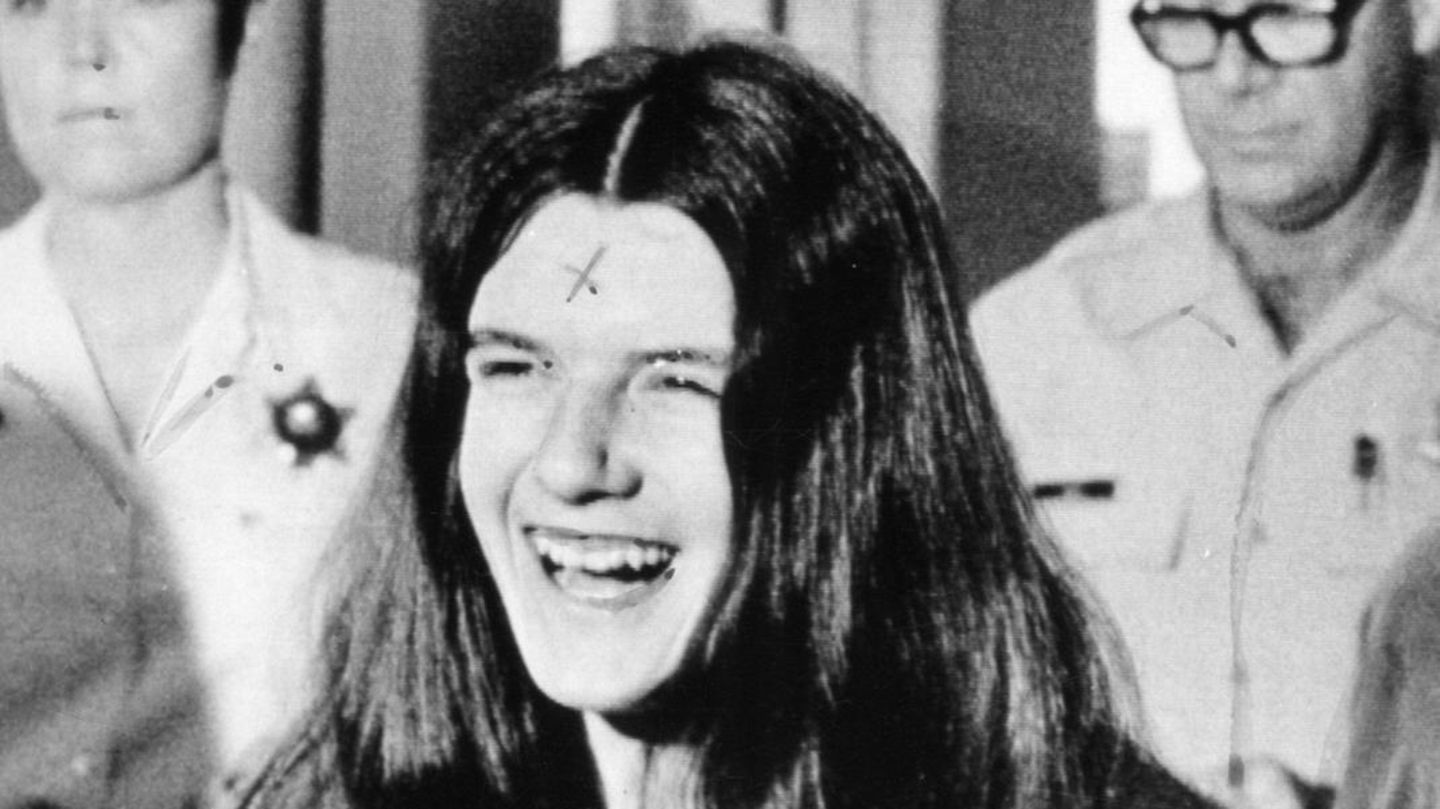
Manson, Atkins, Krenwinkel, and Van Houten were charged with first-degree murder and conspiracy.
:max_bytes(150000):strip_icc()/Leslie-Van-Houten-030525-fd2591b965064cc0b888c70d473a57c6.jpg)
Kasabian testified for the prosecution, describing the nights of the murders.
She was the lookout at Cielo Drive, granted immunity for her testimony.
She placed Watson, Atkins, and Krenwinkel inside the Tate house.
She placed Manson outside, directing.
The defense argued that Manson had not ordered the killings.
The defense argued that the defendants were under his influence.
Two stories, same facts: ordered conspiracy versus influence.
Which one the jury believed would decide the case.
The physical evidence did not settle it by itself.
The record holds fingerprints from the LaBianca scene matching Krenwinkel.
The record holds a knife found by a child, linked to the Family.
Whether Manson directly ordered the killings is not established by the record.
The defense disputed it.
The prosecution's case rested on the reported words of a cellmate and the testimony of an immunized witness.
In January 1971, all four were convicted on all counts.
The jury sentenced each to death.
Watson was tried separately in 1971, convicted, and also sentenced to death.
The California Supreme Court abolished the death penalty in 1972.

Their sentences were commuted to life in prison.
The verdicts answered the charge.
They did not answer the question of what was in Manson's mind.
That question remains open in the record.
AND THE STORY STILL ISN'T OVER
Charles Manson died of natural causes at Corcoran State Prison on November 19, 2017.
Susan Atkins died in prison in 2009.
Leslie Van Houten was released on parole in July 2023 after 53 years.
Patricia Krenwinkel remains at the California Institution for Women.
Tex Watson remains at Mule Creek State Prison.
Linda Kasabian, granted immunity for her testimony, died in 2020.
The house at Cielo Drive was demolished in 1994.
Some are gone. Some are still inside. The house itself is erased.
What remains is the record: the fingerprints, the recovered knife, the reported words of a cellmate.
What remains is the question the verdicts did not settle.
What remains is the long tail of a case that keeps running past its players.
No pending legal steps are in the record.
The next concrete step is not documented.
That would require evidence.
Advertisement
You may also like
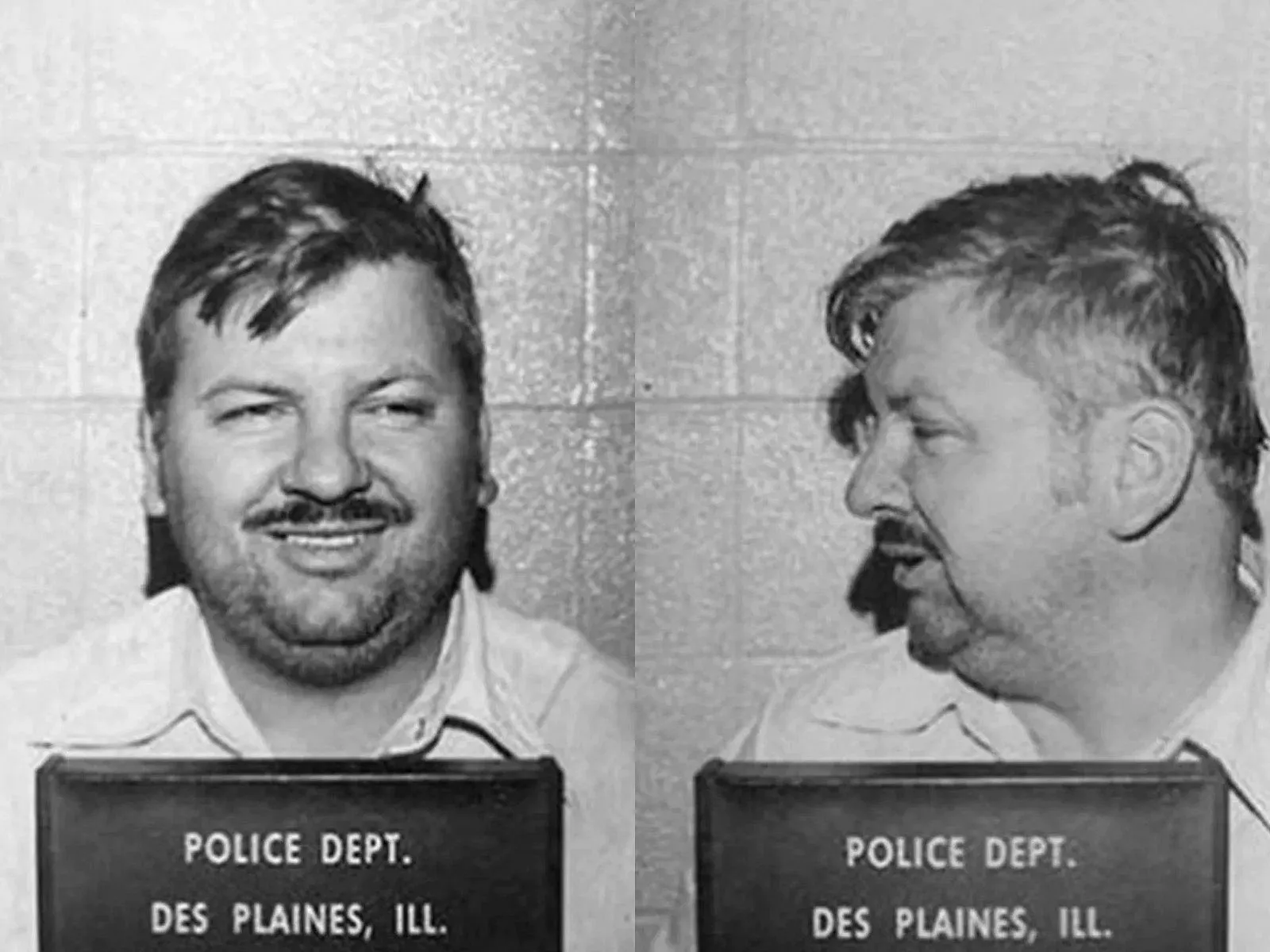
The pharmacy receipt that cracked a contractor's crawl-space secret
A paper receipt from the pharmacy where Robert Piest worked was found inside John Wayne Gacy's home. It is a mundane object. A slip…
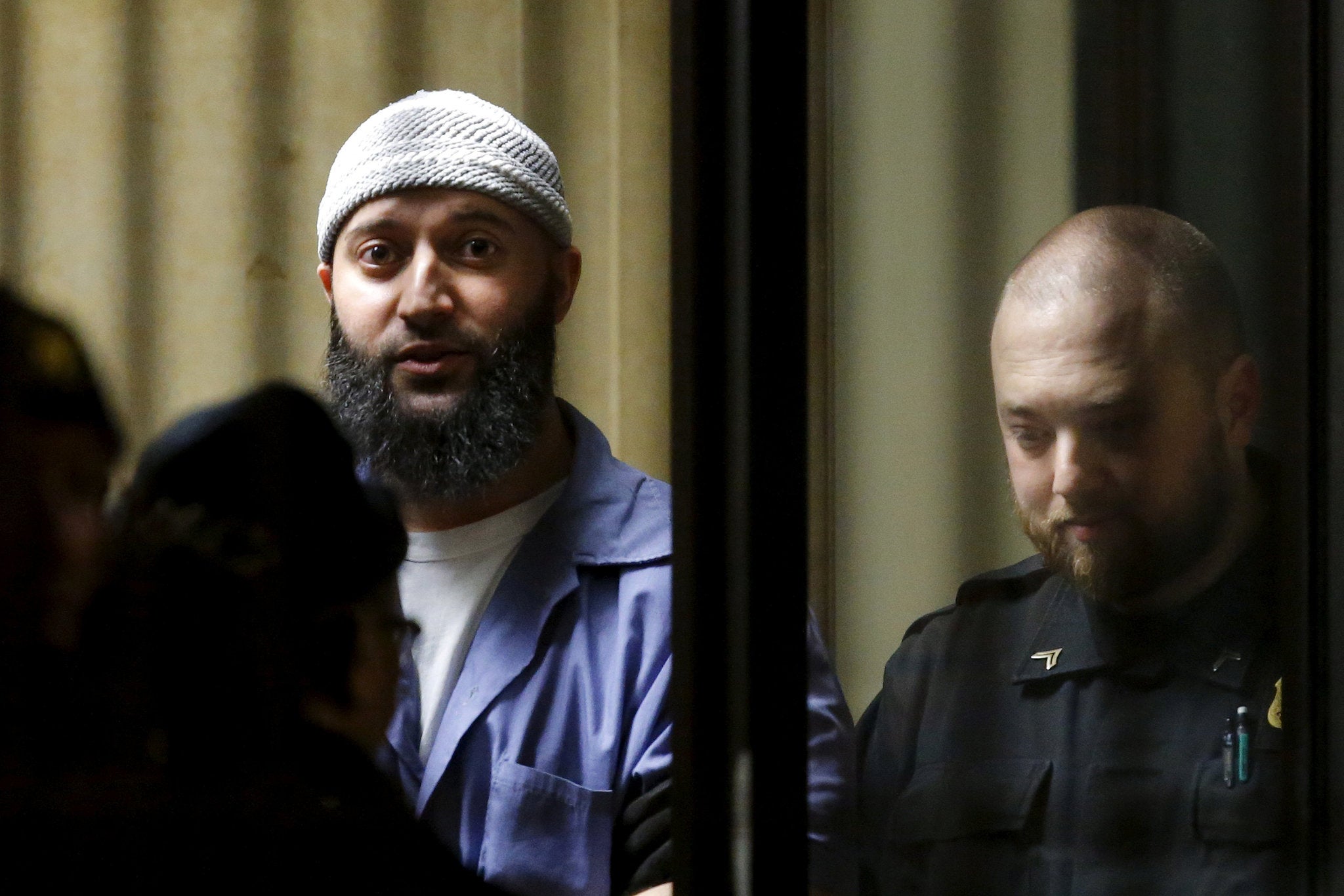
The 3:32 p.m. cell call that placed a suspect near a body not yet found
At 3:32 p.m. on January 13, 1999, a call was made from Adnan Syed's cell phone to a friend named Nisha. The call was…
The notebook found beside a revolver in a Florida swamp
The notebook was found in a flooded area of the Carlton Reserve in Florida on October 20, 2021. Beside it lay a revolver. Beside…
Buried in a Sacramento backyard: the Social Security checks that told on Dorothea Puente
The last check arrived in November 1988. A social worker phoned the Sacramento police about a missing client, an elderly tenant of the boarding…
The bloody glove found on O.J. Simpson's estate that didn't fit — and the DNA that swayed the trial
A right-hand glove, bloodstained, lay on the ground at O.J. Simpson's Rockingham Avenue estate. Detectives found it during their walk-through of the property. It…
The Avia shoe print that tied a serial killer to his final crime scene
The sole of an Avia athletic shoe left a pattern in the dark. That pattern turned up at more than one crime scene linked…