The kennel video that caught Alex Murdaugh's voice — and shattered his alibi
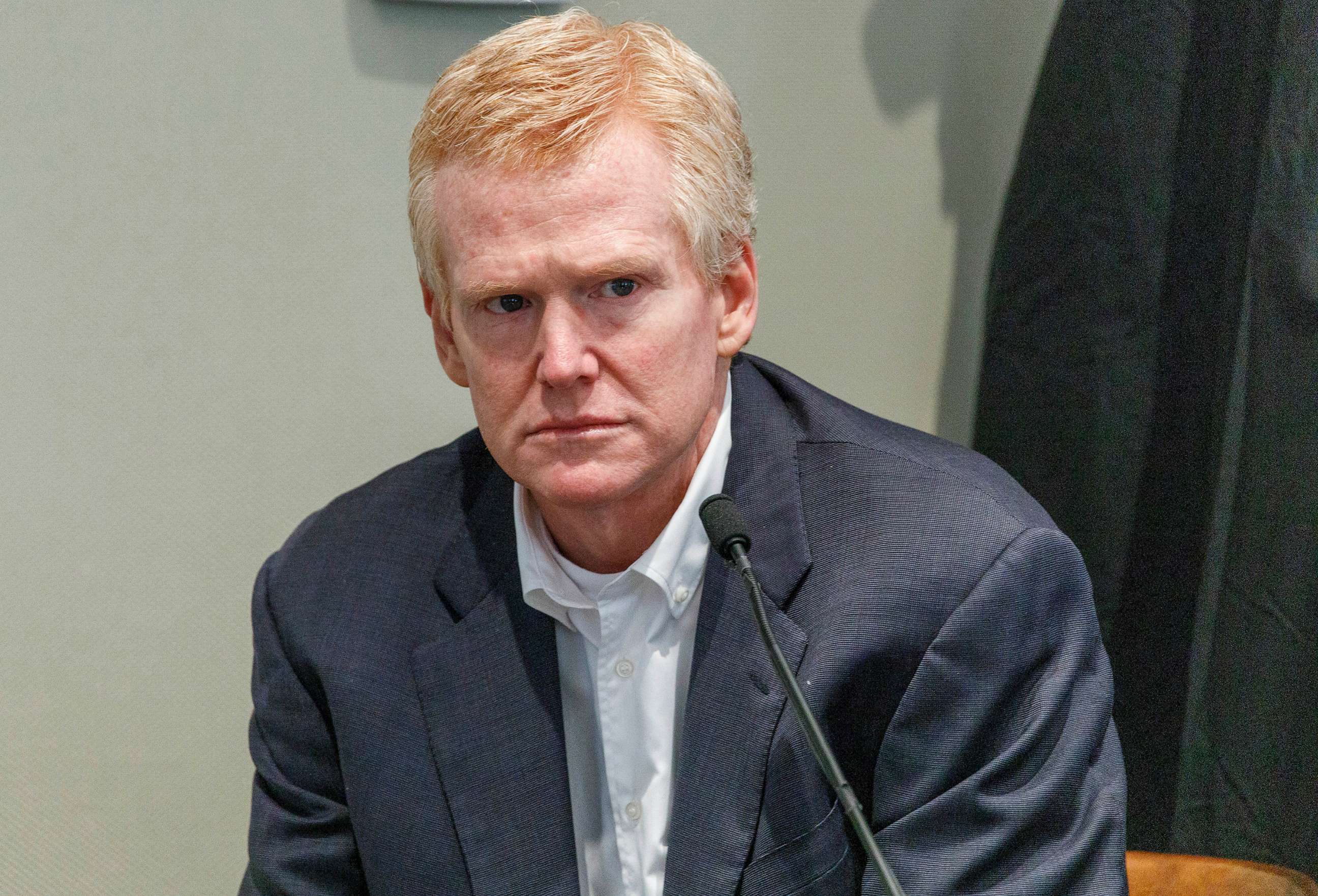
On June 7, 2021, Paul Murdaugh, 22, and his mother Maggie Murdaugh, 52, were found shot to death at the family’s hunting estate, Moselle, near Islandton, South Carolina.
A rifle and a shotgun were found at the scene.
The bodies were discovered by Paul’s father, Alex Murdaugh, who called 911 claiming he had found them after returning from visiting his mother.
That call was the start of a story.
Alex Murdaugh was the son, grandson and great-grandson of South Carolina solicitors — a legal dynasty in the Lowcountry.
Paul had been involved in a 2019 boating death case that remained unresolved.
Then investigators found the video.
It was on Paul’s phone, recorded at the kennels around the time of the murders.
The video captured Alex Murdaugh’s voice.
Not a glimpse of him. Not a shadow. His voice.
That single piece of audio contradicted his claim that he was at his mother’s house.
The exact time of the murders is not established in the record.
What the record does show is a father’s voice at a place he said he wasn’t.
How did it get there?
That would require evidence.
The video was one piece. The prosecution would build a case around it.
But at that moment, in that kennel, the careful story began to crack.
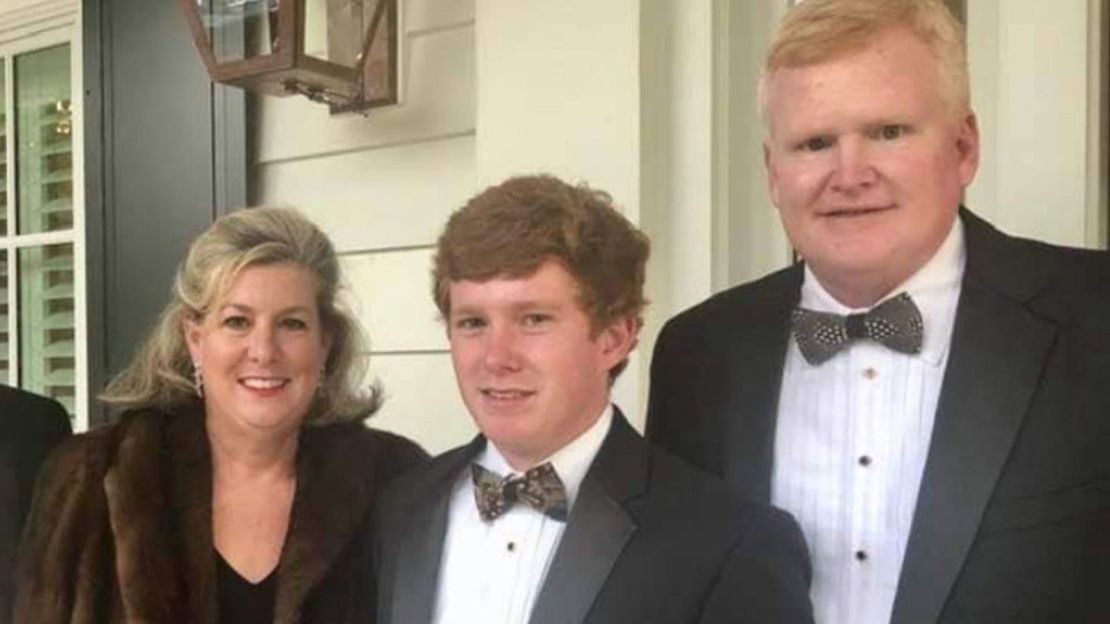
THE LEGACY AND THE ALIBI
Richard Alexander Murdaugh was a former prominent personal injury attorney.
He was the son, grandson and great-grandson of South Carolina solicitors.
The name carried weight in the Lowcountry. The reputation preceded him.
Early on, Alex claimed he had been at his mother's house and returned to find the bodies.
That was the alibi. That was the story.
The specific details of that visit are not in the record beyond his own claim.
SLED led the investigation. The lead detective is not named in the record.
The case moved slowly at first. The family name seemed to shield it.
Then the prosecution was led by Creighton Waters of the South Carolina Attorney General's Office.
Alex was represented by defense attorneys Dick Harpootlian and Jim Griffin.
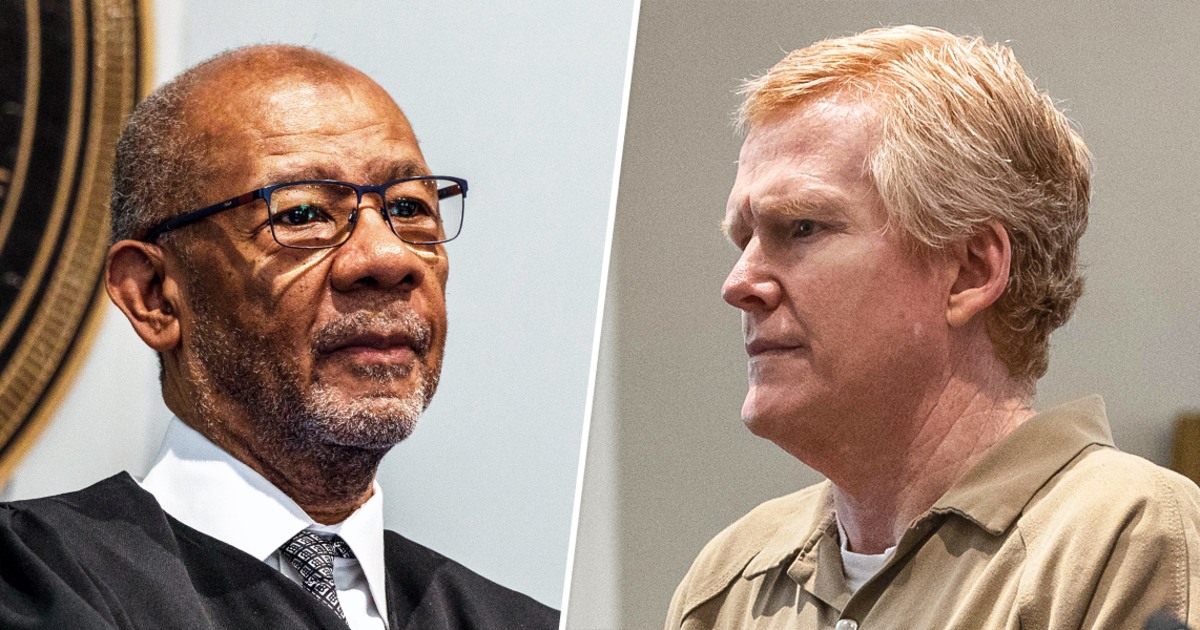
The trial judge was Clifton Newman.
The contrast was stark. A legal dynasty on one side. A fragile alibi on the other.
The alibi began to crack. Not because of a confession. Because of a video.
That would come later.
For now, the claim stood alone. A visit to his mother. A return to find the bodies.
No witnesses corroborated it. No record confirmed it.

Just a man's word. And a family's history.
THE KENNEL VIDEO AND THE TURNING POINT
Then came the video.
Investigators found it on Paul's phone, recorded at the kennels.
It captured Alex's voice.
That voice contradicted his alibi.
Not because the video showed a crime. Because it showed him there.
The exact time the video was recorded relative to the murders is not specified in the record.
The prosecution argued the timeline differently.
Alex killed his wife and son, the state said, to distract from financial crimes about to be exposed.
The defense contended he was not at the scene when the killings occurred.
Three months after the murders, the case shifted again.
In September 2021, Alex was shot in the head on a roadside.
He initially claimed it was a random attack.
He later admitted he had arranged the shooting.
Curtis Edward Smith, a former client and acquaintance, was the man he said helped him.
The shooting was widely seen as an attempt to create sympathy.

It was also seen as a way to deflect attention.
A staged wound. A fabricated story.
The record does not establish the video's exact timestamp relative to the murders.
It establishes the voice.
It establishes the contradiction.
The alibi had been a visit to his mother.
The video placed him at the kennels.
That would require evidence to resolve.
The evidence pointed one way.
THE TRIAL AND THE VERDICT
The trial opened in January 2023 in Colleton County, South Carolina.
Judge Clifton Newman presided.
The prosecution, led by Creighton Waters, built its case on circumstantial evidence.
There was the cellphone video from the kennels.
There was gunshot residue found on Alex Murdaugh's clothing.
There was Curtis Edward Smith, a former client, who testified about helping dispose of evidence.
The defense, led by Dick Harpootlian and Jim Griffin, answered with a simple claim.
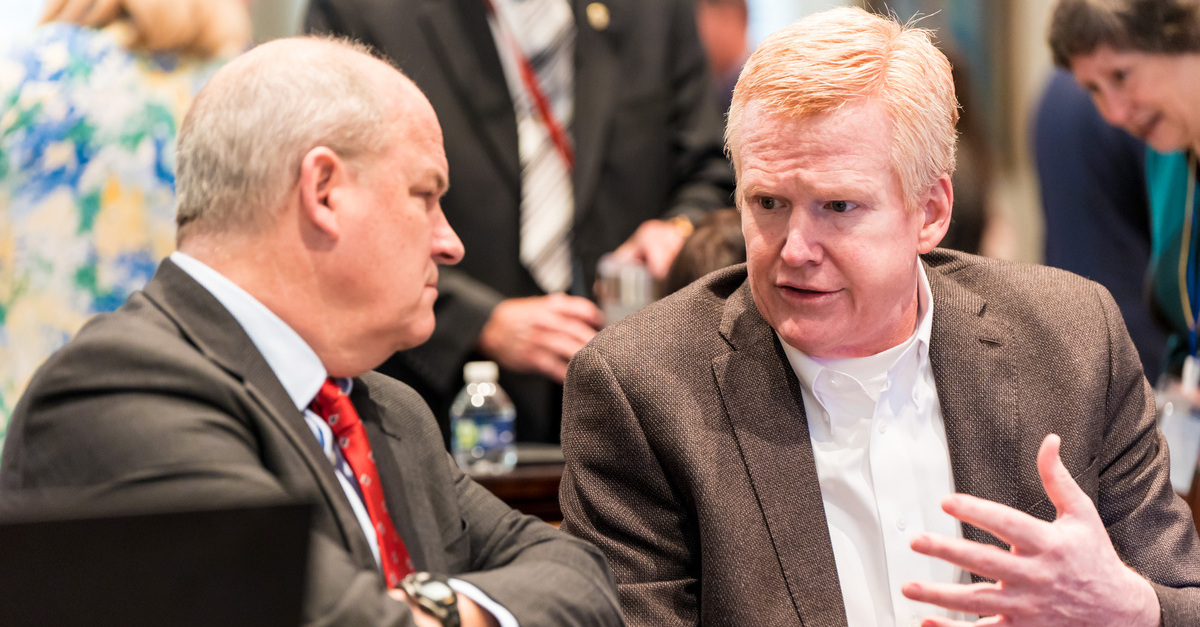
The state had no direct evidence, they argued.
Alex Murdaugh was a devoted family man, they said.
He had loved his wife and his son.
The specific models of the rifle and shotgun found at the scene are not consistently identified in the record.
That detail remains unestablished.
On March 2, 2023, the jury returned.
They found Alex Murdaugh guilty of two counts of murder.
They found him guilty of two counts of possession of a weapon during the commission of a violent crime.
The verdict was read.
The sentence came next: two consecutive life terms without parole.
The judge spoke.
The family legacy was gone.
A dynasty that had produced solicitors for generations ended in a courtroom in Colleton County.
The evidence pointed one way.
The jury followed.
AND THE STORY STILL ISN'T OVER
A dynasty that had produced solicitors for generations ended in a courtroom in Colleton County.
The evidence pointed one way.
The jury followed.
The sentence was two consecutive life terms without parole.
In a separate proceeding, Alex pleaded guilty to numerous financial crimes.
He was sentenced to additional prison time for those offenses.
His defense filed appeals, arguing prosecutorial misconduct.
The convictions were upheld.
Alex Murdaugh is serving life without parole at a South Carolina prison.
His appeals have been denied.
Curtis Edward Smith, the former client who testified about helping dispose of evidence, was convicted in connection with the roadside shooting.
He received a prison sentence.
Restitution efforts have been ongoing for the families of victims, including Gloria Satterfield's sons.
The exact amounts paid or outstanding are not specified in the record.
Buster Murdaugh, the surviving son, has remained out of the public eye.
He has maintained his father's innocence.
The name that once opened doors in the Lowcountry now closes them.
The case has spawned documentaries, books and podcasts.
The financial crimes cases produced additional sentences.
The restitution efforts continue.
The appeals have run out.
The family name is forever changed.
Advertisement
You may also like
The severed head in the canal, the confessed killer who was never charged, and the file police closed twice
The drainage canal ran along the Florida Turnpike near Vero Beach, 120 miles from where the boy had vanished. The head was found on…
The trucker's anonymous letters that named his own victims
The letters arrived unsigned, except for a circle with two dots and a curve. A smiley face. They were sent to the Oregonian and…

The Green River Killer’s confession count is 71. Why are only 48 convictions official?
Gary Leon Ridgway was a truck painter from Auburn, Washington. In November 2001, DNA evidence linked him to several victims, and he was arrested.…
The doctor with a scalpel and a secret that haunted Eliot Ness
The first body was found on September 5, 1934, in Kingsbury Run, a ravine that cut through Cleveland. He was a man, and no…
The slow-motion Bronco chase that began after O.J. Simpson was charged with murder
The Bronco drifted down the freeway at 35 miles an hour, a white speck trailed by a line of police cars. Al Cowlings was…
The Zodiac cipher that took 51 years to crack — and still gave no name
In December 2020, a team of private codebreakers solved the Zodiac's "340 cipher" — a cryptogram mailed to the *San Francisco Chronicle* in 1969.…