The Miami Herald series that made a lenient plea deal a national scandal
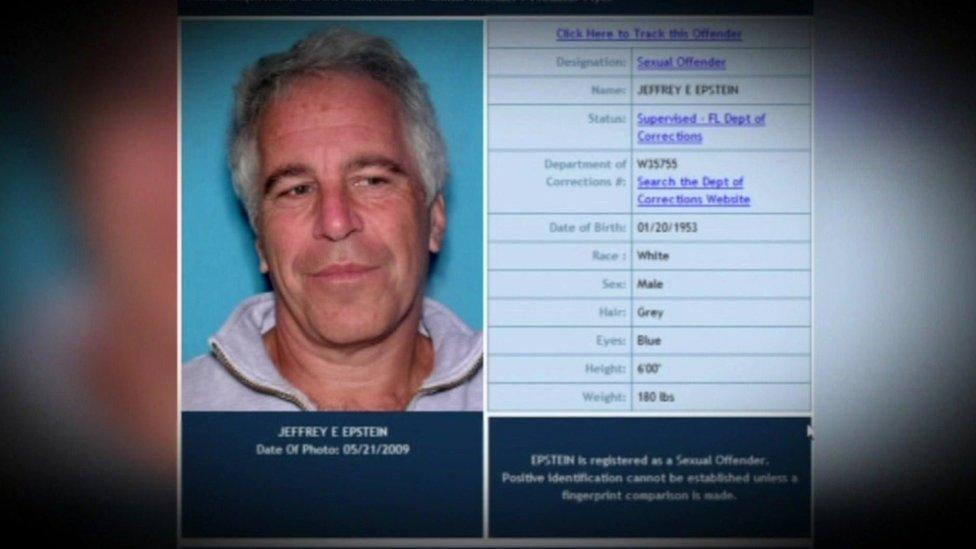
In 2008, Jeffrey Epstein pleaded guilty to two state charges: soliciting a minor for prostitution and procuring a person under 18 for prostitution.
That is the case record.
He served 13 months in the Palm Beach County jail.
Thirteen months, with extensive work release privileges.
Federal prosecutors had built a case that could have resulted in life in prison.
That is what the investigation summary says.
In 2007, U.S. Attorney Alexander Acosta approved a non-prosecution agreement for federal charges.
The exact terms of that agreement are not fully detailed in the record.
Critics later said the deal was unusually lenient.
Critics also said the victims were not consulted.
Not because the record shows they were ignored.
But because the record does not show they were asked.
A federal case that could mean life in prison.
A state plea that ended in 13 months.
Work release meant he could leave the jail.
He could leave the jail on a schedule.
He registered as a sex offender.
That much is documented.
What was negotiated in 2007?
That would require evidence the record does not provide.
What did the victims know?
That would require evidence the record does not provide.
What did Acosta tell them?
That would require evidence the record does not provide.
The deal stood.
The case went quiet.
For a decade, that was the ending.
THE 2005 INVESTIGATION
In 2005, a mother walked into a Palm Beach police station and reported that her 14-year-old daughter had been molested at Epstein's mansion.
Police found multiple underage victims.
The FBI joined the investigation.
Federal investigators had identified dozens of underage girls who said Epstein paid them for massages that escalated into sexual acts at his Palm Beach mansion, according to the case record.
Dozens.
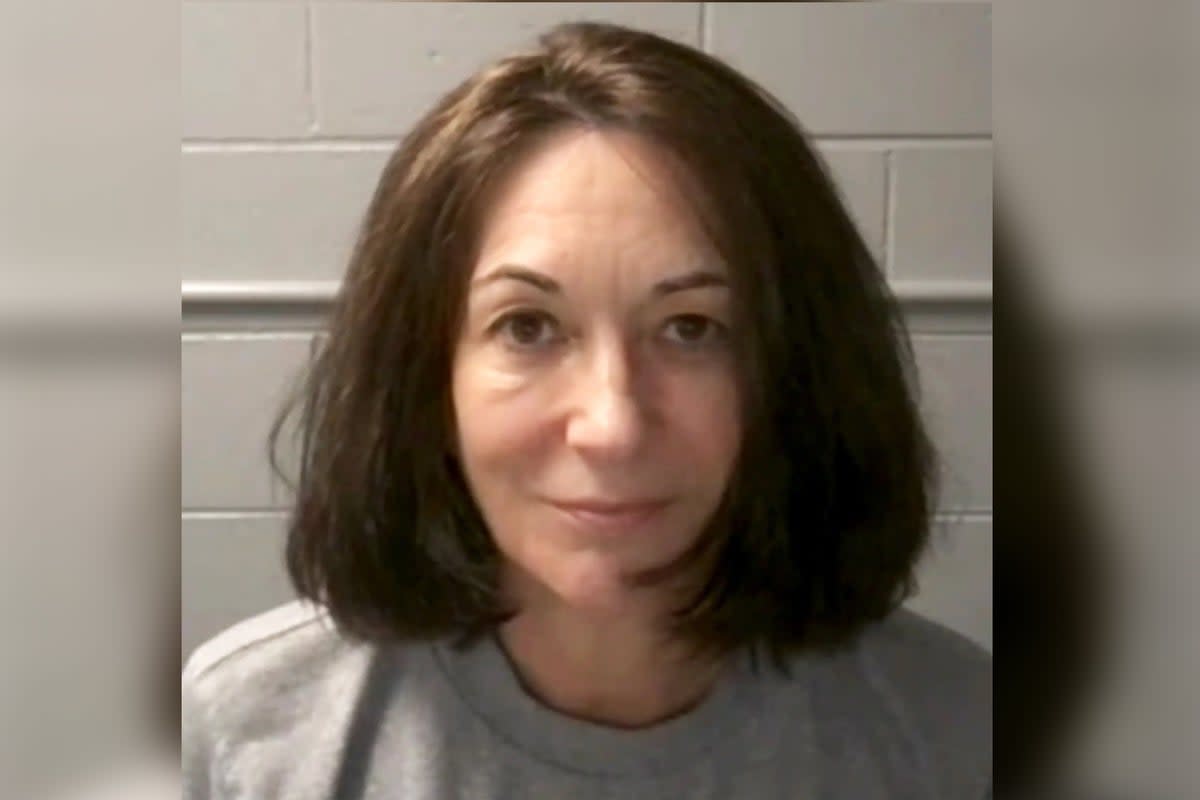
That is the scale the record documents, though the specific number of victims is not stated in the record.
Epstein was first arrested in 2007 in Florida on state charges of soliciting a minor for prostitution.
A federal case was being built that could have resulted in life in prison.
The investigation summary does not say how many girls were interviewed, or how many statements were taken.
It says what it says: multiple victims, dozens of underage girls, one arrest.
The mother's report did not stay small.
It grew into a federal investigation, then into a plea deal, then into silence.
For a decade, that was the ending.
NOVEMBER 2018 — THE MIAMI HERALD
In November 2018, the *Miami Herald* published a series by journalist Julie K. Brown.
The series detailed the lenient plea deal.
It identified alleged victims by name and by account.
The case re-erupted.
For a decade, the 2008 plea deal had sat in the record, quiet and nearly complete.
The series did not invent the deal.
It did not invent the victims.
It printed what prosecutors had built and what a judge had accepted, and it printed the names of the women the deal had left out of the room.
What followed was not a legal finding.
It was a reaction.
Readers saw the 13 months.
They saw the work release.
They saw a federal case that could have meant life, reduced to a state plea.
The public outrage was real, but it was not a verdict.
No court had ruled that the deal was illegal.
No court had ruled that the victims were wronged.
The record says the series made the case a national scandal.
The record does not say that the scandal changed the law.
That would require evidence.
Brown's reporting was pivotal, according to those involved in reviving the case.
She did not testify.
She did not prosecute.
She wrote.
The story spread from the newspaper to the news cycle, then to protests and editorials.

The quiet ending of 2008 was gone.
In its place was a demand for answers.
The answers would not come from the series alone.
They would come later, from an arrest, from a courtroom, from a jail cell.
But in November 2018, the story was no longer quiet.
It was public.
It was documented.
It was also, still, unresolved.
2019 — ARREST AND DEATH
In July 2019, Epstein was arrested on federal charges of sex trafficking of minors and conspiracy, in New York.
He pleaded not guilty.
The case that the *Miami Herald* had documented was now a federal prosecution.
Then, on August 10, 2019, he died by suicide in his Manhattan jail cell.
He died before trial.
The FBI investigated the circumstances of his suicide, according to the case record.
The Bureau of Prisons was criticized for failures in his detention, according to the investigation and evidence.
What exactly happened in that cell?
What was seen?
What was missed?
The record does not establish the full circumstances of the suicide.
The FBI investigated, but the findings are not detailed.
So the case ended without a verdict.
It ended without a trial.
It ended with a death that left the charges unanswered.
The public reaction was immediate.
It was anger.
It was suspicion.
It was a demand for answers that the record does not fully provide.
Not because the questions are unreasonable.
But because the documented facts end at the cell door.
The viral theories filled the gap.
The record did not.
AND THE STORY STILL ISN'T OVER
Epstein is dead.
His estate faced numerous civil lawsuits from alleged victims.
The outcome of those lawsuits is not stated in the record.
Ghislaine Maxwell was later tried and convicted in 2021 on charges including sex trafficking of a minor and conspiracy.
Maxwell is serving a 20-year federal sentence.
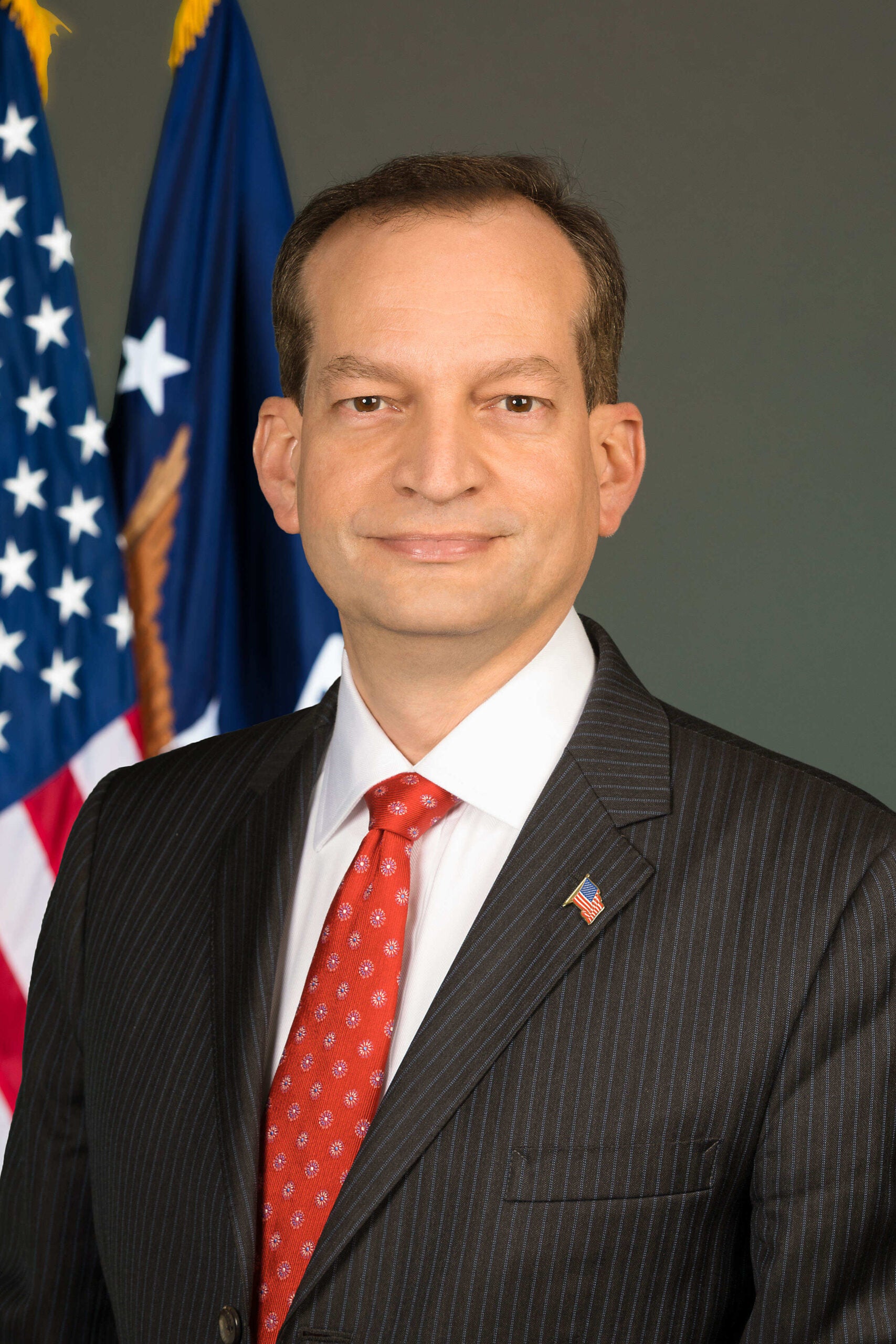
Alexander Acosta resigned as U.S. Secretary of Labor in 2019 amid scrutiny of his role in the plea deal.
The case prompted reforms in how sex trafficking cases are handled.
It renewed public debate about wealth and justice.
That debate was loudest in the weeks after the *Miami Herald* series ran.
The headlines came fast.
The cable segments came faster.
The outrage was a reaction, not a legal finding.
It is a documented fact that the series exposed the plea deal.
It is a documented fact that prosecutors had built a case that could have resulted in life in prison.
It is not documented that the public anger changed any single ruling.
What changed was the conversation.
What changed was the scrutiny.
What changed was the way the story was told.
The legal aftermath continues even though the central figure is dead.
The estate fought the lawsuits.
The alleged victims kept speaking publicly.
The record does not say how those civil cases ended.
Did the estate pay?
Did the cases settle?
Did they go to trial?
That would require evidence.
The documented facts end at the cell door.
The viral theories filled the gap.
The record did not.
The reforms are real.
The sentence is real.
The resignation is real.
The rest is what the public made of it.
Advertisement
You may also like
The 9-year-old boy whose mother demanded justice for Atlanta's vanished children
Camille Bell’s son was nine years old. His name was Yusuf Bell, and between 1979 and 1981, at least 28 Black children, adolescents, and…
The 31-day gap in a missing-child report that changed a family forever
On July 15, 2008, Cindy Anthony called 911 to report her two-year-old granddaughter missing. She told the dispatcher that her daughter, Casey Anthony, had…
The sister who spent decades correcting the 38-witness myth
The number 38 has been attached to Kitty Genovese's murder for decades. The supposed witnesses who saw or heard the attack and did nothing,…
Pregnant mom and two daughters vanish; husband's truck seen leaving at dawn
The truck is already moving before the street is fully light. A neighbor's security camera caught that image on August 13, 2018: Christopher Watts's…
A boat bought days before a missing wife — the timeline detectives couldn't shake
He reported her missing on December 24, 2002. Laci Peterson was eight months pregnant, and Scott Peterson told police she had vanished from their…
The rear axle that cracked the Oklahoma City bombing case open
The rear axle sat in a crater of broken glass and concrete, blocks from where the Murrah Building's north face used to be. At…