The phone call Scott Peterson made before Laci vanished — and the timeline that broke the case
🚨 THE PHONE CALL THAT CAME BEFORE THE MISSING REPORT…
The call was recorded.
Amber Frey, a massage therapist, had been seeing Scott Peterson. In late December 2002, she came forward to police and cooperated. She recorded her phone calls with him.
Within days of Laci Peterson’s disappearance, investigators learned what Scott had told her. He said his wife had died. He said this before Laci was reported missing.
That is the fact the record establishes. It is a fact that sits at the edge of everything else.
The exact content of the recorded calls is not detailed in the source. Only that Frey recorded them, and that Peterson had said his wife was dead.
Laci Peterson was 27 years old. She was eight months pregnant. She was a substitute teacher and a homemaker.
A husband telling his mistress his wife is dead before anyone knows she is gone. That is a jolt. That is a question the timeline cannot answer.
What else does the timeline hide?
That would require evidence. The record does not establish what Scott Peterson thought when he made that call. It does not establish what he felt. It establishes only what he said, and when he said it.
She was on the ground below.
DECEMBER 24, 2002 — THE MORNING LACI WAS LAST SEEN
December 24, 2002, was a Tuesday.
Laci Peterson was reported missing from her home in Modesto, California, according to the police report.
She was 27 years old, eight months pregnant, a substitute teacher and a homemaker.
Her husband, Scott Peterson, told police he had gone fishing that morning at the Berkeley Marina.
He said he returned to find her gone.
A neighbor later said she had seen Laci in the yard that morning, according to the neighbor's statement.
Police found no evidence she had left voluntarily, according to the investigation.
The exact time Laci was last seen is not specified in the source.
So the record leaves a question open.
If Laci was seen at home that morning, what happened between that sighting and Scott's return?
What happened in that house?
What happened in that yard?
That would require evidence.
The record does not establish what happened in those hours.
It establishes only that she was reported missing that day.
It establishes only that her husband said he was fishing.
It establishes only that a neighbor placed her at home.
Laci's family did not yet know what the record would later show.
Her mother, Sharon Rocha, and stepfather, Ron Grantski, would soon appear at news conferences.
They would plead for her safe return.
But on December 24, they were waiting for news.
The day was supposed to be Christmas Eve.
She was supposed to be home.
THE ERRAND — THE BOAT AND THE CONFLICTING STORIES
The boat was small, aluminum, the kind of thing you buy for a quiet morning on the water.
Scott Peterson had purchased it days before the disappearance, according to investigation records.
The exact date of the purchase is not established.
What is established is the timing: days before Laci was last seen.
He told conflicting stories about his whereabouts on December 24, the investigation found.
One version had him fishing alone in the bay, according to his statement.
Another version did not match the first.
The neighbor had seen Laci in the yard that morning.
Police found no evidence she had left voluntarily.
The boat sat in the driveway, small and ordinary.
Prosecutors later argued he used it to dispose of Laci's body in San Francisco Bay.
That was the prosecution's argument.
The record does not establish what happened on the water that morning.
It does not establish what the boat carried, or when it left the marina.
It establishes only the purchase, the stories, and the claim of a solo fishing trip.
Was he there alone?
Was he there at all?
Was the trip real, or was it an errand with a different purpose?
The record does not answer.
It offers a small aluminum boat, bought days before, and a husband who changed his account.
Laci's family waited for news that Christmas Eve.
They did not know about the boat.
They did not know about the conflicting stories.
They knew only that she was gone.
THE SEARCH — LACI'S FAMILY PLEADS
Sharon Rocha stood at the microphone and asked for her daughter back.
Ron Grantski stood beside her.
They were not investigators. They were not lawyers.
They were a mother and a stepfather who had woken up on Christmas Eve to a missing daughter, a missing granddaughter.
The news conferences came in the weeks before the body was found.
They pleaded. They begged. They described a young woman who was eight months pregnant, a substitute teacher, a homemaker.
They described the baby they were waiting to meet.
They asked anyone who had seen anything to come forward.
The specific words they spoke at those news conferences are not quoted in the source.

What is documented is that they appeared. That they became vocal public figures. That they kept standing at the microphone even as the days turned into weeks.
The hope was still there. It had to be.
They did not know about the boat. They did not know about the conflicting stories. They knew only that she was gone.
Sharon Rocha would later write a memoir about the case.
That came after. After the discovery. After the trial. After the verdict.
In those weeks of pleading, she was just a mother.
Her daughter was missing. Her grandchild was missing.
She stood at the microphone and asked.
THE 911 CALL AND THE INVESTIGATION TURNS
The call came in on December 24, 2002.
Laci Peterson was reported missing from her Modesto home.
Police initially treated her disappearance as a possible abduction.
Not because of evidence. Because that is what a missing pregnant woman looks like to investigators.
Suspicion quickly turned to Scott Peterson.
The shift was not announced. It was a turn inside the investigation, visible only in what came next.
A warrant search of Peterson's home and truck turned up items including duct tape and a concrete anchor.
The items were seized. They were logged. They were weighed.
No blood or DNA evidence linked him directly to a killing.
That is what the forensic findings showed.
The duct tape was duct tape. The anchor was an anchor.
What the record does not establish is the content of the 911 call itself.
The source says only that Laci was reported missing. Nothing more.
What the record does establish is a timeline that kept tightening around one man.
The concrete anchor mattered because of the boat. The boat mattered because of the bay.
The bay mattered because of what washed ashore months later.
She was reported missing on Christmas Eve.
She was a substitute teacher. She was eight months pregnant. She was a homemaker.
The investigation turned from missing person to murder case without ever declaring the moment it happened.
It happened somewhere between the warrant and the anchor.
It happened somewhere between the duct tape and the absence of blood.
It happened because the physical evidence was circumstantial, and the circumstantial evidence pointed one way.
That would require evidence. The search produced it, piece by piece.
APRIL 14, 2003 — THE BODIES WASH ASHORE
A man walking his dog found her on the shore of San Francisco Bay near Point Isabel.
It was April 14, 2003.
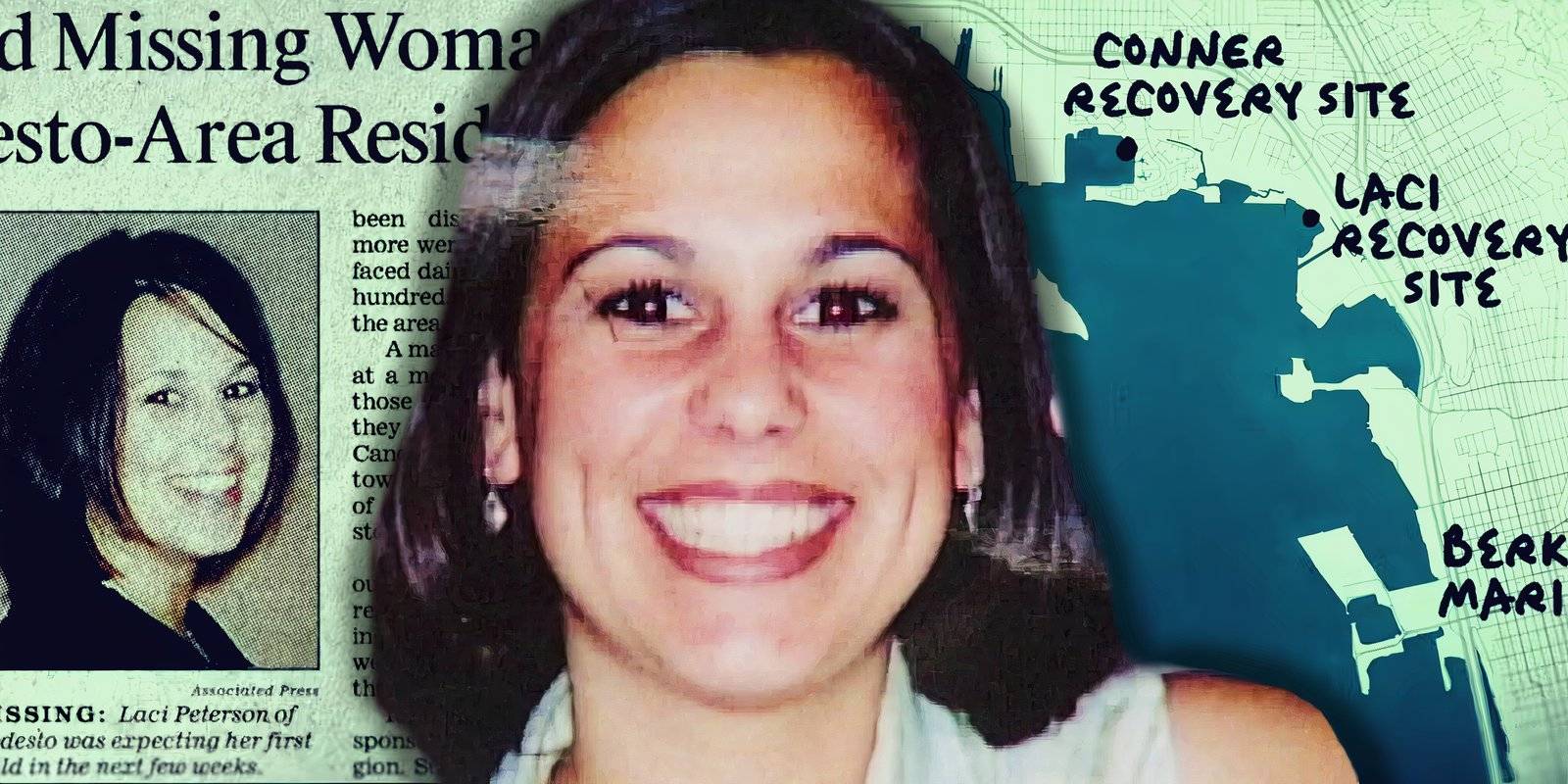
About three months after Laci Peterson disappeared from her home in Modesto.
About two weeks after her husband was arrested near the Mexican border.
The body of the couple’s unborn son, whom they had planned to name Conner, washed ashore separately that same day.
Separately.
Not together.
The discovery report records the finding; it does not record a cause of death.
The bodies were too decomposed for the forensic examination to determine one.
That is not established in the record.
It is not established how she died, or when, or where.
What is established is the date she was found, and the date her son was found.
The same day, on the same shore, apart.
Sharon Rocha had pleaded for her daughter’s safe return in the weeks before.
Ron Grantski stood with her at the news conferences.
They asked for help finding her.
They asked for her back.
What they got was a shoreline in April.
The search had produced evidence, piece by piece.
This was the final piece.
It was the end of one question and the start of another.
The cause of death would require evidence the water did not keep.
The water gave back what it gave back.
A man walking his dog on the shore.
A body on the sand.
A second body, separate, the same day.
That is what the record shows.
That is all the record shows.
THE ARREST — DYED HAIR AND CASH
April 18, 2003. San Diego County, near the Mexican border.
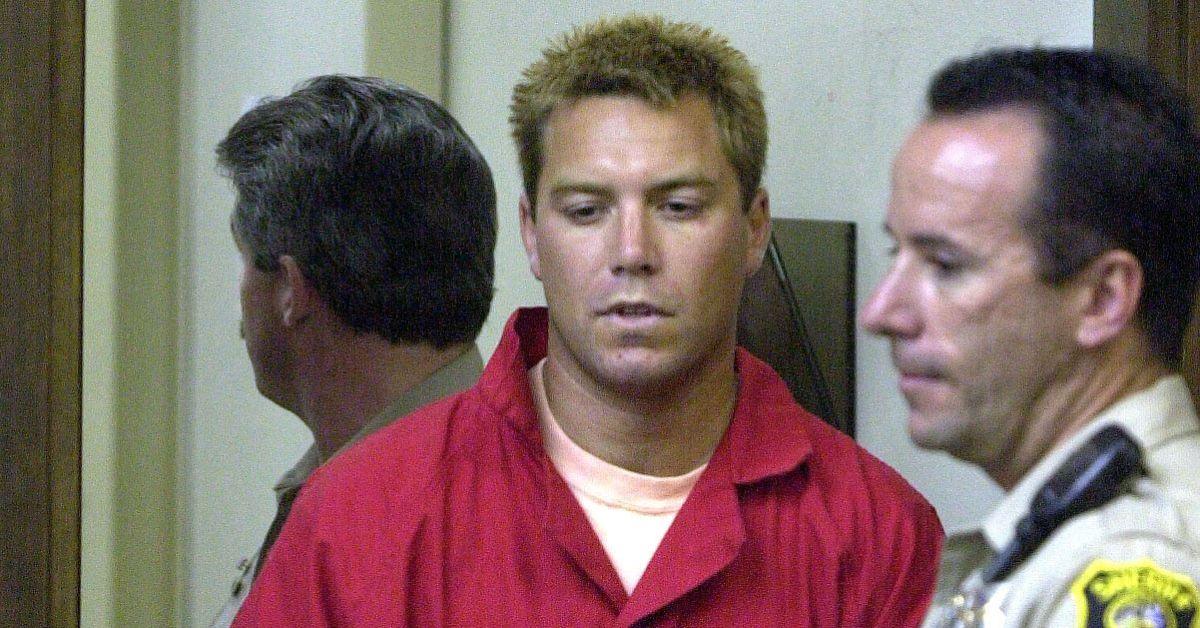
Scott Peterson was arrested there, according to the arrest report.
He had dyed hair and thousands of dollars in cash.
The exact amount of cash is not specified in the source.
Prosecutors argued this indicated flight.
That was their argument, not a fact the record establishes.
Why drive south with cash and a changed appearance if you are innocent?
Why run at all if you believe the search will clear you?
:max_bytes(150000):strip_icc():focal(749x0:751x2)/Laci-and-Scott-Peterson-081224-255c69408379478482d3a927e5d377ee.jpg)
What does flight prove, when a man has already told his mistress his wife is dead?
That would require evidence.
The arrest came two weeks before the bodies surfaced.
The arrest report places him at the border. It does not place him at the bay.
It is a fact of where he was found. It is not a fact of what he did.
Laci's family had pleaded for her return for months.
They stood at podiums and asked strangers to look.
Now there was no return to ask for, only an arrest to absorb.
The dyed hair and the cash — those were the details that traveled.
They were the details that made the suspicion feel solid.
But solid is not the same as proven.
He was arrested. He was charged.
The record holds the arrest, the hair, the cash, and the prosecutors' word.
It holds no confession. It holds no explanation from him at that moment.
She was on the ground below.
THE TRIAL — TWO STORIES, ONE JURY
The trial opened in June 2004 in Redwood City, moved there because the pretrial publicity had made a fair hearing in Modesto impossible, according to court records.
Prosecutors argued that Scott Peterson killed Laci to escape his marriage and his impending fatherhood, and that he dumped her body from his aluminum boat into the bay.
The defense argued that Laci had been abducted by strangers while walking the dog, and that the bodies had drifted to where they were found.
Two stories, one jury, the same facts bent in opposite directions.
The prosecution's Laci was a woman whose husband wanted out.
The defense's Laci was a woman who vanished into a random crime.
Sharon Rocha sat through it all, the mother who had pleaded on camera for her daughter's return, now listening to strangers explain how her daughter died.
She had asked the public for help in December.
By June she was watching the man her daughter married deny everything.
The jury heard about the boat purchased days before the disappearance.
They heard about the conflicting stories of December 24.
They heard about the phone call to Amber Frey, the mistress who cooperated with police and recorded her conversations with Peterson.
They heard about the dyed hair and the cash found at his arrest near the Mexican border.
The defense pointed to the absence of blood, the absence of DNA, the absence of any direct link.
The bodies were too decomposed to determine a cause of death, the record shows.
The jury deliberated for about six weeks.
What happened inside that room is not public record.
The jury's internal deliberations are not established anywhere in the case file.
Only the verdict is known, and the verdict is that they chose one story over the other.

THE VERDICT AND THE SENTENCE
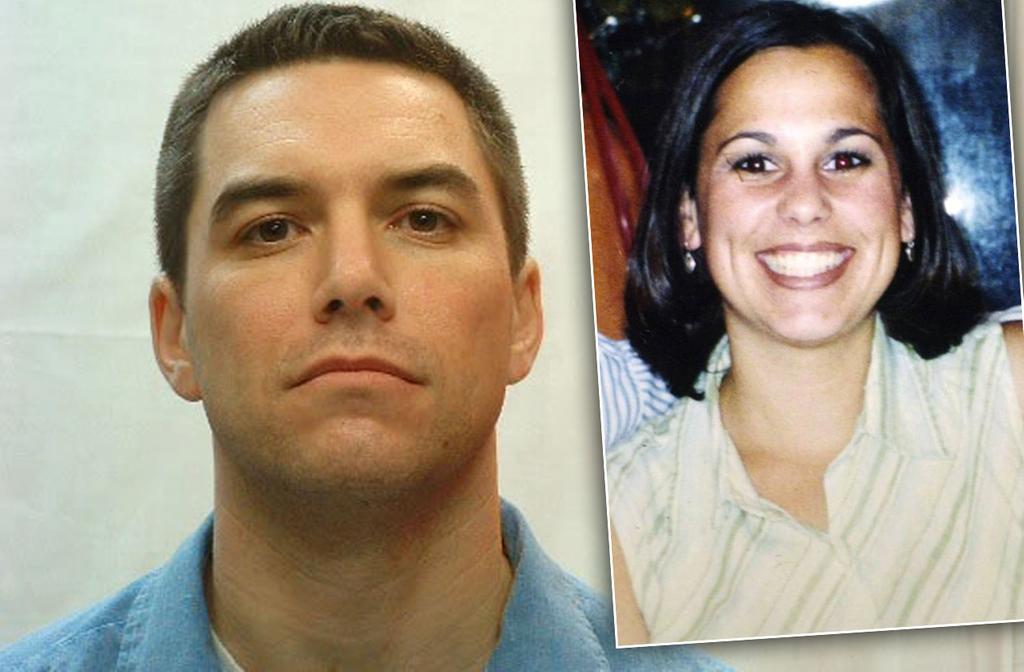
On November 12, 2004, the jury found Scott Peterson guilty of first-degree murder for Laci's death.
The same jury found him guilty of second-degree murder for the death of their unborn son.
The same jury then voted for the death penalty.
On March 16, 2005, a judge sentenced Peterson to death.
The conviction stood. The sentence did not.
In 2020, the California Supreme Court upheld the murder convictions but overturned the death sentence.
The court ruled that the trial judge had improperly dismissed a juror who opposed capital punishment.
The identity of that juror is not in the record. The juror's views are described only as opposing capital punishment.
That is all the source establishes.
The case was sent back for a new penalty phase.
Peterson remains on death row at San Quentin State Prison, though his death sentence is no longer in force.
He has not yet been resentenced.
Laci's mother, Sharon Rocha, has spoken publicly about the ongoing proceedings.
She has expressed anger and grief over the legal twists.
The family has maintained that Peterson is guilty and has opposed further appeals.
The verdict was the weight of justice. The overturned sentence was the twist.
Two things can be true at once. A man can be convicted. A sentence can fall.
The record holds the verdict. The record holds the ruling.
What the jury deliberated for six weeks is not public record.
What the dismissed juror believed beyond opposition to capital punishment is not established.
The court said the dismissal was improper. The court did not say what the juror would have done.
That would require evidence. The source does not provide it.
Sharon Rocha wrote a memoir. She keeps speaking. The case keeps moving.
The convictions remain. The penalty phase waits.
AND THE STORY STILL ISN'T OVER
The convictions remain intact. The death sentence does not.
In 2020, the California Supreme Court upheld Scott Peterson's murder convictions but overturned his death sentence, ruling the trial judge had improperly dismissed a juror who opposed capital punishment. He has not yet been resentenced. He remains on death row at San Quentin State Prison as of this writing.
In 2021, the Los Angeles Innocence Project took up his case. It cited newly surfaced evidence. The nature of that evidence is not detailed in the source.
A judge denied a motion for a new trial in 2022.
Sharon Rocha still speaks. She has expressed anger and grief over the ongoing legal proceedings. She has consistently maintained that Peterson is guilty. She has opposed any further appeals or retrials.
The family has said the same thing, again and again. Peterson is guilty. The case should be over.
It is not over.
The penalty phase waits. The appeals continue. The family waits with them.
Sharon Rocha wrote a memoir. She keeps speaking. The case keeps moving.
A jury found him guilty in 2004. The convictions were upheld in 2020. What remains is the sentence, and what remains is the grief.
The record does not establish what the new evidence is. It does not establish that it changes anything. It only establishes that it was cited, and that a judge said no.
Laci Peterson was 27 years old. She was eight months pregnant. She was a substitute teacher and a homemaker.
Her mother still says her name.
Advertisement
You may also like

The DNA under her fingernails that cracked a 17-year cold case — but left one question open
🚨 THE NEIGHBOR'S CALL THAT OPENED A 17-YEAR WAIT… A neighbor in Bellaire, Texas, called police about a break-in at a home on June…

The 4-day gap between a 5-year-old's abduction and a suspect's arrest in her murder
🚨 THE 4-DAY GAP July 15, 2002, in Stanton, California: a man asks a five-year-old for help finding a lost dog. The friend runs…

The grandmother's 911 call that started it all — and the family story that never fit
🚨 THE 911 CALL THAT DIDN'T MATCH THE FAMILY'S STORY The 911 call came on July 15, 2008, from a grandmother named Cindy Anthony.…
The missing boy's ring found in a crawl space — 27 bodies later
🚨 THE RING IN THE CRAWL SPACE The ring was small, gold, and it belonged to a missing 15-year-old boy. Police found it on…
The 2005 Aruba nightclub exit that left three men with stories that never matched
🚨 THE EXIT THAT STARTED EVERYTHING The club was called Carlos'n Charlie's, a bar and nightclub in Oranjestad, Aruba. Natalee Holloway, 18, from Mountain…

The tarot card message that turned a random killing spree into a hunt for 'God'
🚨 THE TAROT CARD THAT READ 'CALL ME GOD' The card was a piece of evidence, found at a crime scene during the investigation…