The pillowcase over Polly Klaas's head — and the 10:30 p.m. knock her friends never forgot
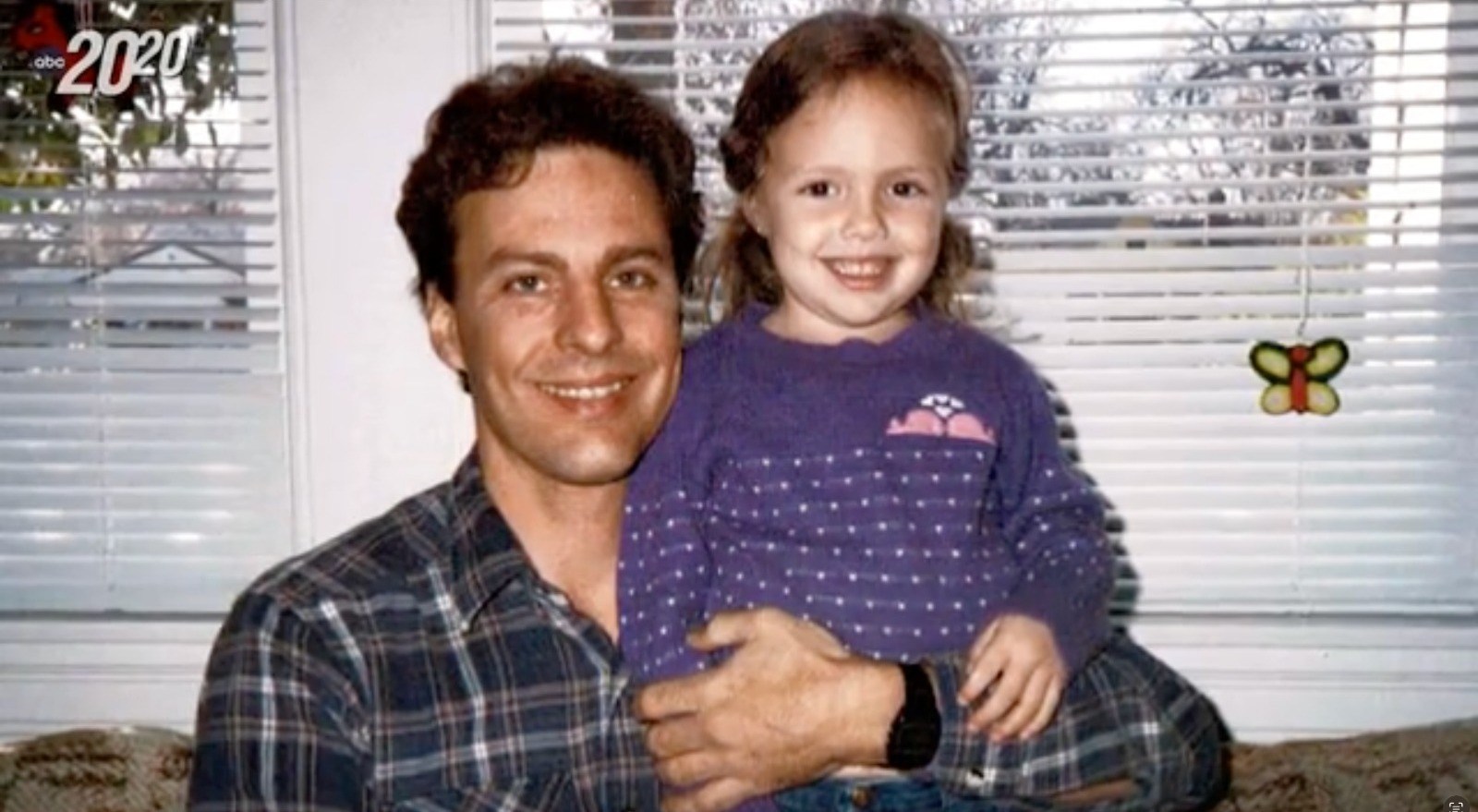
The knock at the door came at 10:30 p.m.
It was October 1, 1993, and twelve-year-old Polly Klaas was having a slumber party with two friends at her mother's home in Petaluma, California.
An intruder entered the house.
He tied up all three girls and placed pillowcases over their heads.
Then he fled with Polly.
The pillowcase is the detail that stays.
It is what the girls saw — the fabric dropped over their faces before the intruder took their friend.
It is what the record documents.
The girls freed themselves.
They alerted Polly's mother, Eve Nichol, who was in another part of the house.
She was in another room when the knock came.
She was in another room when the intruder moved through her home.
She was in another room when her daughter was taken.
The night was ordinary until it was not.
A slumber party, two friends, a twelve-year-old girl in her own home.
Then a knock at 10:30 p.m.
Then pillowcases.
Then silence where Polly had been.
THE SLUMBER PARTY AND THE SEARCH
Polly Klaas was twelve years old, from Petaluma, California.
The slumber party was at her mother's home.
Eve Nichol was in another part of the house when the intruder entered.
Her friends freed themselves.
They alerted Eve.
A massive search began immediately.
Local police were there.
The FBI was there.
Thousands of volunteers were there.
The search was one of the largest in California history.
It was not a quiet search.
It was a public one.
Polly's father, Marc Klaas, became a prominent public figure during the search.
Her mother, Eve Nichol, did too.
They stood before cameras and asked for help.
What words they spoke is not in the record.
The record does not establish their specific statements.
It establishes only that they were there, searching.
Polly's younger sister was eight at the time.
Coverage identified her only by role.
She was the younger sister.
She was not named.
The search spread.
It involved the Petaluma Police Department and the FBI.
It involved hundreds of volunteers.
They searched fields.
They searched roadsides.
They searched the edges of town.
It was one of the largest searches in California history.
That is what the record says.
Not because of one clue.
But because of many hands.
The house stood quiet where the party had been.
The pillowcases were gone.
Polly was gone.
The search went on.
THE WITNESS, THE ARREST, AND THE CONFESSION
The witness saw the car first.
She reported a suspicious vehicle near the Klaas home on the night of the abduction, according to the investigation summary.
The description led police to Richard Allen Davis, a man who was already on parole.
He had a prior criminal record that included kidnapping and assault.
Davis was arrested on November 30, 1993.
His girlfriend had contacted authorities.
He initially denied involvement.
He later confessed and led investigators to Polly's body on December 4, 1993.
The exact wording of that confession is not in the record.
What is in the record: her body was found at a remote site in Sonoma County.
She had been strangled.
Rope and duct tape were found at the scene.
His car, described in coverage as a brown or tan sedan, was central to the investigation.
Not because the car itself was unusual.
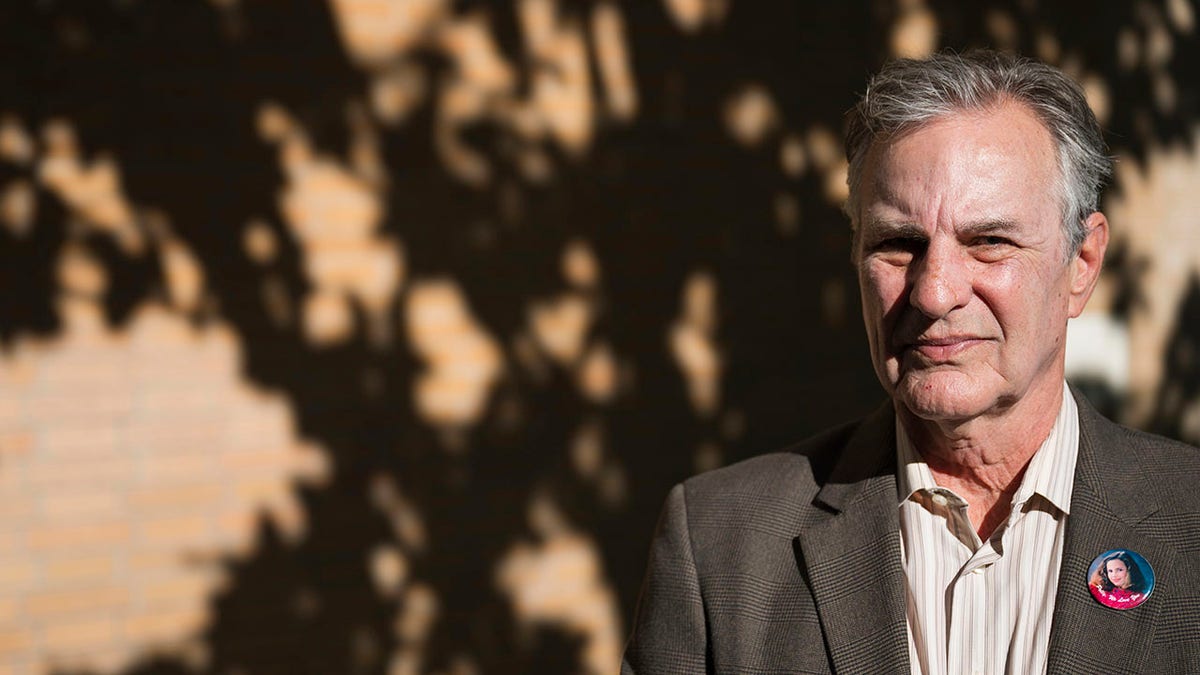
But because the witness's description of it pointed the investigation at him.
The arrest came nearly two months after the slumber party.
The search had involved local police, the FBI, and thousands of volunteers.
The friends had freed themselves and alerted Eve Nichol, who was in another part of the house.
The pillowcases were gone by then.
Polly was gone.
The witness's sighting is what closed the distance.
It is a single reported detail, a car seen near a home at night.
It is also the break the record credits.
Davis was already on parole.
He was already known to the system.
The description led police to him, and the arrest followed.
The confession followed the arrest.
The location followed the confession.
She was on the ground below, at a remote site, and that is where the search ended.
THE TRIAL AND THE SENTENCE
The trial opened in Sonoma County Superior Court in 1996.
Davis was convicted of first-degree murder with special circumstances, kidnapping, and burglary.
The jury recommended the death penalty.
In September 1996, the judge sentenced Davis to death.
Then came the sentencing hearing.
Davis made a statement that was widely condemned, in which he appeared to mock the family.
The exact content of that statement is not in the record.
Only that it was condemned.
Only that it appeared to mock them.
The conviction and sentence were upheld on appeal.
Davis went to death row.
The family went on.
Marc Klaas became a national advocate for children's safety.
He founded the KlaasKids Foundation.
He spoke at hearings, at vigils, at the state capitol.
He told the story of what a knock at 10:30 p.m. took.
He told the story of what a pillowcase hid.
Not because the record demanded it.
But because the record could not give Polly back.
The foundation works to protect other children.
The case remains one of the most infamous child abductions in American history.
Davis remains on death row at San Quentin State Prison.
Executions in California have been halted since 2006.
The sentence stands.
The appeal was denied.
The story, for the family, was never a legal one.
It was a girl.
It was a slumber party.
It was 10:30 p.m.
AND THE STORY STILL ISN'T OVER
Richard Allen Davis remains on death row at San Quentin State Prison.
Executions in California have been halted since 2006 due to legal challenges to the state's lethal injection protocol.
His next concrete legal step is not in the record.
No hearing date. No motion. No scheduled moment.
The case changed the law anyway.
California passed its "Three Strikes" law in 1994, a direct response to the kidnapping.
Megan's Law was expanded, requiring public notification of registered sex offenders.
Marc Klaas became a national advocate.
He founded the KlaasKids Foundation, dedicated to protecting children.
He has spent decades in courtrooms and on cameras, speaking for his daughter.
Eve Nichol has largely stayed out of the public eye.
She did not campaign. She did not tour.
She was Polly's mother.
Polly's memory is honored through the foundation and annual events in Petaluma.
A park bears her name. A foundation carries her mission.
The case remains one of the most infamous child abductions in American history.
It is also a set of laws, and a father's grief, and a mother's silence.
What the record does not establish is an end.
Davis sits in a cell while the state's method of execution is argued in courts.
The arguments are about chemicals, not about him.
The record holds no date for what comes next.
It holds a conviction, a sentence, and a halted protocol.
That is what the record establishes.
That is all the record establishes.
Advertisement
You may also like
The 19-year-old final victim's family pushed for DNA tests — then got a match they couldn't all accept
The apartment was on Beacon Hill, and inside it, on January 4, 1964, they found Mary Sullivan. She was 19 years old. She was…
The manifesto that one brother read and could not ignore
In 1995, a 35,000-word manifesto arrived at The New York Times and The Washington Post. The FBI asked both papers to publish it, and…
Two shotguns bought days before the Menendez parents were found dead in their den
Two Mossberg 12-gauge shotguns, purchased by Lyle Menendez days before the murders, according to the case file. On August 20, 1989, José and Kitty…
The mother who dialed 911 for Gabby Petito — and the van that came back without her
Her phone did not ring back. On September 11, 2021, Gabby Petito’s mother reported her missing. Gabby was 22, from Blue Point, New York.…
The trucker's tip that ended the 2002 D.C. sniper attacks — and the bus driver whose death broke the case
The truck driver heard the radio mention a blue Chevrolet Caprice. He was at a rest stop near Myersville, Maryland, when he saw it.…
The tip that ended a three-week sniper terror — a rest stop on I-70
October 24, 2002: a tipster picked up the phone. The call alerted police to a white Chevrolet Caprice parked at a rest stop on…