Pilot Roger Peterson was not certified for instrument flight. So why did he take off into freezing drizzle?
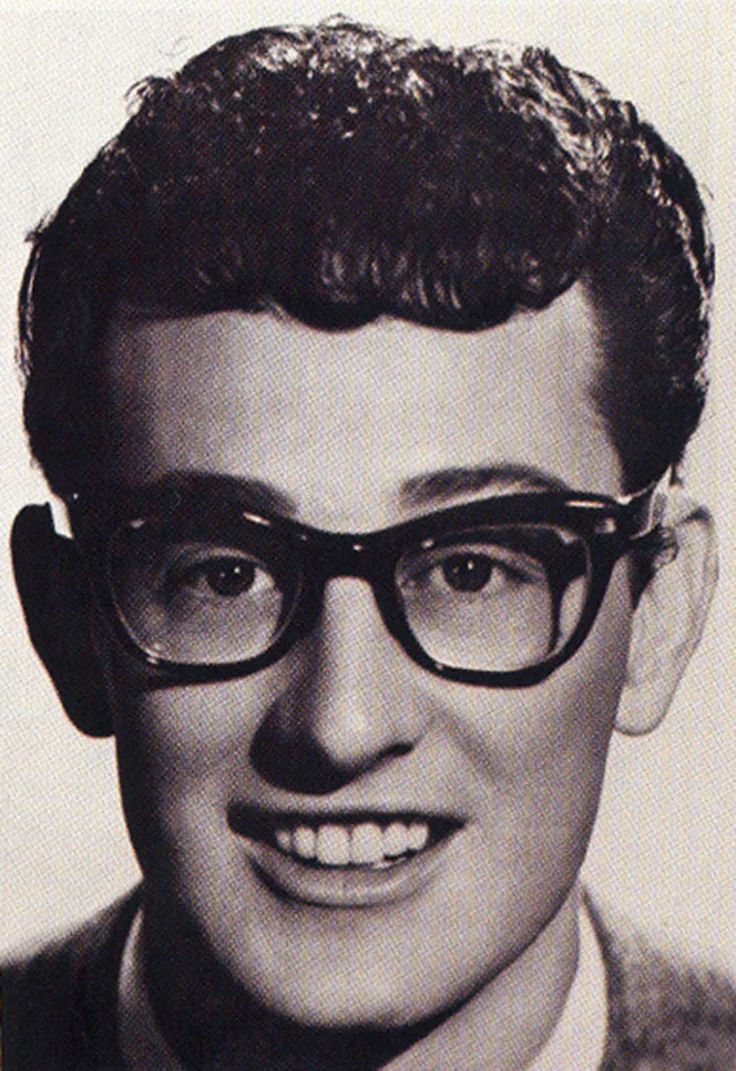
Freezing drizzle was falling over Mason City Municipal Airport on the night of February 3, 1959.
Visibility was low, and the sky was dark.
A 1947 Beechcraft Bonanza, registration N3794N, sat on the runway, chartered by Buddy Holly.
The pilot was Roger Peterson.
He was 21, described as experienced.
He was not certified for instrument flight — flying solely by reference to instruments.
The Civil Aeronautics Board investigation would note that fact.
The plane took off.
It crashed in a cornfield near Clear Lake, Iowa, shortly after.
All four on board were killed.
The musicians were Buddy Holly, Ritchie Valens, and J.P. Richardson Jr.
The crash report records the weather, the aircraft, the takeoff, and the impact.
It does not record why Peterson decided to go.
The exact reason for his decision is not established in the record.
Did he misread the forecast?
Did he think the drizzle would hold off?
Did the tour bus's cold, unreliable heater push him into the sky anyway?
That would require evidence.
The record shows only the takeoff, the reported freezing drizzle, and the nose-first impact into frozen ground.
It shows a pilot rated for visual flight, taking off into conditions that demanded instruments.
It shows a 1947 Bonanza, a charter, a musician's frustration with a broken bus.
The question hangs over the cornfield, unanswered.
THE NIGHT BEFORE
The bus was cold.
That is where the story starts, with a heater that did not work and a tour that had already turned miserable.
The musicians had just played the "Winter Dance Party" at the Surf Ballroom in Clear Lake the night before.
Buddy Holly had had enough of the bus.
According to the background account, the flight was arranged by Holly, who was frustrated with the cold, unreliable tour bus.
A charter was the answer, a quick hop to the next town, a way out of the frost.
The exact conversation that led to that charter is not in the record.
Not who called first, not what was said, not how the decision was sealed.
That detail is gone, and no document recovers it.
What is known is simpler: a 1947 Beechcraft Bonanza, registration N3794N, waiting on the runway.
What is known is the pilot, 21, rated for visual flight, taking on a sky that demanded more.
What is known is that freezing drizzle was reported at the time of takeoff.
The flight was a small thing, a convenience, a fix for a broken night.
It was not a gamble anyone planned to lose.
The crash report states it plainly: all three musicians and the pilot were killed.
Buddy Holly was 22.
Ritchie Valens was 17.
The Big Bopper was 28.
The pilot was 21.
Four men, one cornfield, no survivors.
The name came later, from a song.
Don McLean's 1971 "American Pie" popularized the phrase "The Day the Music Died."
But that was twelve years after the ground froze.
That was after the inquiry, after the report, after the memorials.
On the night before, there was only a bus that would not stay warm and a man who wanted off it.
The frustration was ordinary.
The decision was fatal.
THE INVESTIGATION
The Civil Aeronautics Board sent its investigators to the frozen cornfield.
The CAB was the predecessor to the NTSB, and its report became the official record.
The key evidence was the weather.
Freezing drizzle and low visibility were reported at the time of takeoff, according to the CAB report.
The wreckage told its own story.
The plane had crashed nose-first into the frozen ground at high speed, the crash site analysis showed.
No mechanical failure was found.
The CAB’s findings pointed to pilot disorientation in poor weather as the probable cause.
The pilot was experienced, the report noted, but not certified for instrument flight.
That meant he was not trained to fly solely by reference to the instruments in the cockpit.
In darkness, over open farmland, with drizzle freezing on the windscreen, there may have been no horizon to hold.
The exact sequence of events in the cockpit is not established.
No one saw the final moments.
No one survived them.
The report concluded that Peterson likely became disoriented while flying in darkness and poor visibility.
It was a probable cause, not a proven one.
The aircraft was a 1947 Beechcraft Bonanza, chartered by Holly.
It left the ground at Mason City Municipal Airport and came down minutes later.
The investigation found no criminal act.
No one was ever accused of wrongdoing.
The crash was ruled an accident caused by pilot error and adverse weather.
That is the official conclusion, weighted by wreckage and weather reports.
What the pilot saw, or thought he saw, in those last seconds remains a question the record cannot answer.
THE TWO READINGS
The Civil Aeronautics Board’s report concluded that Peterson likely became disoriented while flying in darkness and poor visibility.
That is the official reading: pilot error and adverse weather, ruled an accident.
No mechanical failure was found.
There was no criminal trial.
No charges were filed against anyone, and no one was ever accused of wrongdoing.
The “trial” angle in popular coverage refers to the extensive public and official inquiry into what caused the crash.
So there are two readings.
One is the record: a disoriented pilot, freezing drizzle, a nose-first impact into frozen ground.
The other is the story: three young musicians, a chartered plane, a phrase from a song.
The record does not establish any alternative theory of the crash.
It does not establish that the plane was sabotaged, that the pilot was forced, that the weather was misreported.
It does not establish that anyone acted with intent.
What the record establishes is narrower: a pilot without instrument certification took off into conditions that required instruments.
That is the finding.
The popular narrative often asks why he did it, as if the answer were hidden.
The official answer is disorientation.
The unofficial answer is a question.
A question the record cannot resolve.
That would require evidence the investigation did not produce.
So the two readings sit side by side: the accident as ruled, and the accident as remembered.
One is a conclusion.
The other is a mystery that never closes.
AND THE STORY STILL ISN'T OVER
The crash remains one of the most famous in American music history.
Don McLean’s 1971 song "American Pie" gave it the name that stuck.
The Surf Ballroom in Clear Lake still hosts an annual memorial concert on February 3.
The site of the crash is marked by a memorial.
Buddy Holly was 22.
Ritchie Valens was 17.
J.P. Richardson Jr. was 28.
Roger Peterson was 21.
Four men, all under thirty, gone in a cornfield before midnight.
The Civil Aeronautics Board closed its file decades ago.
No new official investigation has been reopened.
No charges were ever filed, and no one was accused of wrongdoing.
The case was ruled an accident, and that ruling stands.
But the question from the beginning remains unanswered.
Why did an uncertified pilot take off into freezing drizzle?
The record shows the weather, the pilot’s lack of instrument certification, and the nose-first impact.
It does not show a reason.
The CAB concluded Peterson likely became disoriented in the dark and poor visibility.
That is a conclusion, not an explanation.
The memorial concerts continue, year after year.
The books and documentaries keep coming.
Each one retells the same night, the same takeoff, the same unanswered question.
Whether any new evidence will ever emerge is not established.
The cornfield is still there.
The question is still there too.
Advertisement
You may also like
The Christmas Eve disappearance that left a family waiting 111 days for answers
The Christmas Eve call came at 5:45 p.m. Scott Peterson told police his wife was missing. Laci Peterson, 27 and eight months pregnant, had…
The Miami Herald series that made a lenient plea deal a national scandal
In 2008, Jeffrey Epstein pleaded guilty to two state charges: soliciting a minor for prostitution and procuring a person under 18 for prostitution. That…
The 1994 glove that fit nowhere — a courtroom moment that turned the trial
He held the glove by the cuff, easing his hand inside while the courtroom held its breath. One glove came from the crime scene…
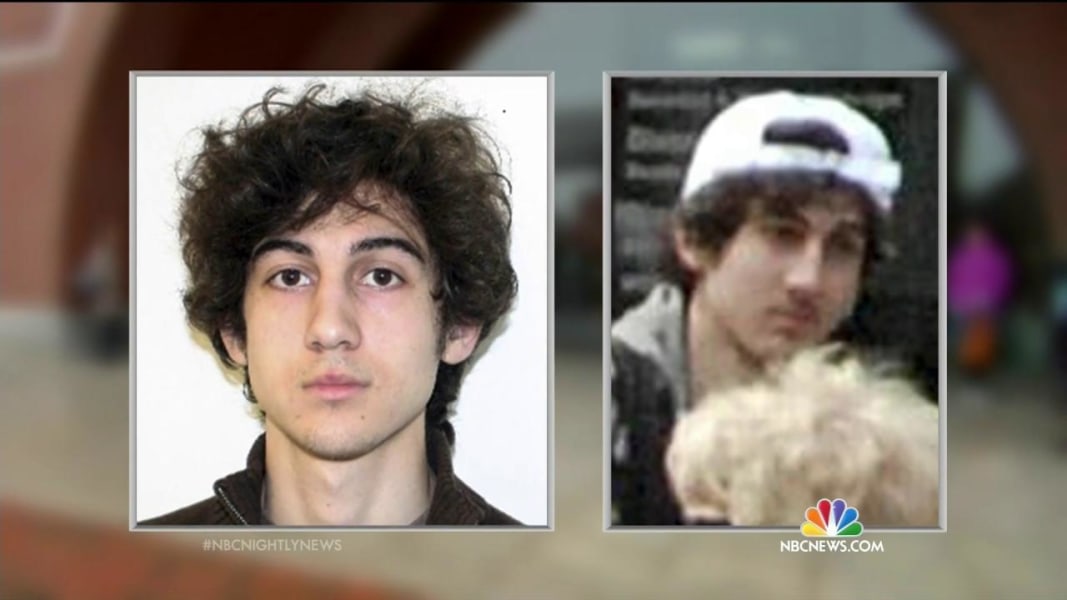
The hidden note inside a backyard boat that ended a citywide manhunt
The boat sat in a Watertown backyard, covered in a tarp, its hull smeared with something dark. For hours the city had been locked…
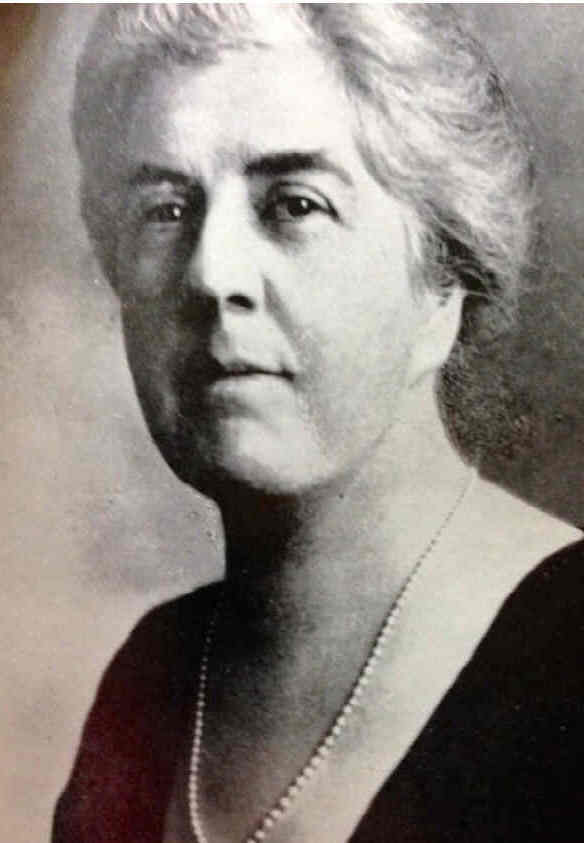
The love letters scattered under a crabapple tree that exposed a reverend's secret
The dog stopped first. The man walking him saw something under the crabapple tree and came closer. It was September 16, 1922, in a…
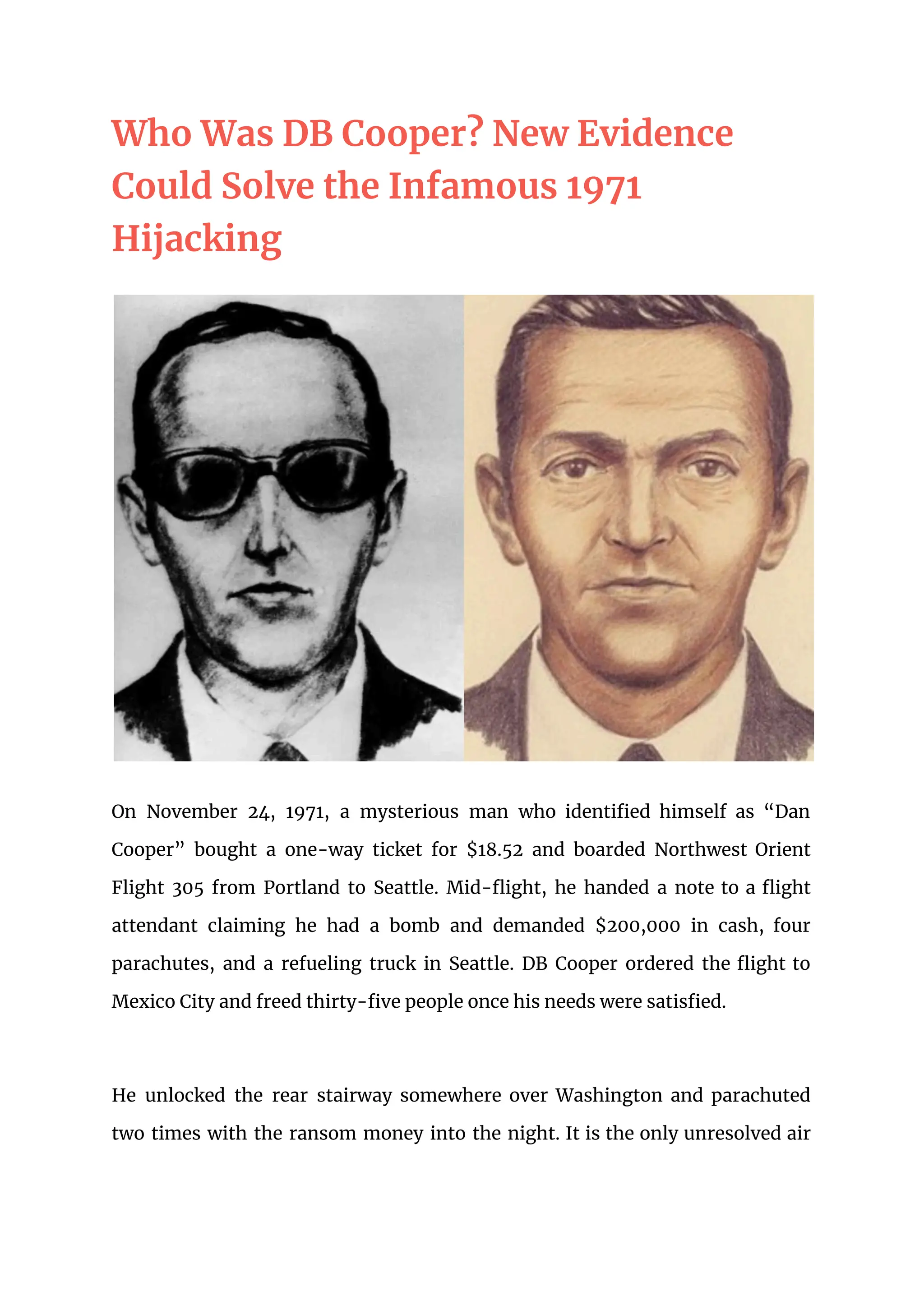
The $200,000 in $20 bills that vanished with a hijacker's leap into the night
The flight attendant took the note. She unfolded it. It said he had a bomb in his briefcase. The man called himself Dan Cooper,…