The prussic acid request that made 1892 Fall River wonder about Lizzie Borden
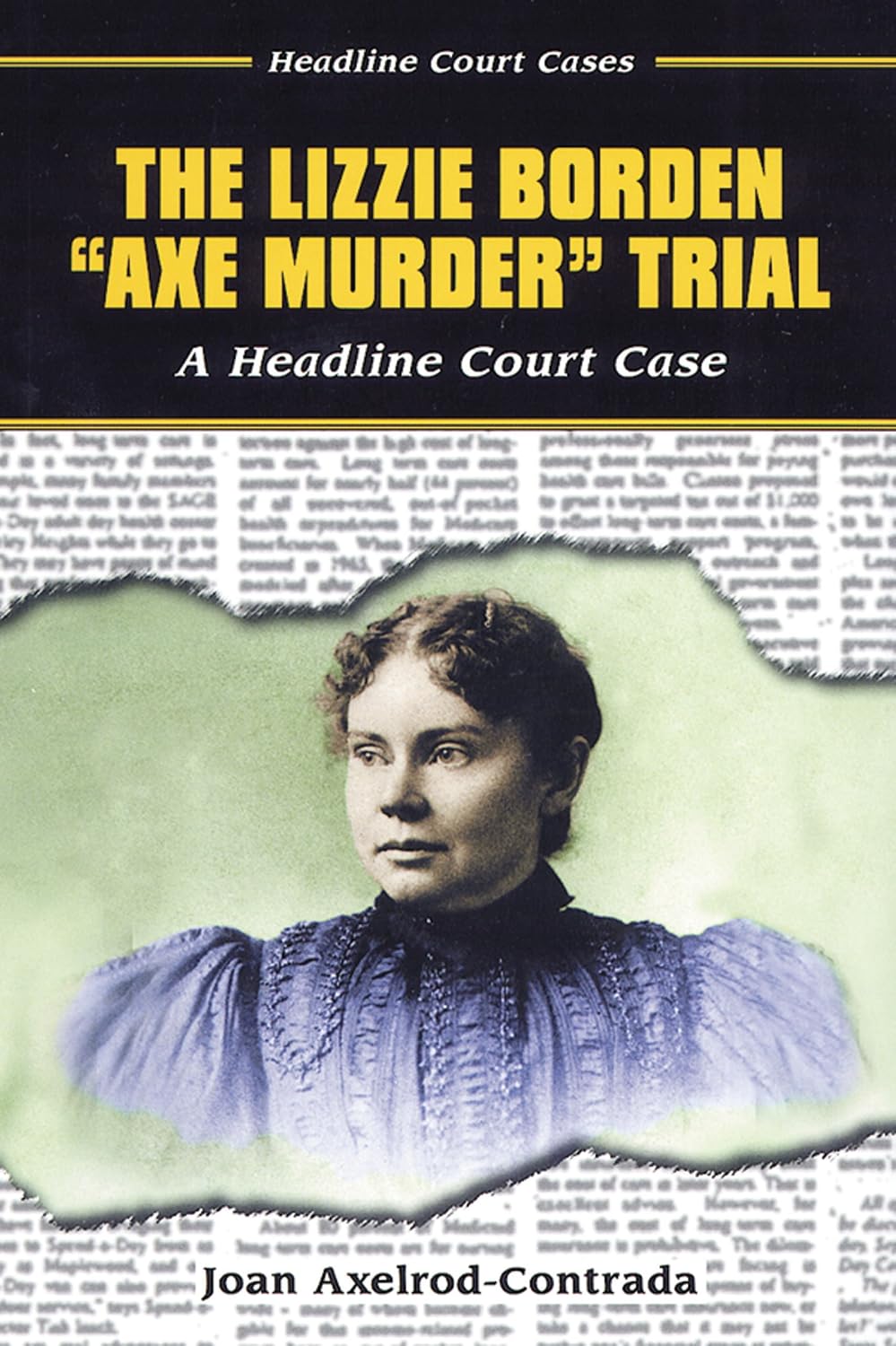
She wanted prussic acid to clean a sealskin cape.
That was the story Lizzie Andrew Borden gave a local druggist in the days before the murders, according to the case file and the contemporary press.
Prussic acid is another name for hydrogen cyanide.
It is a poison.
It is not a cleaning agent.
The druggist did not sell it to her.
The purchase was never made.
The record does not establish that the acid was ever obtained.
No prussic acid was found in the house at 92 Second Street.
The investigation record is silent on the bottle.
It is silent on the cape.
It is silent on where the acid went, if it went anywhere at all.
The request did not stay at the counter.
It moved into parlors.
It moved into print.
Newspapers across the country picked up the detail and turned it into a question.
Why would a respectable, churchgoing woman need poison to clean a cape?
Why would she ask for it days before her father and stepmother were hacked to death?
The question was asked in headlines.
It was asked in editorials.
It was asked on street corners.
The public took the request and made it a plan.
They made it a motive.
They made it a confession, despite the fact that no confession existed.
The record does not establish that the prussic acid was ever used in the murders.
It does not establish that it was ever in Lizzie Borden's hands.
It does not establish that the cape was real.
It only establishes that she asked.
And the asking was enough.
In the summer of 1892, a woman's curiosity about poison became the story of her guilt.
The druggist's counter became the first scene of the crime.
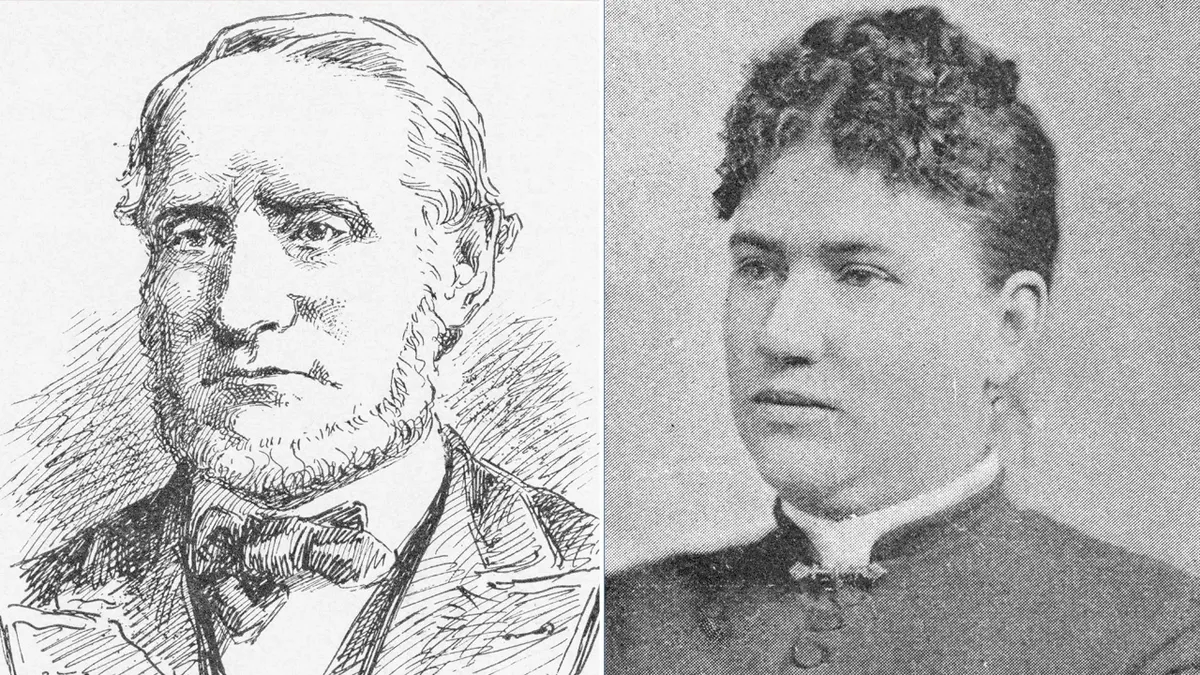
The acid was never found.
The weapon was never found.
The request was never explained.
It remains a question the record leaves open.
AUGUST 4, 1892 — TWO BODIES, ONE HOUSE
The heat of that August morning did not reach the sitting room at 92 Second Street.
Andrew Jackson Borden was found there, his face nearly split by an axe-like blow.
Upstairs, in a guest room, his second wife Abby Durfee Borden lay dead from multiple blows of a hatchet or axe.
The maid, Bridget Sullivan, and a neighbor, Dr. Bowen, discovered the bodies.
They came after Lizzie Andrew Borden reported finding her father’s body.
The murders happened within roughly an hour and a half.
Abby was killed first, the testimony established.
Andrew died after he returned home from a morning errand.
The exact time of each murder is not established.
The identity of the killer is not established.
Fall River was a quiet, respectable place, and this was a quiet, respectable house.
It was a banker’s home, a businessman’s home, a churchgoing family’s home.
The double murder shattered that.
Newspapers seized on the horror of it.
They seized on the respectable address.
They seized on the daughter who found the body.
The public read every detail.
The public asked how such a thing could happen in such a house.
That question would not leave the Borden name alone.
The weapon was never found.
No bloody clothing was found.
The record leaves those questions open.
THE INQUEST AND THE SHIFTING STORY
She sat in the inquest room and told her story three times.
Each telling shifted. She changed where she was when her father was killed.
The inquest record keeps those contradictions. It does not record what she was doing at the exact moment of either murder.

That is not established. It never was.
She was the only person known to be in the house when Andrew Borden died. The investigation said so.
The police searched. They found no bloody clothing. They never recovered the weapon.
No hatchet. No axe. No dress with a stain.
The record lists what was missing. It does not list what she held in her hands that morning.
The newspapers printed every word of her testimony. They printed the gaps between her stories.
Some readers saw a respectable woman. A churchgoing daughter of a wealthy man. They could not fit an axe into that picture.
Other readers saw the gaps. They saw a woman who changed her answer when the question came again.
The public split along that line. The contemporary press recorded both sides.
She said she was in the barn. She said she was in the kitchen. She said she heard a groan.
The record reports each version. It does not confirm any of them.
What she was doing at the moment of each murder is not established. Not by the inquest. Not by the investigation. Not by the press.
That would require evidence. The evidence never arrived.
THE TRIAL AND THE VERDICT
She stood trial for first-degree murder in New Bedford in June 1893, the venue changed from Fall River.
The prosecution argued motive: resentment over her father’s property arrangements and his relationship with Abby.
They argued opportunity: she was the only person known to be in the house.
The defense answered that there was no direct evidence, that the entire case was circumstantial.
The trial lasted thirteen days.
The jury deliberated just over an hour.
One hour and some minutes to decide whether a woman had split two skulls with a hatchet.
On June 20, 1893, the verdict came back: not guilty.
The courtroom erupted, according to contemporary press.
The reaction outside was not one note.
Many believed she was guilty but had escaped justice.
Others accepted the acquittal as the proper end of a weak case.
The newspapers had made her a monster or a martyr, and neither image survived the verdict.
What the hour of deliberation settled is not established.
Not whether she was innocent.
Not whether the doubt was reasonable.
The record shows only the verdict, not the reasoning.

She walked out of the courtroom acquitted of both murders.
The crowds outside parted, some cheering, some silent.
The case was never tried again.
No one else was ever charged.
An hour of deliberation, and then the story moved on without an ending.
AND THE STORY STILL ISN'T OVER
She returned to Fall River, and the Borden sisters bought a new home with their inheritance.
They called it Maplecroft, a name with more grace than the house at 92 Second Street.
Lizzie lived there with Emma, and the town watched.
The trial was over, but the looking was not.
Emma moved out in 1905, and the sisters never reconciled.
The case file says they became estranged; it does not say why.
Lizzie changed her name to Lizbeth, as if a syllable could undo a summer.
She lived quietly until June 1, 1927, when she died at age 66.
No one else was ever charged.
The case remains officially unsolved.
The murder weapon was never recovered, and the record does not establish what became of it.
The identity of the killer is not established.
The Borden house at 92 Second Street is now a museum and a bed-and-breakfast.
Guests sleep in the rooms where Abby Borden was found, and where Andrew Borden was found.
The rhyme entered folklore: "Lizzie Borden took an axe."
Its origins are not contemporary to the trial; it came later, a rhyme without a source.
The public at the time had already written its own version, and it did not need the verse.
They had the druggist's counter and the sealskin cape.
They had the conflicting accounts and the hour and a half between two bodies.
They had a verdict, but not an answer.
The question of who swung the axe remains open.
That would require evidence the record does not provide.
She was buried in Fall River's Oak Grove Cemetery.
The stone says Lizbeth.
The town still says Lizzie.
Advertisement
You may also like
The cell tower records that placed Adnan Syed near Leakin Park — and the defense that tore them apart
The note was found in Hae Min Lee's car, and it read "I'm going to kill." Prosecutors argued Adnan Syed wrote it. The defense…
The 2002 fishing trip that Scott Peterson said explained everything — and the boat anchor that didn't match
December 24, 2002, and Scott Peterson reports his eight-months-pregnant wife Laci missing from their Modesto home. He says he spent that morning fishing at…
The 3:15 a.m. attack that 38 neighbors reportedly heard — but the timeline has a hole
She was almost home. Catherine "Kitty" Genovese, 28, had walked from her job at Ev's 11th Hour Bar to her apartment building at 82-70…
The white Cadillac witness said he was inside — 27 years later, one man faces trial
A white Cadillac pulled alongside a BMW sedan on the Las Vegas Strip. It was September 7, 1996, and gunfire erupted. The BMW carried…
The phone call that made a friend dial police — and the interview that followed
The missed appointment was a doctor’s appointment, and the phone went unanswered. On August 13, 2018, in Frederick, Colorado, a friend called police to…
The smiley-face confession that made a sister call the police
The note was found in March 1995, near a woman's body in Oregon. It was handwritten, a confession. It was signed with a smiley…