The severed head found 120 miles away — and the confession police never fully believed
The television set was on.
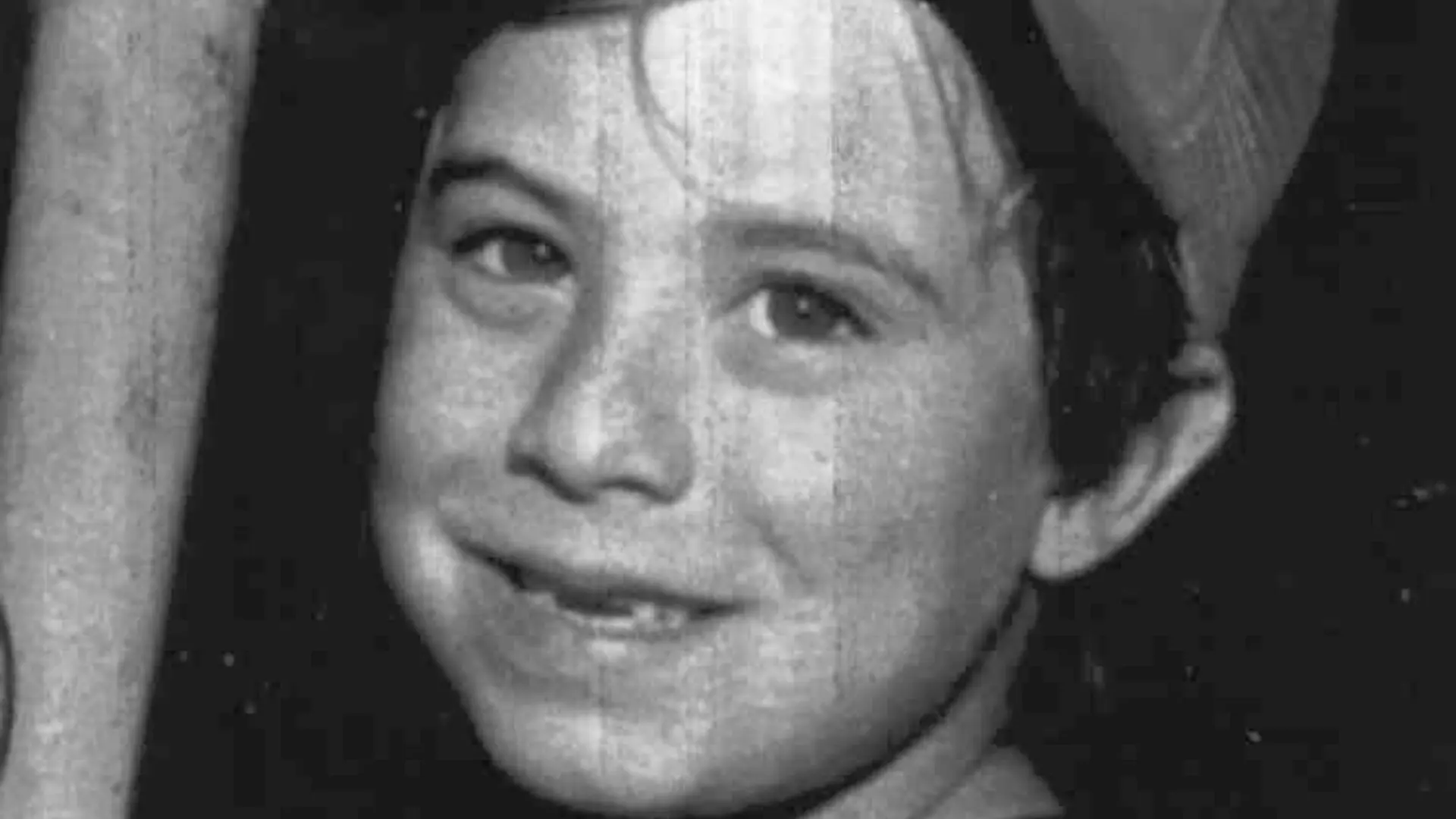
On July 27, 1981, six-year-old Adam Walsh sat with other children in front of it, inside the Sears store at the Hollywood Mall in Hollywood, Florida.
His mother, Revé Walsh, was shopping nearby.
When she went to collect him, he was gone.
The store's television set — an ordinary object, the kind of thing any family might own — becomes the last place Adam was seen before he vanished.
What was on the screen is not in the record.
How many children were in the room is not in the record.
No witness list from that room appears in the source material.
She was shopping nearby.
He was watching a screen with other children.
Then he was gone.
The mall was public.
The store was open.
The television was on.
What happened in that store?
Who else was in that room?
What did the other children see?
That would require evidence.
The record does not establish what was on the television.
The record does not establish the exact number of children present.
What the record does establish is a mother's errand and a child's ordinary afternoon.
An ordinary afternoon, in a public place, with a screen glowing in the corner.
Then nothing.
THE SEARCH AND THE CANAL
The search began that same day.
Police interviewed witnesses at the Sears store and the mall. They spoke to employees. They spoke to other shoppers.
Early on, they considered several suspects. One was a man seen leaving the store with a young boy. His identity was never confirmed.
The days turned to weeks. The weeks turned to months.
On October 10, 1981, a severed head was found in a drainage canal along Florida's Turnpike near Vero Beach. It was about 120 miles from the mall.
It was Adam's.
His body was never recovered.
The medical examiner determined the cause of death to be homicide. The exact cause could not be established. The condition of the remains did not allow it.
What the record shows is a head without a body. A family without a grave to visit.
The man seen leaving the store with a young boy — the record does not establish who he was. The exact cause of death — the record does not establish that either.
The search continued. But there was nothing left to find.
THE CONFESSION AND THE RECANTATION
In 1983, Ottis Toole was already in prison in Florida for other crimes.
He confessed to killing Adam Walsh.
He provided details about the abduction and the disposal of the body.
Then he recanted.
Police did not find his account fully credible at the time.
Why they found it not fully credible — that is not detailed in the source.
The case went cold for years.
In the 1990s, the case was reopened.
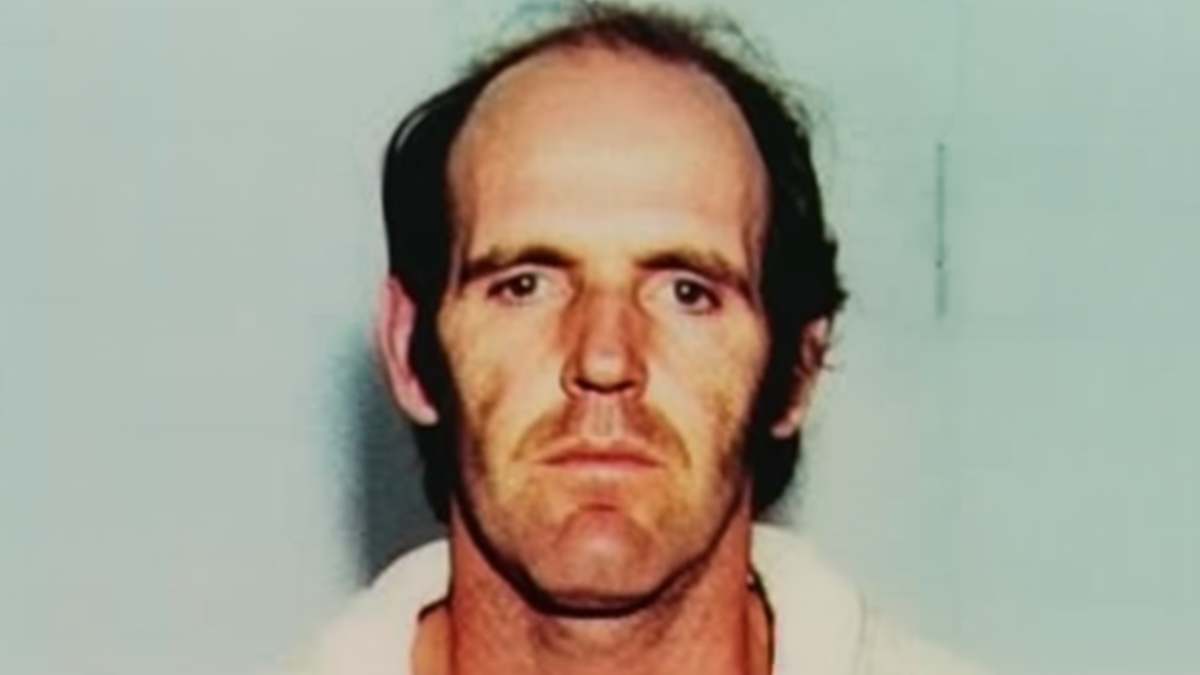
In 1996, the Hollywood Police Department concluded that Toole was responsible.
The lead detective led the conclusion.
It was based on Toole's confessions, his knowledge of details, and his history of violent crimes.
Toole was never charged with Adam's murder.
There was no trial.
The department closed the case, declaring it solved.
Toole died in prison in 1996, serving sentences for other crimes.
The record shows a conclusion, not a conviction.
TWO READINGS OF THE SAME FACTS
The detective concluded Toole was the killer.
He said Toole knew details only the killer could know.
He said Toole's history of violent crimes made the confession fit.
The department closed the case in 1996, declaring it solved.
Solved, but never tried.
Toole recanted his confession.
He was never charged.
Police did not find his account fully credible at the time.
That is the other reading.
Which confession was true?
Which confession was false?
The record does not answer.
No court ever established that Toole killed Adam Walsh.
No formal charges were ever filed.
Toole died in prison on September 15, 1996, of liver failure.
He was serving sentences for other crimes, including murder and arson.
The case was declared solved the same year he died.
It is a conclusion.
It is not a conviction.
The Walsh family had a name for what happened.
They said Adam was murdered.
They said the man who did it was never brought to justice in a courtroom.
That remains the shape of the record: a confession repeated, a confession recanted, a case closed without a trial.
The lead detective stood by his finding.
The medical examiner determined the death was homicide, though the exact cause could not be established.
The remains were too damaged.
Toole's knowledge of details was the foundation.
Toole's recantation was the doubt.
Both versions sit in the file.
Only one closed the case.
AND THE STORY STILL ISN'T OVER
In 1996, the Hollywood Police Department officially closed the case, declaring that Ottis Toole had murdered Adam Walsh.
Toole was never charged.
There was no trial, no conviction, only a declaration.
The case is closed.
That is what the record shows.
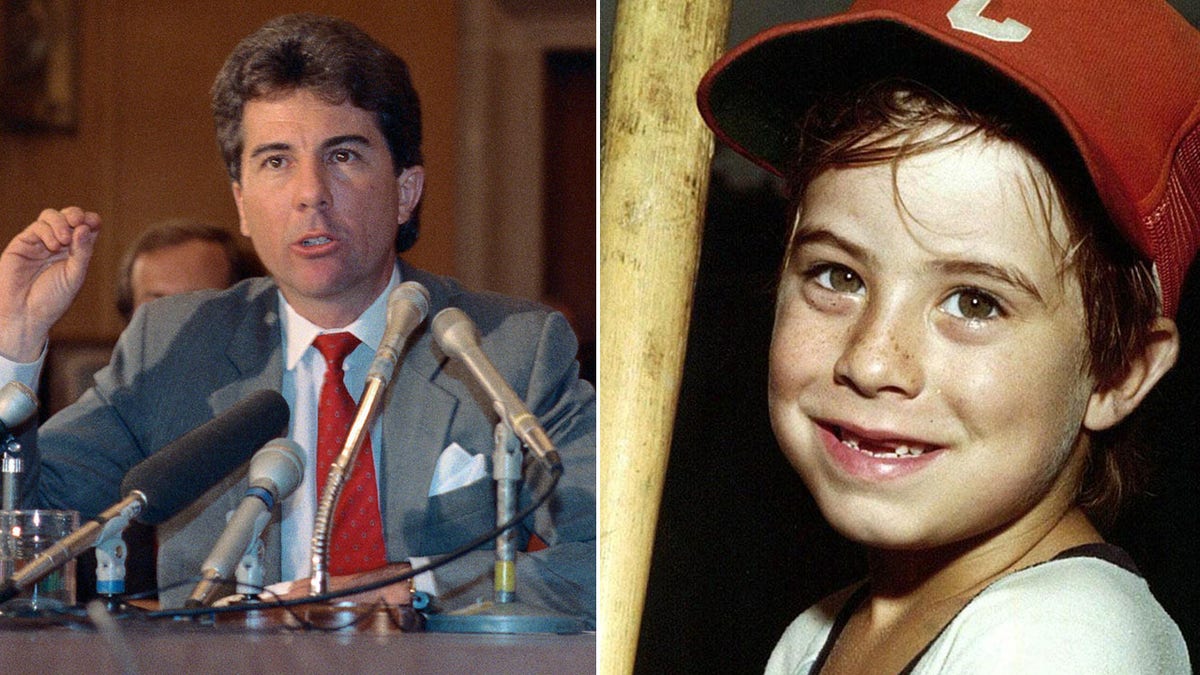
John and Revé Walsh have become prominent advocates for victims' rights.
John Walsh hosted "America's Most Wanted" from 1988 to 2013.
The couple founded the National Center for Missing & Exploited Children in 1984.
The Adam Walsh Child Protection and Safety Act, a federal law addressing sex offender registration and notification, was signed into law in 2006.
The family has continued to honor Adam's memory through their advocacy work.
The mission outlasted the investigation.
The legacy is not the file.
The legacy is the law.
The legacy is the center.
The legacy is the show that ran for twenty-five years.
But the record holds no future legal steps.
No pending motions.
No appeals.
The case is closed.
That part is not in dispute.
What remains is what the family built from the loss.
What remains is what they said they would do.
What remains is the work.
Advertisement
You may also like
A 1969 blood-scrawled word linked to Manson — but what did it really mean?
Inside the LaBianca home, the refrigerator door carried a word written in blood: "HEALTER SKELTER." It was a misspelling of "Helter Skelter." The words…
The 1959 plane crash that ended three rock legends' lives, and the pilot's decision that still haunts
The Beechcraft Bonanza lifted off from Mason City Municipal Airport at approximately 12:55 AM on February 3, 1959. Snow fell. The sky was overcast.…
The mother who traveled to identify her daughter's severed body — and the words she said
She took the train from Massachusetts. Phoebe Short had raised her daughter in Hyde Park, a town outside Boston, after her husband left the…
The tarot card with 'Call me God' — and what it did to the hunt
The card was found at one of the crime scenes, somewhere in the region that stretched across Washington, D.C., Maryland, and Virginia. The exact…
A traffic stop for a missing license plate, and the Oklahoma City bombing timeline takes a turn
9:02 a.m., April 19, 1995. A rented Ryder truck packed with ammonium nitrate and fuel oil exploded in front of the Alfred P. Murrah…
The Zodiac letter that carried a piece of Paul Stine's bloody shirt
The cab driver was 29 years old. He picked up a fare in the heart of San Francisco's Presidio Heights on October 11, 1969.…