The severed head found 120 miles away that forced a dental record check
The toy department was on the second floor of the Sears store at the Hollywood Mall.
On July 27, 1981, Revé Walsh left her six-year-old son, Adam, there while she walked to the lamp department nearby.
She was gone a short while.
When she came back, Adam was gone.
The search began immediately, inside the store and out, through the mall corridors and the parking lot.
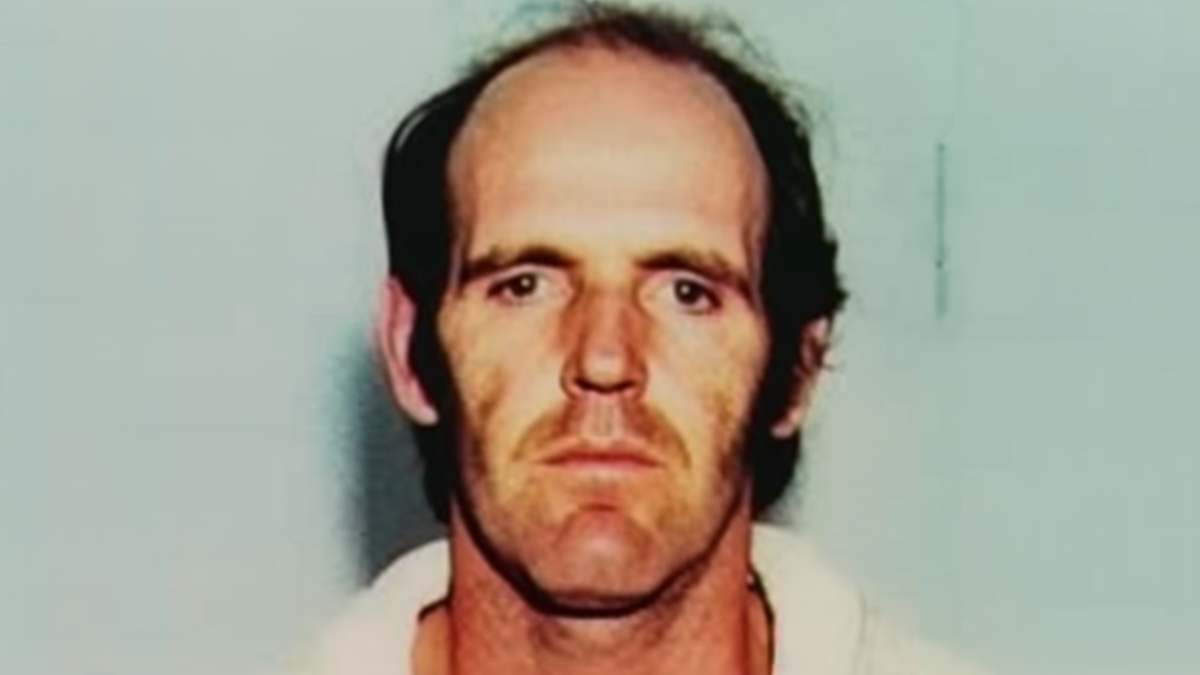
A security guard at the mall, Jeffrey Dahmer, was questioned.
He was later cleared.
What exactly happened in the toy department — whether anyone saw the abduction — is not in the record.
The moment is a void.
A mother looks up, and the child is not there.
No witness statement fills that space.
No store camera captured it, because the record does not say a camera did.
The search was massive, but it began with a question that had no answer.
Who took him?
That would require evidence.
The record holds the errand: the lamp department, the toy department, the return.
It holds the absence.
FOURTEEN DAYS, 120 MILES
Fourteen days passed between the disappearance and the discovery.
On August 10, 1981, a severed head was found in a drainage canal along the Florida Turnpike in Vero Beach.
That is about 120 miles from the mall where the boy vanished.
The head was identified as Adam Walsh's through dental records.
The rest of his body was never found.
The medical examiner who made the identification was Dr. Ronald Wright of the Broward County Medical Examiner's Office.
He compared the teeth against the child's dental chart.
The chart matched.
It is a grim mechanics: a head alone, a chart, a confirmation no parent should receive.
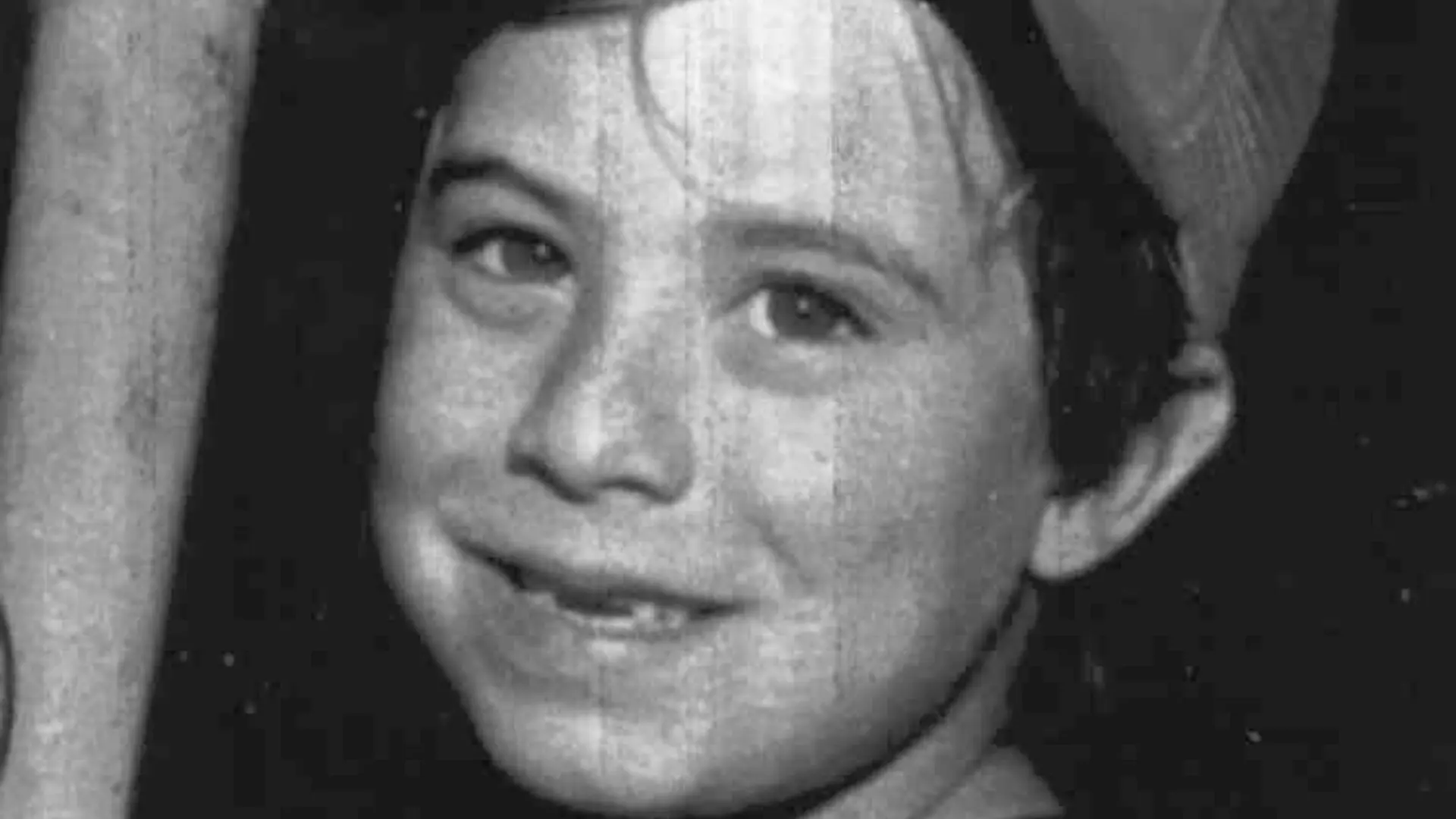
The lead detective in the early investigation was Jack Hoffman of the Hollywood Police Department.
He had worked the case from the start.
He would carry it for decades.
How the head came to be in that canal is not in the record.
What happened to the rest of the body is not in the record.
Neither question has an answer the documents can supply.
The canal held one fact.
The dental records held another.
Between them, they gave the family a name for what was found.
They did not give a cause, a manner, or a place.
They gave an identification.
That would require evidence.
THE CONFESSIONS
Two years passed before anyone in custody said Adam Walsh's name.
In 1983, Ottis Toole, already in prison in Florida for other crimes, began confessing to the murder. He gave detailed accounts, claiming he had abducted the boy from the mall, killed him, and disposed of the body.
He gave a route. He gave a method. He gave a place.
Then he gave it back. Toole recanted and re-confessed multiple times, and his statements were inconsistent.
Each version shifted a detail, a sequence, a location. Each version carried the same claim.
Investigators found no physical evidence linking Toole to the crime. No fiber. No fingerprint. No strand of hair. No trace of Adam Walsh in any place Toole named.
Toole was never charged with Adam Walsh's murder. He was already serving a life sentence for other crimes.
A confession from a life-sentenced man costs the state nothing. A trial would have cost it everything, and there was no case to put before a jury.
Whether Toole's confessions were true is not established. The record holds his words, and only his words.
Toole died in prison in 1996 of liver failure. He took whatever the truth was with him.
What remains is a shifting statement, a dead suspect, and a file that no court ever weighed. That would require evidence.
The confessions exist. The crime, on the record, does not have a confessed killer.
THE 2008 CLOSURE
In 1996, the Hollywood Police Department reopened the case.
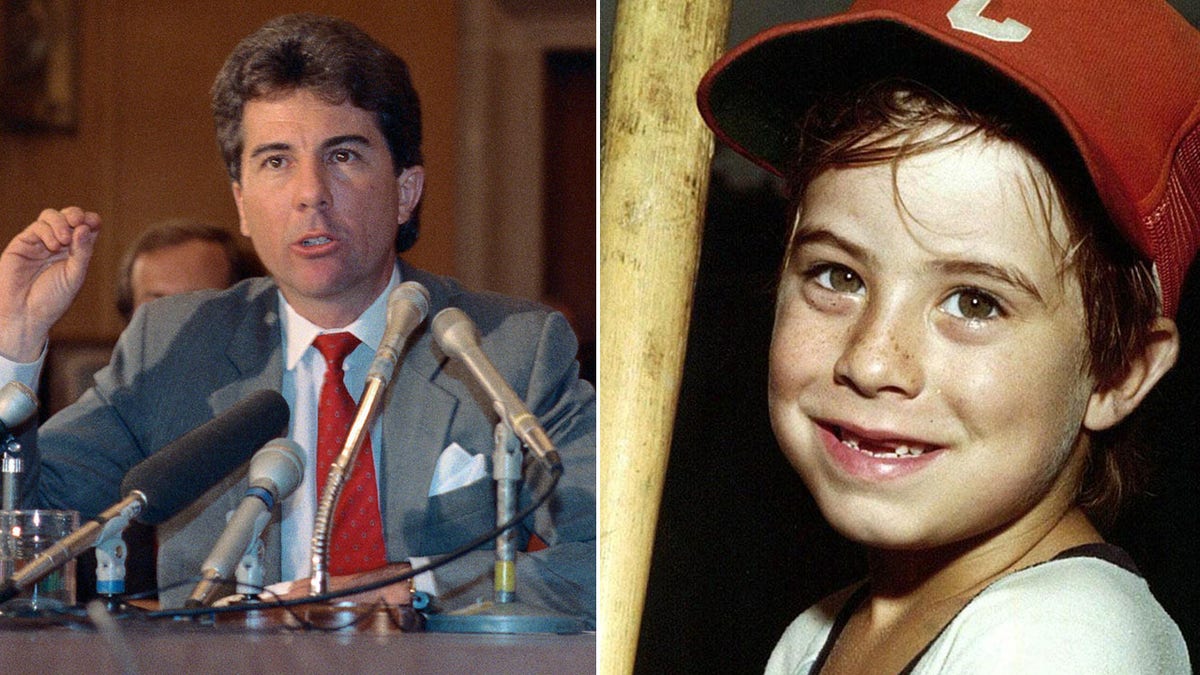
The lead detective, who had worked it from the start, concluded that Toole was the killer.
He based that on the confessions and circumstantial evidence.
Not on physical evidence.
Investigators had found none linking Toole to the crime.
The case was formally closed in 2008.
Hollywood’s police chief announced that Toole had acted alone.
That was a verdict without a trial.
No one else was ever charged.
Toole was never charged either.
He was already serving a life sentence for other murders when he confessed, and he died in prison in 1996.
The official position stands.
It is a closure on the record.
It is also a closure that some independent experts and the Walsh family questioned, noting the lack of physical evidence.
John Walsh initially accepted the police conclusion.
He later expressed skepticism about whether Toole acted alone.
Whether Toole acted alone is not established.
The record does not prove it.
The record does not disprove it either.
What the record shows is a confession that shifted, a suspect who recanted, and a file that no court ever weighed.
The case remains officially closed.
The questions remain open.
AND THE STORY STILL ISN'T OVER
The case remains officially closed.
No trial was ever held.
Ottis Toole was never charged with Adam Walsh's murder.
He died in prison in 1996, serving life for other crimes, and the file on Adam Walsh stayed open for twelve more years.
What happened to the rest of Adam Walsh's body is not in the record.
That is not a theory.
It is simply what the record does not establish.
John Walsh initially accepted the police conclusion.
He later expressed skepticism about whether Toole acted alone.
The doubt was not about the confession.
It was about the possibility of someone else in the car, someone else at the canal, someone else whose name never reached the file.
That would require evidence.
The Walsh family turned the grief into something else.
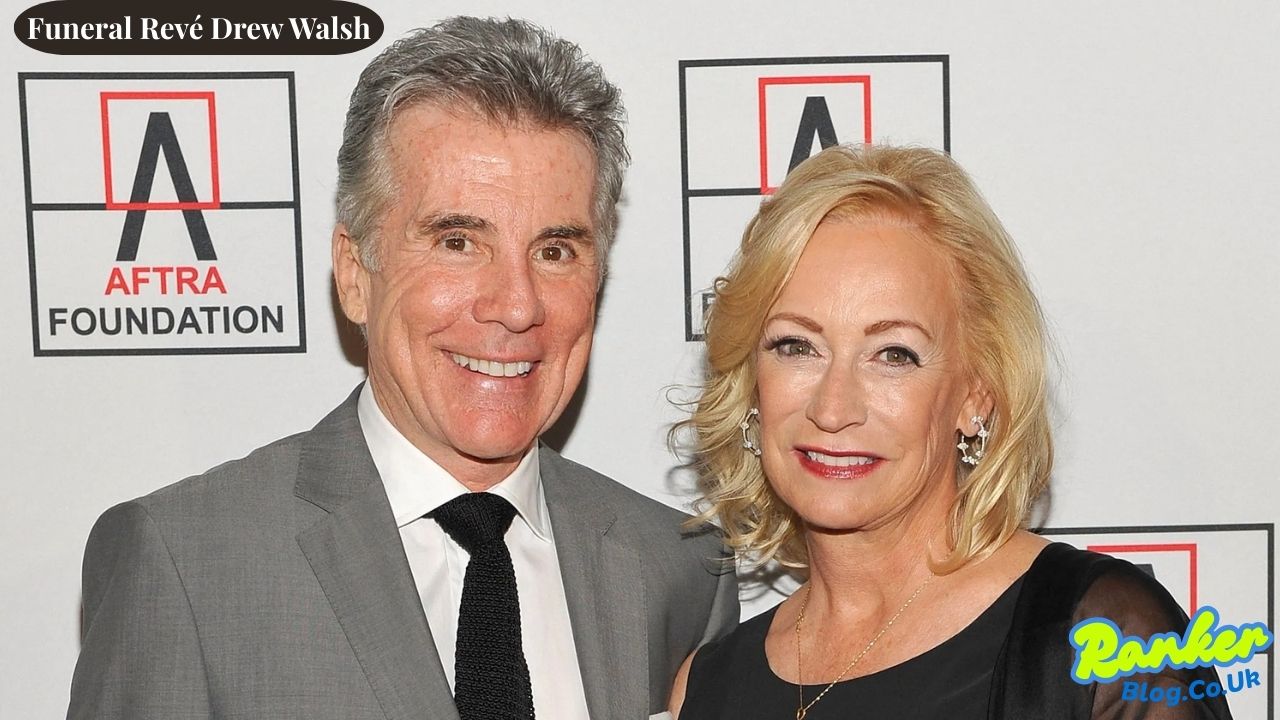
John and Revé Walsh became prominent advocates for victims' rights and missing persons.
John Walsh hosted "America's Most Wanted" from 1988 to 2013.
For twenty-five years, he asked the public to look.
To look at faces.
To look at suspects.
To look at the missing.
The show ended.
The case did not reopen.
Adam Walsh's head was found in a drainage canal 120 miles from the mall.
His body was never found.
The dental records identified him.
The rest of him remains unaccounted for.
Not because the case lacked attention.
But because the attention never produced a body.
The official position stands.
The questions remain.
A closed file.
A missing boy.
A family that kept working.
Advertisement
You may also like
The cell tower records that placed Adnan Syed near Leakin Park — and the defense that tore them apart
The note was found in Hae Min Lee's car, and it read "I'm going to kill." Prosecutors argued Adnan Syed wrote it. The defense…
The 2002 fishing trip that Scott Peterson said explained everything — and the boat anchor that didn't match
December 24, 2002, and Scott Peterson reports his eight-months-pregnant wife Laci missing from their Modesto home. He says he spent that morning fishing at…
The 3:15 a.m. attack that 38 neighbors reportedly heard — but the timeline has a hole
She was almost home. Catherine "Kitty" Genovese, 28, had walked from her job at Ev's 11th Hour Bar to her apartment building at 82-70…
The white Cadillac witness said he was inside — 27 years later, one man faces trial
A white Cadillac pulled alongside a BMW sedan on the Las Vegas Strip. It was September 7, 1996, and gunfire erupted. The BMW carried…
The phone call that made a friend dial police — and the interview that followed
The missed appointment was a doctor’s appointment, and the phone went unanswered. On August 13, 2018, in Frederick, Colorado, a friend called police to…
The smiley-face confession that made a sister call the police
The note was found in March 1995, near a woman's body in Oregon. It was handwritten, a confession. It was signed with a smiley…