The tarot card with 'Call me God' that misled the D.C. sniper hunt
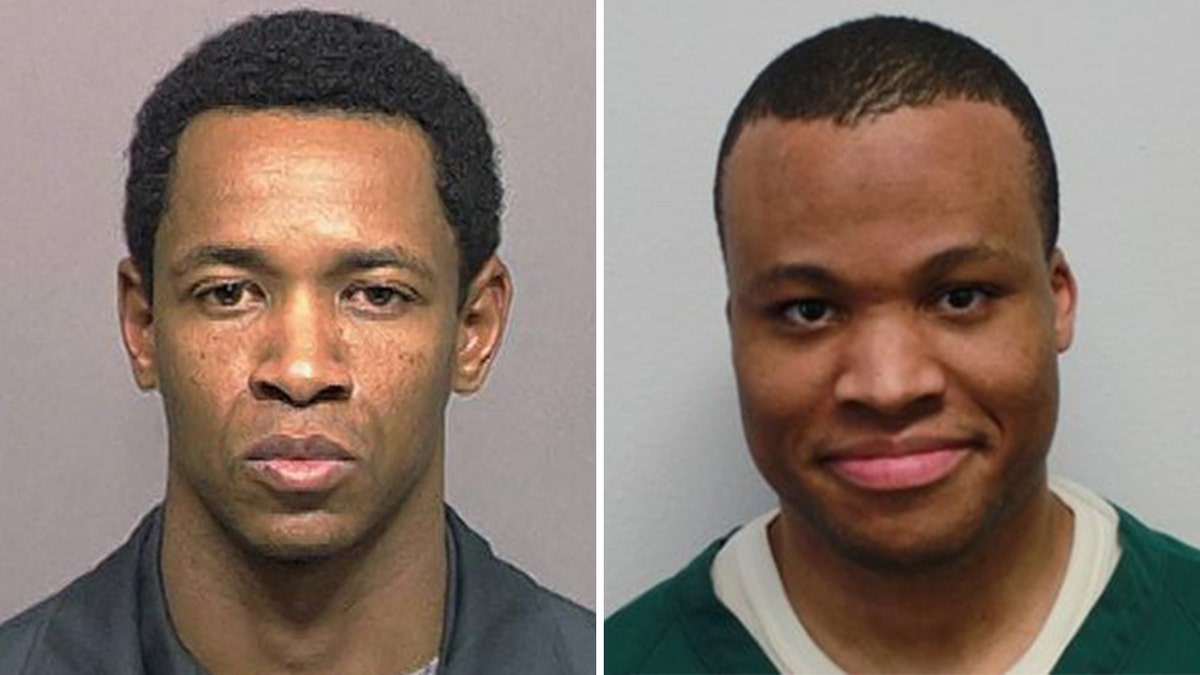
A tarot card lay at a shooting scene in Virginia, and on it someone had written the words "Call me God."
The card became a public focal point of the hunt.
It was not a reliable clue, according to the investigation summary.
What did the card mean?
Who left it there?
Why those words?
That would require evidence the record does not provide.
The card's author and its intent are not established by the record.
It is a detail that drew the eye.
It is also a detail that led the hunt astray.
Early in the investigation, police believed the shootings were linked to gang activity or drug trafficking, the investigation summary reported.
Not because they had proof of a gang.
But because the attacks seemed random, and random violence in that region fit an old pattern.
The shootings had begun on October 2, outside a grocery store in Wheaton, Maryland.
Victims were struck while pumping gas, walking in parking lots, sitting on a bench.
Ten people would die.
Three more would be wounded.
A task force formed across multiple jurisdictions, and Chief Charles Moose of the Montgomery County Police Department became its public face.
The card was a message, the public reasoned.
The card was a taunt, the coverage suggested.
The card was something to chase.
It was none of those things, according to the record.
It was a piece of cardboard with ink on it, found at a crime scene.
The investigation summary does not say who wrote it.
The investigation summary does not say why.
It says only that the card was found, and that it was not a reliable clue.
That is where the card sits: in the space between what the public wanted it to mean and what the case could prove.
The hunt moved on, chasing other shadows.
A white van would come next.
THE FALSE VAN
The first concrete lead the public got was a white van.
Police released a description of a white van as a suspect vehicle, according to the investigation summary.
It was a box van, they said. Maybe a Chevrolet. Maybe a Ford.
Tip lines lit up. Officers stopped white vans across three jurisdictions, pulled them over on highways, checked cargo bays and delivery schedules.
Every white van on the road became a suspect.
The lead proved to be false, the investigation summary states.
It diverted resources for days, pulling detectives away from the shell casings and the ballistics that would eventually matter.
The exact source of the white van tip is not in the record.
It is not established where the description came from or why investigators believed it.
What is established is the cost.
While the task force chased the van, the shootings continued.
Police also dismissed the possibility of two shooters, the investigation summary states, focusing on a single suspect.
One gunman, one vehicle, one motive.
That framework shaped the public briefings.
Chief Charles Moose of the Montgomery County Police Department became the public face of the investigation, standing before cameras each day with updates that withheld more than they revealed.
His briefings were criticized for holding back information.
But he was credited with coordinating the multi-agency task force.
The van was a shadow.
The single-suspect theory was another.
Neither matched what the evidence would later show.
The record does not say who first mentioned the van.
It only says the lead was wrong, and the hunt followed it anyway.
The white van rolled on through the news cycle, a clean image for a messy case.
The real vehicle was a 1990 Chevrolet Caprice sedan.
It was parked at a rest stop, and it was not white.
THE TURNING POINT
The shell casing came first.
It was recovered at one of the shooting scenes, and it led investigators to a rifle.
The rifle was a Bushmaster .223-caliber with a scope, the kind of weapon that leaves a signature.
The white van was still the public story. The casing was the private one.
On October 24, a truck driver reported seeing a Chevrolet Caprice parked at a rest stop near Myersville, Maryland.
Not a van. A 1990 sedan.
Police found the car and arrested John Allen Muhammad, 41, and Lee Boyd Malvo, 17.
They were sleeping.
Inside the car, officers found the Bushmaster rifle.
Ballistics later matched it to multiple shootings.
The hunt ended with a parked car and a sleeping pair.
The truck driver's identity is not in the record. The exact timing of the tip is not in the record either.
What the record does show: a casing, a rifle, a tip, an arrest.
The casing was evidence. The rifle was evidence. The arrest was the result.
The white van was a theory that cost days. The Caprice was a fact that ended them.
It is a relief to write that sentence. It is also the plain truth of the turning point.
TWO STORIES, ONE CASE
The prosecution told one story: two men acted together, a series of shootings that killed 10 and wounded 3.
The defense told another: Malvo was a 17-year-old Jamaican national who had traveled with Muhammad, and his attorneys argued for leniency.
Muhammad was tried first in Virginia, for the murder of one victim.
Malvo was tried separately, for the murder of another.
Muhammad was convicted and sentenced to death.
Malvo was convicted and sentenced to life without parole.
Two men, two trials, two sentences.
The record does not establish the specific arguments each defense team made.
It does not establish what either man said in his own defense.
It does not establish how the older man's influence weighed on the younger one's actions.
That would require evidence the case file does not contain.
What the record shows is the verdict: both were convicted.
The record shows the sentence: death for one, life for the other.
The age gap was real. The shared car was real. The rifle was real.
What the law did with those facts was separate.
One man faced execution. The other faced prison.
The tension between accountability and youth sat unresolved in the courtroom.
It remains unresolved in the record.
AND THE STORY STILL ISN'T OVER
Muhammad was executed by lethal injection on November 10, 2009.
Malvo’s conviction was upheld on appeal.
Then a federal court ruled in 2022 that his life sentence was unconstitutional for a juvenile.
He was resentenced to life without parole in 2023.
The case is closed in one courtroom.
It keeps opening in another.
Families of the victims have continued to speak publicly about the case.
Several have advocated for changes in gun laws.
The specific advocacy efforts of the families are not detailed in the record.
That would require evidence.
What remains is the pattern of the investigation itself.
The false van.
The dismissed second shooter.
The card that said "Call me God."
The record shows what misled.
It also shows what held.
The rifle in the car matched the shell casing.
The tip from the truck driver broke the case.
Not because of the card.
Not because of the van.
But because someone looked, and someone listened.
Muhammad is gone.
Malvo remains in prison.
The families still speak.
The investigation is studied.
It is a lesson in what a hunt can cost when it follows a story instead of the shell.
It is also a lesson in what a single casing can prove.
The tension between accountability and youth sat unresolved in the courtroom.
It remains unresolved in the record.
Advertisement
You may also like
The parking ticket that led police to Son of Sam's door
The ticket was for parking, issued near one of the attacks. It led officers to a car registered to David Berkowitz, a 24-year-old postal…
The 1999 drive home from Woodlawn High — and the ride request that still haunts the timeline
The ride request was made on a Wednesday. January 13, 1999, was the day Hae Min Lee, an 18-year-old senior at Woodlawn High School,…
The 911 call that started it, and the search that missed Caylee's remains for months
The 911 call came on July 15, 2008. Cindy Anthony told the dispatcher that her 22-year-old daughter, Casey Anthony, and her 2-year-old granddaughter, Caylee…
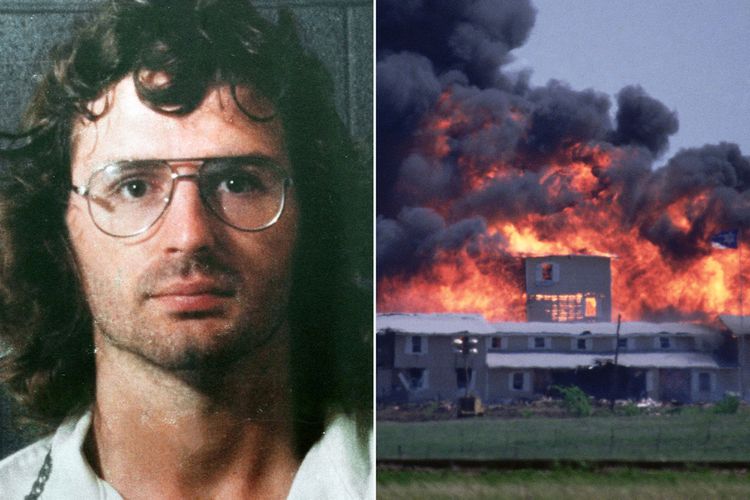
Why the FBI's tear gas assault on Waco preceded a fire that killed 76 — and who started it remains unknown
On April 19, 1993, FBI armored vehicles punched holes into the walls of the Mount Carmel Center compound near Waco, Texas, and inserted tear…
The desert graves that were found three years after a family vanished
The television was still on. Uneaten dinner sat on the table. The family dog was in the backyard. Both vehicles were still at the…
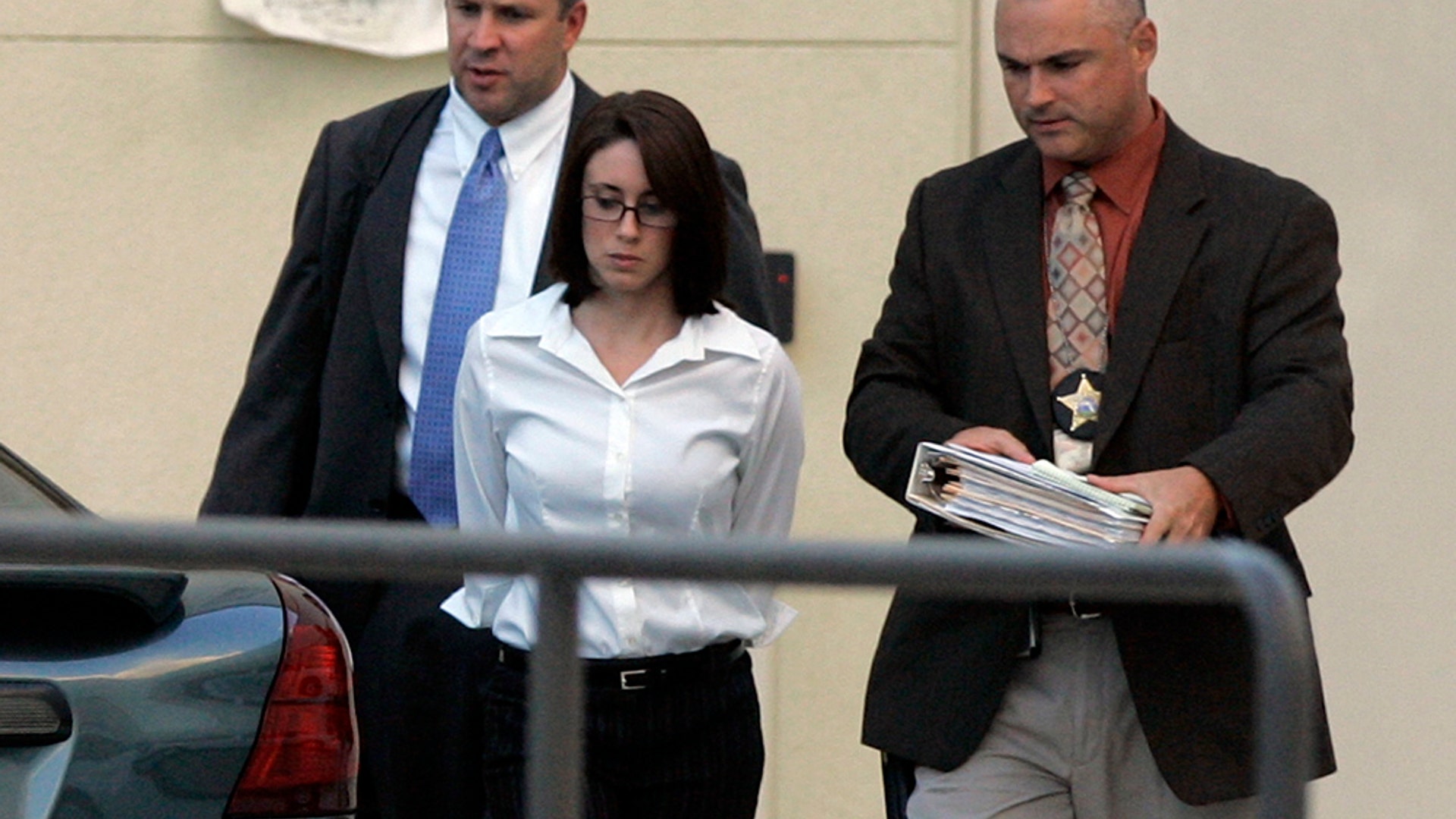
The false babysitter story that unraveled Casey Anthony's defense
She gave them a name. A babysitter named Zenaida Fernandez-Gonzalez, she told investigators, had taken her daughter. The name was repeated in news coverage.…