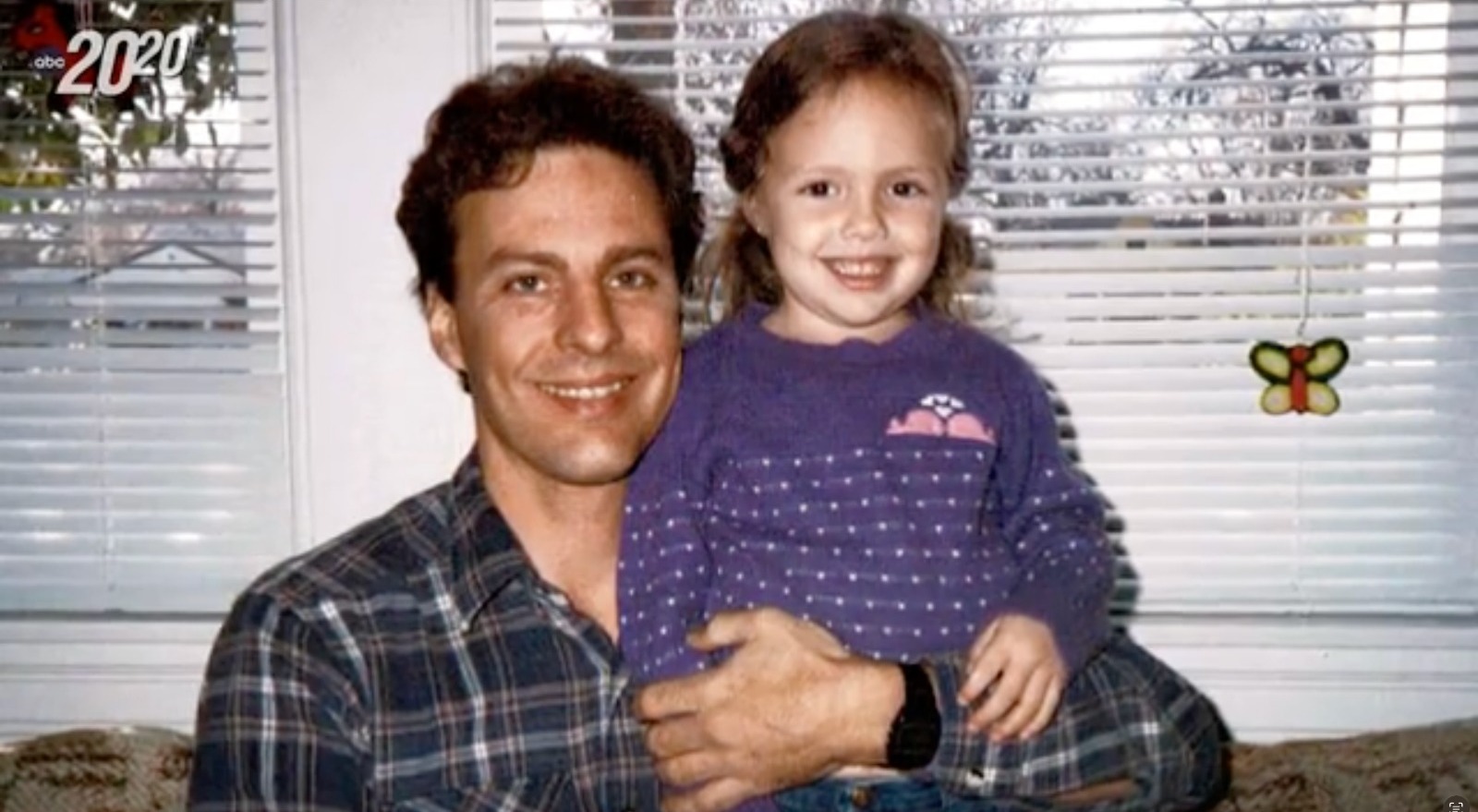
Twelve-year-old Polly Klaas was at a slumber party. Then a stranger came through the window.
The pillowcases came down over their heads in the dark.
It was 10:30 p.m. on October 1, 1993, in Petaluma, California.
Three girls were at a slumber party in the home of twelve-year-old Polly Hannah Klaas.
A stranger came through a window, according to the case record.
He tied up the three girls, and he placed pillowcases over their heads.
Then he fled.
He took Polly with him.
The two friends freed themselves.
They alerted Polly's mother, Eve Nichol, who was in another part of the house.
That is what the record shows.
What the record does not show is why he chose that house.
What the record does not show is who he was, beyond the man later charged.
Online theories circulate about the intruder's identity and motive.
Those are theories.
They are not established by the record.
The night was ordinary before the window opened.
It was a sleepover, the kind of night a seventh-grader plans for days.
Polly was bright and outgoing, according to the case record.
She was twelve.
She was on the ground below, and then she was gone.
THE SEARCH
The search began before dawn.
It started with neighbors, then spread through Petaluma, then across the country.
Hundreds of volunteers joined local police and the FBI within hours, according to the case record.
They combed the surrounding countryside, field by field, road by road.
Hundreds of tips poured in, each one a thread the investigators pulled.
The investigation became one of the largest in California history at the time, the case record states.
Polly's mother, Eve Nichol, stood before cameras and pleaded for her daughter's return.
Her father, Marc Klaas, did the same.
They became prominent public advocates during those weeks, according to the case record.
Their faces were on every news broadcast, their words carried by every reporter.
The community held its breath.
It was a collective hope, a collective desperation.
Every sighting was a possibility.
Every tip was a chance.
Specific details of the search strategy are not in the record.
Leads that did not pan out are not in the record either.
What remains is the image of a town that would not stop looking.
What remains is the weight of a family waiting.
What remains is the question no one could answer.
Where was Polly?
That would require evidence.
THE BREAK
The break came on November 30, 1993.
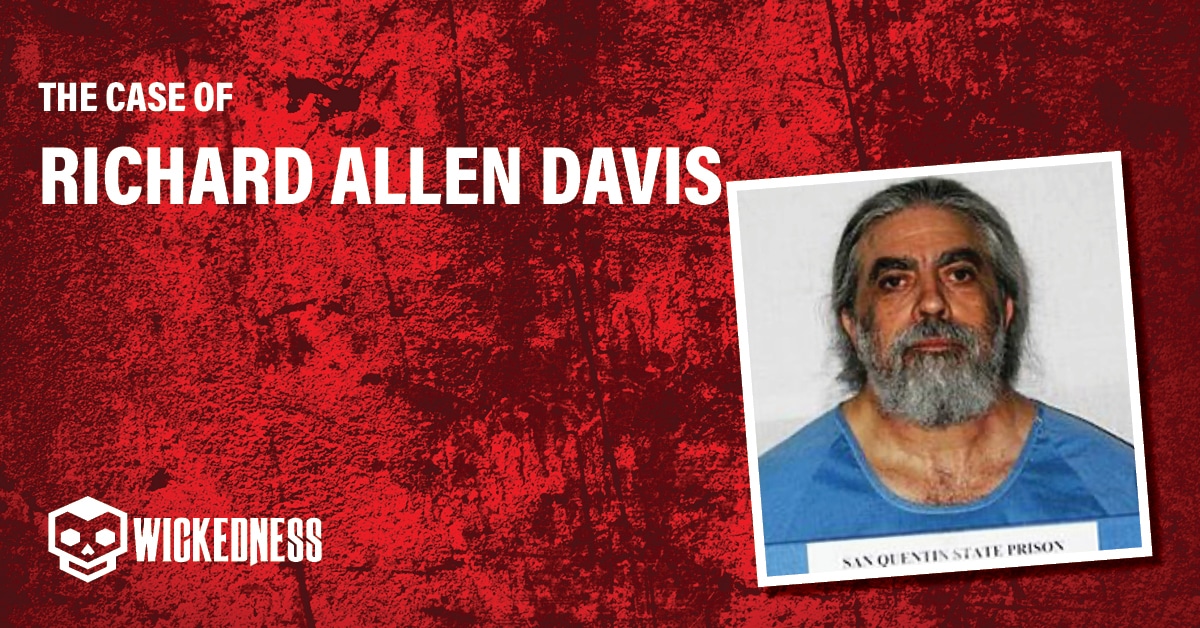
Richard Allen Davis was arrested on a parole violation after being spotted in a stolen car.
During questioning, he made incriminating statements.
That was the moment the search changed.
On December 4, Davis led authorities to Polly's body in a shallow grave near Cloverdale, about 80 miles from Petaluma.
She had been strangled.
She was on the ground below.
The record does not fully detail the exact timeline of Davis's movements between the kidnapping and his arrest.
What is documented is this: Davis was a parolee with a long criminal record, including prior kidnappings and assaults on women.
The forensic evidence tied him to the scene.
Fibers from Davis's clothing were found on Polly's body and in his car.
A ligature consistent with the bindings used on the girls was also recovered.
The two friends at the slumber party had described the bindings.
The evidence matched what they said.
The hope that Polly would be found alive ended in that wooded area near Cloverdale.
The volunteers had searched for weeks.
The FBI had joined within hours.
The tips had poured in by the hundreds.
What remained was a shallow grave.
Davis was charged with her kidnapping and murder.
He was not the stranger who came through the window that night.
He was the man who led authorities to where she was left.
THE TRIAL
The trial began in 1996, in Sonoma County Superior Court.
Richard Allen Davis was charged with first-degree murder with special circumstances.
The charges included kidnapping, burglary, and the use of a deadly weapon.
The prosecution presented evidence of Davis's prior crimes.
They presented his statements to police.
They presented the physical evidence linking him to the crime.
The defense argued that the evidence was circumstantial.
The defense argued that Davis had been coerced into confessing.
The jury convicted him on all counts.
Then came the penalty phase.
During that phase, Davis made a notorious outburst in court.
The record describes it as taunting the victim's family.
The specific content of the outburst is not quoted in the record.
It was only described as taunting.
It was widely reported.
The jury recommended the death penalty.
The judge sentenced Davis to death.
Davis remains on death row.
His appeals have been exhausted.
California has not carried out an execution since 2006.
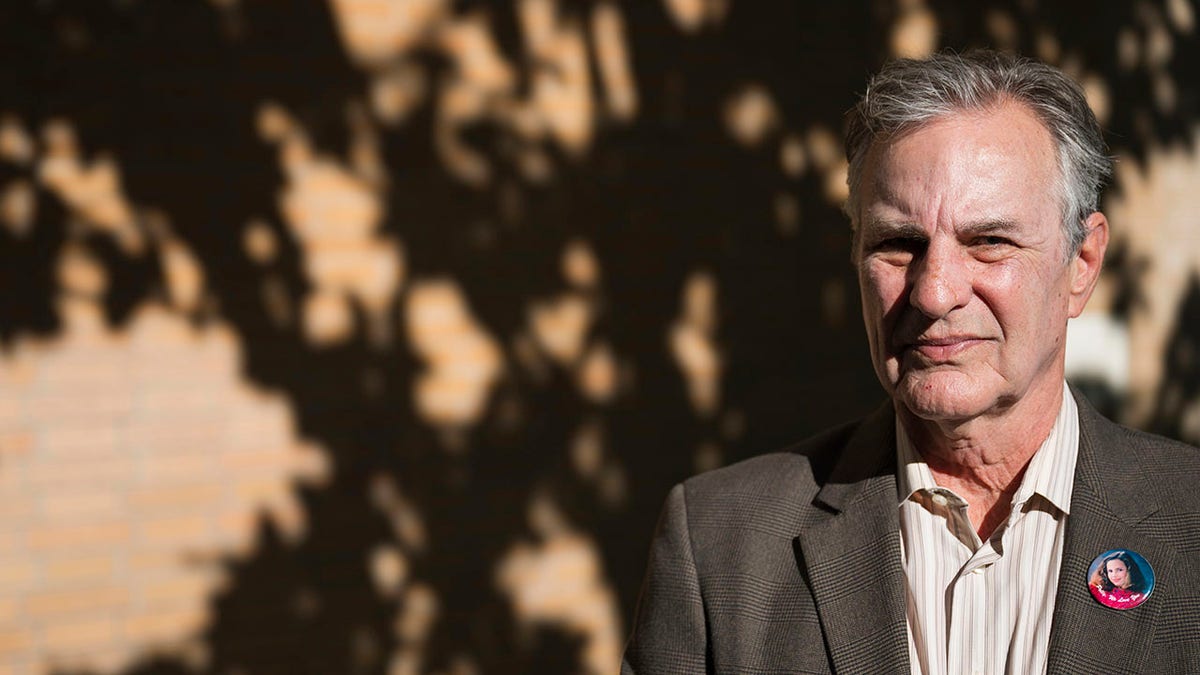
The victim's father has become a well-known advocate.
He founded a foundation for child safety.
The family has continued to honor her memory.
That is the documented record.
What Davis said in that courtroom is not in it.
What he would say now would require evidence.
AND THE STORY STILL ISN'T OVER
Richard Allen Davis remains on death row at San Quentin State Prison.
His appeals have been exhausted.
California has not carried out an execution since 2006, because of legal challenges to the death penalty.
What happens next is not in the record.
No pending motions, no specific legal steps.
That would require evidence.
Marc Klaas did not stop at the trial.
He founded the KlaasKids Foundation, which works on child safety and criminal justice reform.
He became a well-known victims' rights advocate.
He became a vocal critic of California's parole policies.
The case changed the law.
It led to significant changes in California's parole and "three strikes" laws.
Eve Nichol has largely stayed out of the public eye.
She has spoken occasionally about the case.
The two friends from the slumber party grew up unnamed in the record.
The family continued.
They honored Polly's memory through advocacy.
They honored it through charitable work.
It is a legacy built from a loss.
It is also a legacy that outlasted the trial.
The story is not over because the punishment has not been carried out.
It is not over because the family still speaks.
It is not over because the laws still bear the mark of that night.
What remains is a father who turned grief into a foundation.
A mother who chose silence, mostly.
A man on death row who has been waiting for decades.
The record does not say when that wait ends.
The record does not say if it ever will.
That is where the documented record stops.
Advertisement
You may also like
The eighth birthday that ended in a flash — and the parents who still speak
The finish line was still decorated with balloons when the first bomb went off. April 15, 2013, Patriots' Day in Boston, a public celebration…
The love letters that made a choir singer's affair the talk of 1920s New Jersey
The letters were under the crabapple tree, next to the bodies. On September 14, 1922, the bodies of Reverend Edward Wheeler Hall and Mrs.…
The $5,800 in rotting cash found by a boy — and the hijacker who vanished with the rest
The money came apart in his hands. Brian Ingram was eight years old in 1980, playing along the Columbia River near Vancouver, Washington, when…
The eyeglasses found near a 14-year-old's body that led to two students
The hinge was the thing. A pair of eyeglasses found near the body of 14-year-old Robert "Bobby" Franks. The glasses had a unique hinge…
The 14-year-old stepdaughter whose 2005 report started the Epstein inquiry
In 2005, a mother in Palm Beach called the police about her 14-year-old stepdaughter. She said an older girl had recruited the teenager to…
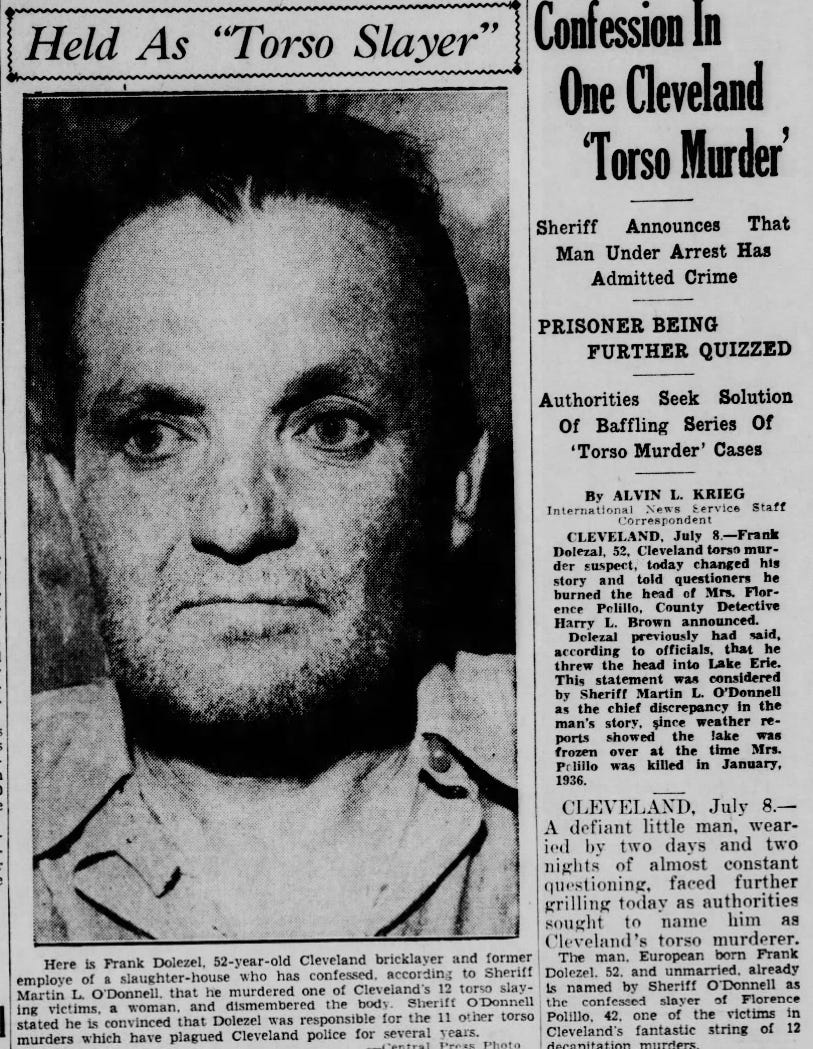
The fisherman's 1935 discovery that opened a three-year hunt for a killer who left no name
The fisherman reached down and pulled up what he first thought was a broken mannequin. It was a torso, male, headless and legless, dumped…