The eighth birthday that ended in a flash — and the parents who still speak
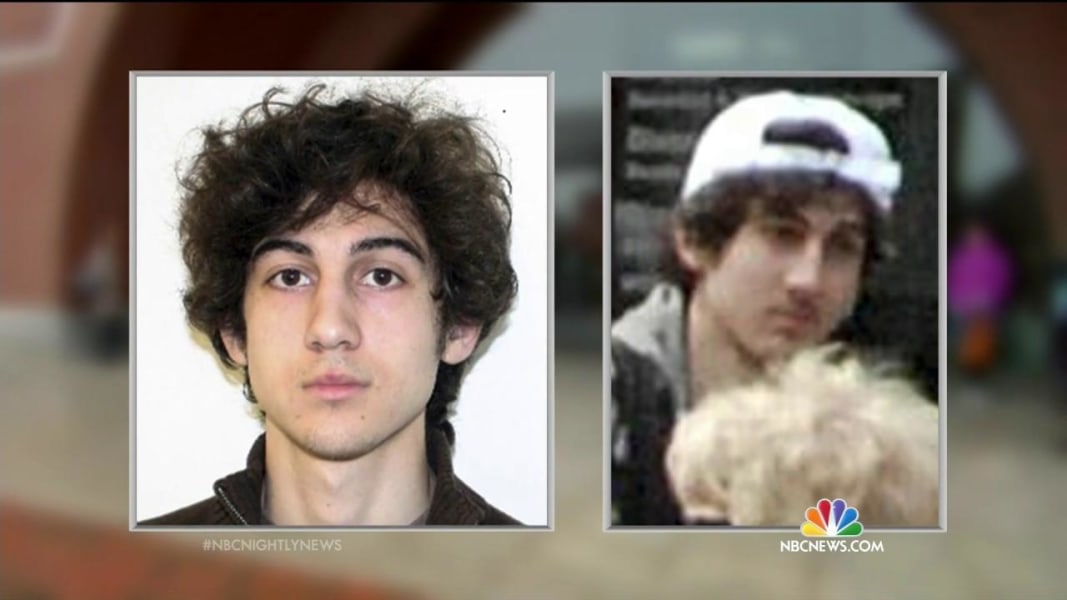
The finish line was still decorated with balloons when the first bomb went off.
April 15, 2013, Patriots' Day in Boston, a public celebration of runners and crowds.
Two pressure-cooker bombs, packed with shrapnel, placed in backpacks and detonated remotely, exploded near the finish line on Boylston Street.
The case summary states the facts plainly: three people were killed, more than 260 were injured.
Krystle Campbell, a restaurant manager.
Lu Lingzi, a graduate student at Boston University.
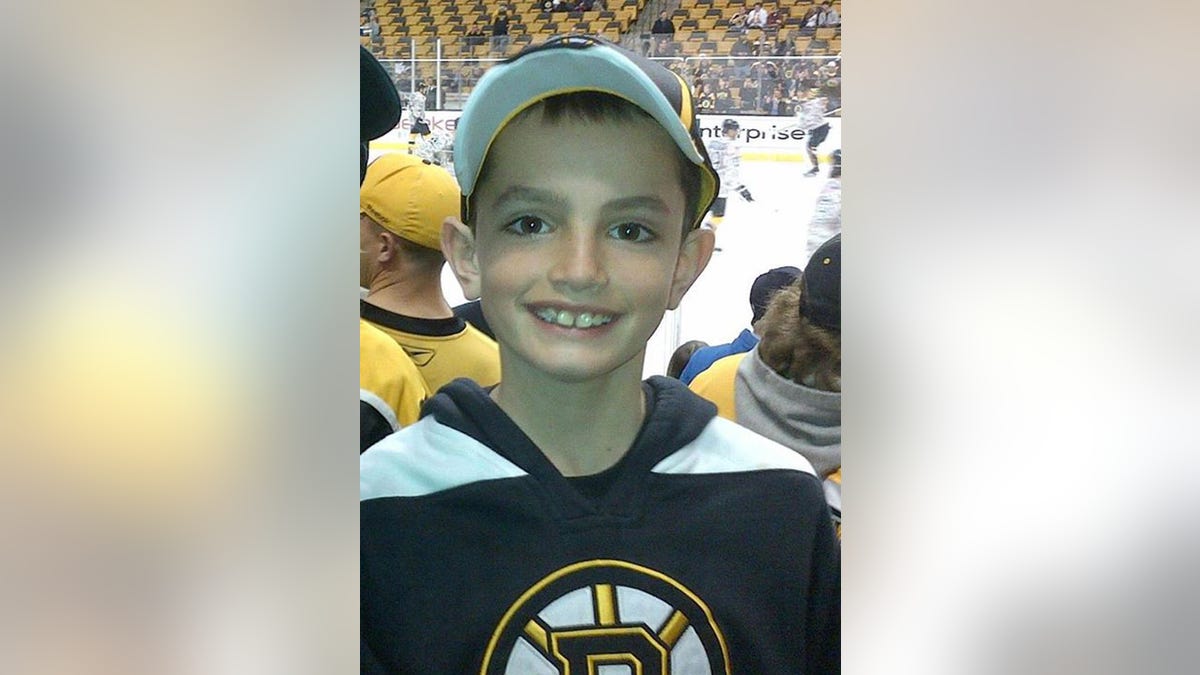
Martin Richard, an 8-year-old boy.
His younger sister, Jane, lost a leg in the attack, according to the case summary.
A photo of Martin at the finish line has circulated widely online.
The source does not mention any specific viral image or online theory about him.
It states only the facts of his death and his family's later public role.
Who was this boy?
What did his family say afterward?
What remains of a child's birthday at a marathon?
The record does not establish the story behind any particular photograph.
It establishes the date, the place, the device, and the names.
Martin's parents, Bill and Denise Richard, became prominent public voices for the victims.
That is in the case summary.
That is a choice they made public.
She was an 8-year-old's sister on the ground below the chaos.
THE BOMBS AND THE MANHUNT
The bombs were in backpacks, detonated remotely near the finish line.
April 15, 2013: two pressure-cooker bombs exploded on Boylston Street.
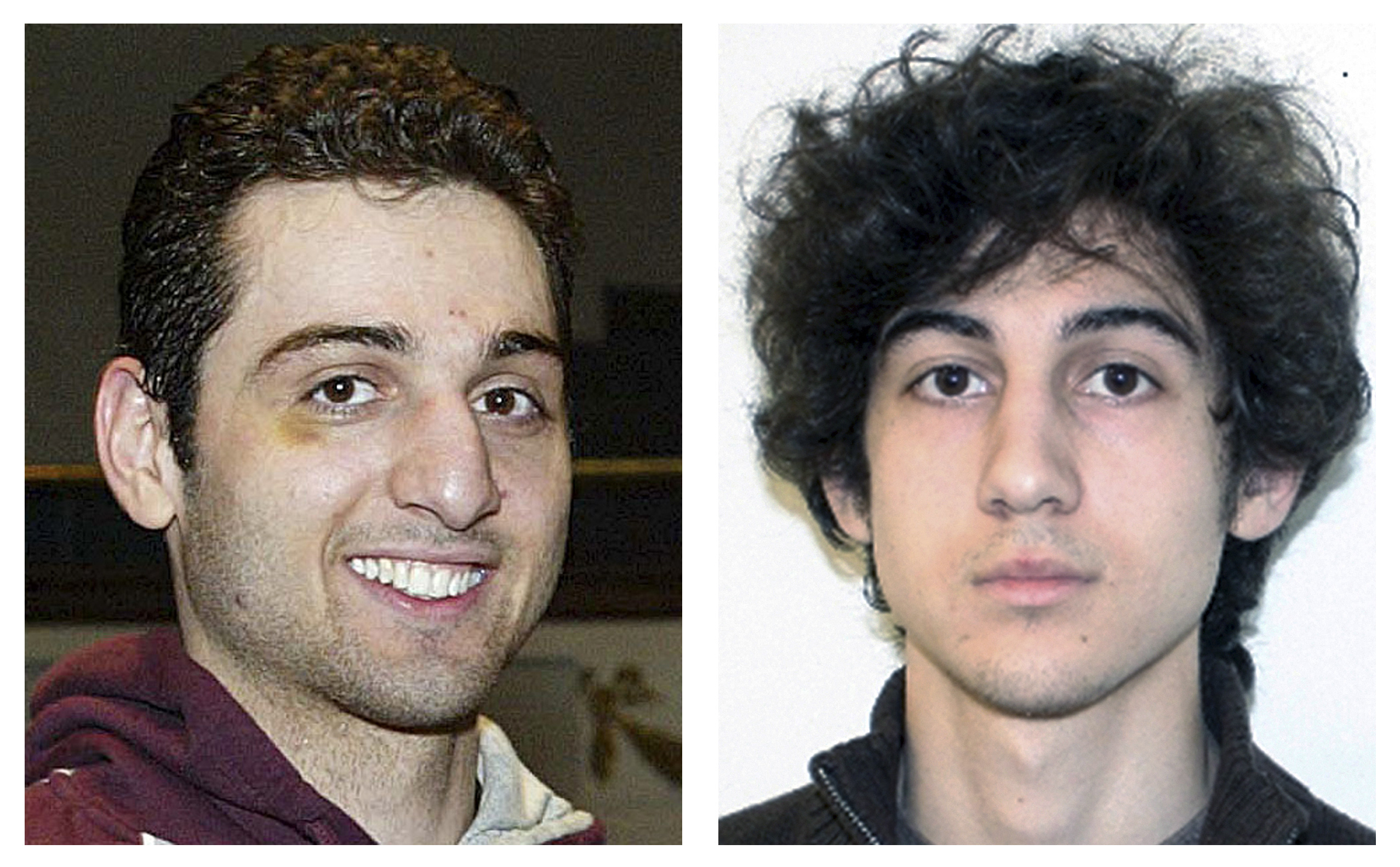
Three people were killed. More than 260 were injured.
That is in the case summary.
The city waited three days before the manhunt turned inward.
On April 18, the two suspects allegedly shot and killed Sean Collier, an MIT police officer.
They allegedly carjacked a vehicle that same evening.
The carjacking victim, widely reported as Dun Meng, escaped.
He later testified at trial.
The FBI released images of the two suspects on April 18.
Tips from the public helped identify them.
That night, the suburbs went dark with sirens.
Early on April 19, one suspect was killed in a shootout in Watertown.
The other was captured later that day, found hiding in a boat in a backyard.
The source does not specify the exact time of the explosions.
It does not specify the sequence of events on April 19 beyond the shootout and the capture.
What is documented: the lockdown, the search, the boat.
What remains open: how the brothers moved between the bombing and the shootout.
Three days passed between the finish line and the boat.
The city shut down. The streets emptied.
One suspect dead. One suspect alive in custody.
The record holds the outline, not every hour.
THE TRIAL
The trial began in January 2015.
Dzhokhar Tsarnaev faced 30 federal counts, including conspiracy and use of a weapon of mass destruction resulting in death.

The lead prosecutor was Carmen Ortiz, the U.S. Attorney for Massachusetts.
His defense attorney was Judy Clarke.
The defense did not dispute that Dzhokhar placed the bombs.
Not because the act was in question.
But because the argument was about influence — the defense argued that Tamerlan, the elder brother, was the mastermind.
The prosecution sought the death penalty.
The defense argued for life in prison.
In April 2015, the jury convicted him on all 30 counts.
The verdict was unanimous.
The case then moved to the penalty phase, where the same jury would decide his fate.
They heard about the three people killed.
They heard about the more than 260 injured.
They heard about the 8-year-old boy at the finish line.
The jury recommended the death penalty.
The trial judge formally sentenced him to death in June 2015.
The judge's name is not in the record used here.
Neither is the name of the forensic pathologist who testified about the autopsies.
The record holds the verdict, not every name in the courtroom.
The defense appealed.
The conviction stood.
The sentence would not.
That comes later.
For now, the legal process had spoken.

A man was convicted.
A man was sentenced.
The moral tension remained unresolved — the prosecution's quest for death, the defense's portrait of a younger brother under an older one's sway.
The record does not settle which was true.
It settles only what the jury decided.
THE PARENTS' VOICE
Bill and Denise Richard became the public voice of the families the bombs touched.
Not revenge. Not silence.
In 2015, they wrote a widely published op-ed arguing against the death penalty for their son's killer.
They said it would prolong the pain.
The source does not state that they forgave Dzhokhar Tsarnaev.
It reports only their opposition to the death penalty.
It reports their foundation's work.
The Martin Richard Foundation, named for their son, runs community and youth programs.
It is a way of keeping an eight-year-old's name attached to something other than a finish line.
The prosecution argued Dzhokhar was equally responsible.
The defense argued Tamerlan was the mastermind.
The jury decided.
The parents chose something else.
They chose to speak against the state's pursuit of death.
They chose to say the killing should stop with their son.
Was that forgiveness?
The record does not say.
Was that a moral stand?
That would require evidence.
What the record shows is a family that took a private loss and made it a public argument.
What the record shows is a foundation that turns grief into grants and programs.
The contrast is stark.
The prosecutor sought death.
The parents sought an end to the cycle.
The source does not reconcile those positions.
It simply reports both.
How does a family channel such loss into advocacy?
That is a question the record leaves open.
The op-ed is a fact.
The foundation is a fact.
The forgiveness is not.
AND THE STORY STILL ISN'T OVER
The sentence stands as the legal record of the case: Dzhokhar Tsarnaev remains on federal death row.
His appeals continue.
The source does not specify the next concrete legal step or hearing date; it only says appeals continue.
In 2020, a federal appeals court overturned the death sentence, citing insufficient jury screening, but upheld the convictions.
In 2022, the U.S. Supreme Court reinstated the death sentence.
The convictions stand.
The punishment was returned.
The case summary reports that the bombing site has been memorialized with permanent markers.

Sean Collier's name is honored at MIT and in memorials.
The Martin Richard Foundation continues its work on community and youth programs.
It is a fact that the foundation exists.
It is a fact that it works.
It is a fact that Bill and Denise Richard remain public voices.
What the record does not establish is what comes next.
Not because the story ended.
But because it keeps moving.
A court ruled.
A court reversed.
A court reinstated.
That would require evidence.
She was on the ground below.
No.
The ground was Boylston Street, and the boy was eight.
The appeals continue.
The family's voice remains part of the ongoing story.
The op-ed is a fact.
The foundation is a fact.
The forgiveness is not.
The legal aftermath is unresolved.
The emotional aftermath is unresolved.
That is where the story stands.
Advertisement
You may also like
Three weeks, ten deaths: the 2002 sniper spree that terrorized DC
October 2, 2002, a Thursday, and a man walked out of a grocery store in Wheaton, Maryland. He was 55 years old. He was…
The D.C. intern whose remains surfaced in Rock Creek Park a year after she vanished
The dog found the bones first. On May 22, 2002, a man walking his dog in Rock Creek Park, a large urban park in…
The dying gangster who told police 'nobody shot me' — and the question it left
The garage door stood open on the morning of February 14, 1929. Inside, at approximately 10:30 a.m., seven men lay dead against a brick…
The kennel video recorded on Paul Murdaugh's phone — and the voice detectives say they heard
The phone was in Paul Murdaugh's pocket. It recorded video at the dog kennels on the evening of June 7, 2021. Paul was 22.…
The false confession that sent two innocent people to prison for Taunja Bennett's murder
A postcard arrived at the Oregonian newspaper, signed with a single smiley face. It was a taunt, not a confession. The smiley face became…

The bloody glove on Bundy Drive that matched a glove at O.J. Simpson’s estate
A white Akita was found wandering the neighborhood with blood on its paws on the night of June 12, 1994. The dog led a…