The 14-year-old stepdaughter whose 2005 report started the Epstein inquiry
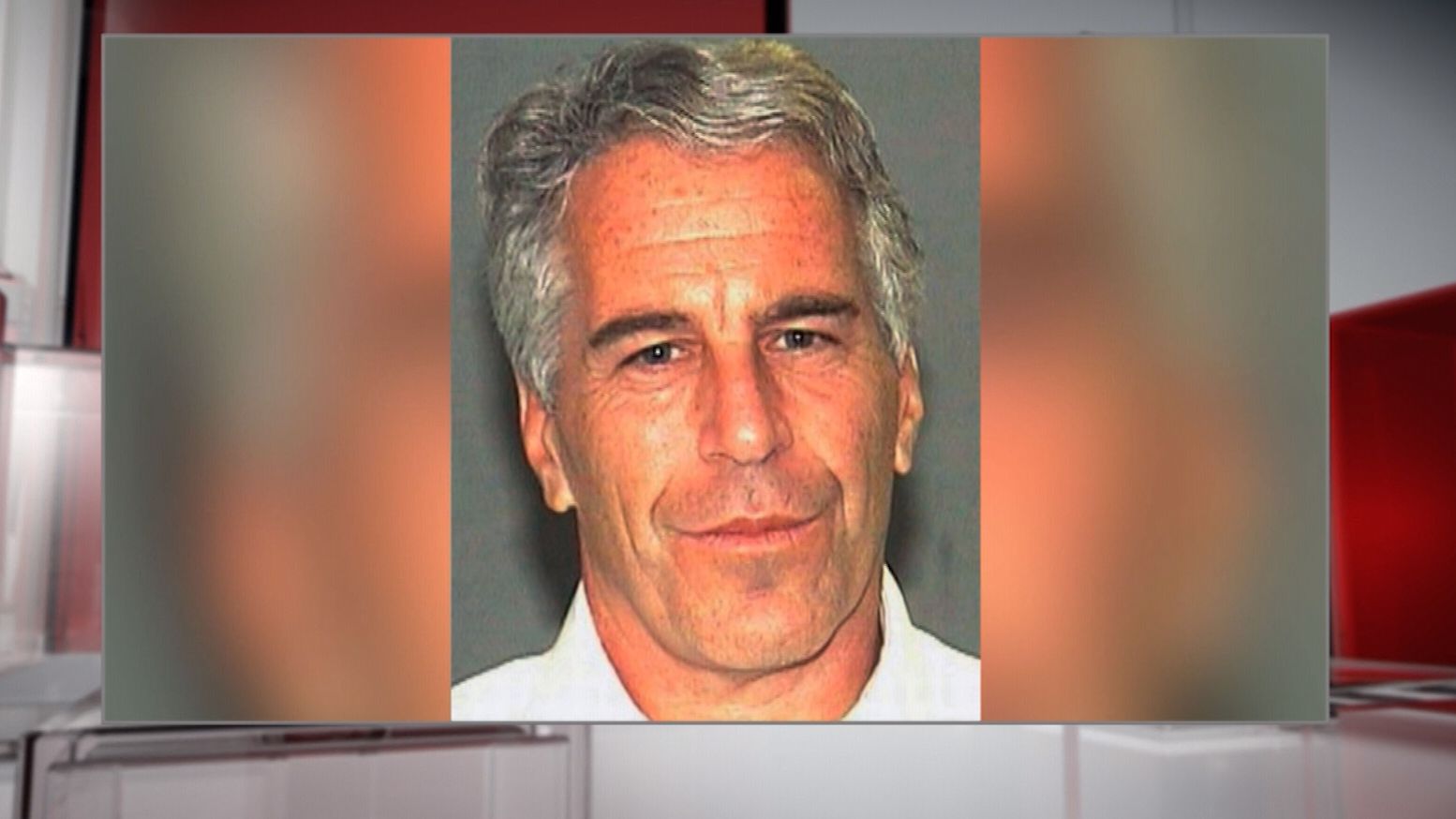
In 2005, a mother in Palm Beach called the police about her 14-year-old stepdaughter.
She said an older girl had recruited the teenager to visit a wealthy man's mansion.
The massages, she told them, turned sexual.
The report went to the Palm Beach Police Department.
Not to federal authorities. Not to the FBI.
Just a local call, a local file, a local detective assigned to look into it.
The stepdaughter's name is not in the record.
Her life before that phone call is not in the record.
What she wore, what she said, what she felt — none of it is in the record.
She exists in the source material only by her role and her age.
A 14-year-old stepdaughter.
That single report is where everything begins.
The inquiry, the plea deal, the federal charges, the convictions, the headlines — all of it traces back to one mother's decision to call.
Not a theory.
Not a conspiracy.
A mother, a phone, a report.
The weight of that ordinary act is the whole story's hinge.
What happened next, and who was this girl?
The record does not say who she was.
It says only what she reported, and what a detective did about it.
THE INVESTIGATION
The lead detective in Palm Beach took the report and began gathering testimony from other underage victims.
The record does not name him.
He collected statements, one after another, from girls who described the same pattern of recruitment and abuse.
The Palm Beach Police Department led the inquiry.
Not federal authorities.
Not a task force.
A local detective, building a case from the ground up, with the testimony of minors as the foundation.
The FBI became involved.
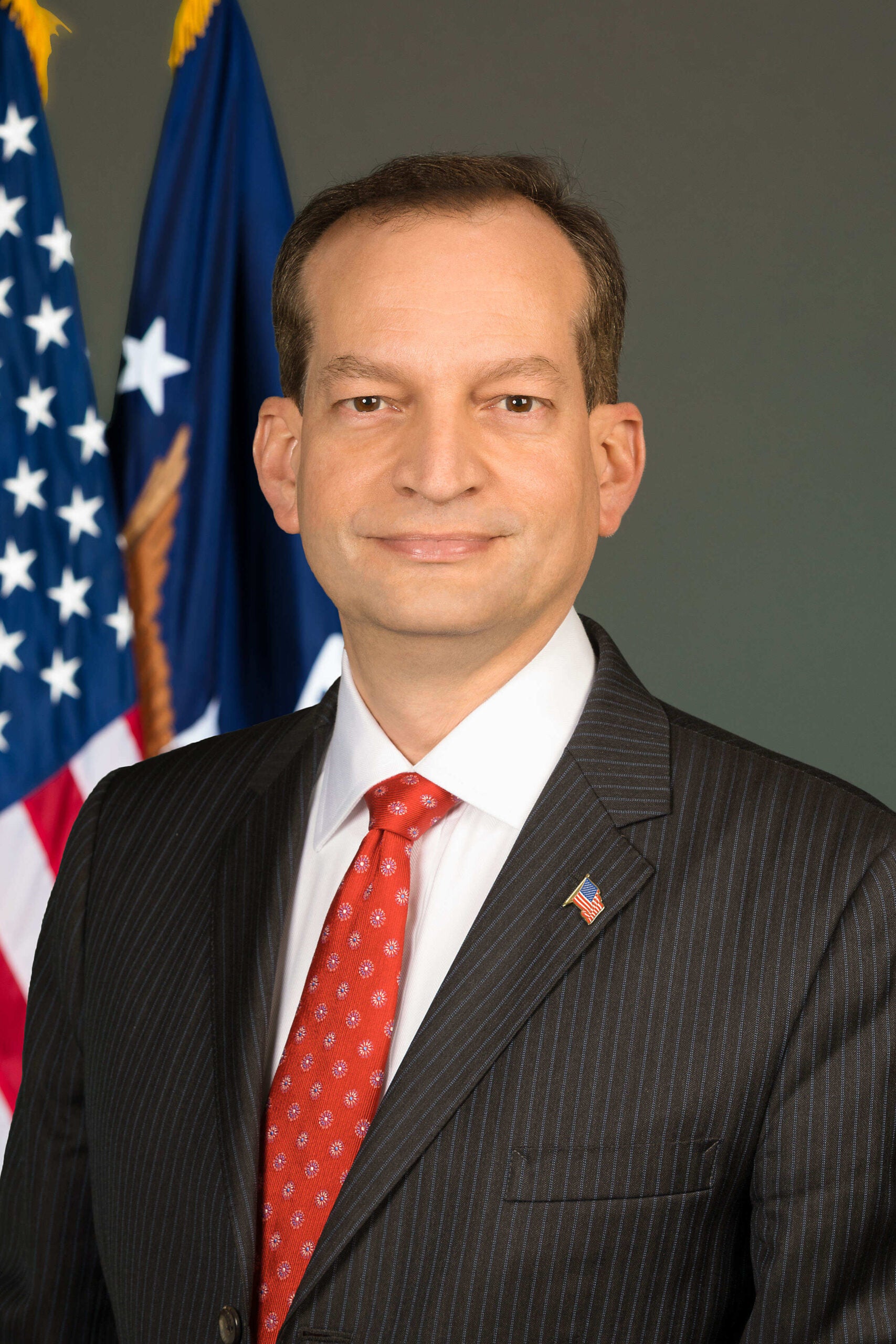
The case was referred to the U.S. Attorney’s Office in Miami, then led by Alexander Acosta.
In 2007, prosecutors reached a non-prosecution agreement with Epstein.
The agreement was later criticized as overly lenient.
What did it mean for the girls who had testified?
What did it mean for the stepdaughter whose report started everything?
The record does not say.
What the record does say: Epstein pleaded guilty in 2008 to two state charges — soliciting a minor for prostitution and procuring a person under 18 for prostitution.
He was sentenced to 18 months in county jail.
He was released after about 13 months, with extensive work release privileges.
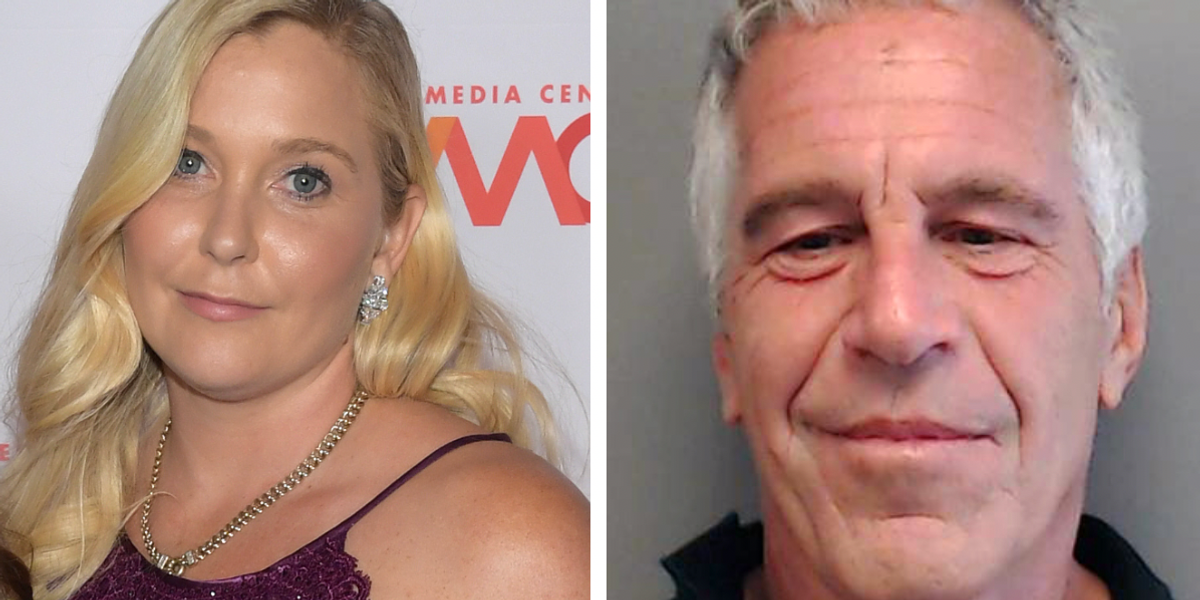
That is the documented outcome.
A plea, a sentence, a release.
The machinery of justice moved slowly.
It moved, and then it stopped.
THE TWO STORIES
There were two stories told about the same case.
The prosecution's story: Epstein sexually abused underage girls, recruited through older girls, and the deal that let him avoid federal charges was secret and overly lenient.
The defense's story: Epstein's attorney represented him in the Florida case, and the plea agreement was a negotiated resolution — not an admission of the broader allegations.
The defense's full arguments are not detailed in the source material.
Only this is established: Epstein was represented, and he pleaded guilty to state charges.
In 2018, the Miami Herald published an investigation by journalist Julie K. Brown.
It detailed the scope of the abuse and the secret plea deal.
It prompted renewed scrutiny.
In 2019, federal prosecutors in New York charged Epstein with sex trafficking of minors.
They alleged he abused dozens of girls between 2002 and 2005.
The two stories were not equal in weight.
One was a legal outcome.
The other was a pattern documented across years, testimony, and records.
The negotiated deal resolved a case.
The allegations described a system.
Which story would the record support?
Which story would the courts accept?
That would require a trial.
No trial came.
THE VIRAL CLAIM
A theory circulates online: Epstein’s associates, his clients, the institutions that hosted him — all part of a larger conspiracy.
That theory is not established by the record.
What the record does establish is narrower and documented.
Flight logs, witness testimony, and financial records were evidence in the 2019 federal case.
The private jet, often called the “Lolita Express” in media coverage, appears in those logs.
It is part of the documented travel record.
It is not a proven crime scene.
The 2019 charges were sex trafficking of minors and conspiracy.
Those charges never went to trial.
Epstein died by suicide on August 10, 2019, in his Manhattan jail cell.
The prosecution ended with him.
In 2024, a judge ruled the 2007 non-prosecution agreement had violated the Crime Victims’ Rights Act.
The finding had no practical effect.
He was already dead.
What remains is the gap.
The record proves the abuse alleged — the testimony gathered, the plea entered, the charges filed.
It does not prove the wider web the theories imagine.
Any claim about Epstein’s associates beyond the named individuals — Maxwell, Giuffre — is not established.
That would require evidence.
That evidence did not come to trial.
The victims’ families are left with what is documented, not what is speculated.
The stepdaughter’s mother made her report in 2005.
That report launched the inquiry.
It did not launch a conspiracy.
It launched a case that ended unfinished.
AND THE STORY STILL ISN'T OVER
Epstein’s death ended the federal prosecution.
His estate faced civil lawsuits from victims, including Virginia Giuffre, who settled with the estate in 2022.
Ghislaine Maxwell was tried in 2021, convicted of five counts including sex trafficking of a minor and conspiracy, and sentenced to 20 years in prison.
Virginia Giuffre and her mother have spoken publicly about the abuse.
They have spoken about the family’s struggle for accountability.
Not because the case is closed.
Because it is not.
The case prompted broader investigations into Epstein’s associates and the institutions that enabled him.
Those investigations continue.
What comes next?
What hearing?
What motion?
What date?
That would require evidence.
The record does not establish any specific upcoming court date.
It establishes only that the work is not finished.
The victims’ voices remain.
Virginia Giuffre’s voice remains.
Her mother’s voice remains.
They are the ones who started this.
A mother reported.
A stepdaughter spoke.
The inquiry began.
It ended unfinished.
But the telling did not end.
And the story still is not over.
Advertisement
You may also like
The D.C. intern whose remains surfaced in Rock Creek Park a year after she vanished
The dog found the bones first. On May 22, 2002, a man walking his dog in Rock Creek Park, a large urban park in…
The dying gangster who told police 'nobody shot me' — and the question it left
The garage door stood open on the morning of February 14, 1929. Inside, at approximately 10:30 a.m., seven men lay dead against a brick…
The kennel video recorded on Paul Murdaugh's phone — and the voice detectives say they heard
The phone was in Paul Murdaugh's pocket. It recorded video at the dog kennels on the evening of June 7, 2021. Paul was 22.…
The false confession that sent two innocent people to prison for Taunja Bennett's murder
A postcard arrived at the Oregonian newspaper, signed with a single smiley face. It was a taunt, not a confession. The smiley face became…

The bloody glove on Bundy Drive that matched a glove at O.J. Simpson’s estate
A white Akita was found wandering the neighborhood with blood on its paws on the night of June 12, 1994. The dog led a…
43 died in 5 days — who ordered the troops that changed Detroit forever?
The raid came in the earliest hours of Sunday, July 23, 1967. Police officers from the Detroit Police Department's 10th Precinct moved on an…