Two backpacks, 12 seconds apart — the Boston Marathon bombs that changed a city
The first bomb detonated at 2:49 p.m. on April 15, 2013, near the finish line of the Boston Marathon on Boylston Street.
Seconds later, a second bomb exploded.
The record describes the gap only as "seconds later"; the exact number is not specified.
The bombs were pressure cookers packed with shrapnel, hidden inside backpacks.
The blasts killed three people and injured more than 260 others.
A public celebration turned to chaos in an instant.
The FBI took over the investigation within hours of the attack.
That is where the documented record begins.
Not with a motive. Not with a confession.
With two backpacks, left on a sidewalk, and the moment they were opened.
The shrapnel was the point — nails, ball bearings, metal fragments designed to tear through a crowd.
The first explosion brought people running toward it, the way people do.
The second explosion found them there.
Three dead: a woman from Medford, a graduate student, an eight-year-old boy.
More than 260 injured, some losing limbs on the pavement.
The images from that afternoon are seared into the city's memory, but the images are not the full story.
The full story is what the investigation would piece together from surveillance footage, from witnesses, from a tip.
What the record establishes is the sequence: the bombs, the shrapnel, the backpacks.
What the record does not establish is the precise count of seconds between the blasts.
That detail remains unmeasured, described only as "seconds later."
The horror was sudden. The understanding would take much longer.
THE IMAGES
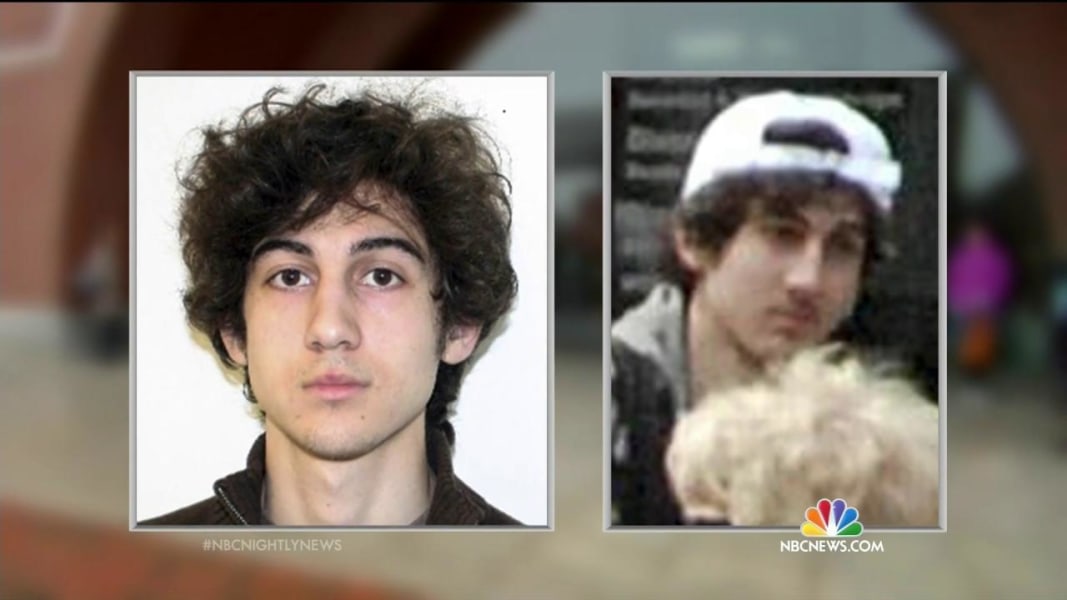
On April 18, the FBI released images of two suspects from surveillance footage.
The footage came from department stores and a nearby restaurant, according to the source.
The specific stores or restaurant that provided the footage are not named in the source.
That detail remains unmeasured, described only as surveillance footage from department stores and a nearby restaurant.
The images gave the city faces.
Two faces, side by side, captured on video.
The suspects were identified through video analysis, witness accounts, and a tip from a college friend of Dzhokhar's who recognized him in the released photos.
The tip came from a friend who saw the photos and knew the face.

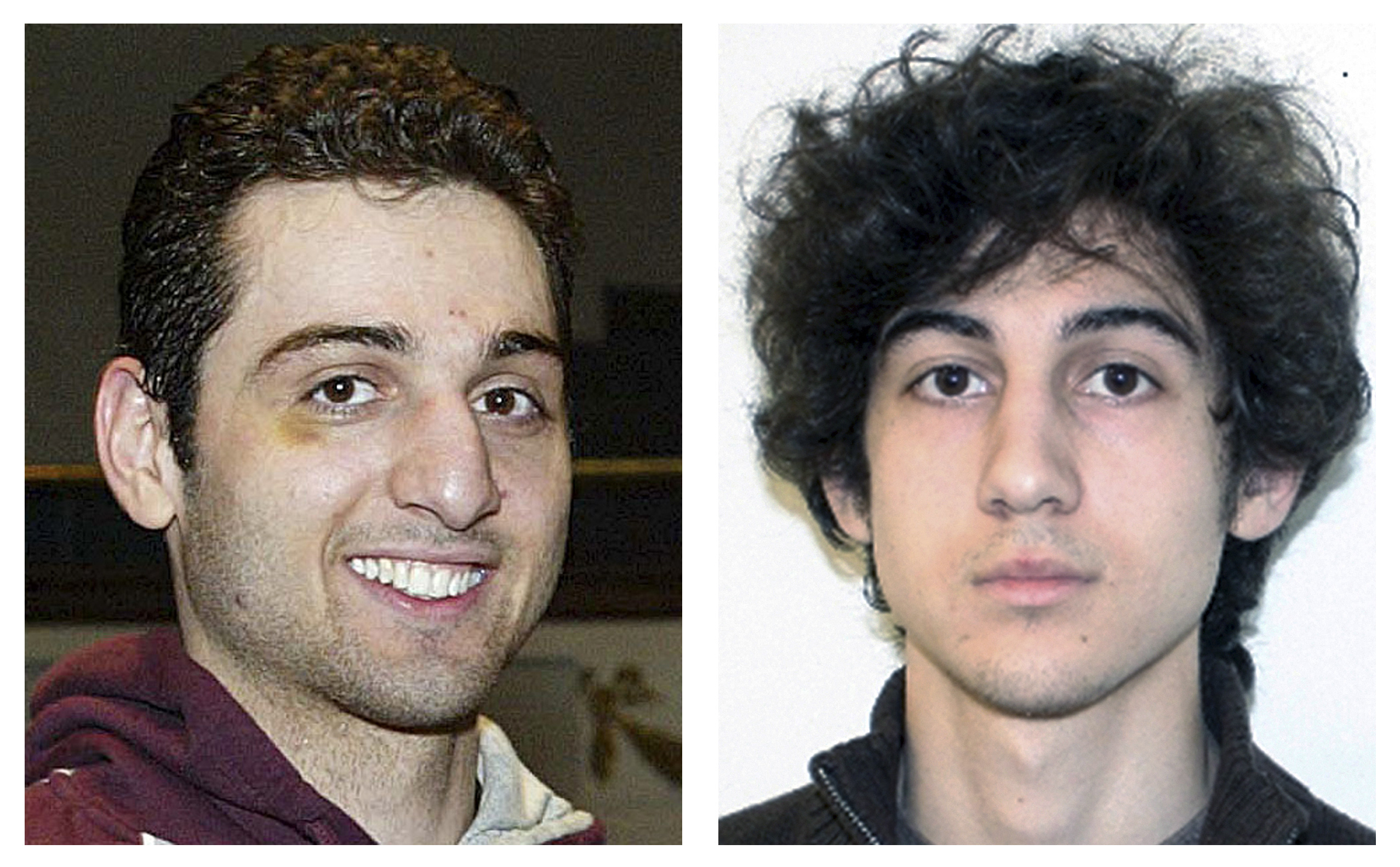
The two suspects were brothers: Tamerlan Tsarnaev, 26, and Dzhokhar Tsarnaev, 19.
Tamerlan was the older brother.
Dzhokhar was the younger.
The city began to look for someone.
Not for a bomb.
For two men.
The images were the shift from anonymous tragedy to a hunt with faces.
The horror was sudden.
The understanding would take much longer.
Now there were names to attach to the images.
Now there were faces to search for.
THE MANHUNT
The manhunt began in the early hours of April 19.
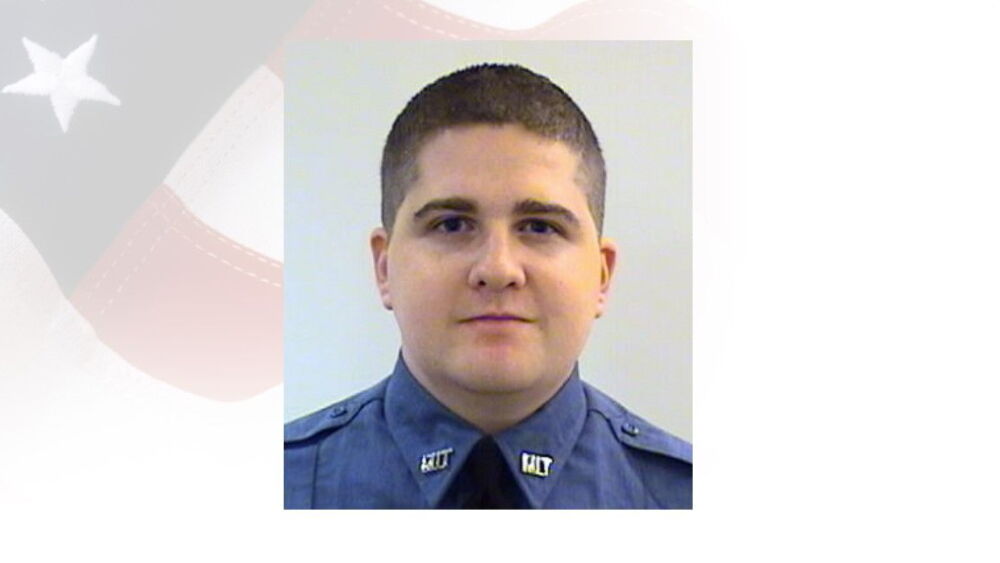
A Massachusetts Institute of Technology police officer, Sean Collier, 26, was fatally shot, and authorities linked the shooting to the bombing suspects.
A massive manhunt shut down the Boston area.
The suspects carjacked a Mercedes SUV during the manhunt, according to the source.
Authorities traced the suspects to Watertown.
A gunfight erupted there.
Tamerlan was wounded and later died.
Dzhokhar escaped.
He was found hiding in a boat in a residential yard.
Evidence at the scene included the boat's bloodstains and a written message by Dzhokhar.
The content of that written message is not detailed in the source.
The FBI recovered the pressure-cooker lid from one bomb and other forensic evidence.
The city was locked down.
Streets were empty.
Homes were searched.
It was a hunt without a confirmed end.
Then a homeowner saw blood on his boat.
He looked inside.

Dzhokhar was there.
He was captured later that day.
The relief was immediate.
The horror was not finished.
One suspect was dead.
One was in custody.
The pressure-cooker lid tied the evidence back to Boylston Street.
The boat held the last trace of the flight.
The record does not say what the message meant.
That would require evidence.
THE TRIAL
Dzhokhar Tsarnaev was charged with 30 federal counts, including use of a weapon of mass destruction resulting in death and conspiracy.
The trial judge presided over the proceedings; the source identifies the role only.
Prosecutors sought the death penalty.
The defense, led by Judy Clarke, argued that Dzhokhar was influenced by his older brother.
In April 2015, a federal jury convicted him on all 30 counts.
In May 2015, the jury sentenced him to death.
The sentence was formally imposed by the trial judge.
It was a verdict. It was also a beginning.
In 2020, a federal appeals court overturned the death sentence, citing insufficient jury screening.
In 2022, the U.S. Supreme Court reinstated the death sentence.
The sentence shifted. The conviction did not.
The appeals continue.
The record does not establish the judge's name in this editorial account.
The legal process took years. It still moves.
AND THE STORY STILL ISN'T OVER
He is at a federal supermax prison in Florence, Colorado.
The appeals continue.
A federal appeals court overturned the death sentence in 2020, citing insufficient jury screening. The U.S. Supreme Court reinstated it in 2022. The record does not establish the next hearing date or motion; it states only that the appeals continue.
The Richard family established the Martin Richard Foundation in memory of their son.
The Boston Marathon runs every April. The security is heavier now. A memorial to the victims stands near the finish line.
Sean Collier's name was added to the National Law Enforcement Officers Memorial.
The bombs are in the past. The aftermath is not.
The legal process took years. It still moves. The city remembers on its own schedule. That is not a theory. That is the record.
Advertisement
You may also like
A traffic stop for a missing license plate, and the Oklahoma City bombing timeline takes a turn
9:02 a.m., April 19, 1995. A rented Ryder truck packed with ammonium nitrate and fuel oil exploded in front of the Alfred P. Murrah…
The Zodiac letter that carried a piece of Paul Stine's bloody shirt
The cab driver was 29 years old. He picked up a fare in the heart of San Francisco's Presidio Heights on October 11, 1969.…
The 12:10 a.m. dog-walk discovery that turned a Brentwood street into a media siege
She was just walking her dog. It was approximately 12:10 a.m. on June 12, 1994, and the neighbor was out on Bundy Drive in…
The Green River Killer's truck painter confession that left detectives with 49 names
He painted trucks for a living, a trade that kept his hands steady and his cover plain. Gary Leon Ridgway was a truck painter…
The phone card call that cracked the DC Sniper case — and the white van that led police astray
A tip came from a phone card. A caller used it, and the call led police to a witness who had seen the Chevrolet…
The Missing Christmas Eve Walk That Split a Family
She was twenty-seven years old and eight months pregnant. Laci Peterson went for a walk with her dog on Christmas Eve, 2002, from her…