The undercover agent's warning about David Koresh that was ignored before Waco
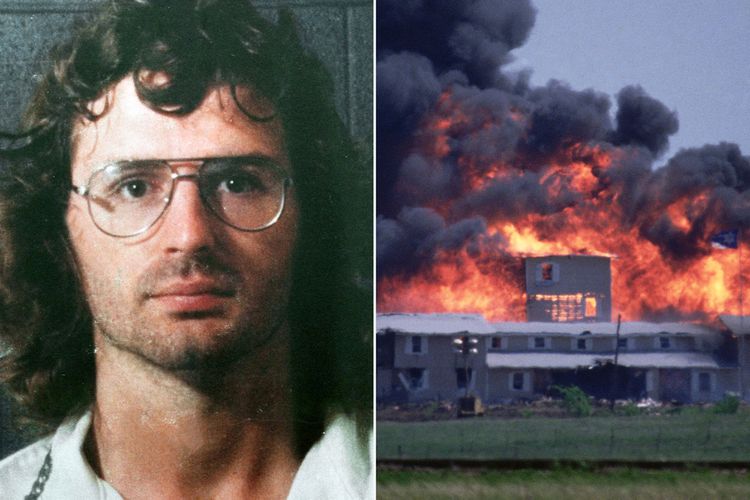
The undercover agent's report carried one fact: David Koresh knew the raid was coming.
That report is in the record, documented, not a rumor and not a theory.
The agent is named in the case file, but the file does not record his exact words.
The warning is described only as a report — that is all the record establishes.
The raid was set for February 28, 1993, at the Mount Carmel Center ranch near Waco, Texas.
The agents of the Bureau of Alcohol, Tobacco, and Firearms carried a search and arrest warrant.
They meant to enter the home of the Branch Davidian sect and take its leader.
David Koresh, born Vernon Wayne Howell, led that sect from the ranch.
The agent reported that Koresh knew.
The warning was not heeded.
Why was it not heeded?
Was it dismissed as a leak, a guess, a provocation?
Was it read and set aside?
That would require evidence, and the record does not say.
The record says only that the warning came and the raid went forward.
The morning of February 28 began with agents moving on the compound.
It ended with gunfire, four ATF agents dead, six Branch Davidians dead.
A 51-day standoff followed, then a fire, then 76 deaths.
The agent's report sits in the record, a warning that did not stop what it warned about.
It is a documented fact.
It is also a question with no answer in the file.
THE LEADER
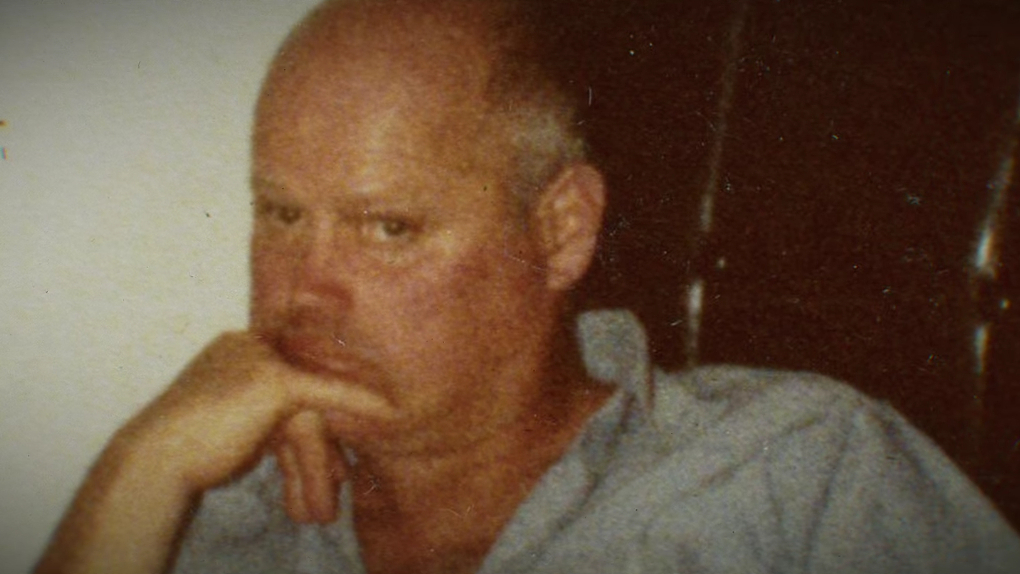
The man at the center of the siege called himself David Koresh.
He was born Vernon Wayne Howell.
Koresh was the leader of the Branch Davidians, a religious sect based at the Mount Carmel Center ranch near Waco, Texas.
The ATF alleged the group was stockpiling illegal weapons, including fully automatic firearms and grenades.
That allegation is what brought the agents to the ranch on February 28, 1993.
Koresh was the central figure in the standoff that followed.
He was killed in the fire on April 19, 1993.
His wife, Rachel, and many of his followers also died that day.
What kind of man leads a sect into a 51-day standoff with the FBI?
What did his followers see in him?
What did the government see that made it send agents with a warrant?
The record does not say much about Koresh's life before the siege.
His personal background is not in the file.
It is a gap in the story, a silence where a biography should be.
The record shows only what he became: the leader, the target, the man who knew the raid was coming.
The agents came for the weapons.
They found the man instead.
He was a preacher, according to the record.
He was also the reason the compound burned.
The Branch Davidians were a sect.
Koresh was their leader.
That is what the record establishes, and that is where the record stops.
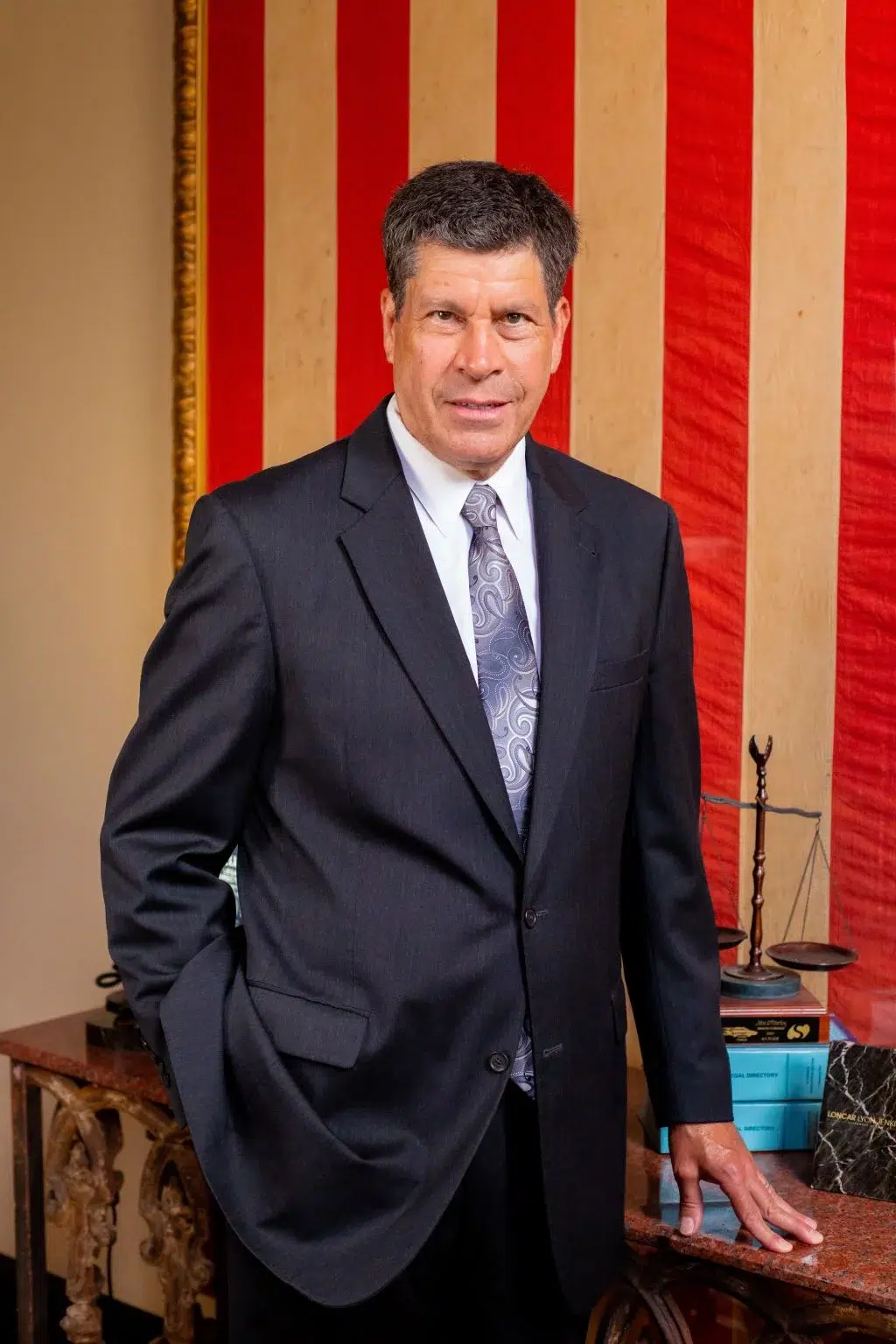
THE RAID
The raid came on February 28, 1993.
ATF agents attempted to execute a search and arrest warrant at the Mount Carmel Center ranch near Waco, Texas.
The warrant named David Koresh and the Branch Davidians.
It was meant to be a controlled entry.
What happened next was a gun battle.
Four ATF agents were killed.
Six Branch Davidians were killed.
The undercover agent had warned that Koresh knew the raid was coming.
His warning was not heeded.
That is what the investigation and evidence establish.
The record does not establish what would have happened if the warning had been taken seriously.
That question stays open.
The raid was meant to be swift.
It was not.
It was meant to disarm a sect.
It ended with agents dead on the ground.
After the gunfight, the FBI took over negotiations.
The ATF's operation was over.
The standoff was just beginning.
The chaos of that morning became the foundation for fifty-one days of waiting.
A warning was filed.
A warning was passed along.
A warning was not acted upon.
Whether acting on it would have changed anything is not established.
The record shows the warning existed.
The record shows the raid happened anyway.
The record shows the dead.
That is where the facts stop.
THE STANDOFF AND THE FIRE
The standoff lasted 51 days.
The FBI took over from the ATF. Negotiators tried to talk the Davidians out.
David Koresh did not come out.
On April 19, 1993, Attorney General Janet Reno had authorized the final tear gas plan.
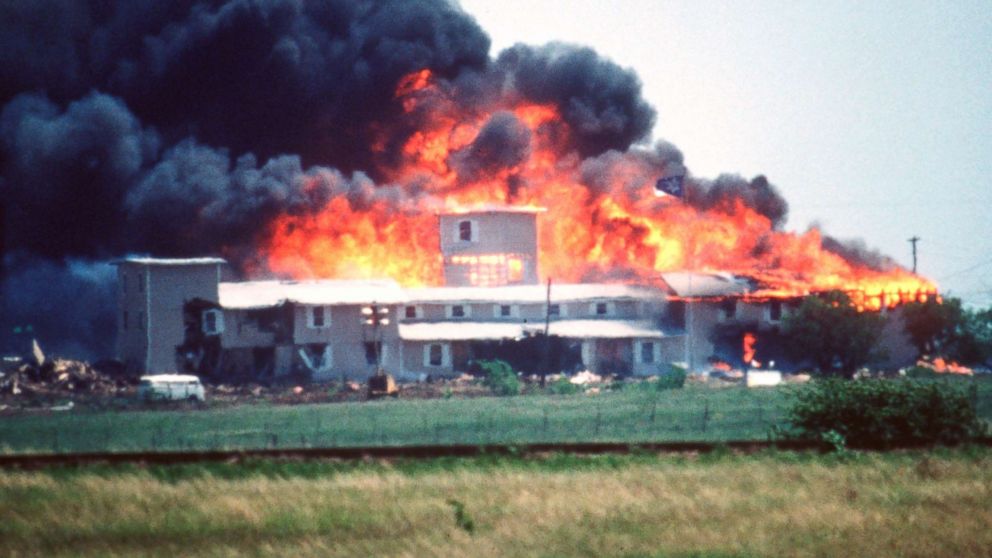
The FBI launched a tear gas assault on the compound that morning.
A fire broke out.
Seventy-six people inside died.
More than twenty of them were children.
Koresh was among the dead. His wife, Rachel Koresh, was among the dead.
Medical examiner Nizam Peerwani testified about the deaths.
He determined that many died from smoke inhalation and burns.
Some had gunshot wounds, he said.
The exact cause of the fire is not established in the record.
What started it? Who started it? Was it the tear gas, or the Davidians themselves?
That would require evidence the record does not provide.
What is established is the scale of the loss.
What is established is the controversy.
The FBI had said it used only standard tear gas.
In 1999, the FBI admitted to using pyrotechnic tear gas canisters.
It had previously denied that.
The admission came six years after the fire.
It came after the dead were already buried.
The compound was destroyed that day. The siege ended that day.
The grief did not end.
The questions did not end.
The controversy over the government's actions remains a matter of interpretation.
The dead remain a fact.
AND THE STORY STILL ISN'T OVER
The trial began in 1994.
Eleven surviving Branch Davidians stood before a federal jury.
The jury acquitted all of them of murder and conspiracy.
Several were convicted of lesser charges: voluntary manslaughter, weapons violations.
Sentences ranged from probation to 40 years in prison.
No one was convicted of the deaths of the four ATF agents.
No one was convicted of the deaths of the six Davidians killed in the gunfight.
No one was convicted of the deaths of the 76 people who died in the fire.
The Department of Justice investigated the raid and the siege.
It found no federal criminal wrongdoing.
It also found the operation was mismanaged.
That is a documented conclusion.
Whether the mismanagement amounts to blame is not established.
That would require evidence.
The Mount Carmel site is a memorial now.
Grass grows where the compound stood.
The dead remain a fact.
The questions remain open.
Was the warning ignored?
Was the tear gas justified?
Was the fire an accident or a consequence?
The record does not settle it.
The record does not resolve it.
The controversy over government overreach and religious freedom continues.
The surviving members have largely moved on.
Some maintain the faith under new leadership.
Whether any new legal action is pending is not in the record.
The story is not over.
It is a story without a single answer.
It is a story with only a memorial, a trial, and the dead.
Advertisement
You may also like
The severed head in the canal, the confessed killer who was never charged, and the file police closed twice
The drainage canal ran along the Florida Turnpike near Vero Beach, 120 miles from where the boy had vanished. The head was found on…
The trucker's anonymous letters that named his own victims
The letters arrived unsigned, except for a circle with two dots and a curve. A smiley face. They were sent to the Oregonian and…
The Green River Killer’s confession count is 71. Why are only 48 convictions official?
Gary Leon Ridgway was a truck painter from Auburn, Washington. In November 2001, DNA evidence linked him to several victims, and he was arrested.…
The doctor with a scalpel and a secret that haunted Eliot Ness
The first body was found on September 5, 1934, in Kingsbury Run, a ravine that cut through Cleveland. He was a man, and no…
The slow-motion Bronco chase that began after O.J. Simpson was charged with murder
The Bronco drifted down the freeway at 35 miles an hour, a white speck trailed by a line of police cars. Al Cowlings was…
The Zodiac cipher that took 51 years to crack — and still gave no name
In December 2020, a team of private codebreakers solved the Zodiac's "340 cipher" — a cryptogram mailed to the *San Francisco Chronicle* in 1969.…