The Utah trial where a convicted killer demanded his own execution
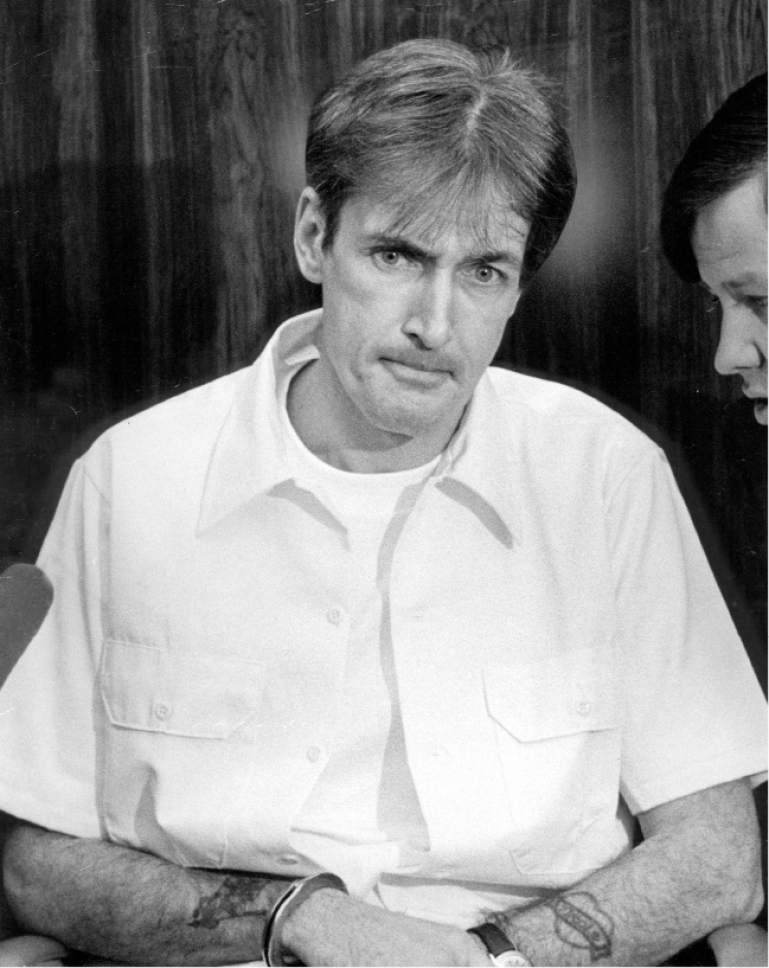
The judge read the sentence, and Gary Gilmore heard it: death.
He had been convicted of two counts of first-degree murder in a Utah state court.
The prosecution had sought the death penalty.
The defense had argued for life imprisonment, pointing to a troubled background and a damaged mental state.
The jury chose death.
Then Gilmore did what almost no condemned man does.
He waived his appeals.
He demanded his own execution.
According to the trial outcome, he reportedly said "Let's do it" when asked about the firing squad.
The exact wording is reported, not quoted from a transcript.
The context of that line is not independently verified.
What is documented is the demand itself.
His family tried to delay the execution.
Anti-death-penalty groups tried to delay it.
Gilmore insisted on proceeding.
He fought to die, not to live.
The execution was set for January 17, 1977, in Utah.
Why would a man push toward the firing squad?
A desire to be with his girlfriend, as reported.
A belief that death was coming anyway.
Those are interpretations, not facts.
The record shows what he did.
It does not show why.
He was on death row, and he wanted to leave it.
Not because he feared the sentence.
Because he demanded it.
TWO NIGHTS, TWO SHOTS
Two nights, two shots, one gun.
On July 19, 1976, Gilmore robbed and shot a young motel clerk at a gas station in Orem, Utah.
The following night, July 20, he robbed and shot a motel manager at a motel in Provo.
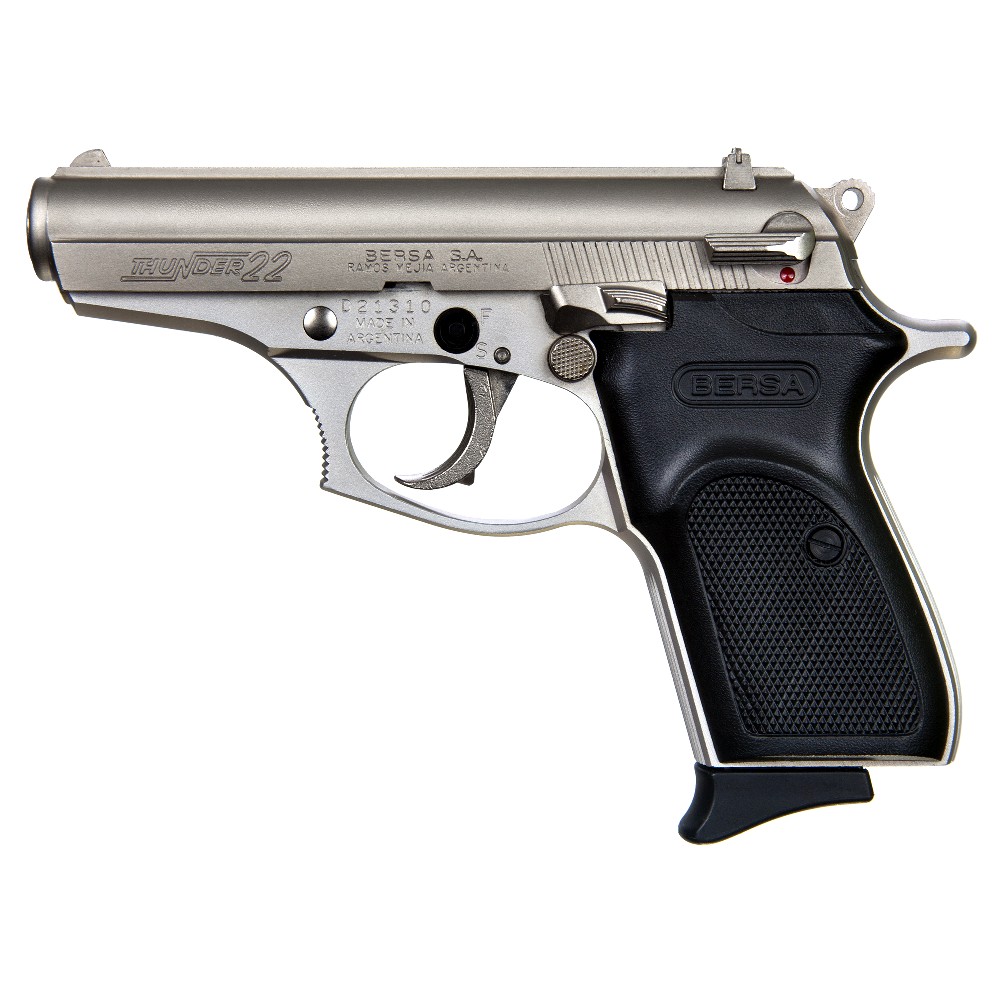
Both men were killed with a .22-caliber pistol.
Both were working the night shift.
The record names neither victim; it refers to them only by their roles.
Gilmore was arrested on July 21, 1976, after a traffic stop.
The murder weapon was found with him.
He confessed to both killings.

According to the investigation, the confessions were detailed and consistent.
Ballistics matched the bullets from both crime scenes to the pistol.
The method was the same. The weapon was the same. The hour was the same.
Two young men, two nights, one gun.
The arrest came within a day of the second shooting.
The case moved from arrest to trial with notable speed, according to the record.
The investigation was straightforward; no significant mistakes were reported.
The victims' names are not established in the record.
What is established: the dates, the locations, the weapon, the confessions.
What remains: the quiet of those two night shifts, and how quickly it ended.
THE TRIAL
The trial moved fast.
Gilmore was tried in Utah state court before a judge.
The prosecution sought the death penalty.
The defense argued for life imprisonment, citing Gilmore's troubled background and mental state.
The courtroom was a contest of two futures.
One side described a man who had killed twice, in two nights, with a .22-caliber pistol.
The other side described a life broken long before the murders.
The jury heard the confessions, the ballistics, the dates, the locations.
The jury heard the defense plead for something less than death.
The jury convicted Gilmore of two counts of first-degree murder.
Then the jury sentenced him to death.
The judge presided over it all.
The prosecutor pushed for the maximum.
The defense pushed for a cell instead of a firing squad.
The record does not name the judge, the prosecutors, or the defense attorneys in the coverage of this case.
They exist in the trial only by role.
What is established: the conviction, the sentence, the two counts.
What is established: the prosecution's demand and the defense's plea.
What remains is the weight of that decision, made in a Utah courtroom, by twelve people who had to choose.
They chose death.
THE WAIVER
After the sentence came down, Gilmore waived his appeals.
The trial record reports this as his own act, his own choice.
His stated motive, as reported, was a desire to be with his girlfriend and a belief that he would be executed.
That is a reported motive. It is not an established fact.
The exact reasoning behind the waiver is not established.
His family tried to delay the execution. Anti-death-penalty groups tried to delay it.
Gilmore insisted on proceeding.
“Let’s do it,” he reportedly said when asked about the execution. The phrase is in the record. The meaning behind it is not.
The prosecution’s view, implied by the trial outcome, was that the waiver was a legitimate exercise of a condemned man’s rights.
The defense’s view was different. They argued the waiver was a product of his troubled mental state. They argued life imprisonment was the appropriate sentence.
Two interpretations sit on the same page of the record.
One: a man exercising his legal rights, fully aware of what he was doing.
Two: a man too broken to fight for his life.
Which one is true? The record does not say. That would require evidence.
What is documented is the demand itself. What remains open is the man behind it.
The jury had chosen death. Gilmore chose not to contest it.
The court moved toward the date. The debates moved around him.
He did not move.
AND THE STORY STILL ISN'T OVER
He was executed by firing squad on January 17, 1977.
It was the first execution in the United States in over a decade.
The sentence had been carried out.
The case reignited the national debate over capital punishment.
That debate had not started with him, but it found a new voice in his name.
His brother later wrote a memoir about the family and his brother's life.
The brother's name is not in the record; he is referred to by role only.
The book was acclaimed, according to where things stand.
The case remains a landmark in American legal and cultural history.
It is cited in discussions of the death penalty and the rights of condemned prisoners.
It is a story about a man who demanded his own end.
It is also a story about what that demand left behind.
The trial was over. The appeals were waived. The date came.
And after the date, there was still the accounting.
The victims' families lived with their loss.
The defense team lived with what they had argued.
The prosecution lived with what they had won.
The record does not say what any of them felt that morning.
It says only what happened.
He was executed by firing squad on January 17, 1977.
The first execution in over a decade.
The debate did not close with him.
The memoir did not close with him.
The landmark did not close with him.
The story still isn't over.
Advertisement
You may also like
The severed head in the canal, the confessed killer who was never charged, and the file police closed twice
The drainage canal ran along the Florida Turnpike near Vero Beach, 120 miles from where the boy had vanished. The head was found on…
The trucker's anonymous letters that named his own victims
The letters arrived unsigned, except for a circle with two dots and a curve. A smiley face. They were sent to the Oregonian and…
The Green River Killer’s confession count is 71. Why are only 48 convictions official?
Gary Leon Ridgway was a truck painter from Auburn, Washington. In November 2001, DNA evidence linked him to several victims, and he was arrested.…
The doctor with a scalpel and a secret that haunted Eliot Ness
The first body was found on September 5, 1934, in Kingsbury Run, a ravine that cut through Cleveland. He was a man, and no…
The slow-motion Bronco chase that began after O.J. Simpson was charged with murder
The Bronco drifted down the freeway at 35 miles an hour, a white speck trailed by a line of police cars. Al Cowlings was…
The Zodiac cipher that took 51 years to crack — and still gave no name
In December 2020, a team of private codebreakers solved the Zodiac's "340 cipher" — a cryptogram mailed to the *San Francisco Chronicle* in 1969.…