A video on Paul's phone at 8:44 p.m. — and the alibi that could not hold
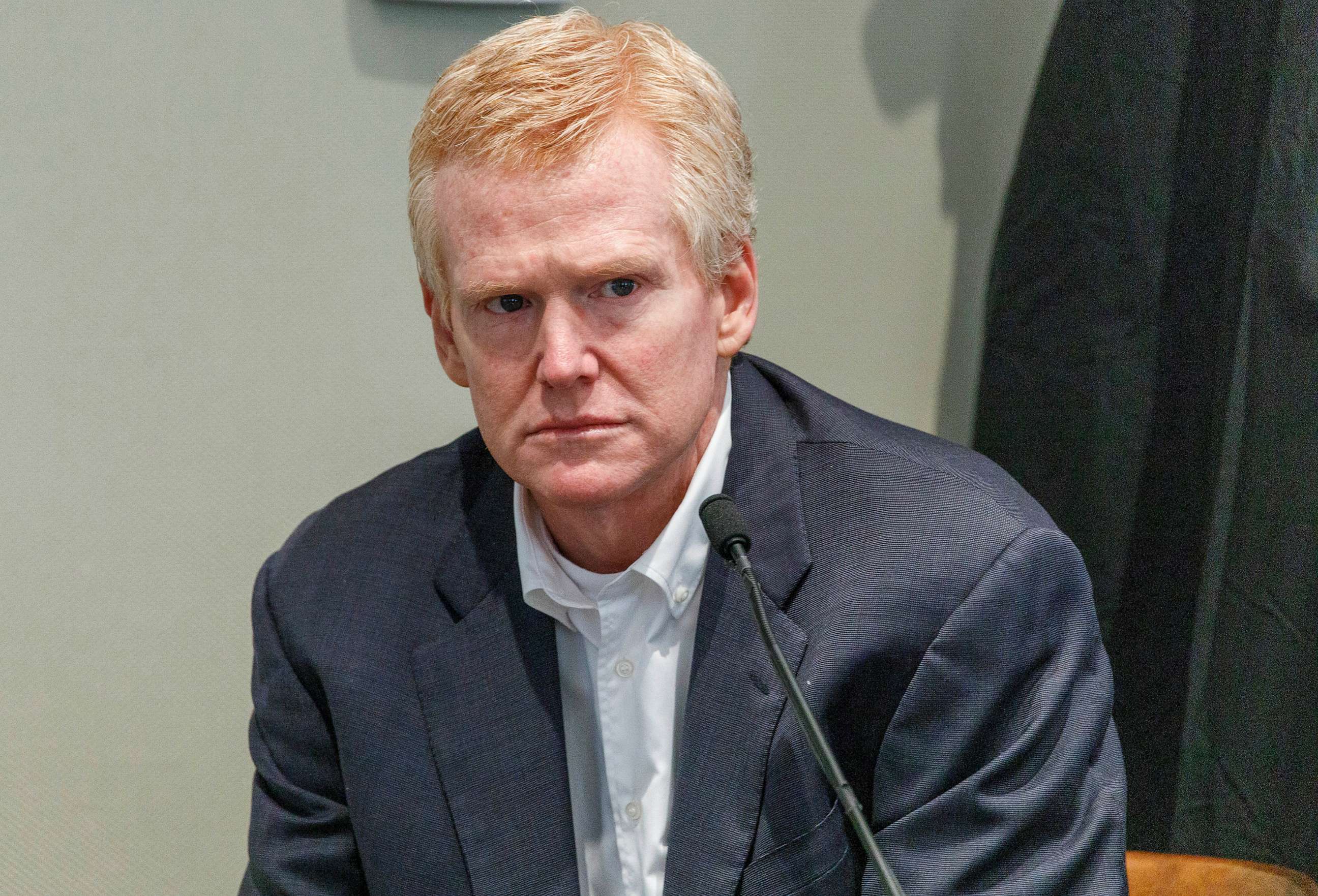
The video was recorded on Paul Murdaugh's phone at 8:44 p.m. on June 7, 2021.
It was recorded at the family's Moselle estate.
The video captured voices matching Alex and Maggie Murdaugh.
Those voices were captured at a time when Alex claimed he was at his mother's house, not at Moselle.
The claim did not hold against the recording.
The video became a crucial piece of evidence in the murder trial of Alex Murdaugh.
It was a home video, a casual artifact from a family phone, and it became the hinge of a murder case.
How does a home video become the hinge of a murder case?
How does a time stamp on a dead man's phone undo a man's story?
How does a voice on a recording place a man where he said he was not?
That would require evidence.
The record does not detail the exact content of the video beyond the voices.
The record does not establish what else the video showed, or how long it ran, or who held the phone.
What is established is the time, the place, and the voices.
What is established is that the voices matched.
What is established is that the alibi could not hold.
THE DISCOVERY
The 911 call came from Alex Murdaugh that evening.
He told the dispatcher he had found them.
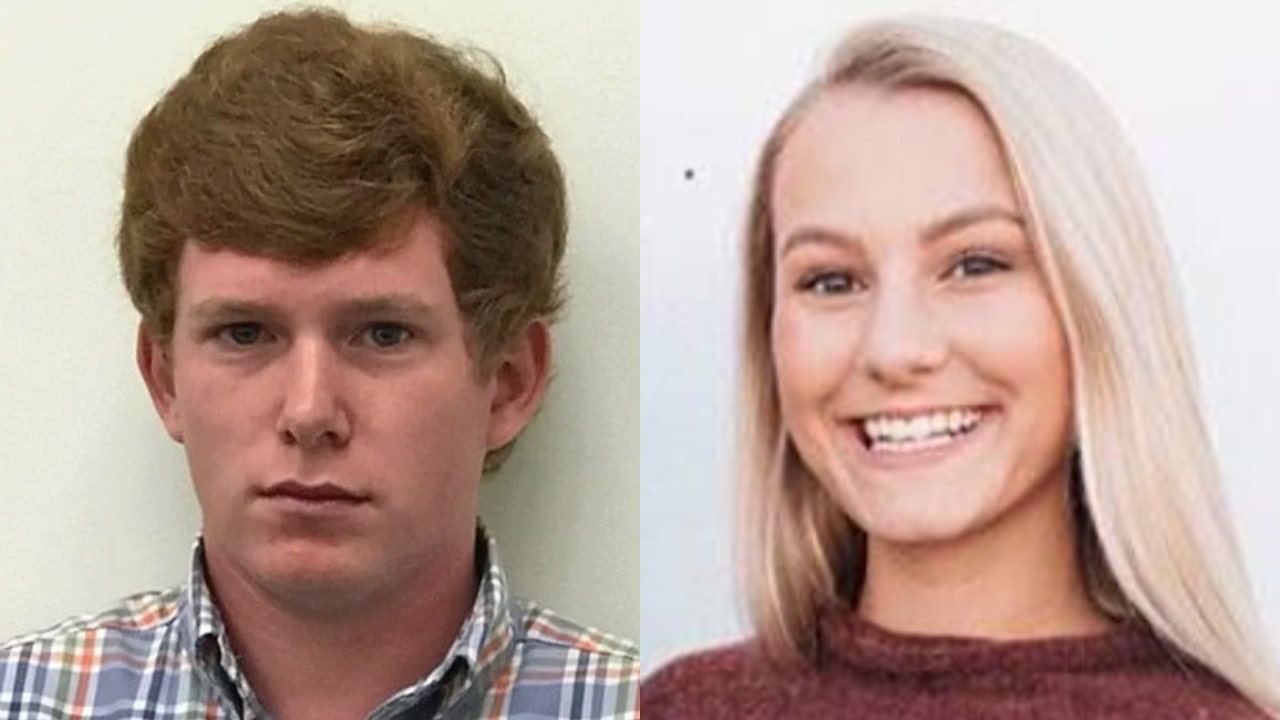
The bodies were at Moselle, the family's hunting estate near Islandton, South Carolina.
Paul Murdaugh was 22 years old.
Maggie Murdaugh was 52.
Both had been killed by multiple gunshot wounds, according to the case report.
The initial report suggested the family had been at the property earlier in the day.
It also suggested the killings appeared to be a targeted attack.
The exact time of death is not specified in the record.
That detail would matter later.
For now, there was only the scene Alex described when he called.
A father who found his wife.
A father who found his son.
A family tragedy that seemed inexplicable at first.
The shock was real, and so was the confusion.
Why Moselle?
Why them?
Why would anyone target a mother and her son at a hunting estate in rural South Carolina?
That would require evidence.
The evidence would come slowly, over more than a year.
But on June 7, 2021, there was only the call, the bodies, and the beginning of a question that would not stay closed.
THE ALIBI AND THE PHONE DATA
He said he had been at his mother's house.
That was the alibi, offered early and repeated often.
The investigation summary says phone data placed him at the scene instead.
Not at his mother's house. At Moselle, where the bodies were found.
The specific phone data details are not elaborated in the source.
No cell tower records are laid out. No precise pings are given.
That would require evidence the record does not provide.
What the record does provide is the video.
The 8:44 p.m. video on Paul's phone captured voices matching Alex and Maggie, according to trial evidence.
The same voices, on the dead son's phone, at the time Alex said he was elsewhere.
It is a document of a moment. It is also a contradiction.
Alex's account placed him away from the property. The video placed his voice there.
The phone data placed him there too.
Prosecutors would later argue the alibi could not hold.
The defence argued Alex was a grieving husband and father.
But the video was not a theory. It was a recording.
It was played in court, and the jurors heard what the record says they heard.
The alibi was a claim. The video was a fact.

One of them survived contact with the other.
That would require evidence, and the evidence arrived at 8:44 p.m.
THE ACCOMPLICE AND THE MOTIVE
Curtis Edward Smith was a former client of Alex Murdaugh.
He was also the alleged accomplice.
Smith testified that Alex had asked him to kill him so Buster could collect a life insurance payout.
Smith testified that Alex had killed Maggie and Paul to gain sympathy.
The motive was personal.
The motive was calculated.
Smith was charged with assisting in the murders.
He pleaded guilty to lesser charges.
He testified against Alex.
The exact nature of Smith's involvement beyond his testimony is not fully established.
That is what the record shows.
That is also where the record stops.
The prosecution had the video.
The prosecution had the phone data.
Now the prosecution had a witness who said Alex asked to be killed.
The defence argued Alex was a grieving husband and father.
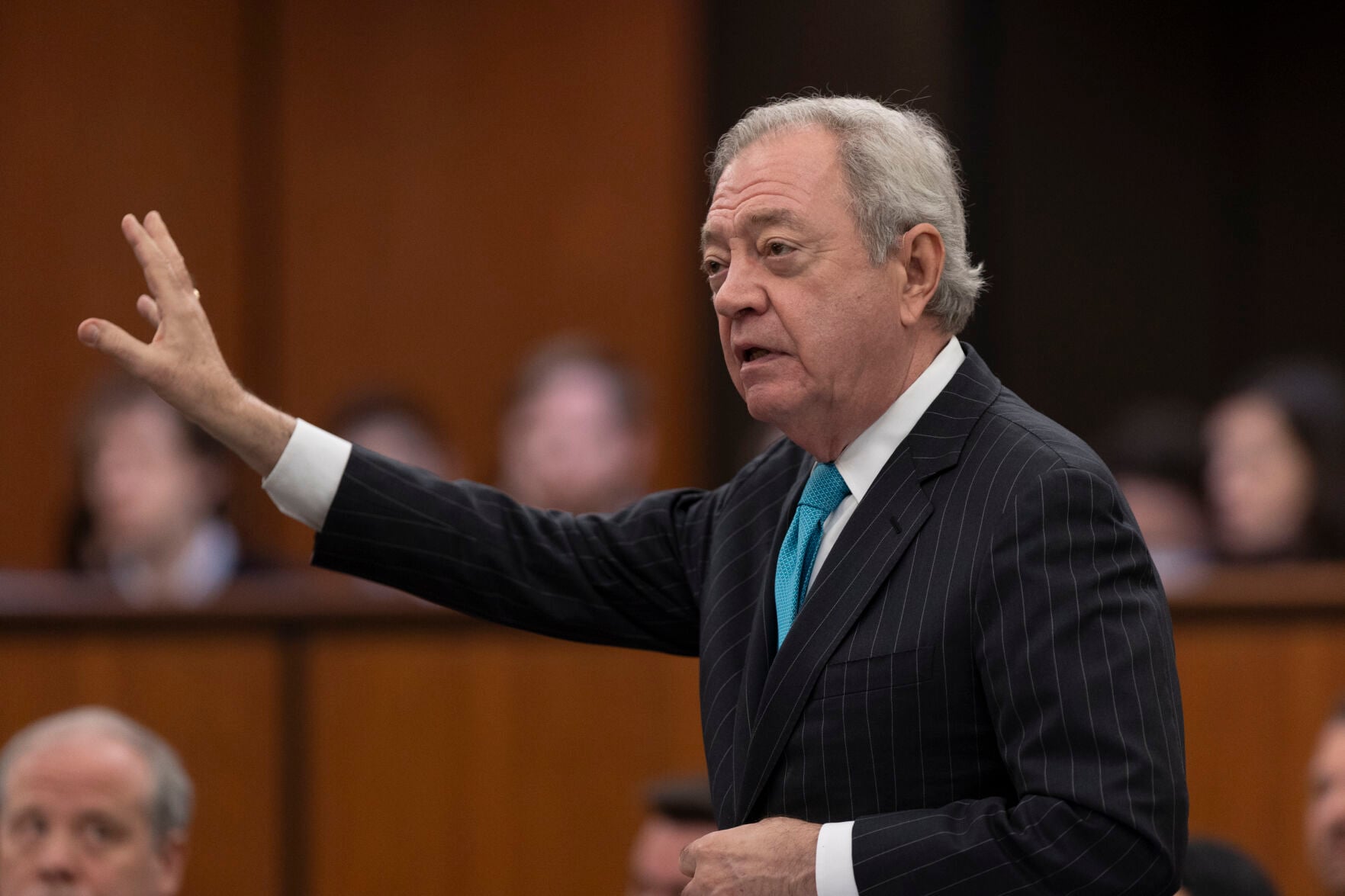
Smith's testimony cut against that image.
It was a story of insurance money and manufactured sympathy.
It was a story the jury would hear.
It was a story they would weigh against the 8:44 p.m. video.
The video was a fact.
Smith's testimony was a claim.
Both pointed in the same direction.
AND THE STORY STILL ISN'T OVER
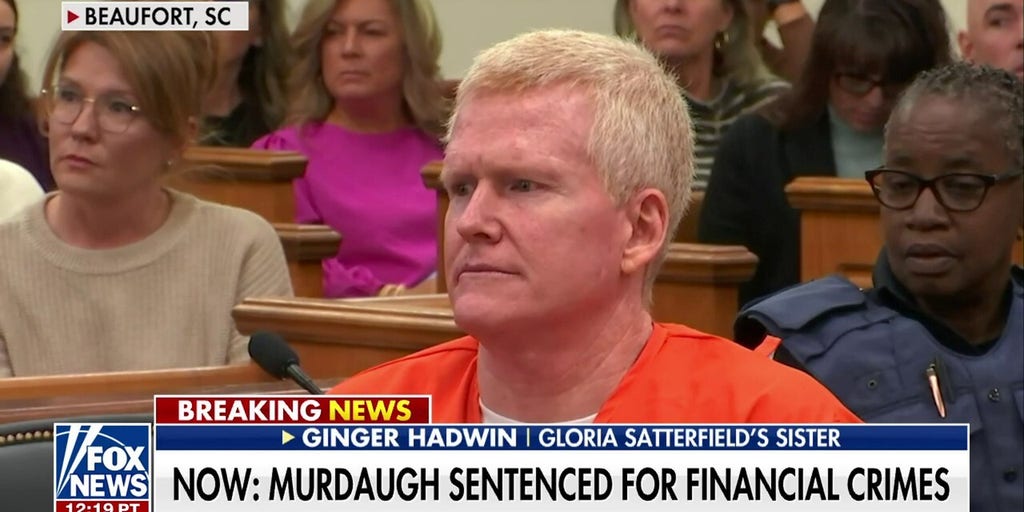
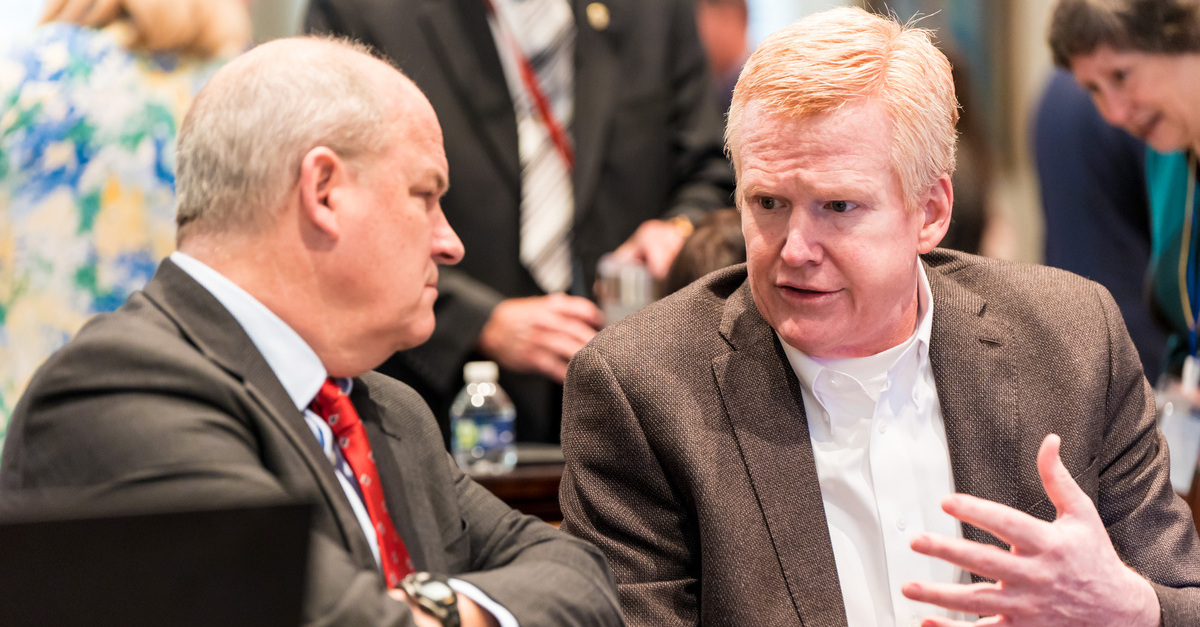
On March 2, 2023, the jury found Alex guilty of two counts of murder and two counts of possession of a weapon during the commission of a violent crime.
He was sentenced to two consecutive life sentences without the possibility of parole.
Judge Clifton Newman called the crimes "heinous" and noted Alex's lack of remorse.
The courtroom was quiet when the verdict was read.
Alex stood and listened.
His defence team did not speak long.
The trial had lasted about six weeks.
The evidence had been circumstantial, the defence argued.
The video was still a fact.
The alibi was still broken.
The verdict was still guilty.
But the story did not end with the sentence.
Alex has filed appeals, which are ongoing.
His defence argues the trial was unfair due to pretrial publicity and other issues.
The outcome of the appeals is not yet decided.
That would require a court.
The legal battle continues.
The conviction stands for now.
The sentence stands for now.
The case remains open in the system.
The family's legal legacy is shattered.
The documentaries and books keep coming.
The questions keep coming.
Was the trial fair?
Was the evidence enough?
Was there an accomplice?
That would require evidence.
The appeals will decide what the record allows.
Until then, the verdict holds.
The video holds.
The alibi does not.
She was on the ground below.
He was sentenced above.
The story is not over.
Advertisement
You may also like
The love letters that made a choir singer's affair the talk of 1920s New Jersey
The letters were under the crabapple tree, next to the bodies. On September 14, 1922, the bodies of Reverend Edward Wheeler Hall and Mrs.…
The $5,800 in rotting cash found by a boy — and the hijacker who vanished with the rest
The money came apart in his hands. Brian Ingram was eight years old in 1980, playing along the Columbia River near Vancouver, Washington, when…
The eyeglasses found near a 14-year-old's body that led to two students
The hinge was the thing. A pair of eyeglasses found near the body of 14-year-old Robert "Bobby" Franks. The glasses had a unique hinge…
The 14-year-old stepdaughter whose 2005 report started the Epstein inquiry
In 2005, a mother in Palm Beach called the police about her 14-year-old stepdaughter. She said an older girl had recruited the teenager to…
The fisherman's 1935 discovery that opened a three-year hunt for a killer who left no name
The fisherman reached down and pulled up what he first thought was a broken mannequin. It was a torso, male, headless and legless, dumped…
The cell phone logs that placed Adnan Syed in Leakin Park — and the alibi witness his lawyer never called
She was on the ground below. Hae Min Lee, an 18-year-old senior at Woodlawn High School in Baltimore County, Maryland, disappeared on January 13,…