What Jacqueline Kennedy told Life about 'Camelot' after JFK's death
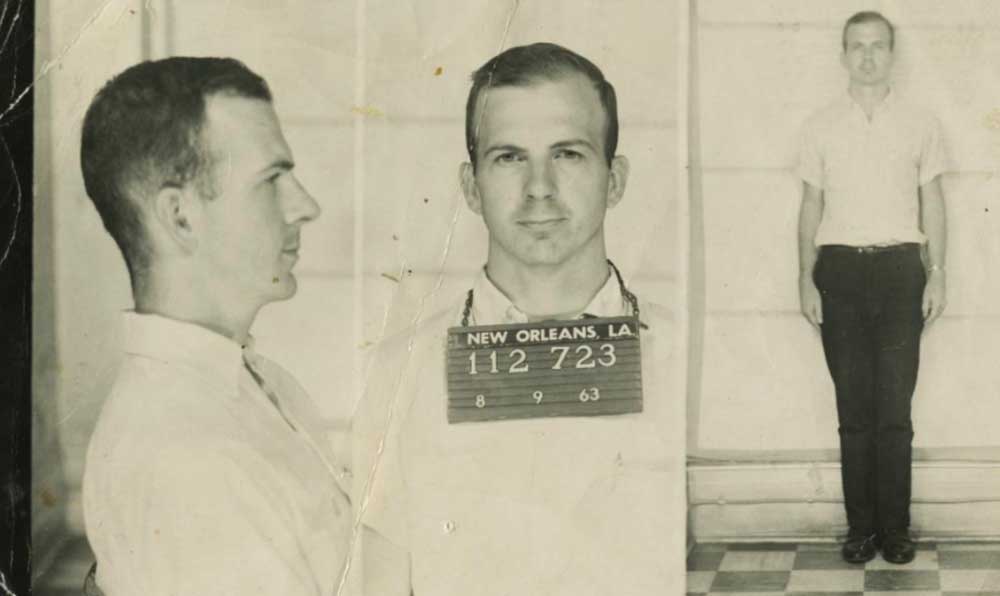
She was on the ground below, in a motorcade, in Dallas.
The shots came at 12:30 p.m. on November 22, 1963.
Jacqueline Kennedy was seated beside her husband in the limousine.
President John F. Kennedy was pronounced dead at Parkland Memorial Hospital about thirty minutes later.
The funeral came, and the family went quiet.
The President’s siblings attended the funeral and remained publicly silent in the immediate aftermath.
Robert F. Kennedy, the President’s brother and U.S. Attorney General, was deeply involved in what came next.
The father, Joseph P. Kennedy, was incapacitated by a stroke and did not speak publicly.
But the widow spoke.
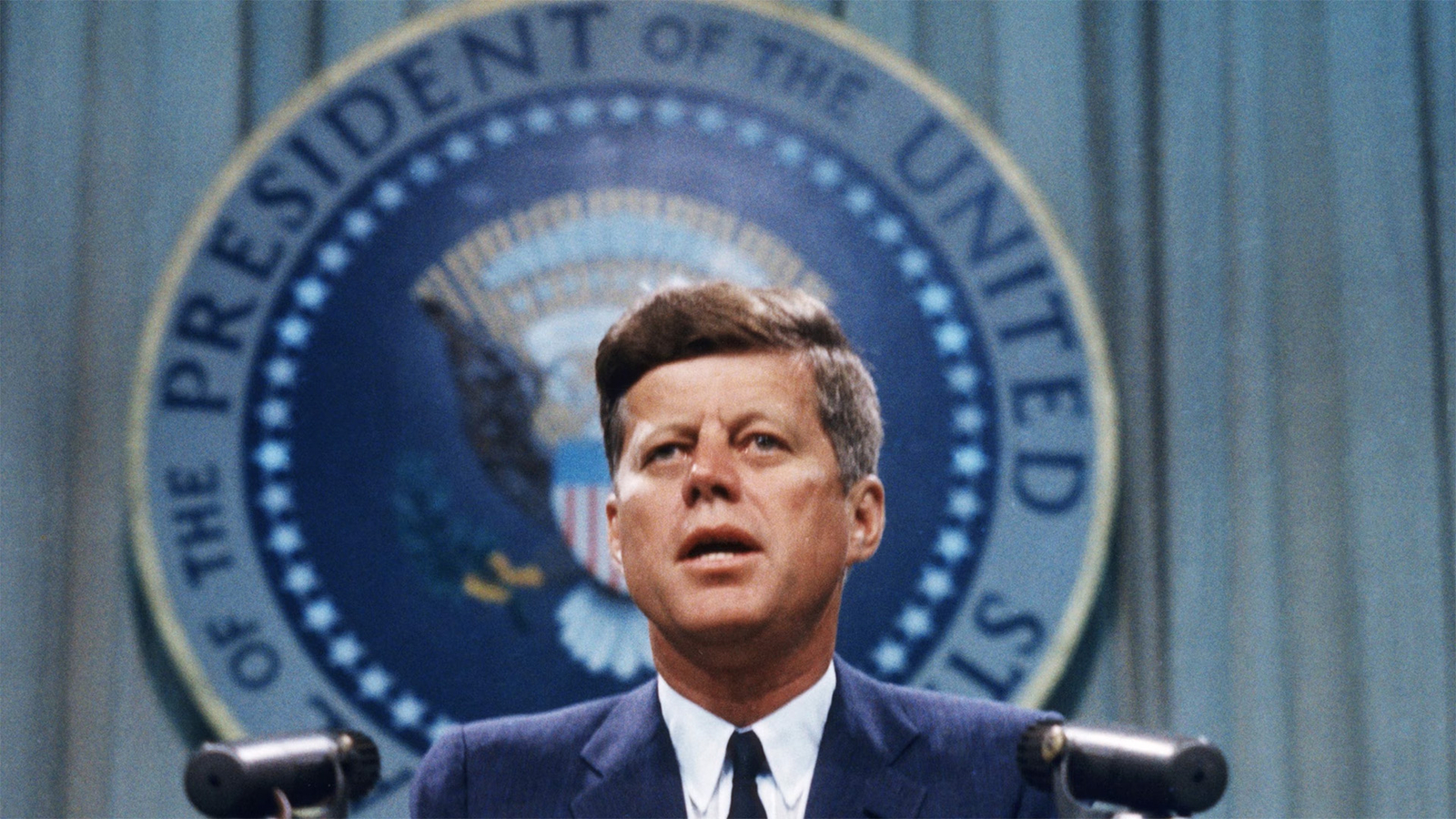
In the weeks after the assassination, Jacqueline Kennedy gave a famous interview to journalist Theodore H. White for Life magazine.
In that interview, she described the Kennedy administration as "Camelot."
A single word, drawn from a medieval legend of a round table and a fallen king.
The interview happened after the funeral, while the family remained publicly silent.
The exact date and setting of the interview are not in the source material.
What the record does not establish is when she sat down with White, or where.
The word has since become shorthand for the entire presidency.
Not because the record shows she intended a verdict on history.
But because one grieving widow reached for a story about a king who was taken too young.
Why that legend?
What did she really mean?
That would require evidence.
All the record shows is the word, the magazine, and the moment.
A widow’s single word to a journalist became a legend.
The record shows one interview, not a judgment on an era.
12:30 P.M. — DEALEY PLAZA
The motorcade turned onto Elm Street at 12:30 p.m.
Rifle fire came from the Texas School Book Depository building.
President John F. Kennedy was struck.
Jacqueline Kennedy was seated beside him in the limousine.
She was present at the shooting.
The record does not detail what she saw or did in those moments.
Texas Governor John Connally, riding in the same limousine, was seriously wounded.
He survived.
The President was pronounced dead at Parkland Memorial Hospital about 30 minutes later.
The First Lady was a witness, not a distant observer.
She was in the car.
The car was open, the crowd was close, and the shots came from above.
What she saw in that sequence is not established.
The source does not say.
The limousine carried the wounded governor and the dead President.
It carried the widow who would later give one famous interview.
That moment — the ride through Dealey Plaza — was the beginning.
The swearing-in came later that afternoon.
The interview came weeks after.
But at 12:30 p.m., there was only the ride, the rifle fire, and the blood.
She was there.

The source records her presence, nothing more.
THE SWEARING-IN AND THE SILENCE
The swearing-in happened aboard Air Force One later that afternoon.
Lyndon B. Johnson, the Vice President, stood two cars behind the President when the shots were fired.
He was sworn in as President with Jacqueline Kennedy at his side.
The source records her presence at that moment.
It does not record what she said or felt.
That is not in the record.
The President's siblings attended the funeral.
They remained publicly silent in the immediate aftermath.
Robert F. Kennedy, the Attorney General and the President's brother, was deeply involved in what came next.
He was the one the family turned to.
The President's father, Joseph P. Kennedy, was incapacitated by a stroke.
He did not speak publicly.
He could not.
So the silence fell to the others.
It was a family choosing silence.
It was a protocol of grief.
A widow standing at a swearing-in.
A brother managing the machinery of an investigation.
A father who could not say a word.
What Jacqueline Kennedy thought of the man taking her husband's place?
That would require evidence.
The record holds only the fact of her standing there.
It holds the fact of the siblings' silence.
It holds the fact of Robert F. Kennedy's involvement.
What the family said to one another in those hours?
Not in the record.
The funeral came.
The family attended.
The public watched them mourn.
The silence held.
THE INTERVIEW THAT BECAME A LEGEND
She spoke to Theodore H. White for Life magazine.
One interview, given in the weeks after the funeral.
In it, she described the Kennedy administration as "Camelot."
The word became a cultural touchstone.
It reshaped how a presidency was remembered.
It is a legend now.
But the record is thinner than the legend.
The source does not provide the full text of the interview.
The exact wording beyond that single word is not in the source.
That must be stated plainly: the record does not establish it.
Was "Camelot" her spontaneous phrase?
Was it a crafted message, offered deliberately?
Was it one line in a longer conversation, or the whole point of it?
That would require evidence.
The source is silent on those questions.
So the legend rests on one word, quoted once.
Not because the word was false.
But because the record stops there.
It is a widow's description.
It is also a phrase that outlived the man it described.
What remains is the interview's effect, not its full text.
The silence that held before the interview did not break; it was shaped.
One word did that.
The rest of the conversation is not in the record.
The record shows the interview happened.
The record shows the word she used.
Everything else — the tone, the pause, the intent — is not established.
She was on the ground below the myth.
The myth stands on a single word.
AND THE STORY STILL ISN'T OVER
She married Aristotle Onassis in 1968.
She died in 1994.
Robert F. Kennedy was assassinated in 1968 while running for President.
Edward M. Kennedy served in the U.S. Senate until his death in 2009.
The President's surviving siblings have all since died.
Jean Kennedy Smith died in 2020.
The family's story continued past the single word.
The public's questions never stopped.
The assassination remains one of the most heavily studied events in American history.
Thousands of books.
Thousands of films.
Thousands of government documents released over the decades.
The Warren Commission's conclusion that Oswald acted alone remains the official finding.
It has been challenged.
The House Select Committee on Assassinations found a "probable conspiracy."
No specific conspirators were identified.
Any new investigation is not mentioned in the source.
Neither is any pending legal action.
The record does not establish those things.
It establishes a family that kept living.
It establishes a country that kept asking.
The widow remarried.
The brothers died.
The sisters died.
The myth outlived them all.
It rests on a single word spoken to one journalist.
That word was "Camelot."
Everything else — the tone, the pause, the intent — is not established.
She was on the ground below the myth.
The myth stands on a single word.
Advertisement
You may also like
The severed head in the canal, the confessed killer who was never charged, and the file police closed twice
The drainage canal ran along the Florida Turnpike near Vero Beach, 120 miles from where the boy had vanished. The head was found on…
The trucker's anonymous letters that named his own victims
The letters arrived unsigned, except for a circle with two dots and a curve. A smiley face. They were sent to the Oregonian and…
The Green River Killer’s confession count is 71. Why are only 48 convictions official?
Gary Leon Ridgway was a truck painter from Auburn, Washington. In November 2001, DNA evidence linked him to several victims, and he was arrested.…
The doctor with a scalpel and a secret that haunted Eliot Ness
The first body was found on September 5, 1934, in Kingsbury Run, a ravine that cut through Cleveland. He was a man, and no…
The slow-motion Bronco chase that began after O.J. Simpson was charged with murder
The Bronco drifted down the freeway at 35 miles an hour, a white speck trailed by a line of police cars. Al Cowlings was…
The Zodiac cipher that took 51 years to crack — and still gave no name
In December 2020, a team of private codebreakers solved the Zodiac's "340 cipher" — a cryptogram mailed to the *San Francisco Chronicle* in 1969.…