The 31-day gap that made a grandmother call 911 — and the babysitter who never existed
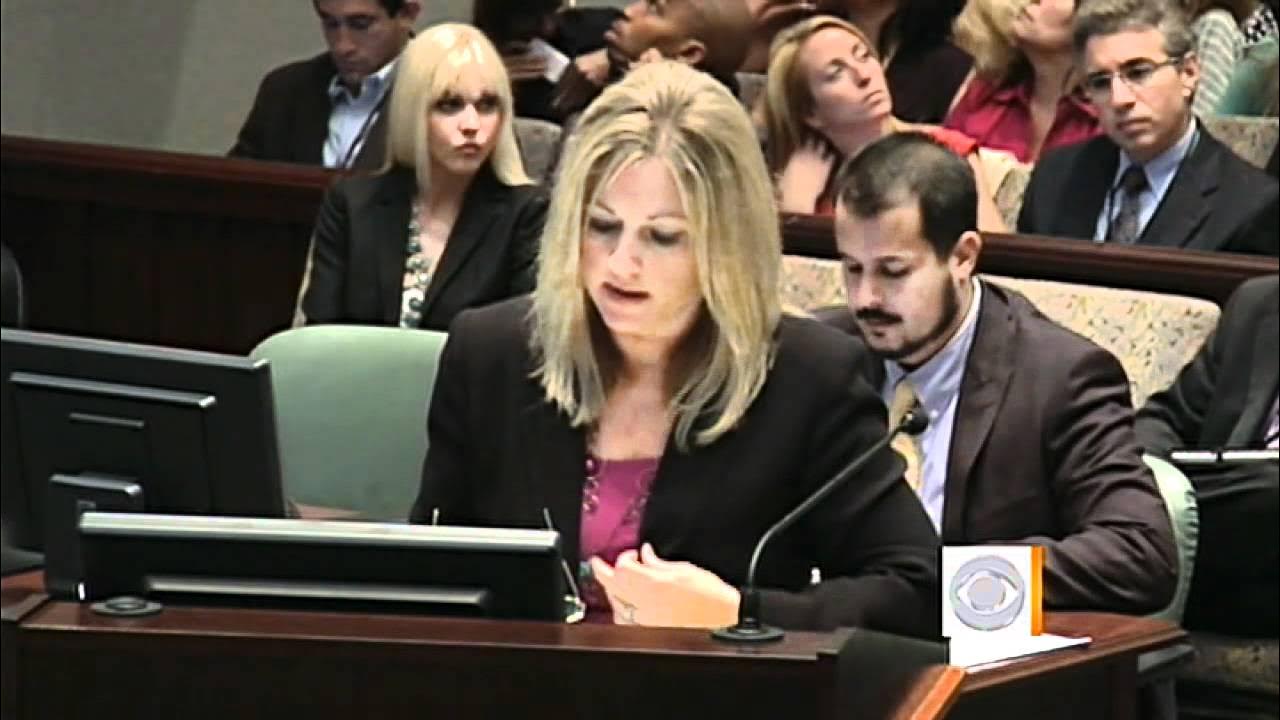
On July 15, 2008, in Orlando, Florida, Cindy Anthony called 911 to report her 2-year-old granddaughter missing.
Casey Anthony, the child's mother, had already told her parents the girl was with a babysitter.
The babysitter had a name: Zenaida Fernandez-Gonzalez.
No such person could be located.
Casey Anthony admitted she had not seen her daughter for 31 days before that call.
Thirty-one days.
A month without a mother seeing her child, and the excuse was a woman who did not appear to exist.
The 911 call set the investigation in motion.
Detectives found no evidence that the babysitter was real.
What happened to the child during those 31 days is not established in the record.
That silence became the story.
Cable news seized on the gap, the invisible babysitter, the mother's calm.
Commentators asked how a parent could go a month without seeing her child.
They asked who this babysitter was.
They asked what the mother was doing instead.
The answers did not come quickly.
The public reacted with disbelief, then with urgency, then with anger.
A grandmother had made the call, not the mother.
That fact alone shaped the early coverage.
The mother was charged with first-degree murder, aggravated child abuse, aggravated manslaughter of a child, and four counts of providing false information to law enforcement.
But on that July day, the only certainties were a missing child, a 31-day gap, and a babysitter who never existed.
THE 911 CALL AND THE SEARCH
The 911 call was made on July 15, 2008.
The caller was the grandmother, Cindy Anthony, reporting that her 2-year-old granddaughter was missing.
The mother, Casey Anthony, had told her parents the child was with a babysitter.
She named the babysitter: Zenaida Fernandez-Gonzalez.
Detectives found no evidence that such a babysitter existed.
They found no address, no phone number, no record of her.
The name led nowhere.
The search turned to the mother's car, abandoned at a tow yard.
Forensic analysis revealed the odor of decomposition in the trunk.
Later testing found chloroform and traces of decomposition.
The evidence pointed away from a kidnapping.
It pointed toward something darker.
But the record does not establish the exact date of the child's death.
It does not establish the cause of death either.
That remained a contested theory, not a proven fact.
The case drew intense national media coverage.
Commentators speculated about Casey Anthony's behavior.
They noted her appearance of indifference.
They noted her time spent at a Florida bar during the period the child was missing.
The coverage ran on cable news, day after day.
It was a story about a missing child.
It was also a story about a mother who did not seem to act like one.
The public watched.
The public asked questions.
Why did she wait 31 days?
Why did she name a babysitter who did not exist?
Why did she go to a bar?
Those questions had no answers yet.
They would take years to reach a courtroom.
THE REMAINS AND THE TWO STORIES
On December 11, 2008, a utility worker found skeletal remains in a wooded area near the Anthony family home.
The remains were identified as the 2-year-old child.
Duct tape was found near the skull.
The prosecution argued that the mother used chloroform and duct tape to kill her daughter.
The defense argued that the child accidentally drowned in the family pool on June 16, 2008.
The defense said the grandfather, George Anthony, disposed of the body — a claim George denied.
The defense also said the evidence was circumstantial.
Two stories, one set of remains.
The cause of death is not established.
The drowning theory is a claim, not a documented fact.
The prosecution pointed to the duct tape and the chloroform.
The defense pointed to the pool and the grandfather.
Each story required the other to be a lie.
Neither story could be proven in the woods that December.
The remains told the public that the child was gone.
The two stories told the public that someone was responsible.
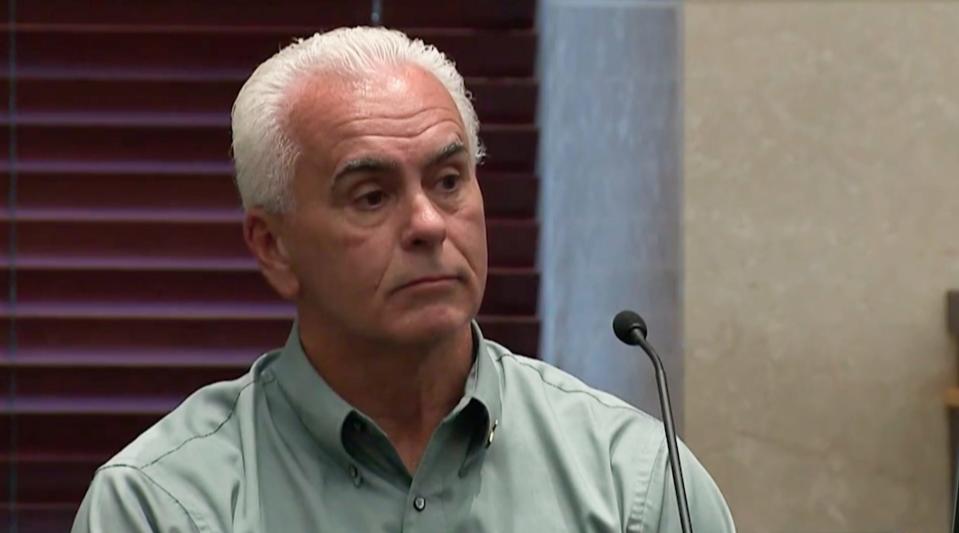
That question — who — would take years to reach a courtroom.
THE TRIAL AND THE VERDICT
The trial opened in May 2011.
It ran six weeks in an Orlando courtroom.
The prosecution argued that the mother murdered her child to live a carefree life.
The defense argued that the child drowned accidentally in the family pool on June 16, 2008.
The defense said the grandfather helped cover it up.
The grandfather denied it.
On July 5, 2011, the jury returned.
The mother was found not guilty of first-degree murder.
Not guilty of aggravated child abuse.
Not guilty of aggravated manslaughter of a child.
The courtroom erupted.
The public did not erupt quietly.
She was found guilty of four counts of providing false information to law enforcement.
The sentence was four years and a $4,000 fine.
She had already served that time awaiting trial.
She was released on July 17, 2011.
The verdict sparked protests.
Cable news commentators called it incomprehensible.
Crowds gathered outside the courthouse, shouting.
The mother walked free.
Why the jury reached that verdict is not in the record.
The jury's reasoning was never made public.
The public filled the gap with theories.
Some said the evidence was circumstantial.
Some said the defense had sowed enough doubt.
Some said the prosecution had failed to prove intent.
None of that is established.
What is established is the acquittal.
What is established is the release.
What is established is the outrage.
The mother left the courthouse, and the cameras followed her.
She has remained free since that day.
The public has not stopped asking how.
AND THE STORY STILL ISN'T OVER
The cameras followed her out, and then they followed her home.
She has remained free since that day, and she has kept a low public profile.
She has appeared in occasional media interviews, but she has not explained the 31 days.
Not because she has nothing to say.
Because she has chosen not to say it.
The public has not stopped asking how.
The verdict was debated then, and it is debated now.
Documentaries revisit the case.
Retrospectives replay the 911 call.
Commentators still argue over the duct tape, the chloroform, the odor in the trunk.
They argue over whether the mother looked too calm.
They argue over whether the grandfather was involved.
They argue over whether the drowning theory holds.
The record does not settle any of it.
The record settles only what happened in court: the acquittal, the four counts of false information, the release.
A real woman with the same name as the alleged babysitter sued the mother for defamation.
The case was settled in 2012.
The terms were not made public.
The grandparents have remained in Florida.
The mother has remained in Florida.
The public has remained in the story.
What has changed since the release?
Nothing new is in the record.
No confession, no new evidence, no second trial.
Only the interviews, the documentaries, the retrospectives, the questions.
She was acquitted.
She is not convicted.
She is not cleared, either.
That would require evidence the record does not contain.
So the story sits where the jury left it.
The mother is free.
The public is not.
Advertisement
You may also like
The bloody glove found at O.J. Simpson’s estate that split a nation
A single glove lay on the walk outside Nicole Brown Simpson’s condominium on Bundy Drive. Police found it on the night of June 12,…
A 12-year-old girl was among the victims — and her parents kept coming to court
The youngest name on the list was twelve years old. Between October 1977 and February 1978, ten young women and girls were abducted, sexually…
Why a therapist's tape recording changed the Menendez brothers' murder case
The 911 dispatcher logged the call at 11:47 p.m. on August 20, 1989. Lyle Menendez told the operator his parents had been shot. He…
The confession that named 11 victims — but never made it to trial
In 1965, a man already in custody for other crimes gave a detailed confession to a series of murders that had terrorized Boston since…
The plea deal that let Epstein walk — and the 2018 report that changed everything
In 2018, the Miami Herald published a series by Julie K. Brown on Jeffrey Epstein’s 2008 plea deal. The series documented what federal prosecutors…
The fingerprint on a pillowcase that sealed a killer's fate — and the appeals that keep him alive
The pillowcase was ordinary. It sat in Polly Klaas's mother's home in Petaluma, California, on the night of October 1, 1993. Twelve-year-old Polly was…