The August 1969 headlines that turned a murder case into a national obsession
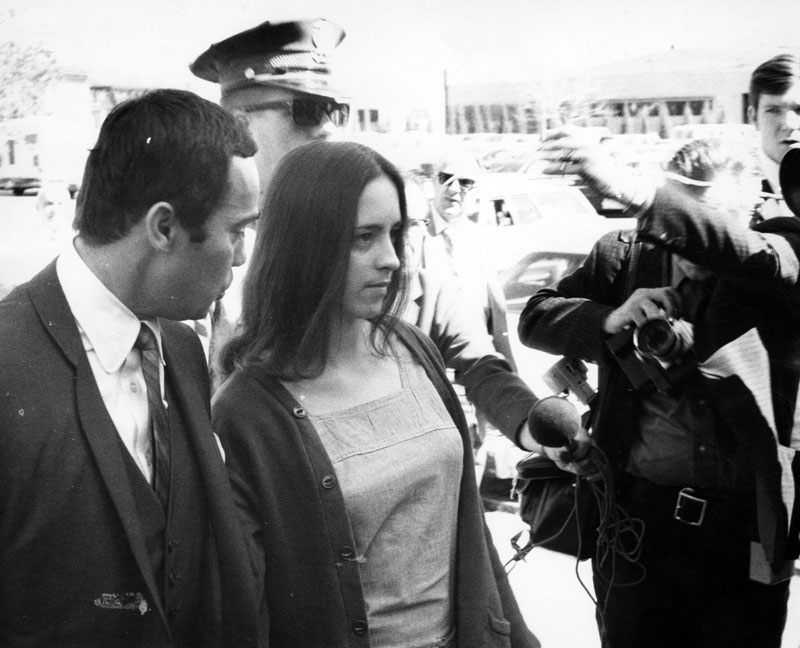
The first headlines arrived before the bodies were cold.
Five people were dead at a Benedict Canyon home, among them actress Sharon Tate, eight and a half months pregnant.
The next night, two more were murdered in their Los Feliz home.
The public read the names over breakfast, then again at dinner, then again for months.
The media reaction was intense and sensationalized.
Headlines turned the killings into a running story, a daily installment of fear and fascination.
Neighbors locked doors that had never been locked.
Strangers studied the faces of the dead in newsprint, looking for an answer that would not come.
The case became a symbol of the perceived breakdown of social order in the late 1960s.
Not because the murders were random.
But because they were so hard to explain.
The initial investigation found no obvious motive.
The Tate murders were first suspected to be drug-related or a random attack.
The LaBianca murders were initially thought to be a copycat crime.
Two crime scenes, seven dead, and no thread connecting them.
How did this become a national obsession?
How did a single week in August hold the country's attention for years?
How did a name like Charles Manson become shorthand for evil?
That would require evidence.
The media supplied a portrait first: Manson as a charismatic, evil cult leader.
That portrayal shaped public perception before the trial began.
The specific details of the weapons and vehicle are not fully established in the record.
Accounts vary.
Knives and a gun, a car driven by the killers — that much was reported.
The rest was rumor, repetition, and readership.
The story was bigger than the facts.
It still is.
TWO NIGHTS, SEVEN DEAD
The Tate housekeeper arrived for work the morning after the first night and found the bodies.
She was on the ground below the headlines.
Five people were dead at 10050 Cielo Drive: Sharon Tate, eight and a half months pregnant; her friends Jay Sebring and Abigail Folger; and two others.
The following night, August 10, 1969, Leno and Rosemary LaBianca were murdered in their Los Feliz home.
:max_bytes(150000):strip_icc()/Susan-Atkins-030525-eaa8484463b84c80803b4a1e3bcc9cfe.jpg)
Two nights. Seven dead.
The exact sequence of events inside the houses is not detailed in the record.
The source states the victims and the discovery.
Nothing more.
The initial investigation was hampered by a lack of obvious motive.
The Tate murders were first suspected to be drug-related or a random attack.
The LaBianca murders were initially thought to be a copycat crime.
Not connected.
Not yet.
The investigation was criticized for early missteps, including the failure to link the two crime scenes quickly.
Was it the same killers?
Was it a coincidence?
Was it something worse?
That would require evidence.
The housekeeper found what the night had left.
The media found a story.
The public found a fear.
The record holds the names, the dates, the addresses.
It holds the confusion of the investigators.
It does not hold the hours between the first door and the last breath.
Those remain open.
THE JAILHOUSE BREAKTHROUGH
The breakthrough came from inside a jail cell.
Susan Atkins, held on unrelated charges, began talking to her cellmates.
She told them about the murders.
The exact content of her statements is not specified in the record.
What is specified is the result: her words led to the arrests of Manson and the others.
The arrests gave the case what the investigation had lacked.
It had fingerprints.
It had bloodstained clothing.
It had the testimony of Linda Kasabian, who was present during the Tate murders and later became the key prosecution witness.
She was granted immunity.
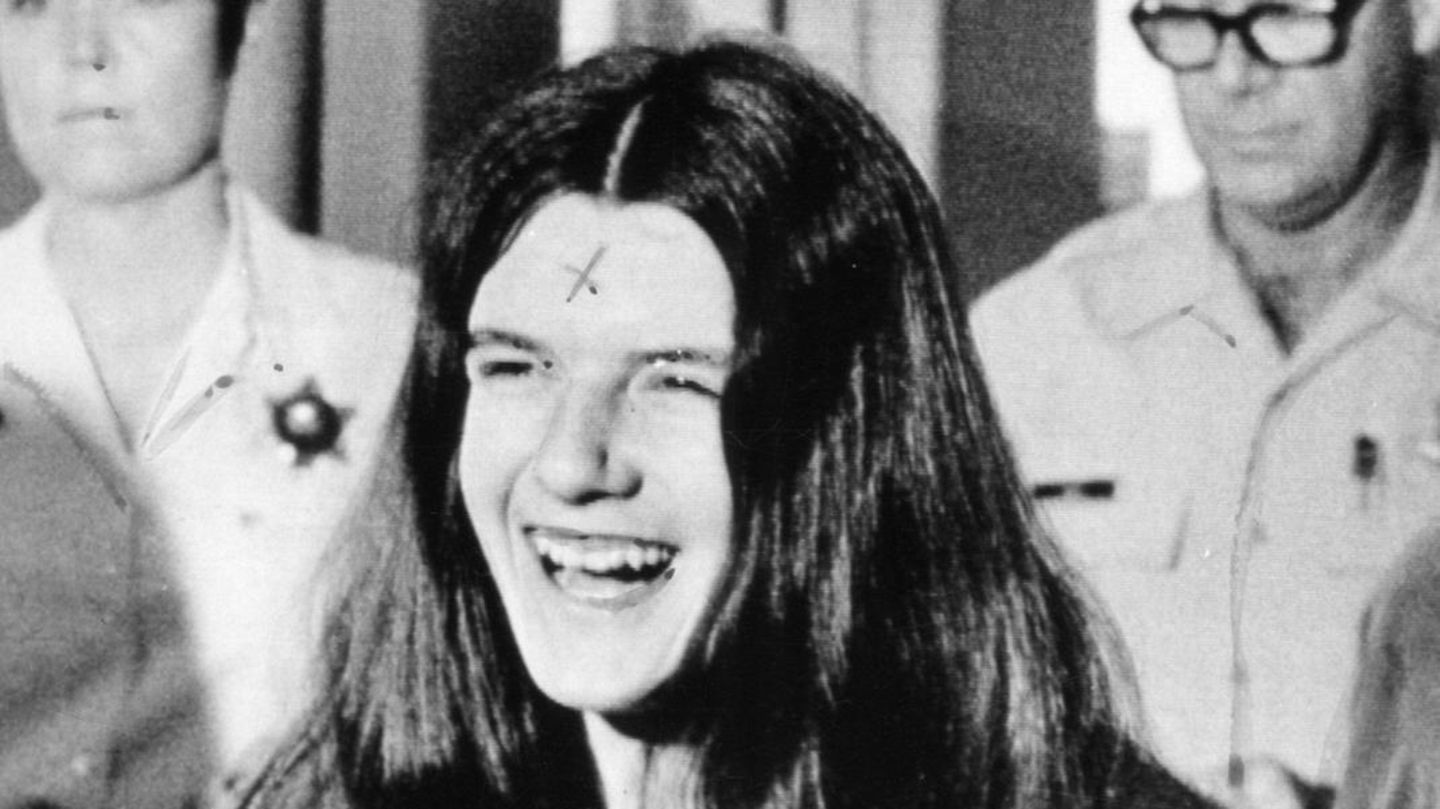
The prosecution argued that Manson orchestrated the murders to incite a race war he called "Helter Skelter."
The term came from a Beatles song.
That was the theory.
That was the story the prosecution would tell.
The media had already been telling its own stories for months.
The headlines had been loud since August.
Now they had names to print.
Now they had faces.
The public had been gripped by fear and fascination.
The case had become a symbol of the perceived breakdown of social order in the late 1960s.
The media's portrayal of Manson as a charismatic, evil cult leader shaped public perception.
The trial would be covered extensively by newspapers and television.
The relief of a breakthrough.
The shock of what the breakthrough revealed.
The frenzy was just beginning.
THE TRIAL AND THE TWO STORIES
The trial began in June 1970.
Manson, Watson, Atkins, Krenwinkel, and Van Houten stood charged with first-degree murder and conspiracy.
Vincent Bugliosi led the prosecution.
His case rested on Linda Kasabian's testimony and the jailhouse statements Susan Atkins had made to cellmates.
The defense answered with a different story.
Manson was not present at the murders, they argued.
The others acted independently.
The defense's full argument is not detailed in the record.
Only that claim remains: he was not there, they acted alone.
Two stories, then, ran side by side through the courtroom.
One story said Manson orchestrated everything, a mastermind directing a race war he called "Helter Skelter."
The other story said the killings had no single architect.
The media had already chosen its version.
Manson as the charismatic, evil cult leader dominated the headlines.
The public was gripped by fear and fascination.
Every day of testimony was covered by newspapers and television.
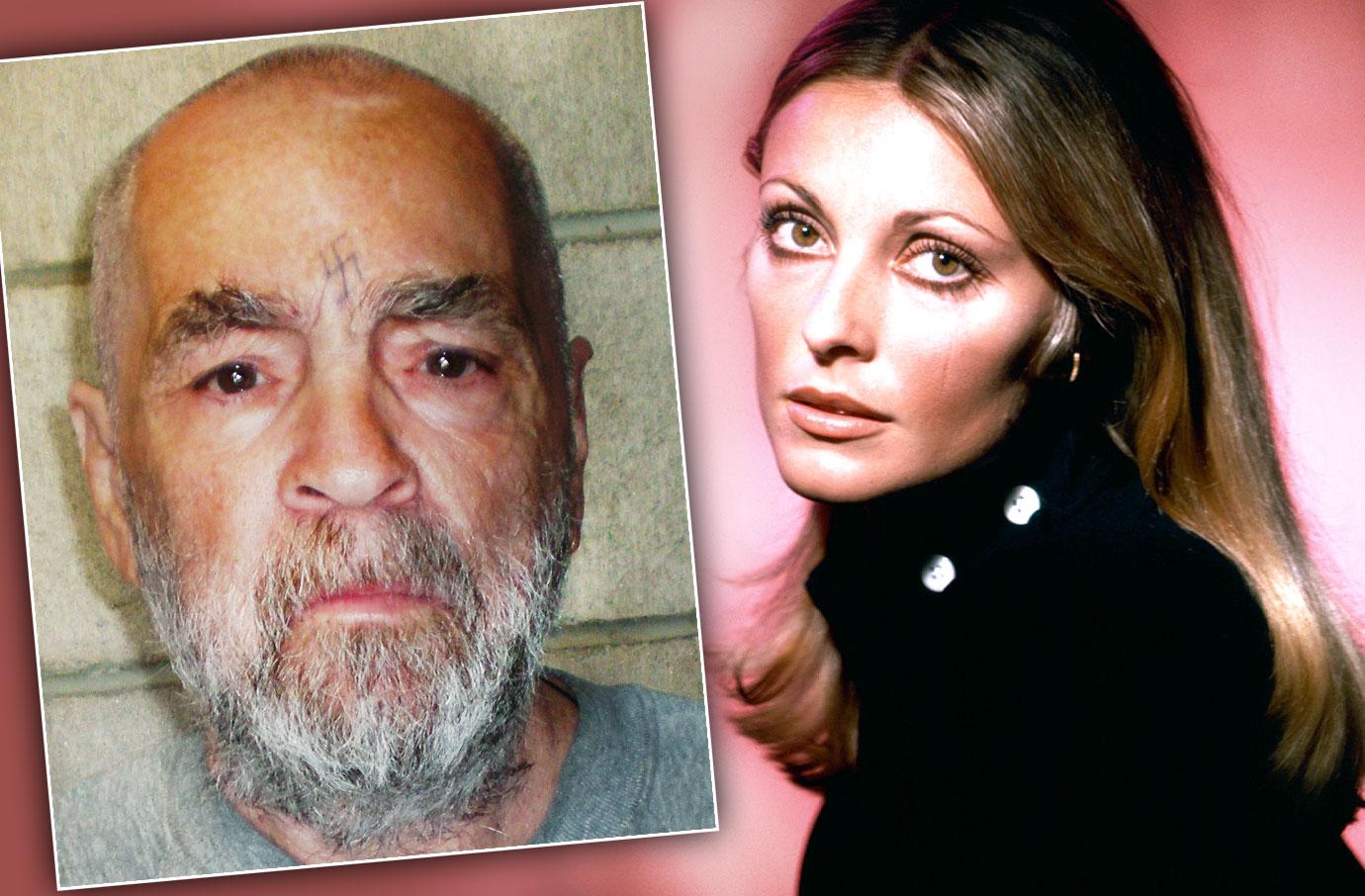
The case became a symbol of a social order coming apart.
In January 1971, the jury returned.
All five defendants were found guilty.
They were sentenced to death.
Then the story shifted again.
The California Supreme Court abolished the death penalty in 1972.
The sentences were commuted to life in prison.
The convictions stood.
The two stories did not.
One had won in court.
The other had won in the papers.
Which one was true?
That would require evidence the record does not settle.
AND THE STORY STILL ISN'T OVER
The verdicts landed in January 1971.
All five were found guilty.
They were sentenced to death.
Then the California Supreme Court abolished the death penalty in 1972, and their sentences were commuted to life in prison.
They remained in prison for decades.
Charles Manson died in prison on November 19, 2017, at the age of 83.
Susan Atkins died in prison in 2009.
Charles "Tex" Watson remains incarcerated.
Patricia Krenwinkel remains incarcerated.
Leslie Van Houten was granted parole in 2023 after multiple denials, and was released.
The case remains one of the most notorious in American criminal history.
The media's coverage at the time has been studied as an example of sensationalism and moral panic.
It has been the subject of numerous books, films, and documentaries.
The current status of any pending legal actions is not in the record.
The source only states the outcomes listed.
Not because the story was settled.
But because the story never really ended.
It was a headline in 1969.
It is a case study now.
That is the long shadow.
That is the ongoing relevance.
Advertisement
You may also like
Emmett Till's body was found by a cotton gin fan — but the trial's first witness changed everything
The fan was tied around his neck with barbed wire. Four days after the abduction, Emmett Till's body came up from the Tallahatchie River.…
The Glasgow smile and the letters that named no killer
The letters came to the Los Angeles Herald-Express in the weeks after the body was found. They claimed responsibility for the murder. The envelope,…
The 1968 letter that promised a killer's name but never revealed it
It arrived at a California newspaper in 1968, a letter with a promise inside. It said the writer would reveal the killer’s name in…
The bushy-haired intruder Dr. Sam Sheppard said he saw — but the blood spatter told a different story
The neighbor found him calling out on the lawn. It was July 4, 1954, in Bay Village, Ohio, a lakeside suburb of Cleveland. Dr.…
The Chattahoochee River splash that turned a stakeout into the Atlanta Child Murders' turning point
The bridge over the Chattahoochee River was quiet that night. Police were staked out on it, watching the water below. They had come after…
The 3:15 a.m. scream heard by a neighbor who shouted back — then silence for 10 minutes
At approximately 3:15 a.m. on March 13, 1964, Catherine "Kitty" Genovese, 28, was attacked outside her apartment building at 82-70 Austin Street in Kew…