The bloody glove found on O.J. Simpson's walkway — and the detective who says he discovered it
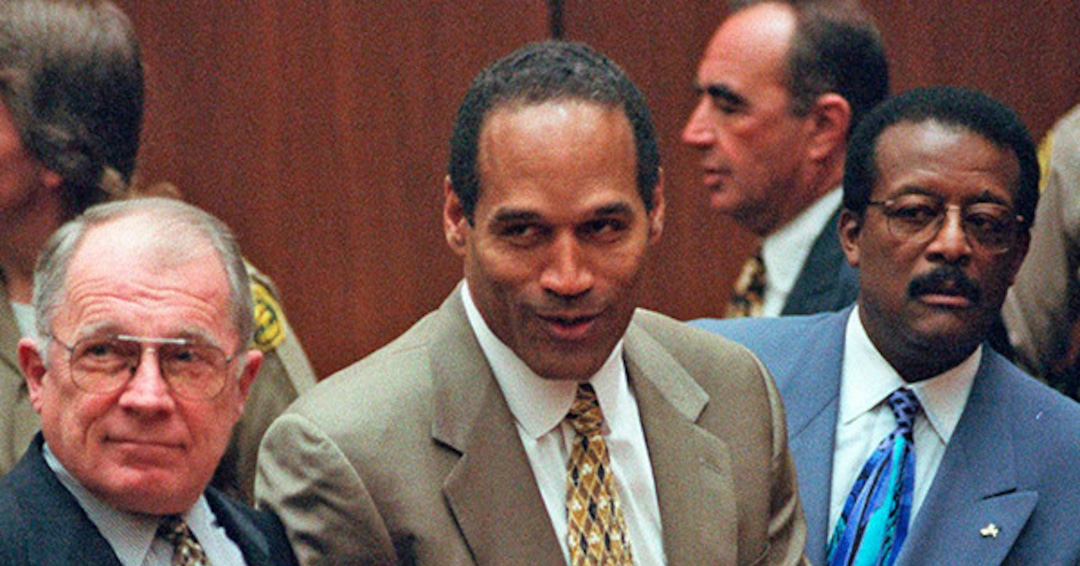
The glove lay on the walkway at O.J. Simpson's estate, bloodied, one of a pair.
A detective says he found it there.
The record gives him no name.
He is the detective who says he discovered it, and that is how the record keeps him.
The glove was later matched to a glove found at the crime scene, where two people had been stabbed to death hours earlier.
It became a pivotal piece of evidence.
It is also the subject of a claim: that it was planted.
That claim is a defense argument, not a fact the record establishes.
Whether the glove was planted remains unproven.
The prosecution said the glove was genuine, a link between Simpson and the murders.
The defense said it was tainted, placed there to frame him.
The detective's own credibility later collapsed when tapes surfaced of him using racial slurs and boasting about planting evidence.
But the tapes do not prove the glove was planted.
They prove the detective said those words.
The glove's origin sits between those two things: what the prosecution argued, what the defense claimed, and what the record does not settle.
A neighbor walking her dog had found the first body at 12:10 a.m.
Police responded, and they focused on Simpson.
He had flown to Chicago that night; he returned and was questioned.
The glove on the walkway was discovered during that response.
It was a detail found in the dark, on a path leading to a man's home.
The man would be charged with two counts of first-degree murder.
He would be acquitted.
But the glove remains where the case left it: a piece of evidence whose discovery is now a story told two ways.
One way says it was found.
The other says it was placed.
The record supports the first.
The record does not support the second.
That would require evidence the record does not contain.
THE NIGHT OF JUNE 12
The neighbor was walking her dog.
It was approximately 12:10 a.m. on June 12, 1994.
She found Nicole Brown Simpson's body outside the condominium on Bundy Drive in Brentwood.
She called police.
Nicole Brown Simpson and a waiter were both dead.
The waiter had come to return eyeglasses Nicole had left at a nearby restaurant earlier that evening.
Both had been killed with a knife.
Nicole's throat was cut.
The waiter suffered multiple stab wounds.
The victims were pronounced dead at the scene.
The exact time of death is not in the record.
The street was quiet.
The bodies were outside, in the open.
The dog walker had not expected to find anything.
She found what the night had left there.

The knife was never recovered.
The murder weapon was not found.
The record says what happened that night.
It does not say everything.
THE DETECTIVE'S DISCOVERY
Police responded to the scene and quickly focused on Simpson.
At Simpson's estate, a detective discovered a bloody glove on the walkway.
The glove was later matched to a glove found at the crime scene.
The detective's name is not in the record; he is referred to only as the detective who made the discovery.
The exact chain of custody of the glove is not detailed.
Simpson had flown to Chicago that night.
He returned and was questioned.
A blood sample was taken from Simpson.
Later analysis linked his blood to the crime scene and the Bronco.
The prosecution presented DNA evidence.
The defense attacked the handling of the evidence, suggesting contamination and police misconduct.
Not because the science was wrong.
But because the people who handled it could be doubted.
The detective's credibility collapsed when tapes surfaced of him using racial slurs and boasting about planting evidence.
The defense exploited that.
They argued the glove was not found.
They argued it was placed.
The record shows the glove was found by a detective.
It does not show who placed it there.
That would require evidence.
Simpson was questioned, not arrested, that night.
He was charged later.
The glove rested on the walkway.
The blood matched.
The defense said the blood was tainted.
The defense said the glove was planted.
The prosecution said the evidence was genuine.
One glove at the crime scene.
One glove on the walkway.
A pair, the prosecution argued.
A plant, the defense argued.
The record holds both stories.
It does not resolve them.
THE TWO STORIES OF THE GLOVE
The glove fit one story.
To the prosecution, it was proof: a bloody glove on Simpson's walkway, matched to a glove found beside the bodies.
The prosecution argued the glove was genuine evidence linking Simpson to the murders.
To the defense, it was a frame.
The defense argued the evidence was tainted and that Simpson was framed, pointing to the detective's credibility.
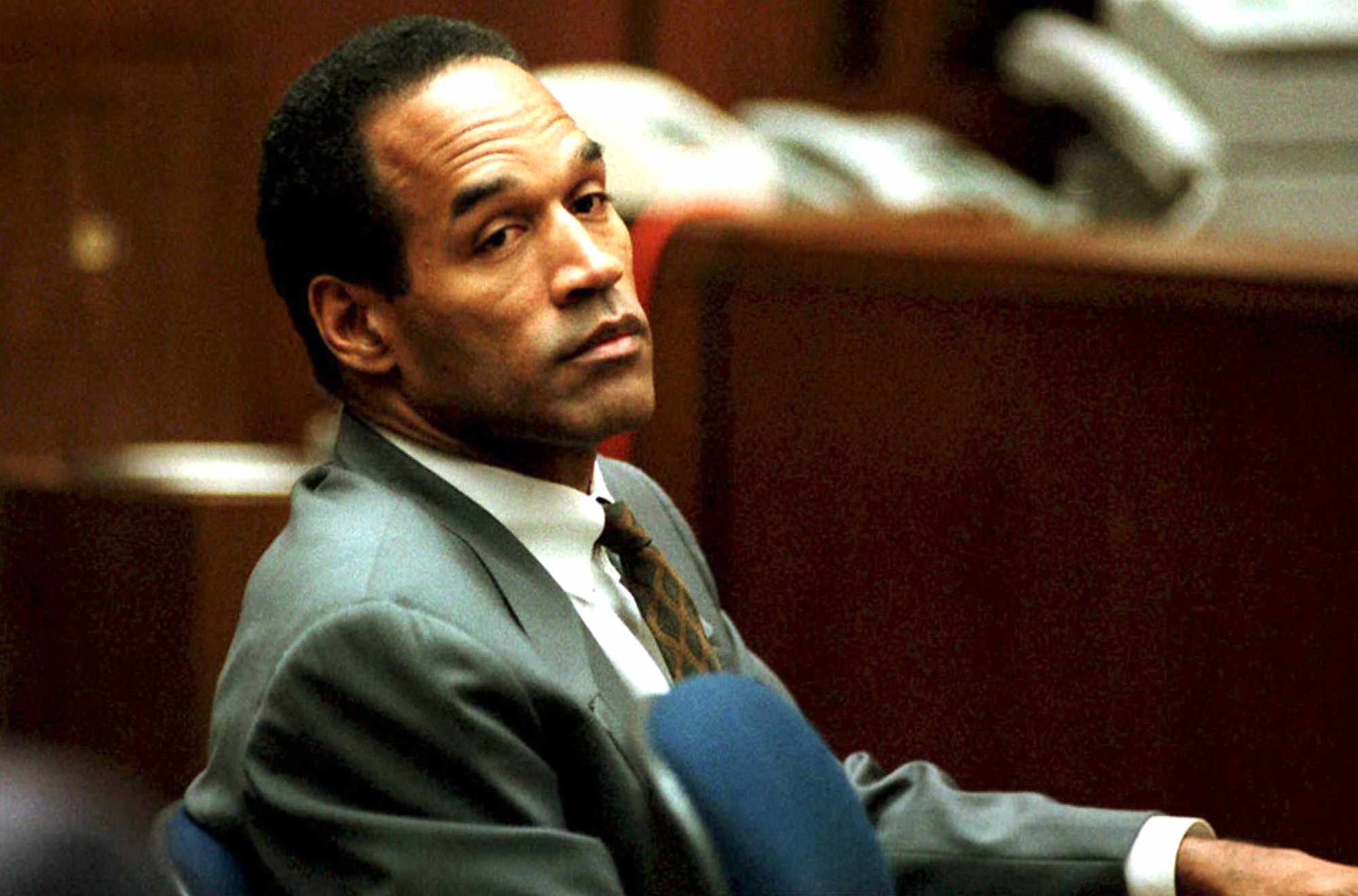
The detective who said he found the glove had, according to tapes that surfaced, used racial slurs and boasted about planting evidence.
His credibility collapsed.
The defense exploited those statements to argue the glove was planted.
Whether the detective actually planted the glove is not established; it is a defense claim.
Then came the demonstration.
In the courtroom, Simpson struggled to put on the leather gloves.
They seemed too small.
The defense called it proof the gloves were not his.
The prosecution called it a trick of swollen hands and dried leather.
The same glove, two stories.
It was evidence.
It was a planted lie.
It was both, to different people in the same room.
The record holds both stories.
It does not resolve them.
AND THE STORY STILL ISN'T OVER
Simpson was charged with two counts of first-degree murder in June 1994.
The trial began in January 1995 and lasted nearly nine months, broadcast live on television.
On October 3, 1995, the jury acquitted him of both murder charges.
The verdict split the country along lines that had little to do with the evidence.
A civil trial followed in 1997.
A jury found Simpson liable for the wrongful deaths of Nicole Brown Simpson and the waiter.
He was ordered to pay $33.5 million in damages to the families.
The murder weapon was never recovered.
That fact remains in the record, unaltered by either verdict.
Simpson moved to Florida after the acquittal.
In 2007, he was arrested in Las Vegas for armed robbery and kidnapping.
He was convicted in 2008 and sentenced to 9 to 33 years in prison.
He was granted parole in 2017 and released in October of that year.
Simpson died of cancer on April 10, 2024, at age 76.
The families kept pursuing the civil judgment long after the criminal case closed.
The criminal case remains one of the most controversial trials in American history.
It is a case about a glove, a Bronco, a jury, and a verdict.
It is also a case about what the record does not establish.
The weapon was never found.
The glove's journey from the walkway to the courtroom was never fully resolved.
The acquittal did not settle the argument.
The civil judgment did not settle it either.
Neither did the conviction in Las Vegas.
Neither did the death.
The questions remain open, the same questions asked in 1995.
What happened on the walkway that night?
Who put the glove there?
What did the detective see?
The record holds the discovery.
It does not hold the answer.
Advertisement
You may also like
Why the FBI's tear gas assault on Waco preceded a fire that killed 76 — and who started it remains unknown
On April 19, 1993, FBI armored vehicles punched holes into the walls of the Mount Carmel Center compound near Waco, Texas, and inserted tear…
The desert graves that were found three years after a family vanished
The television was still on. Uneaten dinner sat on the table. The family dog was in the backyard. Both vehicles were still at the…
The false babysitter story that unraveled Casey Anthony's defense
She gave them a name. A babysitter named Zenaida Fernandez-Gonzalez, she told investigators, had taken her daughter. The name was repeated in news coverage.…
How a 14-year-old's open-casket funeral forced a nation to look at Emmett Till
She had the casket opened. Emmett Till's body came back to Chicago from the Tallahatchie River, where it was pulled from the water on…
The package to the Los Angeles Examiner that claimed to hold Black Dahlia clues
The package sat in a pile of mail at the Los Angeles Examiner, unremarkable until someone opened it. Inside were Elizabeth Short's address book…
Inside the taunting Zodiac letter that made a reporter a target
The envelopes arrived at the San Francisco Chronicle with return addresses that did not exist. Inside were letters, each one a taunt, each one…