Boston women bought locks and guard dogs as 11 stranglings went unexplained
The locks sold out first.
Then the guard dogs.
Between June 1962 and January 1964, a series of murders of women in the Boston area — ultimately 11 killings attributed to a single offender — terrorized the city.
Women bought deadbolts and chain latches and wedges for the doorframe.
They bought dogs to bark at the landing.
The victims were strangled, often with their own stockings or clothing, and several were sexually assaulted.
That detail did the work: the killer used what was already in the room.
The public response was marked by fear, panic buying of locks and guard dogs, and intense pressure on law enforcement.
The newspapers called it the work of the "Boston Strangler."
The name is a label, not a proven fact.
The identity of the offender is not established at this point.
That is what the record shows: eleven deaths, one label, no named man in handcuffs.
A city held its breath behind new locks.
A city listened for the dog's bark in the dark.
A city asked who was next, and when, and where.
That would require evidence.
The evidence was still being gathered, badly, across a patchwork of police departments and a state attorney general's office.
No physical evidence linked a single suspect to all the murders.
So the locks went up.
So the dogs came in.
So the women checked the chain twice.
They were symptoms, not a solution.
JUNE 1962 — THE FIRST KILLING
The first widely attributed victim was found in her apartment on June 14, 1962.
She was strangled, and the city began to count.
The killings continued through 1963, and the ages of the victims ranged from 19 to 85.
The pattern was the same, and the pattern was the story.
The case dominated local headlines, then national ones.
Papers sold on dread.
Women bought the locks, and the dogs came in.
So the questions started, and the institutions fumbled.
The investigation was hampered by jurisdictional disputes among Boston-area police departments and the state attorney general's office.
Each force had its own streets, its own files, its own silence.
A special task force was formed.
It was a response, not a solution.
No physical evidence linked a single suspect to all the murders.
That link was not established then, and it is not established now.
The attribution of the first killing to a single offender is not proven.
It is a theory built on a pattern, and the pattern was built on fear.
The task force worked.
It collected reports, chased leads, weighed statements.
What it did not find was a thread.
What it did not find was a name.
The public wanted an answer, and the public got a task force.
The media wanted a monster, and the media got a label.
The label stuck.
The evidence did not.
So the women checked the chain twice, and the dogs stayed close.
They were symptoms, not a solution.
The pattern spread, and the dread spread with it.
The first killing was the opening, and the count kept climbing.
JANUARY 1964 — THE LAST KILLING
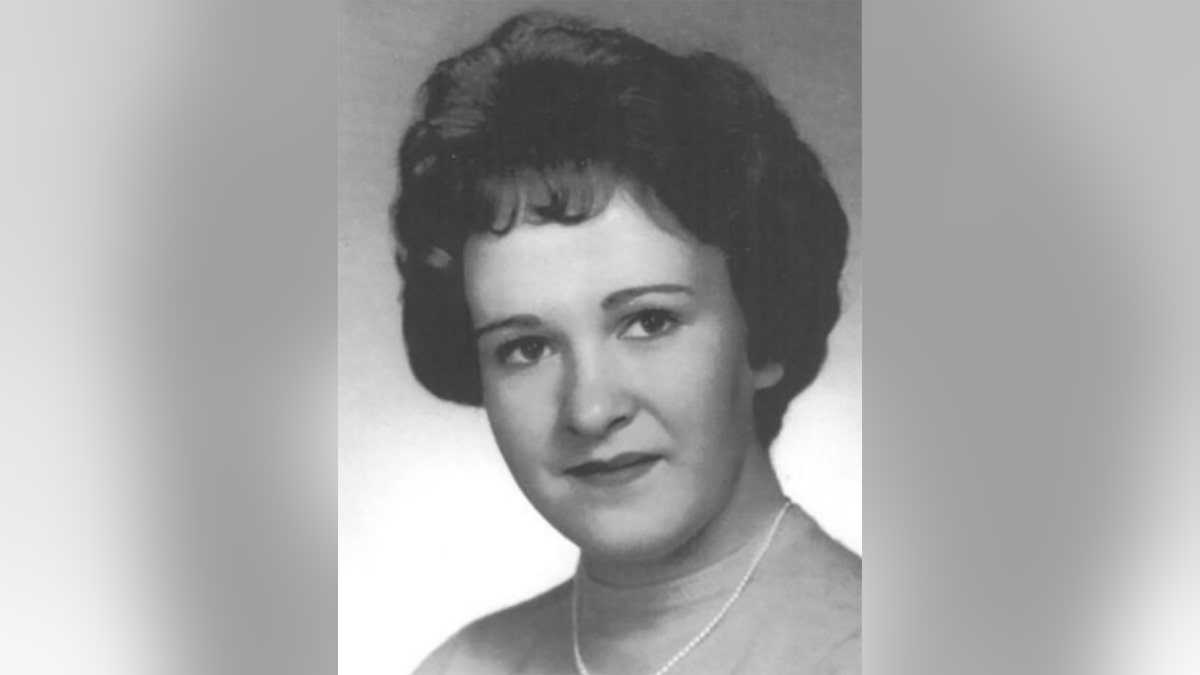
The last killing attributed to the Strangler was Mary Sullivan, found on January 4, 1964.
She was 19.
The pattern stopped there, not because it was solved, but because it simply stopped.
Her brother later fought to have her case re-examined.
He wanted answers the record had never given.
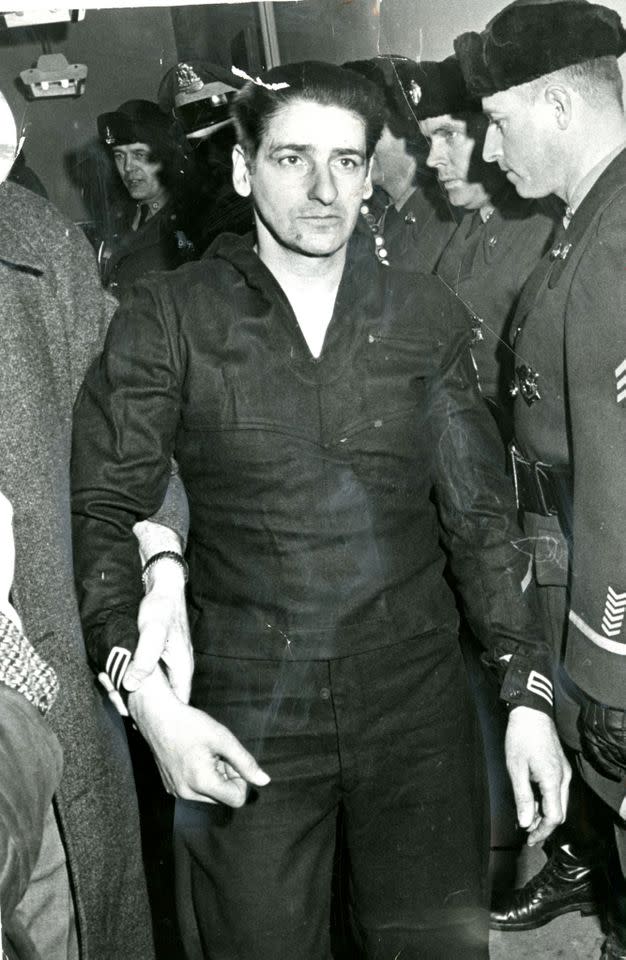
In 1964, Albert DeSalvo was arrested on unrelated charges of armed robbery and sexual assault.
While in custody, he confessed to being the Boston Strangler.
He gave detailed accounts of the murders.
The prosecutor took the confession.
It was lengthy.
It was graphic.
It was a story that fit the headlines.
But no physical evidence corroborated the confession.
DeSalvo was never charged with the murders.
That is what the record establishes.
The confession was taken, and the confession was never tested in court.
The killings had terrorized the city; the confession was supposed to close it.
It did not close it.
It raised a question the record still leaves open: did he do it?
Not because the confession proved it.
But because nothing else was ever proven either.
The public had bought locks and guard dogs.
The dread had spread, and then the dread had nowhere to go.
Mary Sullivan was the last name.
The case went quiet, but it did not go closed.
THE CONFESSION AND THE TRIAL
The confession was lengthy. It was graphic.
A prosecutor in the attorney general's office, John S. Bottomly, took it down while DeSalvo sat in custody.
DeSalvo described the apartments. He described the stockings. He described the women.
None of it was ever tested in court.
No physical evidence corroborated the confession. DeSalvo was never charged with the murders.
He stood trial in 1967, but not for the stranglings. He stood trial for armed robbery and sexual assault.
His defense attorney, F. Lee Bailey, tried a strange strategy. He put the Strangler confession into the trial as part of the defense.
It did not affect the outcome. DeSalvo was convicted of the robbery and the assault.
He was never convicted of any murder. The trial did not address the murders at all.
The confession’s truth is not established. The record does not establish it, and the courtroom never did either.
A man said he did it. A prosecutor wrote it down. A jury heard about it in a case about other crimes.
And the stranglings stayed unexplained.
Was the confession real? Was it a performance? Was it a man who wanted a name for himself?
That would require evidence. The evidence was never produced.
The dread had spread, and then the dread had nowhere to go. It still has nowhere to go.
AND THE STORY STILL ISN'T OVER
Albert DeSalvo was found stabbed to death in his prison cell at Walpole State Prison in 1973.
He was killed by another inmate.
He was never convicted of any murder.
The Boston Strangler case remains officially unsolved.
No one was ever convicted of the murders.
In 2013, DNA testing on evidence from the Mary Sullivan case excluded DeSalvo as the source of semen found at the scene.
The testing was contested by some officials.
The case was not formally reopened.
That is what the record establishes, and that is where the record stops.
Mary Sullivan's brother continued to press for answers.
Attorney Elaine Whitfield Sharp represented the Sullivan family in the efforts to have the DNA testing done.
They wanted the question settled.
The question was not settled.
The case remains one of the most famous unsolved serial murder cases in American history.
It is the subject of numerous books, films, and documentaries.
Each retelling asks the same thing.
Was the confession real?
Was it a performance?
Was it a man who wanted a name for himself?
That would require evidence.
The evidence was never produced.
The locks have been taken off the doors.
The guard dogs are long gone.
The dread had spread, and then the dread had nowhere to go.
It still has nowhere to go.
Advertisement
You may also like
The handwritten confession scrawled on a boat's interior that sealed Dzhokhar Tsarnaev's fate
The boat sat in a Watertown backyard, tarp pulled over it, ordinary as any lawn ornament. On April 19, 2013, Dzhokhar Tsarnaev was found…
The glove that fit one hand in court but not the other — O.J. Simpson's trial
In June 1995, in a Los Angeles courtroom, O.J. Simpson struggled to pull on a pair of leather gloves. One appeared to fit. The…
The confession Amityville killer recanted, then the haunting story that followed
Six bodies, each in a bed, in a house on Ocean Avenue. The morning was November 13, 1974, in Amityville, New York. The dead…
The crawl space on West Summerdale Avenue that held 26 bodies — what police found when they dug
Robert Piest was 15 years old, and on December 11, 1978, he told his mother he was going to meet a contractor about a…
The 2013 DNA match that finally tied DeSalvo to Mary Sullivan's murder — 49 years later
She was found in her Beacon Hill apartment on January 4, 1964. Mary Sullivan was the last of the thirteen. For 49 years, no…
The cellphone video that captured Alex Murdaugh's voice near the kennels
The video was recorded at 8:44 p.m. on June 7, 2021. Paul Murdaugh's cellphone captured it near the dog kennels where the bodies were…