Gloves, DNA, and a judge who let cameras in: inside O.J. Simpson's trial
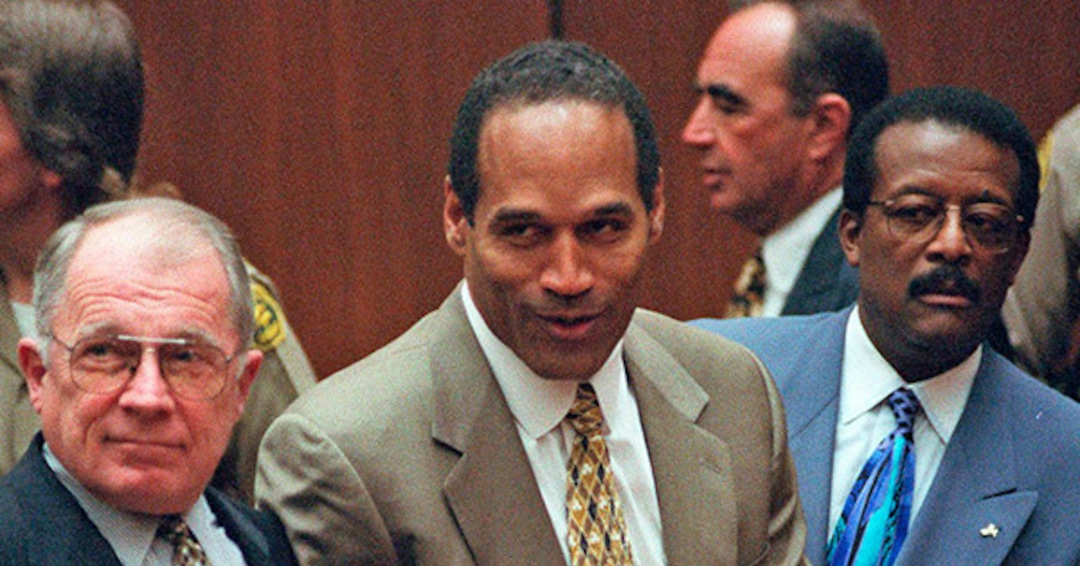
It was a pair of gloves, held out in a Los Angeles courtroom, and O.J. Simpson tried them on.
They appeared not to fit.
The moment, broadcast live because Judge Lance Ito allowed cameras into the courtroom, became the defining image of the trial.
Johnnie Cochran, for the defense, argued: "If it doesn't fit, you must acquit."
The prosecution, led by Deputy District Attorneys Marcia Clark and Christopher Darden, countered that the gloves had shrunk from blood exposure.
The gloves were physical evidence: one found at the crime scene on Bundy Drive, a matching one at Simpson's estate on Rockingham Avenue.
Was it the wrong pair?
Did they shrink in the blood?
Was the fit an illusion of leather and latex, a trick of the eye on live television?
That would require evidence.
Whether the gloves truly did not fit, or had shrunk, was disputed; the record does not establish a definitive answer.
The pull of a single, unresolved image.
It is one moment in a trial that lasted nearly nine months.
It is also a flashpoint, a cultural shorthand, that carried a weight far beyond the courtroom.
But it was only one piece.
One glove, one argument, one image among the DNA, the police conduct, and the judge's decision to let the world watch every moment.
THE NIGHT ON BUNDY DRIVE
They were found outside the condominium on Bundy Drive, in the Brentwood neighborhood of Los Angeles.
A neighbor walking her dog discovered the bodies around midnight.
Both victims had been killed with a knife, and both were pronounced dead at the scene.
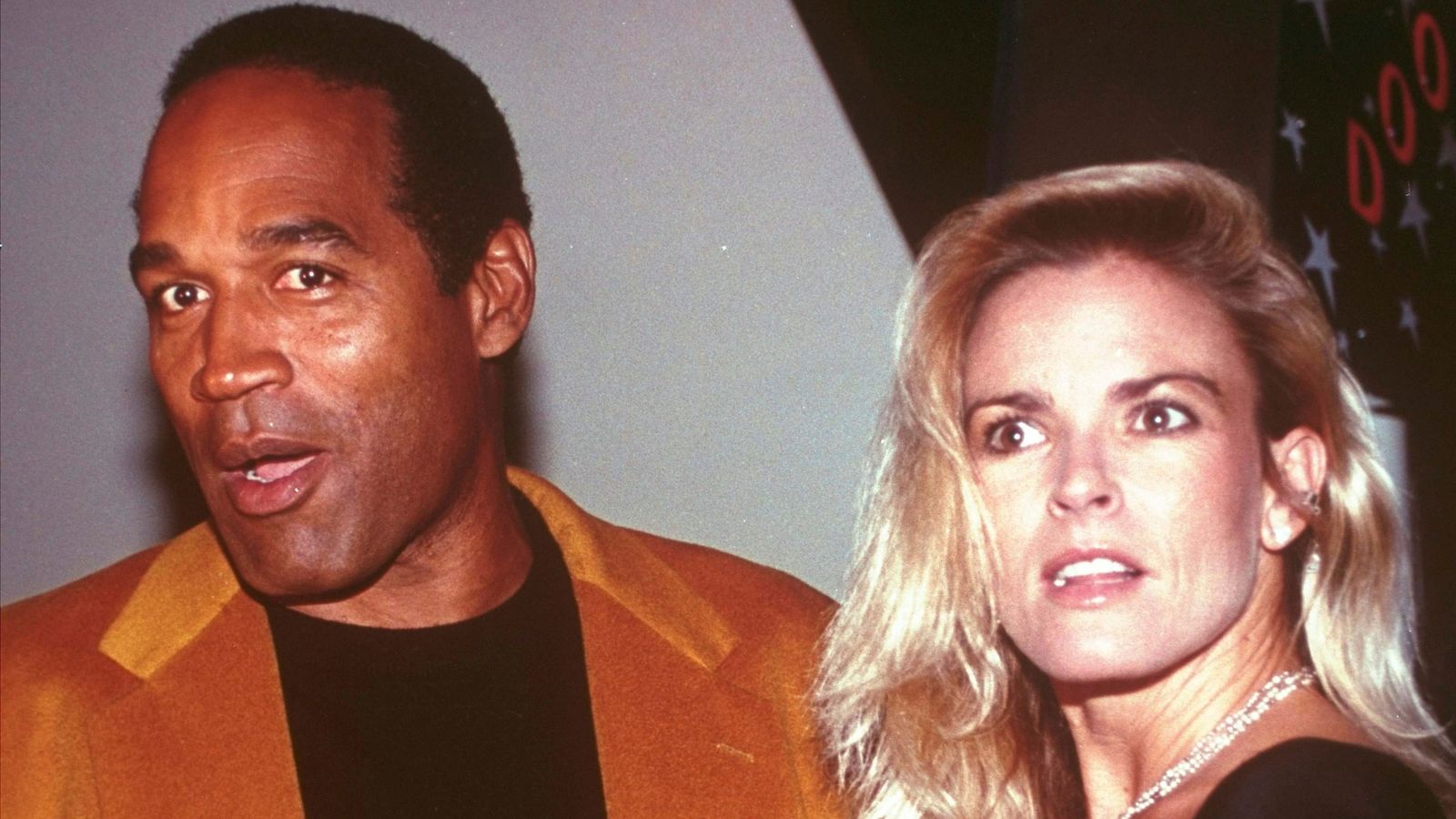
Goldman, a waiter at a nearby restaurant, had returned Nicole's glasses to her home that night.
He had suffered defensive wounds.
Nicole Brown Simpson was the ex-wife of O.J. Simpson, a former football star and actor.
Within days, he became the focus of the investigation.
On June 17, 1994, after failing to surrender as arranged, Simpson fled in a white Ford Bronco driven by his friend Al Cowlings.
Police followed in a slow-speed chase that was broadcast live on television.
He was taken into custody that evening.
The exact sequence of events inside the condominium is not in the record.
The knife used was never recovered.
The chase was a spectacle, watched by millions in real time.
The crime itself was grim and factual, a matter of wounds and a time of discovery.
Those two registers would define the case that followed: the horror of the scene, and the surreal glare of the cameras.
The Bronco crawled along the freeway, a parade of police cars behind it.
It was a surreal public spectacle, and it ended with an arrest.
The evidence would come later: the gloves, the blood, the DNA.
But that night, the story was simply two bodies, a dog walker, and a man in a white Bronco refusing to stop.
THE EVIDENCE AND THE DETECTIVE
Police found a bloody glove at the crime scene on Bundy Drive.
They found a matching glove at Simpson's estate on Rockingham Avenue.
Blood evidence linked Simpson to the victims, prosecutors argued.
The gloves and the blood placed him at the scene, they said.
The defense attacked the investigation.
They alleged police misconduct and contamination of evidence.
Detective Mark Fuhrman became a central figure.
Defense attorneys played tape recordings in which he used racial slurs.
He made statements suggesting he would fabricate evidence against black suspects.
The defense argued Fuhrman had planted the glove.
Whether Fuhrman actually planted the glove is not established by the record.
It was a defense argument.
The prosecution's case also included DNA evidence.
The defense challenged the handling and testing of the samples.
They questioned who touched the evidence, and when.
They questioned how the blood was stored, and by whom.
They questioned the chain of custody from the scene to the lab.
The record shows the samples were tested.
The record shows the defense disputed the results.
It does not show the samples were untouchable.
It does not show they were pure.
It shows a dispute between experts, argued in court.
Fuhrman took the stand and denied planting the glove.
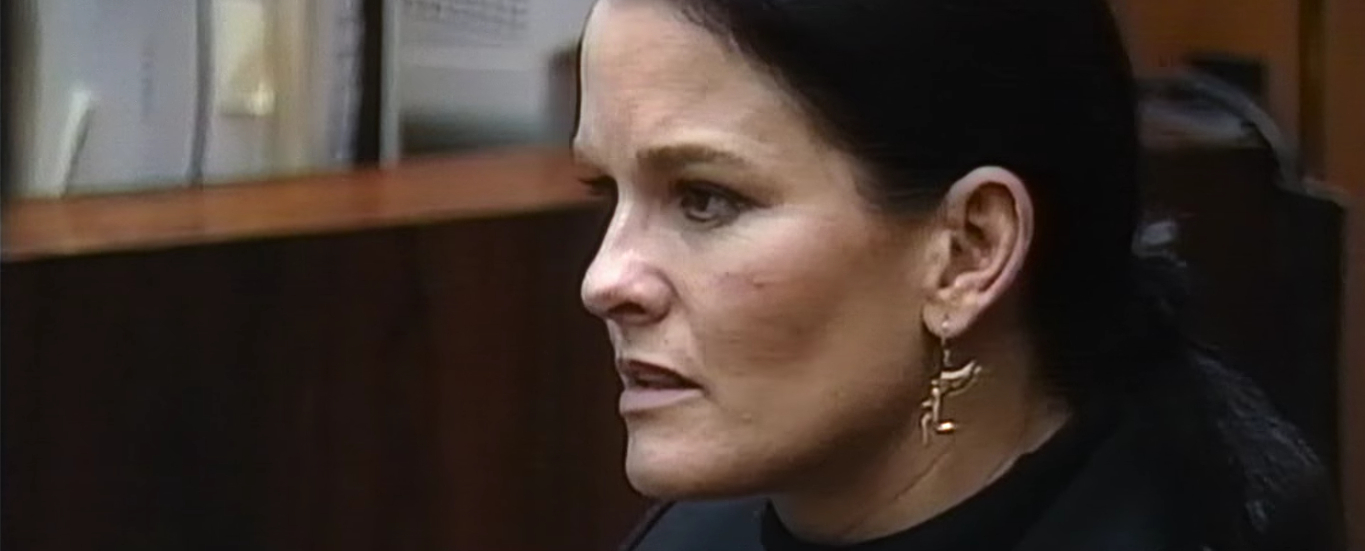
He denied using racial slurs in the past decade, according to his testimony.
The tapes contradicted him.
The defense played them for the jury.
The prosecution had to answer for their detective.
They had to answer for his words.
They had to answer for what those words suggested about the evidence.
The glove sat in the courtroom, a physical argument.
It was evidence.
It was also a symbol.
The trial would turn on what the jury believed about that glove, and about the man who said he found it.
THE TWO STORIES IN COURT
The prosecution, led by Deputy District Attorneys Marcia Clark and Christopher Darden, presented DNA evidence, witness testimony, and the gloves.
They argued the blood and the leather placed Simpson at the scene of the killings.
The defense, including F. Lee Bailey and Alan Dershowitz, argued a conspiracy.
They pointed to the lead detective, Mark Fuhrman, and the tape recordings played in court.
On those tapes, according to the record, Fuhrman used racial slurs and made statements suggesting he would fabricate evidence against black suspects.
The defense argued Fuhrman had planted the glove.
The trial began in January 1995.
It lasted nearly nine months, with proceedings televised gavel-to-gavel.
That was Judge Lance Ito's decision: to put every moment under public scrutiny.
%2Fdmn3xkgw.JPG)
The cameras caught the gloves that appeared not to fit.
They caught the argument, as stated in the record: "If it doesn't fit, you must acquit."
They caught the prosecution's counter: the gloves had shrunk from blood exposure.
Two stories, each complete, each irreconcilable.
One of forensic proof.
One of systemic betrayal.
On October 3, 1995, the jury acquitted Simpson of both first-degree murder charges.
The verdict was met with widespread public reaction.
It was a finality that settled nothing for many.
The jury's internal reasoning is not in the record.
The acquittal does not establish factual innocence.
In 1997, a civil jury in a wrongful death lawsuit brought by the Goldman and Brown families found Simpson liable for the deaths.
It awarded $33.5 million in damages.
The criminal case ended in one courtroom.
The civil case ended in another.
Both asked the same question.
Both returned different answers.
That would require evidence, and the record holds both.
AND THE STORY STILL ISN'T OVER
The full truth of what happened on June 12, 1994, is not established by the record.

The acquittal did not end the story.
In 2008, Simpson was convicted of armed robbery and kidnapping in Las Vegas, Nevada, and sentenced to 9 to 33 years in prison.
He was released on parole in October 2017.
He died on April 10, 2024, at age 76, after a battle with cancer.
Ronald Goldman's father, Fred Goldman, has continued to pursue the civil judgment.
The criminal case remains one of the most scrutinized trials in American history.
The debate about the evidence and the verdict continues.
The knife used in the murders was never recovered.
That is a fact the record states plainly.
It is also a fact the record cannot close.
Not because no one looked.
But because no one found it.
The glove was found. The blood was found. The verdict was found.
The knife was not.
What happened on Bundy Drive remains a question.
What the jury decided is documented. What the evidence proves is argued.
What the public remembers is the glove that didn't fit.
What the record holds is a case with no final word.
Simpson was acquitted of murder. He was convicted of other crimes. He died.
Fred Goldman still seeks what the civil judgment promised.
The full truth of June 12, 1994, is not established by the record.
That is not a theory.
That is the state of the case.
Advertisement
You may also like
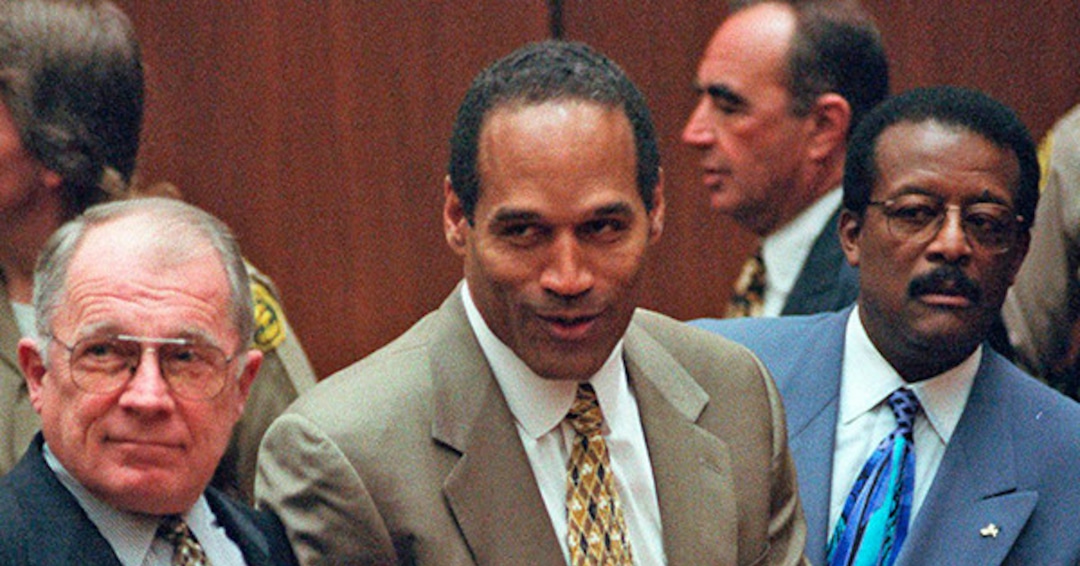
The glove that didn't fit: inside the trial that split a nation over O.J. Simpson
Judge Lance Ito allowed the jury to view O.J. Simpson trying on the gloves found at the crime scene and his estate. They appeared…
The truck painter who led detectives to 49 Green River victims — and the DNA that closed in on him
He painted trucks for a living. Gary Leon Ridgway lived in Auburn, Washington, a suburb south of Seattle. He was married multiple times. He…
The 1939 tip that put a suspect behind bars — but the murder charge never came
1939. A tip. A tip put a former bartender and carnival worker behind bars in Cleveland, Ohio. He was the most prominent suspect in…
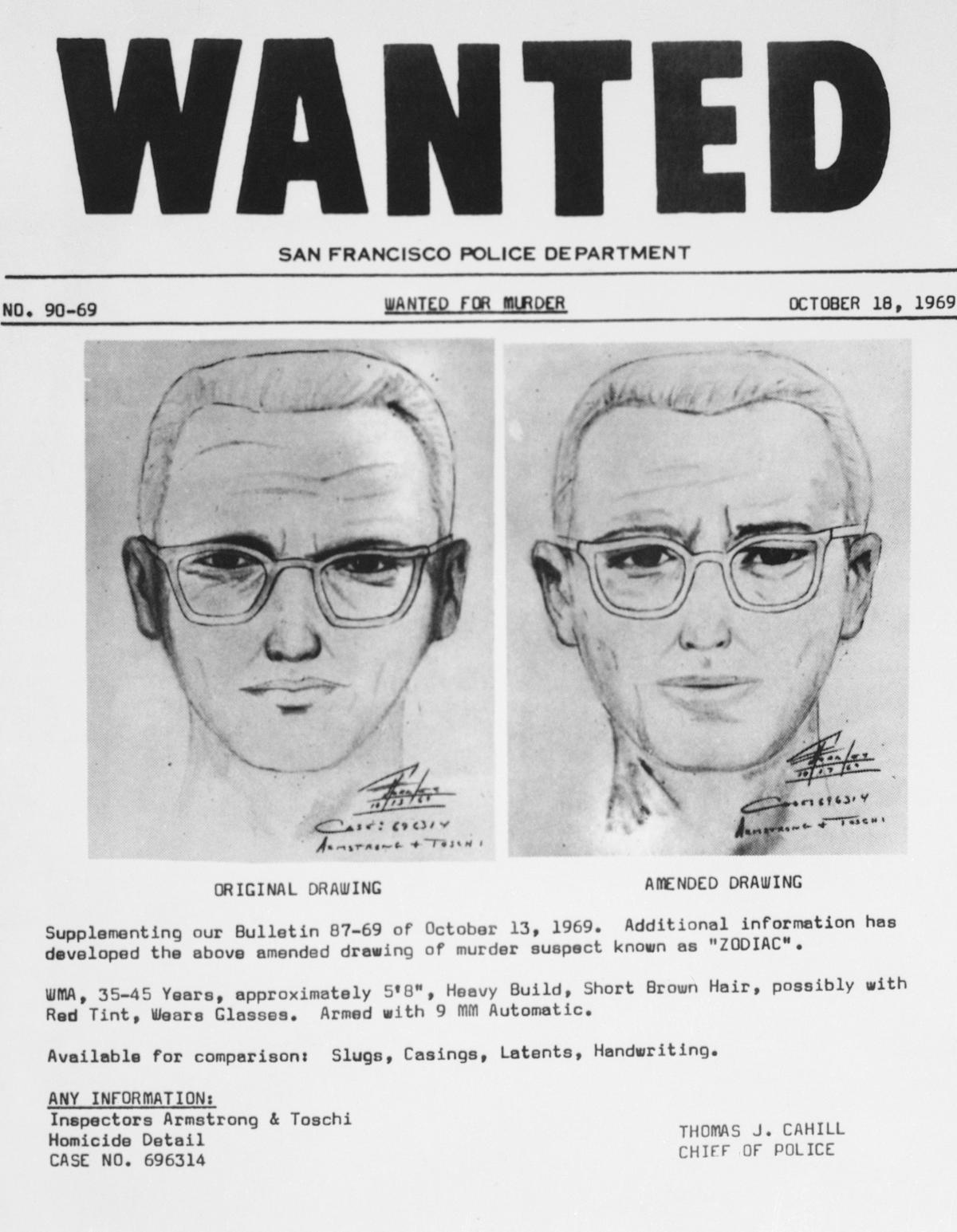
The Zodiac cipher that cracked open a killer's boast — but not his name
In August 1969, a cipher arrived at the offices of the *San Francisco Chronicle*. It was not the first taunting letter, and it would…
The smiley-face letter that made a sister call police on her own brother
The letter arrived at the Oregonian with a claim of responsibility for a murder and a mocking of police. It was signed with a…
The 2005 massage-table complaint that opened Epstein's case, and the detective who kept digging
A mother called Palm Beach police in 2005. She said her 14-year-old stepdaughter had been recruited by an older girl to give a man…