The Green River Killer's DNA match that broke a 20-year cold case
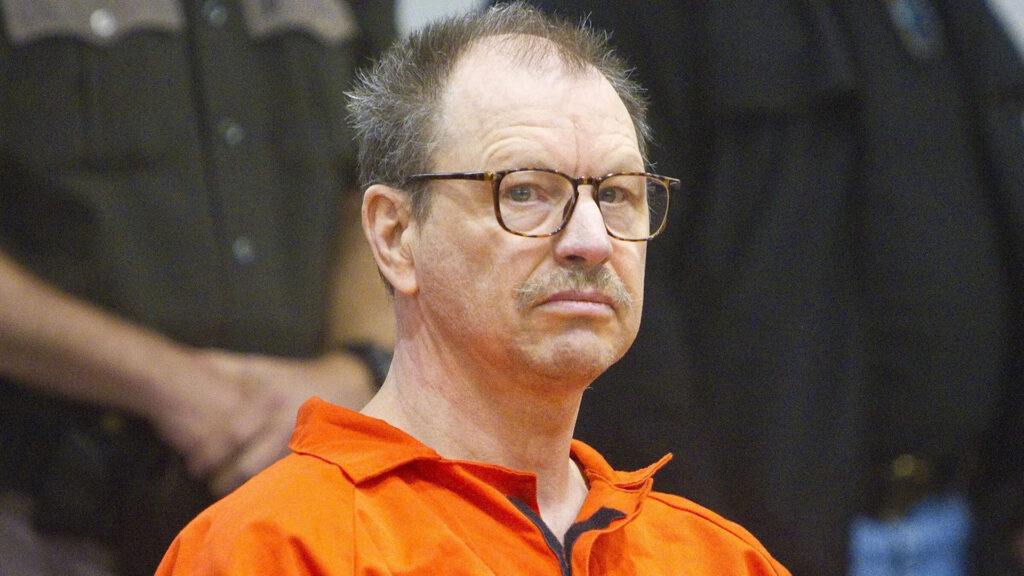
In July 1982, the first victims were discovered near the Green River south of Seattle, Washington.
The source does not name them.
The remains were found in the river, along roadsides, and in wooded areas across King County.
The source lists these locations.
The victims were primarily young women, many of them sex workers or runaways.
That is how the source describes them.
Who were these women?
Why were they found there?
Why would it take so long to find the man responsible?
The case became one of the largest serial murder investigations in U.S. history.
The source makes that claim.
The exact number of victims is not established.
The source says the true number is believed to be higher than 48.
Not because the record says so.
But because the record leaves it open.
THE TASK FORCE YEARS
The investigation began in 1982, after the remains of several women were found near the Green River.
A task force was formed.
Dave Reichert became the lead detective.
The source names him in that role.
The case went cold.
It stayed cold for years.
The source does not specify how long.
The source also does not say exactly when the task force was formed.
Neither point is established in the record.
The task force faced the sheer number of missing women.
It faced the difficulty of identifying remains.
Bodies surfaced in the river, along roadsides, in wooded areas.
Some were found quickly.
Some were found long after.
Some were never identified at all.
The investigation was criticized for its early focus on the victims' lifestyles.
The source notes that criticism.
It says this focus may have slowed progress.
Not because the record proves it did.
But because the record leaves that open.
The victims were primarily young women.
Many were sex workers.
Many were runaways.
Their lives were examined before their deaths were solved.
What did their habits have to do with the man who killed them?
What did their choices have to do with the strangled bodies?
What did their circumstances have to do with the pace of the case?
That would require evidence.

The task force had names.
It had missing-person reports.
It had families waiting.
It had a river that kept giving up remains.
It had a suspect list that kept growing.
It had no DNA match yet.
That would come later.
The case went cold first.
THE DNA BREAK
The technology came first.
In the late 1990s, advances in DNA testing gave the task force something it had never had before: a way to compare the murders against the living.
The source credits that development with finally linking Gary Ridgway to the killings.
Ridgway was a truck painter from Auburn, Washington.
He was a married father, a longtime resident of the Seattle area, a man who had moved through the same communities where the victims had been found.
In 2001, he was arrested.
The source gives the reason plainly: DNA evidence had matched him to several victims.
The source does not specify which victims the DNA matched, or how many were matched at the time of arrest.
That detail is not established in the record.
What is established is the sequence that followed.
During interrogation, Ridgway initially denied involvement.
He said he had nothing to do with the deaths.
Then he confessed.
He confessed to dozens of killings.
Not one. Not two. Dozens.
The man who had painted trucks in Auburn sat in the room and described murders that had gone unsolved for nearly two decades.
The case had stalled for years.
It had no DNA match yet.
That would come later.
The case went cold first.
And then the science caught up.
It was a sudden turn, a break the investigators had waited twenty years to get.
The technology had not existed when the first bodies were pulled from the Green River in 1982.
It was built later, refined later, applied later.
By 2001, it was enough.
Ridgway was charged with four murders that November, according to the source.
The arrest was the turn.
The confession was the flood.
THE PLEA
He was charged with seven murders in 2001, the source gives this number.
Not with the dozens the task force suspected.
Not with every death the river would eventually give back.
The charges were a floor, not a ceiling.
Prosecutors led by Norm Maleng had a problem.
A DNA match had broken the case, but a trial would be slow, and the families of the missing wanted answers.

In 2003, Ridgway reached a plea agreement with prosecutors.
He pleaded guilty to 48 counts of aggravated first-degree murder.
In exchange, he received a sentence of life without parole, and he agreed to cooperate in locating victims' remains.
The plea spared him the death penalty.
That was the bitter part.
Many victims' families wanted Ridgway to die for what he had done.
Prosecutors argued his cooperation was necessary to bring closure to other families.
It was a trade.
Justice for some, a compromise for others.
The source does not specify which families spoke publicly or what they said beyond the general controversy.
The judge accepted the plea.
He sentenced Ridgway to 48 consecutive life terms.
One life term for each count.
The numbers were staggering: 48 women, 48 bodies, 48 families waiting on a map of the river.
He had admitted to killing more.
The true number is believed to be higher, the source states.
Was the deal worth it?
Did the cooperation bring the closure prosecutors promised?
That would require evidence.
What the record shows is the deal itself: a man who confessed to dozens of murders would not face execution.
He would be locked away, and he would talk.
Some families got their answers.
Others got a sentence that felt like mercy.
The courtroom heard the plea.
The river kept its secrets.
AND THE STORY STILL ISN'T OVER
He remains at the Washington State Penitentiary in Walla Walla, serving life without parole.
The plea bought the state his cooperation, and he has kept talking.
Investigators say his statements have led to the identification of additional victims' remains.
The King County Sheriff's Office maintains a cold case unit that continues to work on unidentified remains linked to Ridgway.
Not because the case is open in court. But because the ground still holds answers.
Some victims' families have expressed frustration that Ridgway has not revealed the locations of all victims' remains.
Has he told everything?
Has he held something back?
Has the river given up all its dead?
The source does not state how many victims' remains remain unidentified.
The source does not state what the cold case unit's current caseload is.
That would require evidence.
What the record does establish is a man who pleaded guilty to 48 counts and then kept speaking.
Dave Reichert, the lead detective who built the case, went on to serve as a U.S. Congressman.
The courtroom closed its file.
The plea was accepted.
The sentence was handed down.
The river kept its secrets.
It is a closed case.
It is also an open grave.
Advertisement
You may also like
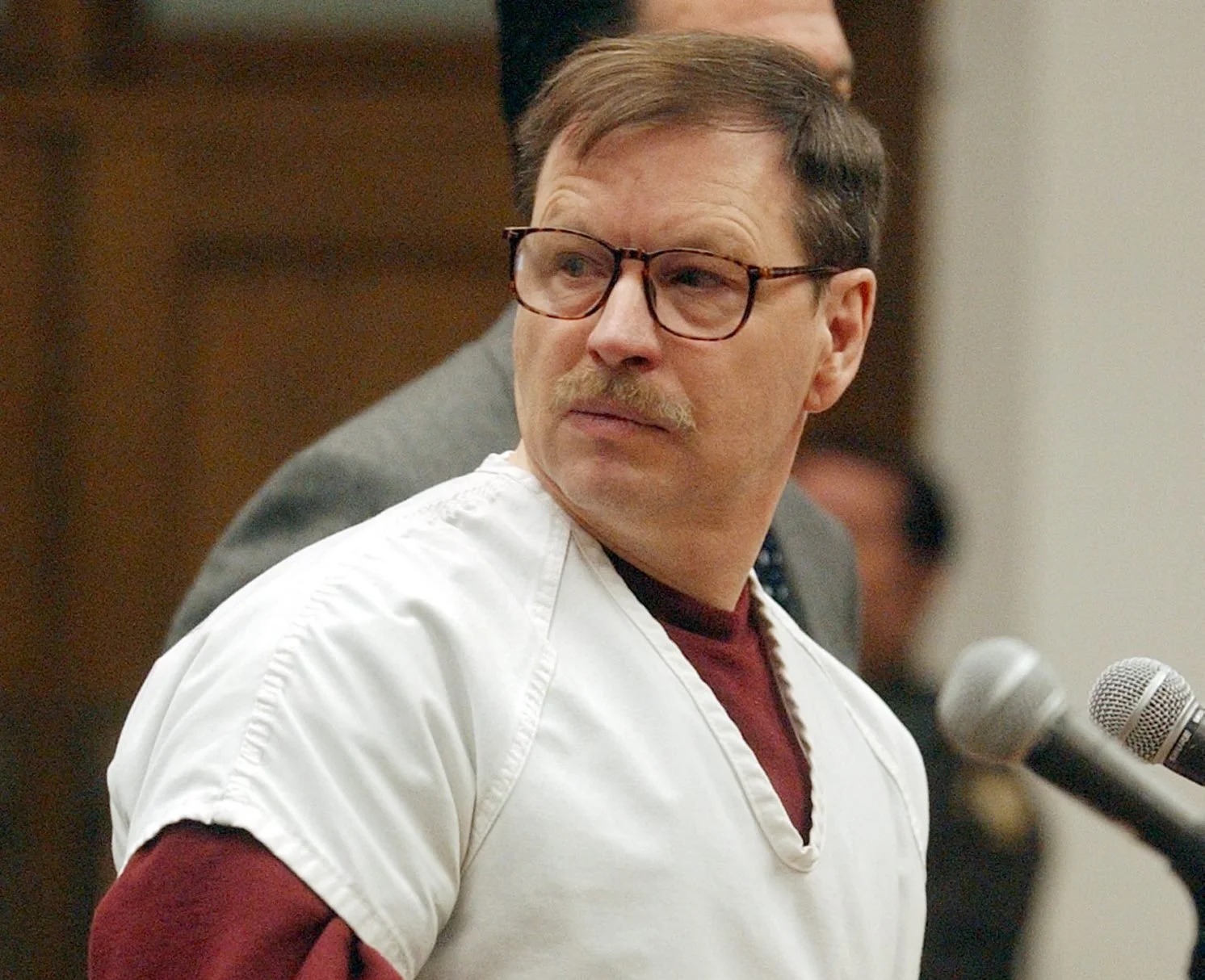
The truck painter who led detectives to 49 Green River victims — and the DNA that closed in on him
He painted trucks for a living. Gary Leon Ridgway lived in Auburn, Washington, a suburb south of Seattle. He was married multiple times. He…
The 1939 tip that put a suspect behind bars — but the murder charge never came
1939. A tip. A tip put a former bartender and carnival worker behind bars in Cleveland, Ohio. He was the most prominent suspect in…
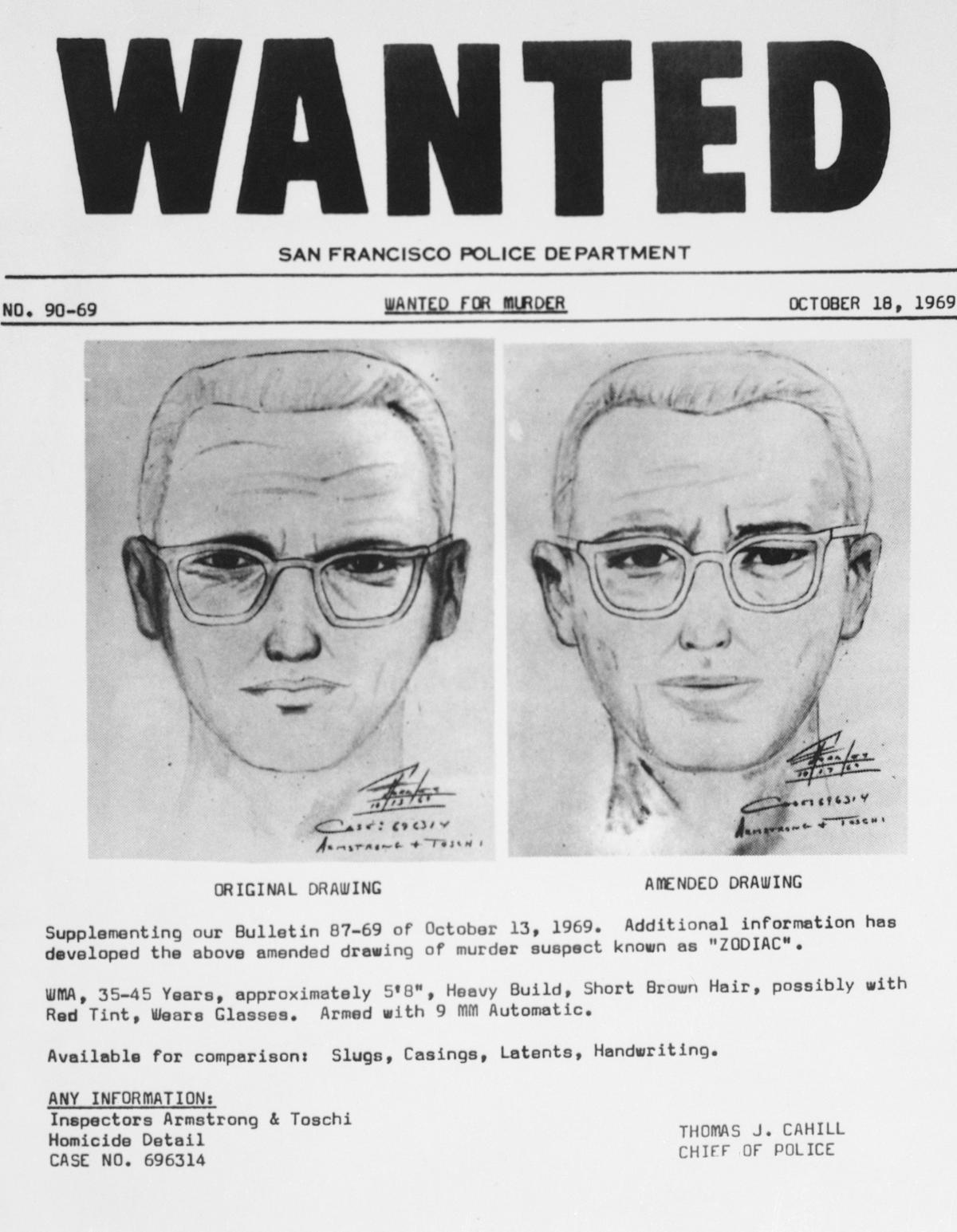
The Zodiac cipher that cracked open a killer's boast — but not his name
In August 1969, a cipher arrived at the offices of the *San Francisco Chronicle*. It was not the first taunting letter, and it would…
The smiley-face letter that made a sister call police on her own brother
The letter arrived at the Oregonian with a claim of responsibility for a murder and a mocking of police. It was signed with a…
The 2005 massage-table complaint that opened Epstein's case, and the detective who kept digging
A mother called Palm Beach police in 2005. She said her 14-year-old stepdaughter had been recruited by an older girl to give a man…
The 13-day trial that hinged on a dress burned in a stove — and a timeline no one could explain
The dress was burned in a stove on the third day after the bodies were found at 92 Second Street. The prosecution called it…