The heel print and cement sack that never cracked the Black Dahlia case
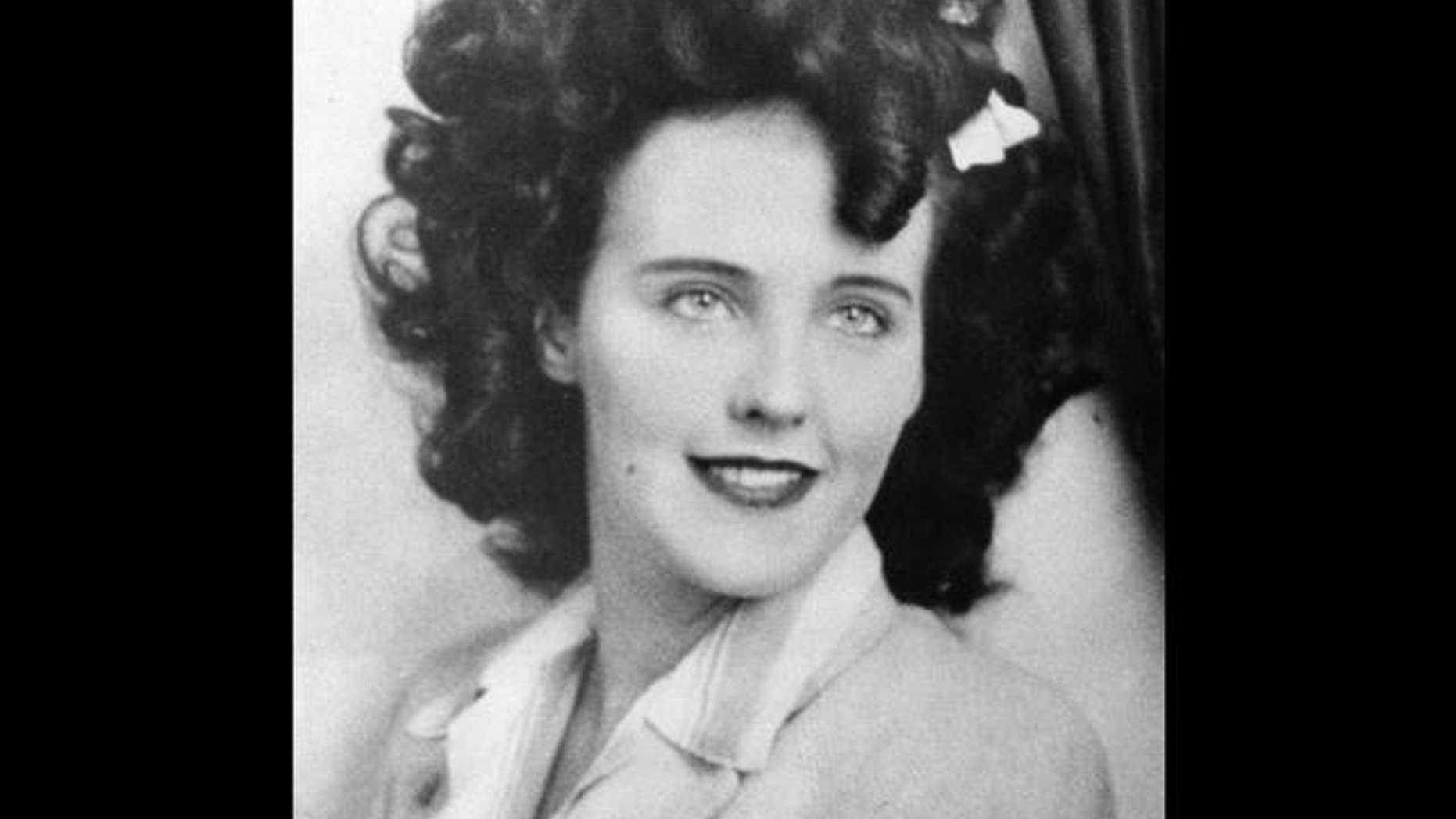
The morning of January 15, 1947, in a vacant lot at 39th Street and Norton Avenue in Leimert Park, Los Angeles.
A local resident found the body while walking with her young daughter.
The naked body of Elizabeth Short lay severed at the waist, drained of blood, posed.
Her face was slashed from the corners of her mouth toward her ears — the "Glasgow smile."
The body was clean.
It showed no signs of having been moved after being placed.
Nearby, investigators found a heel print.
Nearby, investigators found a cement sack.
Neither was conclusively linked to a suspect.
Neither ever was.
The exact time of death is uncertain.
The record does not establish who left the heel print.
The record does not establish who carried the cement sack.
Was the heel print the killer's?
Was the cement sack a tool, a marker, a coincidence?
Was either connected to the body at all?
That would require evidence.
The body had been washed, and no fingerprints were recovered from it.
The crime scene was handled with a key early mistake: the body was moved before a thorough examination was completed, and the lot was not immediately sealed off, allowing onlookers and press to approach.
So the two objects sat in the case's lore, weighted by what they might mean.
They were found near the body.
They were never linked to anyone.
The lot held a severed body, a heel print, and a cement sack.
One of those things was solved.
The other two remain open questions.
THE LAST SIGHTING
Elizabeth Short was 22, an aspiring actress, and she was last seen alive on January 9, 1947, at the Biltmore Hotel in downtown Los Angeles.
She had been driven to Los Angeles by Robert “Red” Manley, a salesman.
Manley was the last known person to see her.
He was held for questioning for several days.
He was polygraphed.
He was released.
Police cleared him.
The exact circumstances of Short’s last days are not fully documented.
The record does not explain why Manley was initially a suspect beyond being the last known person to see her.
The case became known as the “Black Dahlia” murder.

The nickname came from the film *The Blue Dahlia*, popularized by the press.
The LAPD launched one of the largest investigations in its history.
Detectives were assigned as lead investigators.
The case generated thousands of tips.
Police interviewed hundreds of people.
A key early mistake marked the scene.
The body was moved before a thorough examination was completed.
The lot was not immediately sealed off.
Onlookers and press approached.
What evidence was lost in those early hours?
What prints were smudged?
What trace was brushed away?
That would require evidence.
The heel print and the cement sack were found nearby.
Neither was conclusively linked to a suspect.
The body had been washed.
No fingerprints were recovered from it.
The coroner determined the cause of death was hemorrhage from the facial wounds and shock, but the exact time of death was uncertain.
The investigation stalled.
The case was never solved.
THE PACKAGE AND THE CONFESSIONS
The package arrived at the newspaper office weeks after the body was found.
It contained Short's birth certificate, an address book, and photographs.
The paper handed the items to police, and detectives examined each one.
The birth certificate confirmed what they already knew.
The address book was opened, page by page, name by name.
The photographs were studied and set aside.
The items yielded no usable leads.
The source of the package is not established.
The identity of the person who sent it is not established.
What the package proved, in the end, was that someone out there was watching the case.
That someone never came forward.
The case had already generated thousands of tips, and police had interviewed hundreds of people.
Each tip was logged. Each person was questioned. Each thread was pulled.
The threads kept breaking.
Dozens of people confessed to the murder.
Dozens of claims were investigated.
Each confession was checked against the details of the scene, and each was dismissed.
The confessors' identities are not established in the record.
Some sought attention. Some sought punishment. Some, perhaps, sought something else.
That would require evidence.
The coroner's office had already ruled: death by hemorrhage from the facial wounds and shock.
The exact time of death was uncertain.
The body had been washed.
No fingerprints were recovered from it.
A heel print and a cement sack were found nearby.
Neither was conclusively linked to a suspect.
The investigation stalled.
It is a case of things that arrived and things that were found.
It is also a case of things that never connected.
TWO THEORIES, ONE RECORD
No one was ever arrested, charged, or convicted of the murder.
The case remains officially open and unsolved.
The district attorney's office reviewed the case.
It never filed charges.
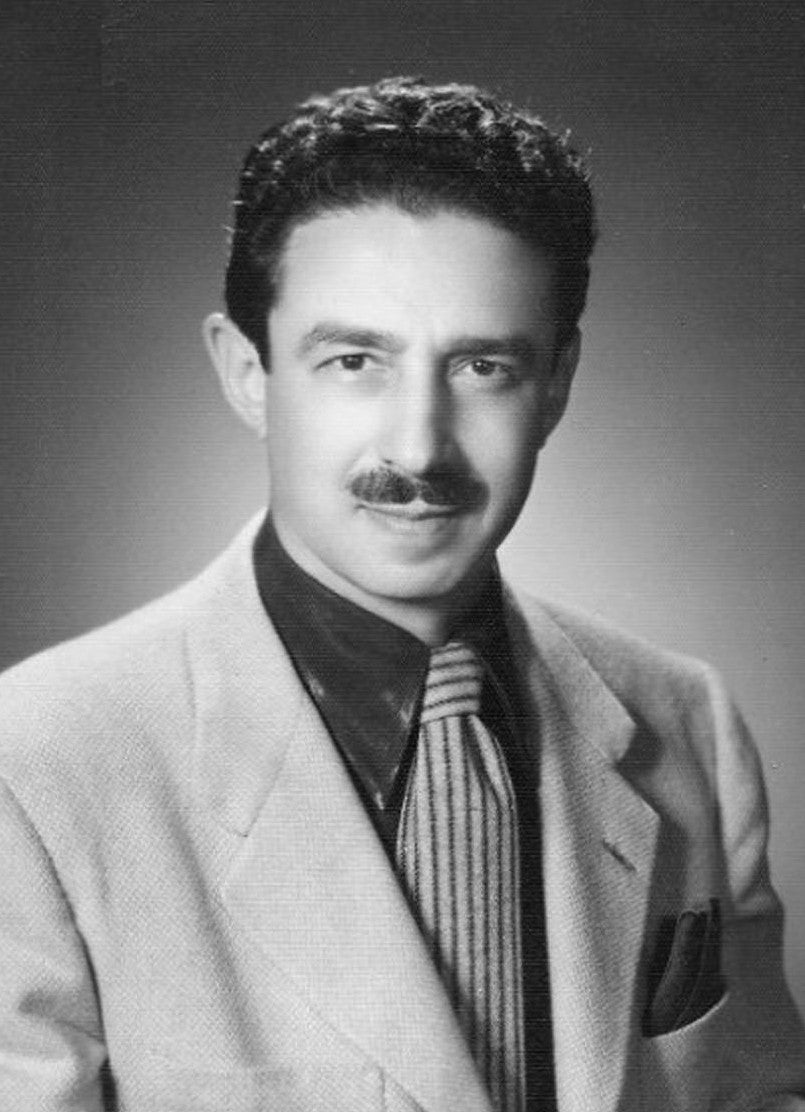
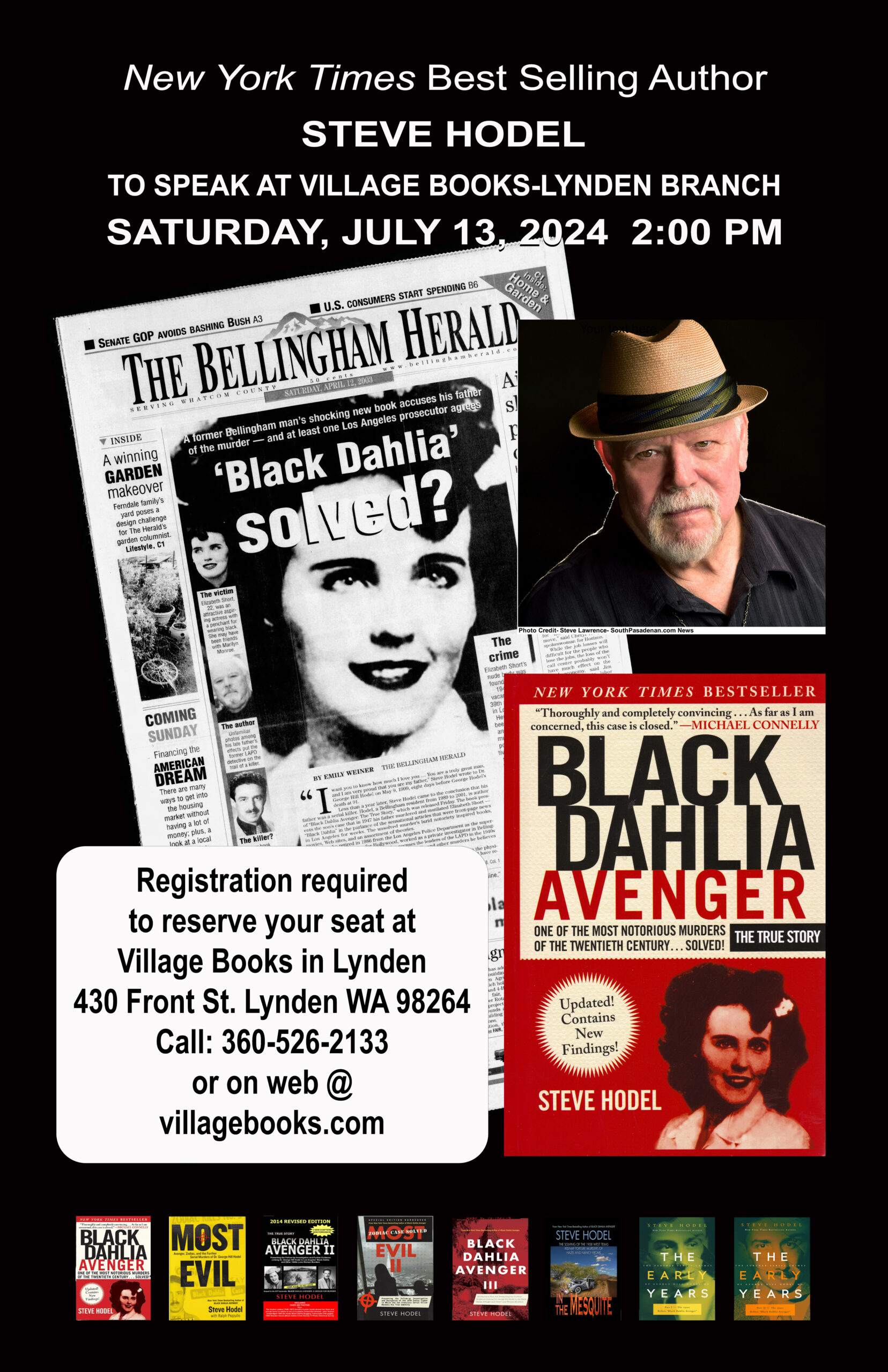
In later decades, Steve Hodel, a former LAPD detective, publicly accused his father, Dr. George Hodel, of the murder.
He pointed to photographs and alleged statements.
The LAPD has not confirmed or adopted Steve Hodel's theory.
No charges were ever filed against George Hodel.
The heel print and the cement sack are often cited in online theories.
They were found nearby.
The record states neither was conclusively linked to a suspect.
Not to George Hodel.
Not to anyone.
What connects them?
A location.
A proximity.
That would require evidence.
The record does not establish that the heel print belonged to any named person.
The record does not establish that the cement sack was handled by any named person.
They are things that were found.
They are things that never connected.
It is a case of things that arrived and things that were found.
It is also a case of things that never connected.
The investigation stalled.
The accusations came later.
Steve Hodel's claims are not accepted by the LAPD.
That is what the record shows.
AND THE STORY STILL ISN'T OVER
The Black Dahlia case remains one of the most famous unsolved murders in American history.
The LAPD has periodically revisited the case.
No arrest has ever been made.
Elizabeth Short's mother died in 1984.
Her father died in 1978.
George Hodel died in 1999, never having been charged.
Steve Hodel continued to publish books and make public claims about his father's involvement.
The LAPD has not confirmed or adopted his theory.
The case file remains open with the Los Angeles Police Department.
It is open.
It is also still.
Not because a new lead is being worked.
Because the record does not close on its own.
The next concrete step is not specified in the record.
The case remains open, but no active lead is documented.
That is what the record shows.
The accusations came later.
The theory was published.
The theory was argued.
The theory was not accepted.
What remains is a file.
What remains is a name.
What remains is a vacant lot on a January morning, and the question of who left the body there.
That question has no answer in the record.
It has a heel print.
It has a cement sack.
Neither was ever conclusively linked to a suspect.
The story still isn't over.
It simply hasn't ended.
Advertisement
You may also like
The tarot card left at a D.C. sniper crime scene that said 'Call me God'
The card was on the ground at a crime scene in Montgomery County. A tarot card, face up, with a message written across it:…
The cell phone records that placed a suspect near Leakin Park — but one witness kept changing his story
January 13, 1999, was a school day. Hae Min Lee, an 18-year-old senior at Woodlawn High School in Baltimore County, Maryland, was last seen…
The parole agent who saw a sketch and stopped a car — then Polly Klaas's killer led police to her body
The parole agent saw the car first. A sketch, a tip, and a car on the road — that was the break. On November…
The cellmate tip that cracked the Clutter case after investigators ignored a footprint
The footprint was there on the night of November 15, 1959, inside the farmhouse near Holcomb, Kansas. Four members of the Clutter family were…
The cell tower records that placed Adnan Syed at Leakin Park — and the witness who changed his story
The phone call came on February 12, 1999. Baltimore County police picked up an anonymous tip that day, and the voice on the line…
The jailhouse informant's testimony that could not save Casey Anthony
She sat in the witness box and testified that Casey Anthony had made incriminating statements while in jail. Her name was Robyn Adams, a…