The LAPD detective who quit over the Notorious B.I.G. case — and the civil jury that said no cover-up
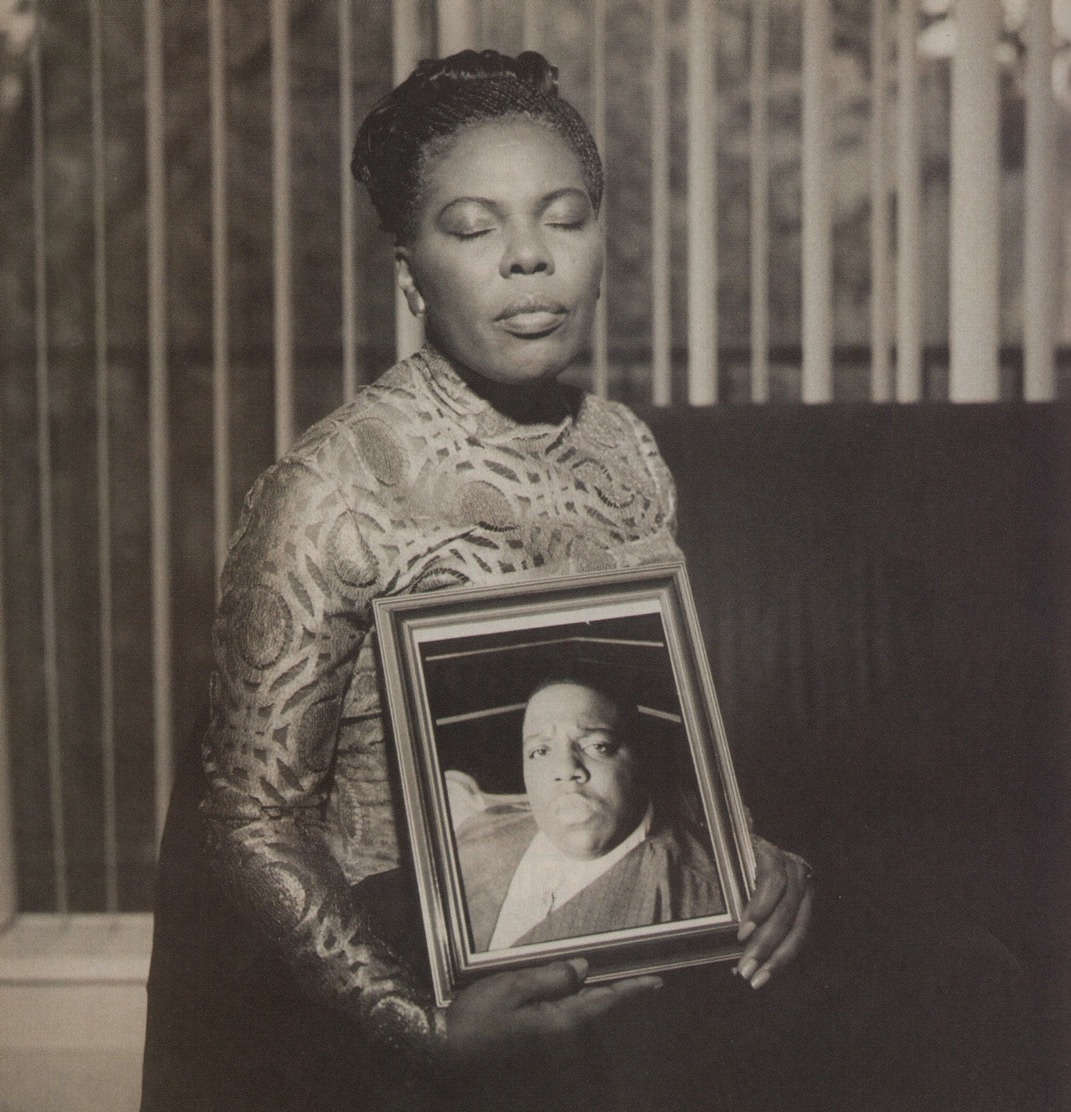
The lead detective on the murder of Christopher Wallace left the Los Angeles Police Department in 1999.
Russell Poole had been investigating the shooting of the rapper known as the Notorious B.I.G. for two years.
He left frustrated by the department's handling of the case.
Poole became convinced that rogue LAPD officers were involved in the killing.
He believed the shooting may have been connected to the death of Tupac Shakur months earlier.
He identified a former LAPD officer as a suspect.
No charges were filed.
The case has remained officially unsolved for decades.
Why would a detective quit over a case he was leading?
What did he believe he knew?
What did the department refuse to pursue?
The answer, as it circulates online, is a theory: that the LAPD covered up officer involvement.
That theory is not established fact.
The record shows a detective who left, a suspect who was never charged, and a murder that remains open.
Poole died in 2015.
The murder of Christopher Wallace is still unsolved.
THE MURDER ON WILSHIRE
The car was a black Chevrolet Impala.
On March 9, 1997, Christopher Wallace — the rapper known as the Notorious B.I.G. — was in a car with associates after leaving a party at the Petersen Automotive Museum.
A black Chevrolet Impala pulled up alongside his vehicle at a red light on Wilshire Boulevard.
The occupant fired multiple shots.
Wallace was struck four times.
He was pronounced dead at Cedars-Sinai Medical Center.
The weapon was reported to be a 9mm handgun.
The shooting came just months after the murder of rival rapper Tupac Shakur.
A rivalry. A context. A sequence of violent deaths that the public read as connected.
The identity of the shooter is not established.
No one has been criminally charged.
The record shows a car, a red light, shots fired.
It shows a 24-year-old rapper dead on a Los Angeles street.
It does not show who pulled the trigger.
That would require evidence.
The case has remained officially unsolved for decades.
The LAPD later said it had identified a suspect but lacked sufficient evidence to prosecute.
No name was released.

The vehicle used in the shooting was never secured as key evidence.
Wallace was in the back seat when the shots came.
He was taken to Cedars-Sinai.
He died there.
The Impala drove away.
The light changed.
The street went on.
THE DETECTIVE'S THEORY AND THE DEPARTMENT'S RESPONSE
Poole took the case personally.
He worked the murder of Christopher Wallace as the lead detective, and the more he looked, the more he believed the shooter was not a stranger from the street.
His theory: the shooting was carried out by LAPD officers, possibly tied to the death of Tupac Shakur months earlier.
He identified a suspect, a former LAPD officer.
No charges were filed.
Poole left the department in 1999, frustrated by how the case was handled.
He said so publicly, and he kept saying it.
The LAPD reopened the investigation later, but the trail went cold.
In 2006, the department issued a statement: they had identified a suspect, but lacked sufficient evidence to prosecute.
That statement named no one.
Critics pointed to failures along the way — a lack of cooperation between the LAPD and the FBI, and the failure to secure key evidence, including the vehicle used in the shooting.
The black Impala was never found.
The gun was never tied to anyone.
Was there a cover-up?
Was there incompetence?
Was there simply nothing there?
That would require evidence, and the record does not establish that LAPD officers were involved.
It is a theory.
It remains a theory.
THE CIVIL TRIAL: NO COVER-UP
In 2002, Voletta Wallace, the victim’s mother, filed a wrongful-death lawsuit against the City of Los Angeles.
She alleged the LAPD covered up the involvement of rogue officers in her son’s murder.
The civil trial began in 2007 before a federal judge.
The city’s defense argued that the LAPD had no credible evidence linking its officers to the shooting.
No witness placed an officer at the red light on Wilshire Boulevard.
No physical evidence tied the department to the black Chevrolet Impala.
The defense called the detective’s theory exactly what it was: a theory.

The jury heard the case for weeks.
In 2007, the jury found that the LAPD had not been negligent.
The jury found there was no cover-up.
The Wallace family appealed.
The verdict was upheld.
No criminal trial has ever taken place.
No one has ever been charged with the murder of Christopher Wallace.
The jury’s finding settles the civil claim.
It does not settle the question of who fired the gun.
The case remains officially unsolved.
The LAPD has said the file is still open.
It has not provided new information.
A jury decided what the record could not prove.
That is a finding, not a confession.
It is a verdict, not a conclusion about the shooter.
The theory of rogue officers survived the trial as a story.
It did not survive as evidence.
The record does not establish that LAPD officers were involved.
The record does not establish that they were not.
The murder remains open.
The mother died in 2024, the case unresolved.
AND THE STORY STILL ISN'T OVER
The murder remains officially unsolved.
The LAPD has said the case is still open. It has not provided new information.
Detective Russell Poole died in 2015, sixteen years after he left the department. He never saw anyone charged.
Voletta Wallace died in 2024. She spent decades seeking answers; the record does not establish that she got them.
Documentaries have retold the story. Books have retold the story. No one has been charged with the murder.
Whether new evidence will emerge is unknown. The case is open, but no arrests have been made.
The civil jury in 2007 found no cover-up. The verdict was upheld on appeal. No further legal action has been successful.
That is the documented record. That is what the trial established, and what it did not.
The theory of rogue officers remains a theory. The record does not establish that it is true. The record does not establish that it is false.
The case sits in that space, unresolved. It is officially open. It is practically cold.
Time has moved on. The detective is gone. The mother is gone. The rapper has been gone since 1997.
The Impala was never tied to a conviction. The gun was never tied to a conviction. No one has ever stood trial for the shooting.
What remains is the unanswered question, and the weight of the years.
Advertisement
You may also like
The bloody glove found at O.J. Simpson’s estate that split a nation
A single glove lay on the walk outside Nicole Brown Simpson’s condominium on Bundy Drive. Police found it on the night of June 12,…
A 12-year-old girl was among the victims — and her parents kept coming to court
The youngest name on the list was twelve years old. Between October 1977 and February 1978, ten young women and girls were abducted, sexually…
Why a therapist's tape recording changed the Menendez brothers' murder case
The 911 dispatcher logged the call at 11:47 p.m. on August 20, 1989. Lyle Menendez told the operator his parents had been shot. He…
The confession that named 11 victims — but never made it to trial
In 1965, a man already in custody for other crimes gave a detailed confession to a series of murders that had terrorized Boston since…
The plea deal that let Epstein walk — and the 2018 report that changed everything
In 2018, the Miami Herald published a series by Julie K. Brown on Jeffrey Epstein’s 2008 plea deal. The series documented what federal prosecutors…
The fingerprint on a pillowcase that sealed a killer's fate — and the appeals that keep him alive
The pillowcase was ordinary. It sat in Polly Klaas's mother's home in Petaluma, California, on the night of October 1, 1993. Twelve-year-old Polly was…