The night Sharon Tate’s housekeeper found five bodies at Cielo Drive
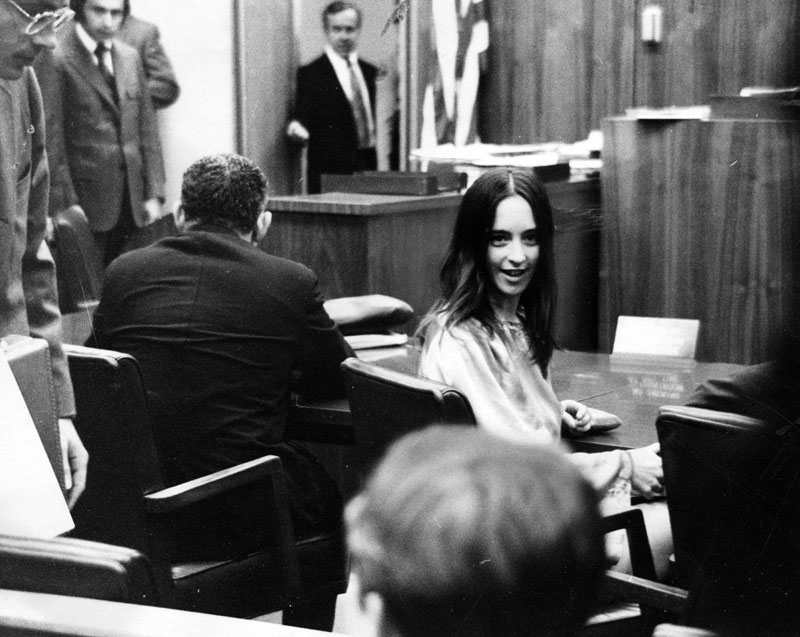
The housekeeper arrived at 10050 Cielo Drive in Benedict Canyon on the morning of August 9, 1969, expecting an ordinary day of work.
She found five bodies instead.
The victims were actress Sharon Tate, who was eight and a half months pregnant, and four others at the property that night.
The killings had occurred the night before, August 8–9, 1969.
The housekeeper's discovery set off the investigation, but the killers' motive was not immediately apparent.
The victims had no obvious connection to the killers, a fact that hampered the early investigation.
Who could have done this, and why?
That question would take months to answer, and the answer would remain contested for decades.
The motive for the killings is not established at this point in the timeline.
Police had a scene with no clear suspects, no recovered murder weapons, and no obvious reason for the violence.
The housekeeper's morning routine had collided with something incomprehensible.
It is a jarring contrast: an ordinary domestic task, and the scene it uncovered.
She was on the ground below.
THE SECOND NIGHT
The night after the housekeeper found the bodies at Cielo Drive, the killings moved across the city.
On August 9–10, 1969, supermarket executive Leno LaBianca and his wife Rosemary LaBianca were murdered in their Los Feliz home.
Their bodies were discovered the next day by associates and family.
The record does not establish any immediate connection between the two sets of murders.
Police initially treated the Tate case and the LaBianca case separately.
The Los Angeles Police Department handled one investigation.
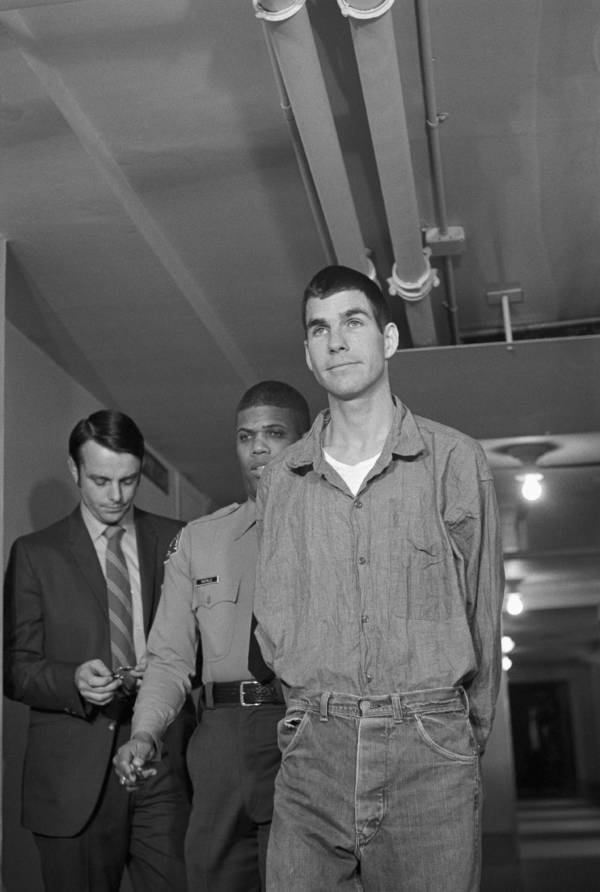
The Los Angeles County Sheriff’s Department handled the other.
It is a fact of the record that early confusion hampered the work.
It is also a fact that the victims had no obvious connection to the killers.
The LaBiancas were not actors.
They were not part of the film world.
They were a supermarket executive and his wife in a house in Los Feliz.
Why them?
Why that house?
Why that night?
That would require evidence.
The cases were later linked by the LAPD and the Sheriff’s Department.
The link came after arrests, after statements, after charges.
But in those first days, the two crime scenes sat apart in the city’s files.
Two mornings.
Two discoveries.
No bridge between them.
THE BREAK IN CUSTODY
In November 1969, Susan Atkins, in custody on unrelated charges, told cellmates about the killings.
Her statements led to arrests.
Charles Manson, Tex Watson, Susan Atkins, Patricia Krenwinkel, Leslie Van Houten, and Linda Kasabian were taken into custody.
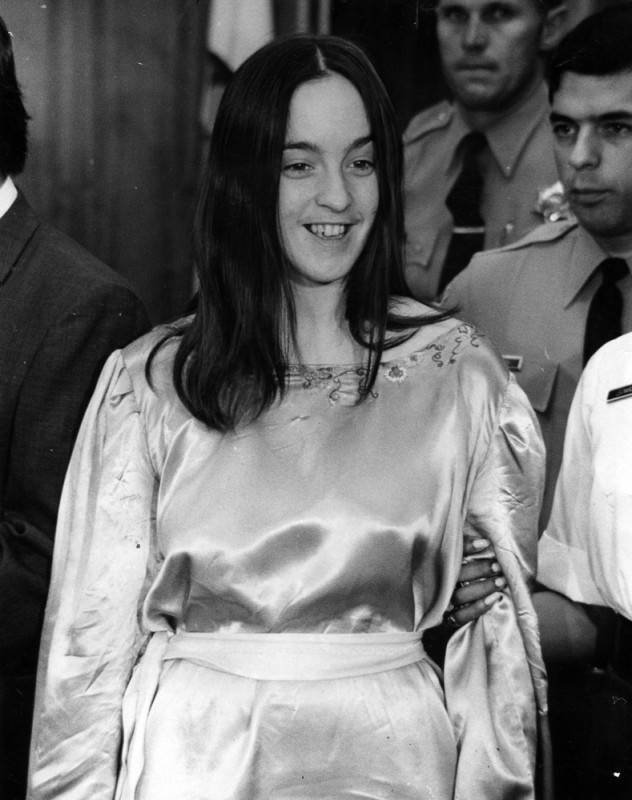
The cases were no longer separate.
The prosecution’s case relied heavily on Kasabian’s testimony.
She described the nights of the murders and Manson’s role.
Kasabian drove the car — a 1959 Ford sedan.
She drove, and later she testified.
Physical evidence existed.
Fingerprints and handwriting were linked to the defendants.
That was the record.
The murder weapons were never conclusively identified.
A .22-caliber pistol and a knife were reported as used, but not recovered.
That remains unestablished.
The prosecution had a witness who was there.
She described the nights.
She described Manson’s role.
What she described was not the same as what was found.
The weapons were missing.
The fingerprints were present.
The handwriting was present.
The car was present.
The bridge between the two nights was built on testimony, not on objects found at the scenes.
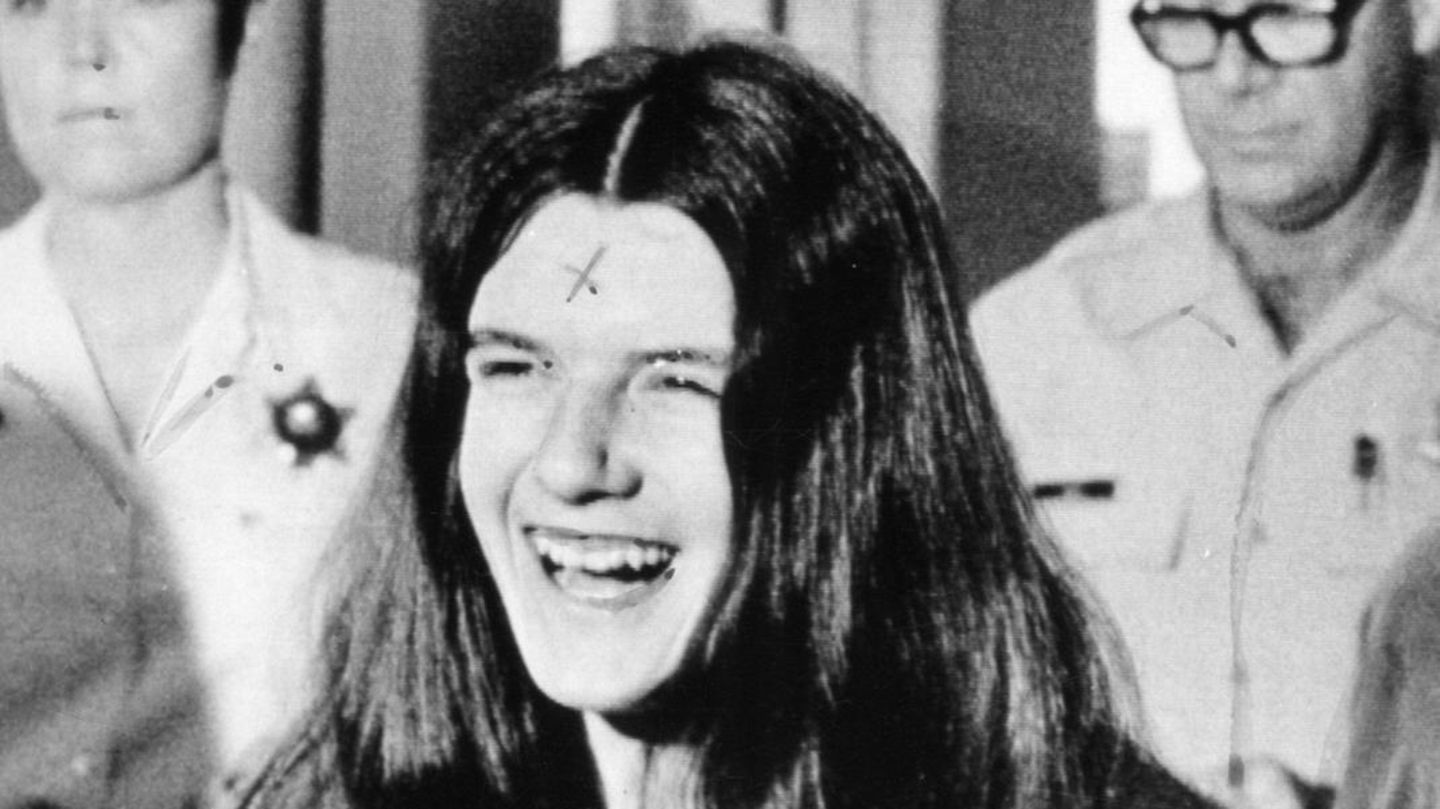
Kasabian’s account carried the weight.
It was her word against the silence of the evidence.
The arrests came fast after Atkins spoke.
The trial would come later.
The relief of a breakthrough.
The unease of an incomplete record.
Both were present in the courtroom.
THE TRIAL AND THE THEORY
The trial began in June 1970.
Manson, Atkins, Krenwinkel, and Van Houten were charged with first-degree murder and conspiracy.
Watson was tried separately.
Kasabian was granted immunity and testified for the prosecution.
She described the nights of the murders and Manson’s role.
The defence presented psychiatric testimony, including from forensic psychiatrist Joel Hochman.
Prosecutor Vincent Bugliosi argued that Manson’s motive was to incite a race war, which he called “Helter Skelter.”
That theory was contested at trial.
It is a theory, not an established fact.
The record does not establish that motive as fact.
The jury convicted all four defendants on January 25, 1971.
All were sentenced to death.

The California Supreme Court abolished the death penalty in 1972.
Their sentences were commuted to life in prison.
Watson, tried separately, was also convicted and sentenced to death, later commuted to life.
The verdict was in.
The motive was argued, not proven.
The relief of a conviction.
The unease of a contested theory.
Both remained in the courtroom.
AND THE STORY STILL ISN'T OVER
Charles Manson died in prison in November 2017.
He was 83.
The man the prosecution called the orchestrator never walked free.
Tex Watson, Susan Atkins, Patricia Krenwinkel, and Leslie Van Houten remained incarcerated.
Atkins died in prison in 2009.
Watson, Krenwinkel, and Van Houten have repeatedly been denied parole.
Van Houten was granted parole in 2023 after decades of denials.
Her release was later blocked by California Governor Gavin Newsom.
So the legal saga continues.
Parole hearings, denials, and political interventions keep the case alive decades later.
Not because the convictions are in doubt.

But because the punishment remains a living question.
Doris Tate, Sharon Tate’s mother, became a victims’ rights advocate.
She pushed for victims to speak at parole hearings.
She died in 1992.
The Cielo Drive house was demolished in 1994.
The ground where the bodies were found is no longer marked by the structure.
The case remains one of the most documented in American criminal history.
Vincent Bugliosi’s book *Helter Skelter* became a bestseller.
It shaped how the public understands the case.
It also cemented the Helter Skelter motive as the official story.
That motive remains a contested theory, not an established fact.
The record does not establish that a race war was the true reason.
It establishes what the prosecution argued.
It establishes what the jury accepted.
What happens next?
Another parole hearing for Watson, Krenwinkel, or Van Houten?
Another governor’s review?
The next concrete step — a hearing or decision date — is not specified in the record.
The case sits in a holding pattern of appeals and applications.
The convictions stand.
The story still isn't over.
Advertisement
You may also like
The tarot card left at a D.C. sniper crime scene that said 'Call me God'
The card was on the ground at a crime scene in Montgomery County. A tarot card, face up, with a message written across it:…
The cell phone records that placed a suspect near Leakin Park — but one witness kept changing his story
January 13, 1999, was a school day. Hae Min Lee, an 18-year-old senior at Woodlawn High School in Baltimore County, Maryland, was last seen…
The parole agent who saw a sketch and stopped a car — then Polly Klaas's killer led police to her body
The parole agent saw the car first. A sketch, a tip, and a car on the road — that was the break. On November…
The cellmate tip that cracked the Clutter case after investigators ignored a footprint
The footprint was there on the night of November 15, 1959, inside the farmhouse near Holcomb, Kansas. Four members of the Clutter family were…
The cell tower records that placed Adnan Syed at Leakin Park — and the witness who changed his story
The phone call came on February 12, 1999. Baltimore County police picked up an anonymous tip that day, and the voice on the line…
The jailhouse informant's testimony that could not save Casey Anthony
She sat in the witness box and testified that Casey Anthony had made incriminating statements while in jail. Her name was Robyn Adams, a…