The phone records and a witness's shifting story that defined the murder trial of Adnan Syed
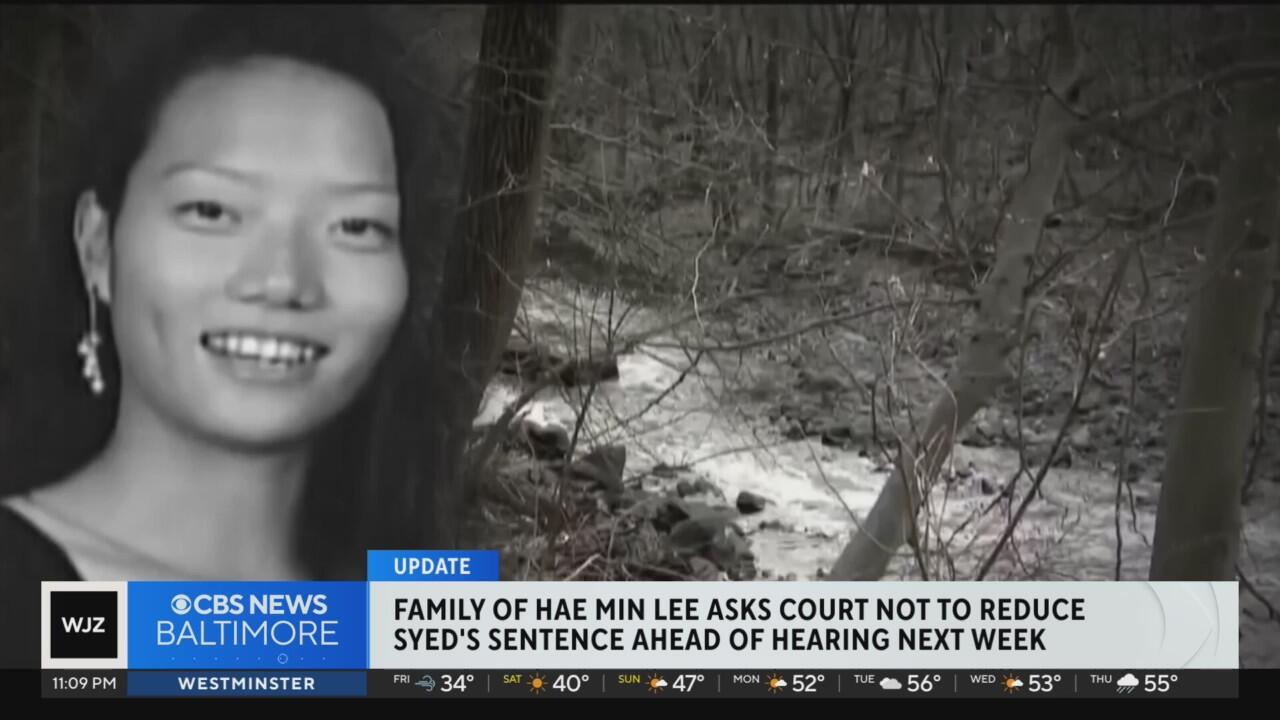
She was 18 and on her way to pick up her cousin.
Hae Min Lee disappeared on January 13, 1999.
Her body was found almost four weeks later, on February 9, in Leakin Park.
The medical examiner determined she had been strangled.
Police received an anonymous tip.
They focused on Adnan Syed, her ex-boyfriend.
The tipster's identity is not in the record.
What made the police so sure?
Was it the tip alone?
Was there something else, something never written down?
That would require evidence.
No physical evidence linked Syed to the crime scene.
No fingerprints, no DNA, no witness placing him at the park.
The case was built on words.
It rested on the testimony of a friend, Jay Wilds, and on cell phone records.
Years later, the podcast *Serial* would ask the same questions.
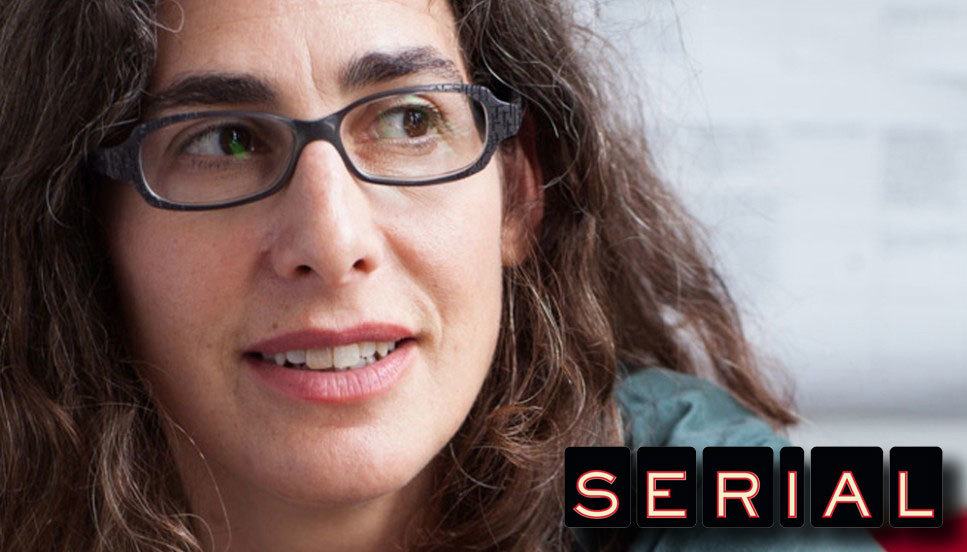
Sarah Koenig examined the evidence and raised doubts about the conviction.
The podcast turned a local case into a national story.
But the trial record remained what it was.
A tip.
A witness.
A set of records the defense called unreliable.
THE STAR WITNESS
Jay Wilds was Syed's friend.
He testified that Syed showed him the body.
He testified that Syed asked for help burying it.
Wilds led police to Hae Min Lee's car in a parking lot in Baltimore.
That made him the star witness.
The prosecution argued Syed killed Hae Min Lee out of jealousy after she ended their relationship.
The defense argued Wilds's testimony was inconsistent.
The specific inconsistencies are not detailed in the source.
What remains is the record: one man's story, told on a stand, carrying the weight of a murder case.
Not because of physical evidence.
Not because of a confession.
Because Jay Wilds said so.
He said it once.
He said it again.
Each time, the details shifted, according to the defense.
The jury heard him anyway.
The prosecution built its case on his words.
The defense tried to tear them down.
A shifting story can still convict.
A shifting story can still be believed.
That is the question the record leaves open: how much weight does a story carry when it moves?
The answer, in this trial, was enough.
THE CELL PHONE RECORDS
The case relied heavily on cell phone records.
The defense argued the records were unreliable.
The records placed Syed near Leakin Park at the time the prosecution said the murder happened.
They placed him near the park again when Jay Wilds said he was shown the body.
They were presented as a kind of clockwork: calls logged, towers mapped, locations fixed.
The defense said the clockwork was fiction.
Cell towers cover large areas, the defense argued; a call logged does not prove a person stood where the tower stood.
The records did not prove Syed was with Wilds.
They did not prove he was in the park.
They proved only that certain calls were made from certain numbers at certain times.
That was the entire architecture of the state's timeline.
The trial judge presided over the 2000 trial; the record does not name him.
He admitted the records into evidence.
He let the jury weigh them.
In 2022, prosecutors acknowledged flaws in the case.
They said the cell phone evidence was unreliable.
They said it should not have been used the way it was used.
The specific flaws in the cell phone records are not detailed in the source.
Not because the flaws are hidden. Because the record does not say.
The prosecution built a timeline on those records.
The jury accepted that timeline.
Then the prosecutors who inherited the case said the timeline was built on sand.
The records were technology presented as proof.
They were later acknowledged as unreliable.
Both things are true in this record.
One trial ended with the records standing.
Two decades later, the state said they should not have stood at all.
That is the tension: the proof that convicted, and the proof that collapsed.
THE DEFENSE AND THE PROSECUTION
Two narratives stood before the jury.
The prosecution, led by Kevin Urick, argued that Adnan Syed killed Hae Min Lee out of jealousy after she ended their relationship.
Urick presented Jay Wilds as the star witness, the friend who said Syed showed him the body and asked for help burying it.
The defense, led by Cristina Gutierrez, attacked Wilds’s credibility.
She argued his testimony was inconsistent.
She argued the cell phone records were unreliable.
The records placed Syed near Leakin Park, the defense said, but they could not place him at the moment of the killing.
No physical evidence linked Syed to the crime scene.
That was the gap the records were meant to fill.
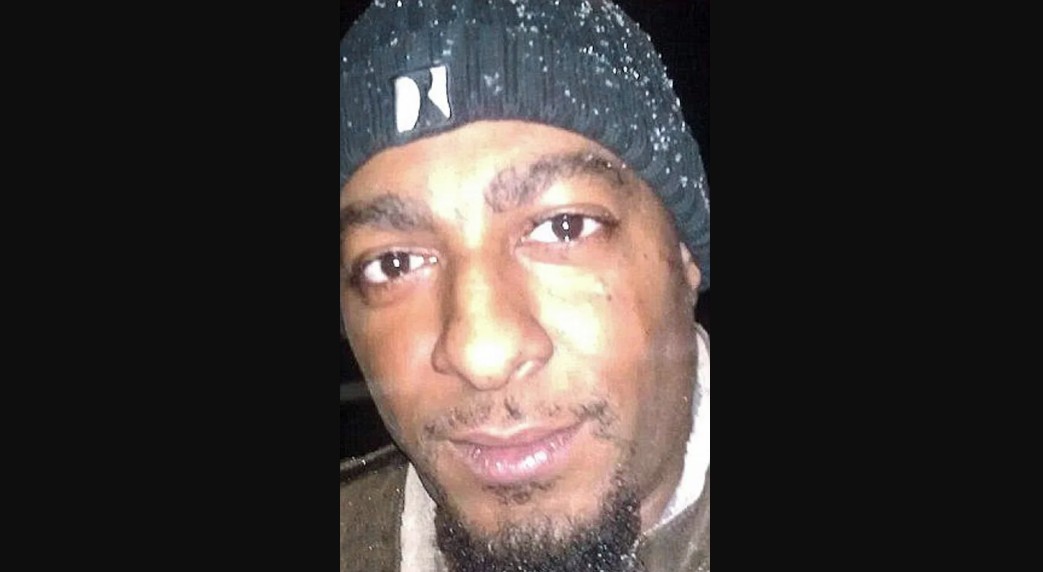
Was it a jealous ex?
Or a flawed investigation?
Or both, or neither?
That would require evidence, and the evidence was contested on both sides.
The investigation was also criticized for what it did not pursue.
There was Don, Hae Min Lee’s coworker and new boyfriend.
Police cleared him.
The defense suggested other leads went unexplored.
The jury heard the jealousy motive.
The jury heard Wilds’s testimony.
The jury heard the cell phone records.
In 2000, Adnan Syed was convicted of first-degree murder.
He was sentenced to life in prison plus 30 years.
The conviction rested on the records and the witness.
The defense said both were hollow.
The prosecution said both were enough.
The jury agreed with the prosecution.
That is what the record shows.
AND THE STORY STILL ISN'T OVER
A Baltimore judge vacated Syed’s conviction in 2022.
Prosecutors acknowledged flaws in the case, including unreliable cell phone evidence and the failure to disclose information about another suspect.
That suspect is not named in the record.
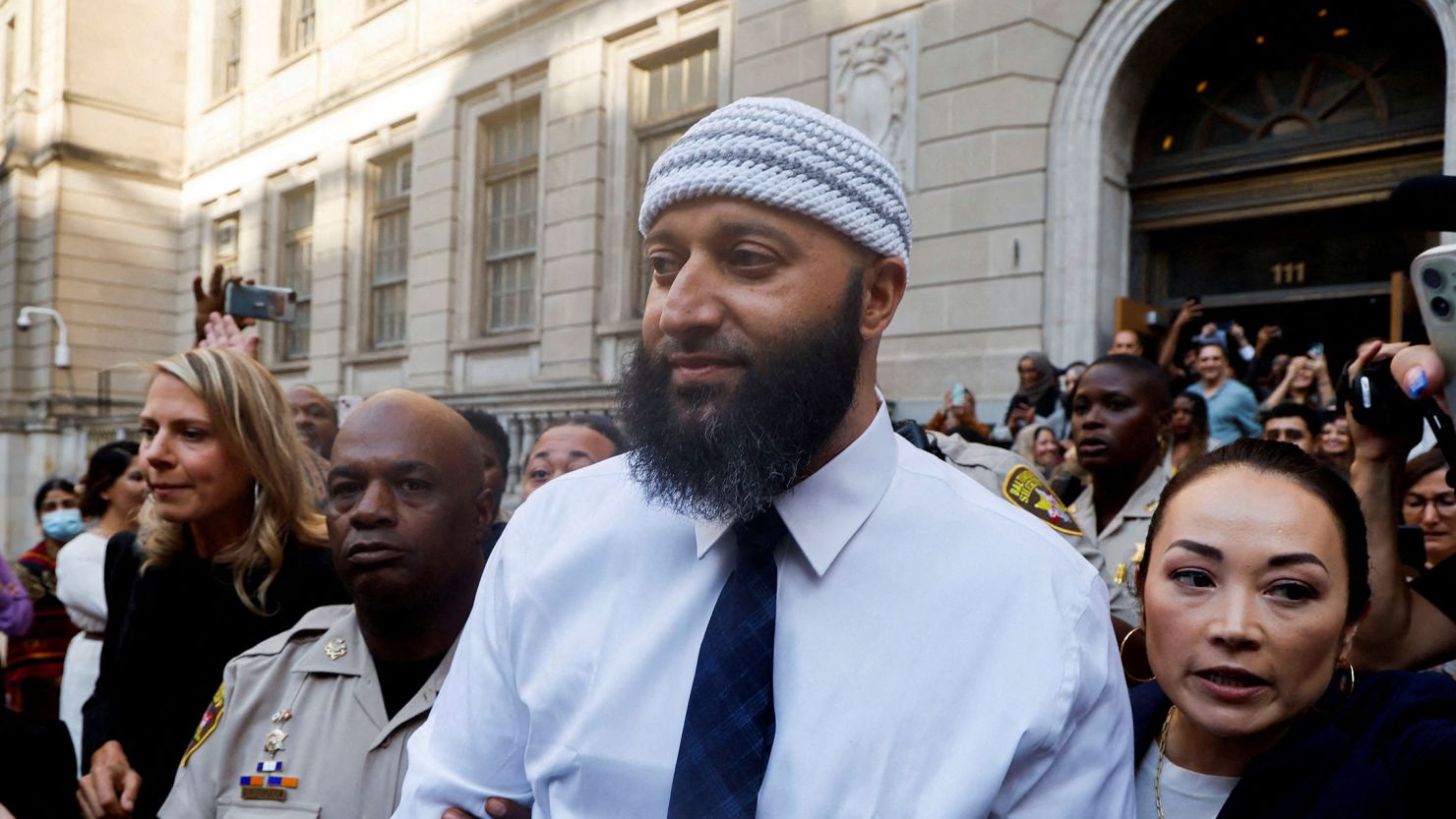
Syed was released from prison in September 2022.
He walked out after more than two decades.
In 2023, a Maryland appeals court reinstated his conviction.
The state’s highest court declined to hear the case.
The conviction remains vacated.
Syed remains free.
Hae Min Lee’s family believes Syed is guilty.
They have expressed distress over the proceedings.
Her brother attended the hearings.
Her mother did too.
The family watched the legal status shift, then shift again.
It is not a final verdict.
It is a case left open.
The trial record stands as it stood in 2000: Jay Wilds testified, the cell phone data was argued, the jury convicted.
The podcast raised doubts.
The court filings answered some, raised others.
What the record establishes is narrow: a conviction, a vacatur, a reinstatement, a decline to hear.
What it does not establish is the identity of that other suspect.
What it does not establish is a new trial.
The family’s pain is not a legal fact.
It is a fact nonetheless.
Syed is free.
The conviction is vacated.
The story is not over.
Advertisement
You may also like
The glove that didn't fit: inside the trial that split a nation over O.J. Simpson
Judge Lance Ito allowed the jury to view O.J. Simpson trying on the gloves found at the crime scene and his estate. They appeared…
The truck painter who led detectives to 49 Green River victims — and the DNA that closed in on him
He painted trucks for a living. Gary Leon Ridgway lived in Auburn, Washington, a suburb south of Seattle. He was married multiple times. He…
The 1939 tip that put a suspect behind bars — but the murder charge never came
1939. A tip. A tip put a former bartender and carnival worker behind bars in Cleveland, Ohio. He was the most prominent suspect in…
The Zodiac cipher that cracked open a killer's boast — but not his name
In August 1969, a cipher arrived at the offices of the *San Francisco Chronicle*. It was not the first taunting letter, and it would…
The smiley-face letter that made a sister call police on her own brother
The letter arrived at the Oregonian with a claim of responsibility for a murder and a mocking of police. It was signed with a…
The 2005 massage-table complaint that opened Epstein's case, and the detective who kept digging
A mother called Palm Beach police in 2005. She said her 14-year-old stepdaughter had been recruited by an older girl to give a man…